
How Is Wool Fabric Made? A Guide to Its Crafting Techniques
If you’ve ever felt intimidated by wool’s reputation for fussiness or shrinkage, you’re not alone. I’ve handled thousands of samples in the lab, and knowing how wool is built from the fiber up is the first step to crafting with confidence.
We will cover the journey from sheep to spun yarn, the unique properties that make wool a crafter’s dream, and practical techniques for knitting, weaving, dyeing, and caring for your finished pieces.
Executive Summary: Your Quick Wool Fabric Guide
Wool is a protein fiber, which means it comes from animals, primarily sheep. I always recommend sourcing from farms committed to ethical, high-welfare practices.
Its standout properties make it uniquely useful for specific types of projects and garments. It has an exceptional warmth-to-weight ratio, meaning it insulates incredibly well without being overly heavy. The fibers have natural elasticity, bouncing back from stretching better than cotton or silk. Wool can absorb a significant amount of moisture vapor before feeling wet, which is why it’s known for moisture-wicking. It is also naturally flame-resistant and tends to resist holding onto odors.
You’ll find wool used where these properties matter most. Think of structured, crisp tailored suiting, warm winter coats and hats, cozy blankets and throws, and unique felted crafts like slippers or wall hangings.
The number one care warning is its propensity for felting shrinkage. This isn’t typical shrinking. Felting is a permanent, irreversible matting of the fibers caused by a combination of heat, mechanical agitation (like a washing machine’s spin cycle), and rapid temperature changes. Always treat wool with a gentle hand.
| Fiber Type | Protein (Animal) |
| Handfeel | Can range from super-soft (Merino) to robust and coarse (tweed) |
| Drape | Structured to heavy; generally holds shape well |
| Common Blends | Polyester (for durability, reduce shrinking), Nylon (for strength) |
| Wash Temp | Cold water only |
| Dry Method | Lay flat to dry, reshape while damp |
The Wool Fiber: Why It Acts the Way It Does
To understand wool’s care needs, you need to picture its structure. Each fiber is made of keratin, the same protein in our hair. The outer surface is covered in microscopic scales, called the cuticle. Imagine these scales like overlapping roof shingles running along the length of the fiber.
This scaly structure is the key to both wool’s greatest vulnerability (felting) and its dyeability. When wool is agitated in warm water, the scales lift up. Friction causes them to latch onto neighboring scales, tangling the fibers together permanently. That’s felting. For dyeing, those scales must be opened with heat and often a slightly acidic or alkaline bath so dye molecules can penetrate deeply, resulting in rich, colorfast hues.
Look closely at a wool fiber, and you’ll also see a natural wave or crimp. Think of this crimp as a built-in spring. This natural springiness gives wool its loft, trapping air for warmth, and its elasticity, allowing it to stretch and recover. A high-crimp fiber like Merino will feel softer and make a more elastic, lightweight fabric. A fiber with less crimp will be straighter and often coarser.
The breed of sheep directly determines the fabric in your hands. Merino wool, with its very fine diameter and high crimp, results in that famous soft, next-to-skin feel used in premium base layers and fine knits. A breed like Lincoln or Leicester produces a long, lustrous, but coarser fiber ideal for durable tweeds, carpets, and upholstery that can handle more abrasion. Knowing the breed type gives you immediate clues about the fabric’s best use and required care.
From Fleece to Fabric: How is Wool Turned into Cloth?
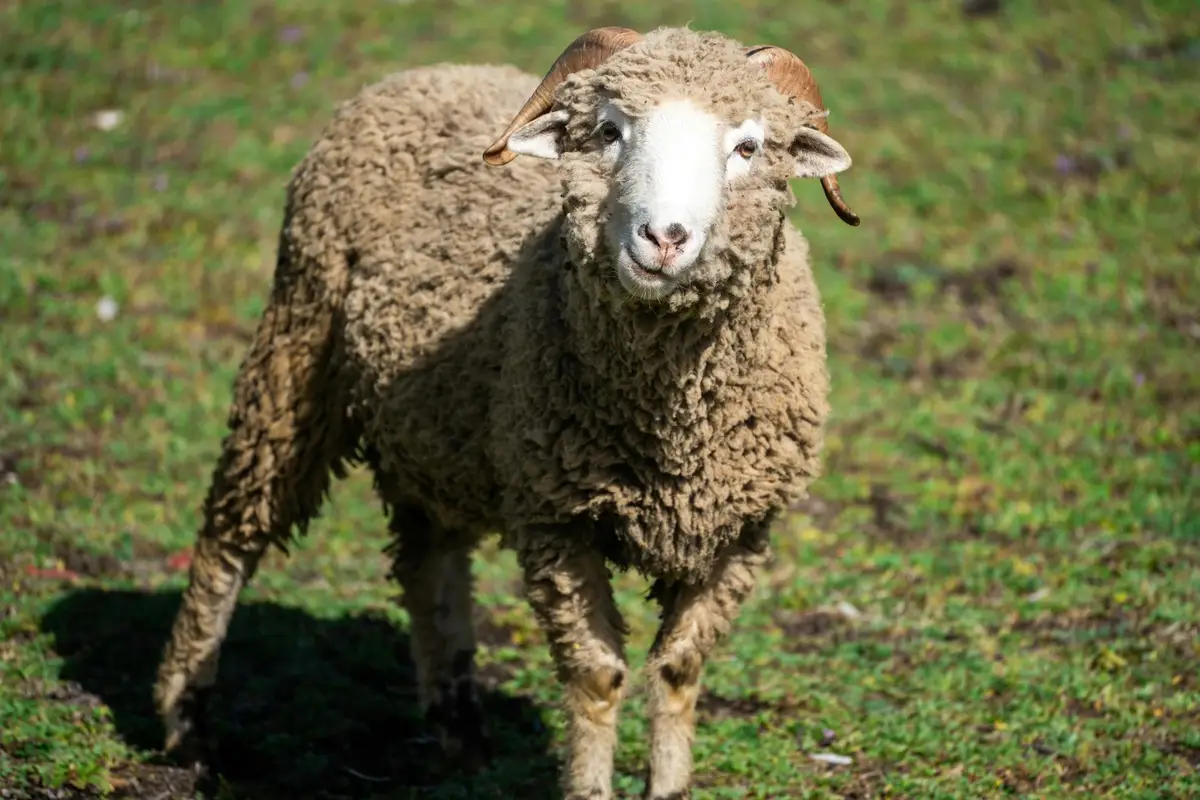
Turning a sheep’s fleece into the fabric you buy by the yard is a fascinating process. It transforms a raw, greasy material into a versatile textile. Here is how wool is processed into fabric, step by step.
-
Step 1: Shearing & Sorting
The journey starts with shearing, the careful removal of a sheep’s fleece. This raw wool is full of lanolin (a natural grease), sweat, dirt, and vegetable matter like burrs and straw. Sorters, or “wool classers,” expertly grade the fleece by fineness, length, and cleanliness, which determines the final fabric’s quality and price. This raw state is key for crafters to understand, as it shows why thorough cleaning is non-negotiable.
-
Step 2: Scouring
Raw wool is washed, or scoured, in a series of warm (not hot) alkaline baths. The goal is to remove the lanolin and dirt without causing the fibers to felt together prematurely. Controlling the water temperature and agitation during scouring is critical; too much heat and motion here, and the fibers will start to mat, ruining the batch. The recovered lanolin is often used in cosmetics and leather conditioners.
-
Step 3: Carding
The clean, dried fibers are fed through machines with fine wire teeth called carders. This process untangles the clumps and aligns the fibers into a thin, fluffy sheet called a web. This web is then condensed into a loose, untwisted rope called sliver or roving. Carding is the foundation for woolen yarns, which are airy and full of texture, perfect for cozy sweaters and tweeds. For smoother, stronger worsted yarns (think suit gabardine), the fibers go through an extra step called combing, which removes short fibers and aligns the long ones even more parallel.
-
Step 4: Spinning
Now, the roving gets twisted. Spinning draws out the fiber rope and applies twist, which gives the yarn its strength. The amount of twist is a secret weapon; a high-twist yarn is strong and crisp, while a low-twist yarn is soft and lofty. This step locks the fibers together, creating the single ply that can then be plied with others for thickness and balance.
-
Step 5: Weaving or Knitting
The yarn becomes fabric. On a loom, yarns are interlaced at right angles. A plain weave creates a flat surface like flannel. A twill weave (like the diagonal rib on gabardine or tweed) is denser and more durable. Knitting, whether by machine or hand, creates loops of yarn, making fabrics that are naturally stretchy and warm, like jersey for dresses or ribbing for cuffs. This is the stage where you get a basic, “greige” (grayish) cloth.
-
Step 6: Finishing
Finishing transforms the greige goods into the fabric you recognize. This is where the magic happens.
- Fulling or Milling: A controlled, gentle felting process. The fabric is agitated in warm, soapy water, causing the fibers to migrate and bond slightly. This adds density, strength, and wind resistance to fabrics like melton and boiled wool.
- Decating: A crucial step for premium wools. Fabric is treated with steam under pressure to preshrink it and set the weave, which prevents later tailoring disasters. It gives the cloth a refined, stable hand.
- Brushing or Raising: Wire brushes tease the fiber ends to the surface, creating a soft, fuzzy nap. This is how you get brushed flannel or the dense, velvety surface of coating fabrics.
Finishing dictates the final hand, drape, and performance of your wool fabric, more than any other step.
Crafting with Wool: Sewing, Felting, and Beyond
Whether you’re buying wool fabric by the yard for clothes making or working with it in other crafts, knowing how to handle its unique properties makes all the difference. These are the techniques I use in my own studio.
Sewing and Tailoring Wool Fabric
Wool has a substantial, “chewy” drape that tailors beautifully but requires a thoughtful approach. The right tools prevent frustration.
Always start with a fresh, sharp needle. For tightly woven worsteds (like suitings), use a universal or sharp needle. For wool knits or looser weaves, a ballpoint or stretch needle will push between fibers instead of piercing and potentially breaking them. I prefer natural-fiber threads like silk or cotton for sewing wool; they meld with the fabric and press beautifully.
To prevent stretching during construction, handle pieces as little as possible. Let the fabric rest on the table, feeding it smoothly under the presser foot. For bias edges, staystitching is your best friend.
Your iron is your most important tool when sewing wool. Press each seam open with plenty of steam. Use a press cloth (a piece of light cotton or silk organza works perfectly) to protect the wool’s surface from shine. That steam relaxes the fibers, sets the shape, and gives you that professional, crisp result.
How Do You Felt Wool Fabric?
Felting is the irreversible matting of wool fibers. It happens when heat, moisture, and agitation cause the scales on the fibers to lock together. You can use this to your advantage, especially when restoring boiled wool.
For intentional felting, you must start with 100% animal fiber wool that has not been treated to be superwash. Yarn or woven fabric works.
- Place the wool item in a basin or washing machine with hot, soapy water (a bit of mild dish soap works).
- Agitate it thoroughly. For the washing machine, use a hot wash/cold rinse cycle with high agitation.
- Check frequently. The item will shrink and become denser. Rinse in cool water and reshape it as needed before laying it flat to dry.
To create an extremely dense, windproof fabric like traditional loden, you can use a method called “boiling wool.” This is aggressive fulling. You literally simmer the woven wool fabric in a large pot of hot water (not a rolling boil), gently agitating it for an extended period until it shrinks dramatically and becomes almost felt-like. Always test a scrap first.
Other Wool Crafts
Wool’s versatility shines in other crafts, too. For hand-knitting and crochet, wool is wonderfully forgiving. Its natural elasticity hides minor tension inconsistencies, and it blocks beautifully. Blocking-wetting your finished piece and pinning it to shape-uses wool’s fiber memory to even out stitches and set the final dimensions perfectly.
If you’re appliquéing wool onto another fabric (like for a quilt or bag), preparation is key. Because wool doesn’t fray like woven cotton, you can use it with raw edges. For a clean, secure appliqué, I fuse the wool shape with a tight, lightweight fusible web, then finish the edges with a decorative blanket stitch for a classic look. This technique is popular in wool-on-cotton folk art and rug-making.
The Care and Feeding of Wool: Washing, Drying, and Storage
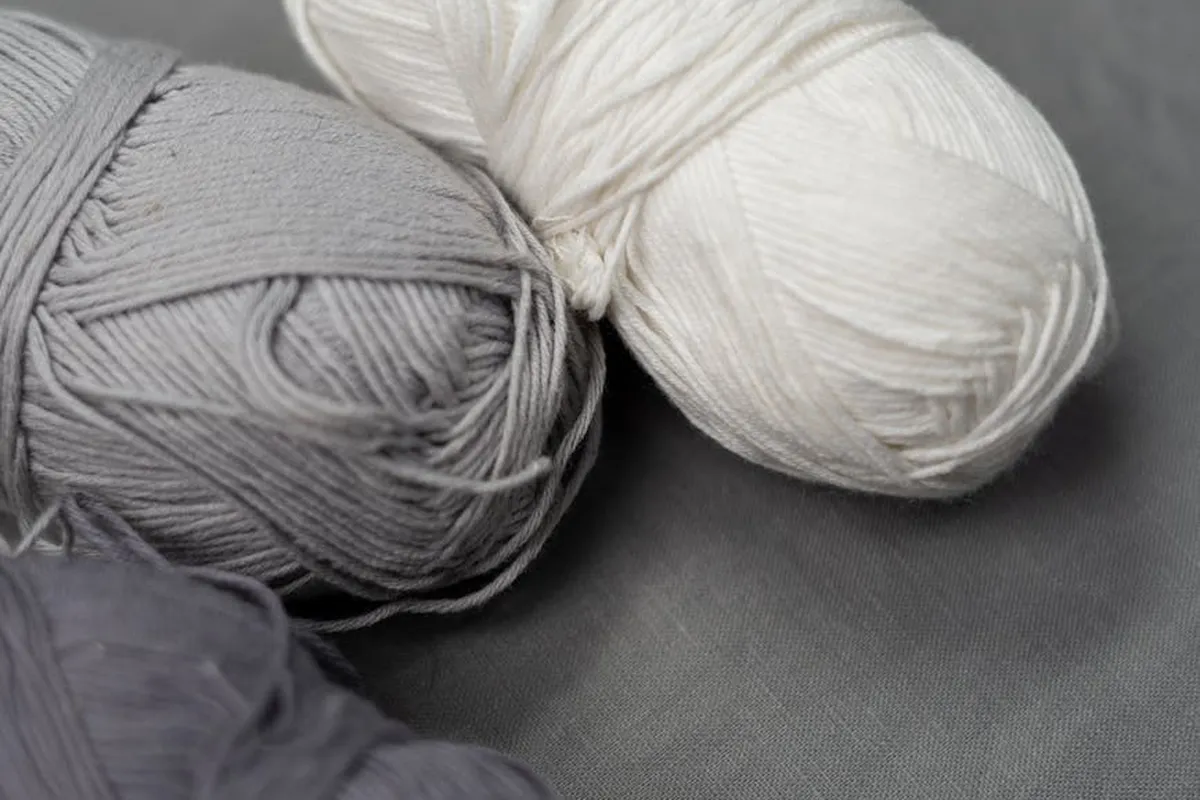
Think of wool care as a gentle ritual, not a chore. The goal is to clean the fibers without causing them to lock together permanently, a process called felting. Follow these steps and your woolens will reward you with years of wear. For extra care, you can use a fabric conditioner and shaver: the conditioner to keep wool fibers soft and flexible, and the shaver to refresh the surface if pills form without harming the wool.
Step 1: Read the Label
This is your first clue. A label showing a tub of water means it can be washed. A hand in the tub means hand-wash only. A crossed-out twisted garment means do not wring. I always look for the temperature dots inside the tub symbol-one dot (30°C/85°F) is your cold wash cue for wool. If you see a circle, it’s for professional dry cleaning only, and that’s a instruction I don’t suggest ignoring.
Step 2: Choosing a Detergent
Your regular laundry detergent is often wool’s enemy. It’s usually alkaline, contains enzymes to break down protein stains, and has optical brighteners. Wool is a protein fiber, just like your hair. You wouldn’t wash your hair with dish soap. Use a neutral pH, liquid detergent made for wool or delicates. These are free of harsh enzymes and brighteners that can damage the fiber’s structure, unlike those that rely on high alkalinity.
Step 3: The Wash
Fill your sink or a basin with cold water. I mean cool to the touch, never warm. Dissolve the wool wash completely before adding your garment. Submerge it and let it soak for 10-15 minutes. Gently press the water through the fabric without rubbing, swirling, or agitating. Agitation plus heat is what triggers felting. If using a machine, select the dedicated “wool” or “hand wash” cycle which uses very slow rotation and cold water.
Step 4: The Rinse
Drain the soapy water. Refill the basin with fresh cold water of the same temperature. Sudden temperature changes, known as thermal shock, can cause wool fibers to contract and felt, so keep the rinse water consistently cold. Press the garment gently in the clean water, repeating until the water runs clear.
Step 5: Drying
Never, ever use the tumble dryer. Lay the wet garment flat on a thick, absorbent towel. Roll the towel up like a jelly roll, pressing firmly as you go to transfer moisture from the wool to the towel. Unroll, move the garment to a fresh, dry towel or a mesh drying rack, and reshape it to its original dimensions. Let it air dry away from direct heat or sunlight.
Step 6: Storage
Always store wool clean. Moths and carpet beetles are attracted to food and sweat residues on the fiber. Fold your sweaters and place them in a breathable cotton bag or a cedar chest. Never use sealed plastic bags, as trapped moisture can lead to mildew. For added protection, use natural repellents like cedar blocks or lavender sachets which scent the wool unappealing to pests.
A Note on Pressing
To remove wrinkles, use a steam iron. Hold it about an inch above the fabric and let the steam do the work. For a sharper crease, place a damp press cloth (like a thin cotton tea towel) between the iron and the wool. Avoid placing a hot iron directly on the wool, as it can scorch and shine the fibers. Different fabrics require different handling; learn more on how to remove wrinkles from cotton and wool.
Troubleshooting Wool: Shrinkage, Stains, and Moths
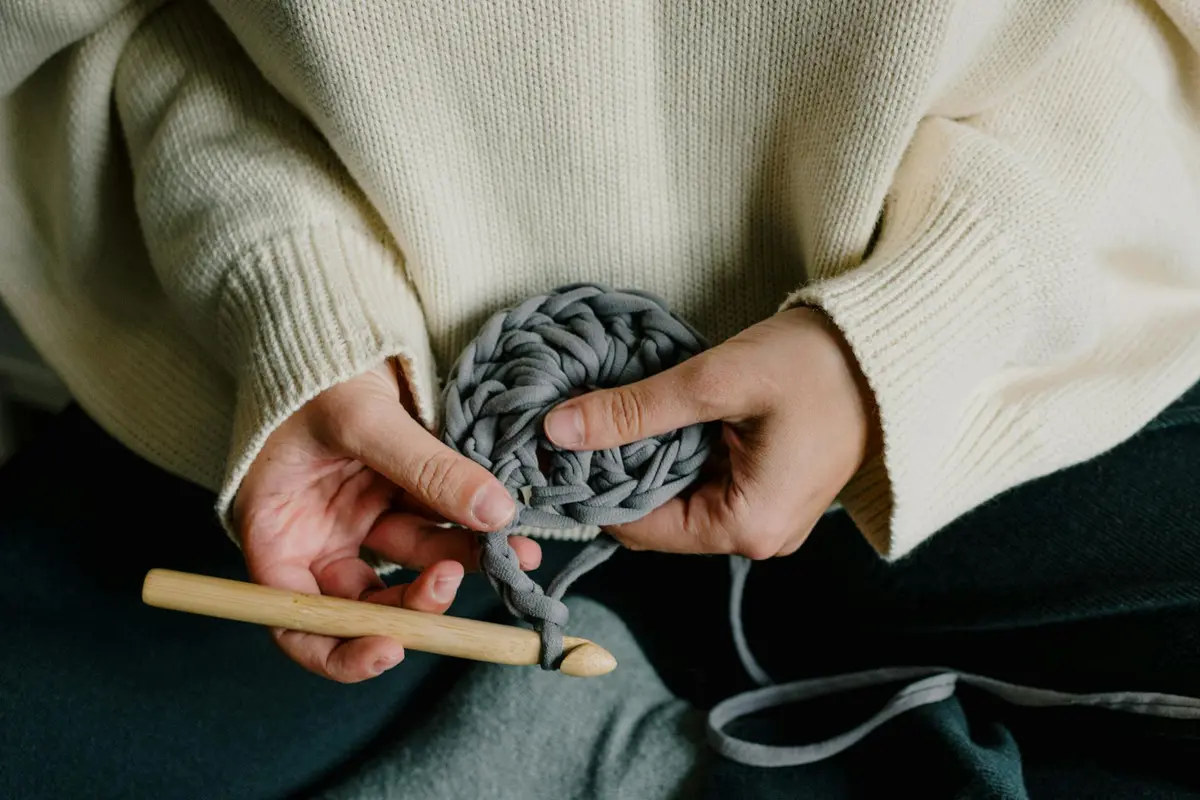
Understanding (and Sometimes Reversing) Shrinkage
Not all shrinkage is the same. Relaxation shrinkage happens when the fibers, stretched during making, relax back to their natural state in water. You can often gently stretch a damp garment back to size as it dries. Felting shrinkage (wool felted shrinking) is different. It’s permanent. The scales on the wool fibers lock together tightly from heat, agitation, and abrupt temperature changes, matting the fabric into a dense, thick felt.
If a garment has only slightly felted, you can try a rescue soak. Fill a basin with lukewarm water and a generous amount of wool conditioner or hair conditioner. Soak the item for 30 minutes. This relaxes the fibers. Carefully, without pulling, gently stretch the garment back to shape while it’s saturated. Rinse in cool water and block dry. This method works best on minor felting, not a fully matted sweater.
Dealing with Stains
Speed is your friend. Immediately blot (do not rub) a spill with a clean, absorbent cloth. Rubbing grinds the stain in. For a set-in stain, apply a few drops of undiluted wool wash directly to the spot and gently work it in with your fingers. Let it sit for 15 minutes, then wash the entire garment as described in the cold wash process. For oily stains, a sprinkle of cornstarch can help absorb the oil before brushing it off and washing.
Preventing Moth Damage
The common clothes moth eats keratin, the protein in wool, silk, and feathers. But it’s attracted to soiled, sweaty keratin, not clean fibers. This is why cleaning before storage is non-negotiable. I air out my winter woolens in the spring breeze before packing them away with cedar. If you find small holes or webbing, you have an active infestation. Place the affected items in a sealed plastic bag and freeze them for at least 72 hours to kill eggs and larvae, then wash them thoroughly. Vacuum your storage area well. Natural repellents like cedar or lavender are good deterrents but are not always effective killers of an existing problem.
Wool Blends and Ethical Alternatives
Pure wool is a marvel, but sometimes a blend is the smarter choice for your project. I work with blends often in the lab to balance performance, cost, and care. In particular, wool nylon fabric blends are a common choice when you need durability without sacrificing warmth. I study these blends to fine-tune balance across resilience, softness, and maintenance.
Common Wool Blend Fabrics
Blending wool with other fibers creates fabrics with hybrid personalities. The key is knowing what you gain and what you trade off.
Wool/Polyester Blends
This is one of the most common partnerships. Adding polyester to wool boosts durability and dramatically reduces wrinkling. It also lowers the cost. The trade-off happens in the hand and breathability. A high percentage of polyester can make the fabric feel slightly plasticky and less breathable than pure wool. You’ll often see this blend in suiting and coats where a crisp, maintained shape is the priority. For laundry care, these blends respond best to cool water and gentle cycles. Avoid high heat when drying to maintain the fabric’s shape and feel.
Wool/Nylon Blends
Nylon is brought in for one main job: toughness. It significantly increases abrasion resistance, which is why it’s a star in socks, rugged trousers, and performance suiting. Just a small percentage, often 5-15%, makes the wool far more resistant to wear and tear. The nylon fibers, being stronger, take the brunt of the friction.
Caring for Wool Blends
Care becomes more forgiving with blends, but you must still be cautious. The synthetic fibers often allow for machine washing on a cooler, gentle cycle where pure wool would felt. Always use a detergent for wool or delicates, as regular detergents can still damage the wool fibers within the blend. Heat is your main enemy-high dryer heat can melt synthetics and shrink wool. I always air dry blends flat to be safe. Check the label first, but when in doubt, treat the blend as if it were all wool.
Animal Welfare and Plant-Based Alternatives
For many crafters and consumers, how an animal fiber is sourced matters deeply. I support making informed, compassionate choices.
Advocating for Responsible Sourcing
If you choose wool, look for certifications that verify animal welfare. The Responsible Wool Standard (RWS) and ZQ Merino are two leading benchmarks. They set strict requirements for sheep treatment, land management, and traceability back to the farm. Choosing certified wool is a direct way to support farming practices that respect the animal’s well-being. It’s a question worth asking your supplier or yarn shop about.
Plant-Based and Synthetic Alternatives
Many fantastic alternatives mimic wool’s properties for different needs. You can achieve warmth, loft, and drape without animal fibers.
- For Warmth: A heavyweight, brushed cotton flannel or a wool-like fabric made from hemp provides excellent insulation. They are breathable and get softer with each wash.
- For Drape and Softness: Brushed hemp or lyocell (like Tencel) offer a beautiful, fluid drape similar to fine merino. They have a lovely luster and a cool, sleek hand against the skin.
- For Easy-Care Blankets and Bulky Knits: High-loft acrylic is a common choice. It’s lightweight, machine-washable, and non-allergenic. While it doesn’t breathe like wool, its consistency and cost make it practical for certain items.
My advice is to match the alternative to the use case. Test a swatch for hand and warmth. You might find a new favorite fabric that aligns perfectly with your making ethos.
Wool Work: Care and Continuous Learning
Always test a wool swatch for shrinkage and colorfastness before starting any project. This simple habit saves hours of work and ensures your finished piece performs as intended.
Apply this same curious, hands-on testing to every fabric you use, from silk to nylon blends, to make informed choices about washing and dyeing. Your growing knowledge of textile science is what turns good craft into responsible, enduring creation.
Related Guides and Information
- How wool fabric is made
- Wool – Wikipedia
- What is Wool Fabric: Properties, How its Made and Where | Sewport
- How wool is made – material, manufacture, making, history, used, processing, parts, components, structure
- Types of Wool & Processing – American Wool
- Guide to Wool Fabric: 9 Types of Wool – 2026 – MasterClass
Written by Florian Ventura. Florian is a high fashion blog writer, fashion and fabric expert and a keen expert in fabric, clothing and materials. She has worked in large textile and fashion houses for over 10+ years, engineering and working with various fabric types and blends. She is an expert when it comes to questions on any and all kinds of fabrics like linen, cotton, silk, jute and many more. She has also traveled around the world studying traditional fabrics and aims to bring them into the modern fashion use.