
Is Viscose or Rayon Breathable for Summer & Hot Weather?
You’re eyeing that flowy viscose skirt for a heatwave, but worry it might trap sweat instead of letting your skin breathe. I’ve spent years in the lab testing how these fabrics react to humidity, and I’m here to give you the clear, practical answer.
In this article, we will cover the simple science of fabric breathability, how viscose and rayon actually feel against your skin in heat, the care habits that make or break their coolness, and how they stack up against other summer fabrics like cotton and linen.
Material Data: Viscose/Rayon at a Glance
Here’s a quick reference table that breaks down how standard viscose rayon behaves, especially when the temperature rises.
| Property | Rating / Notes | Why It Matters for Summer |
| Breathability | Good | It allows air to pass through, which helps with ventilation and prevents that trapped, clammy feeling on a hot day. |
| Moisture Wicking | Poor | Feels cool and dry at first touch, but it absorbs sweat and holds it against your skin, which can lead to a sticky, damp sensation. |
| Shrinkage Rate | High | Has a high risk in warm water. A loose weave can shrink 3-5% easily, and tighter weaves even more if not cared for properly. |
| Heat Tolerance | Low | The fibers weaken when wet and hot. High dryer heat or a hot iron can scorch, melt, or severely weaken the fabric. |
| Stretch Factor | Low | It has very little natural give. Garments rely on the cut and drape for movement, not the fabric’s elasticity. |
| Drape | Excellent | It falls in soft, fluid folds that cling elegantly to the body, making it a favorite for flowing summer dresses and skirts. |
| Wrinkle Factor | High | It creases very easily when packed or sat in for long periods, often needing a steam or light ironing to look crisp again. |
The key takeaway is that viscose breathes well but manages sweat poorly, and its beauty is fragile under heat and agitation. I always test a swatch or hidden seam by hand-washing it in cool water first to see how the specific fabric reacts.
Viscose vs. Rayon: Untangling the Name Game
If you find the terms “viscose” and “rayon” confusing, you’re not alone. The simplest way to understand it is that viscose is the most common type of rayon.
Think of it like this: “rayon” is like “soda.” “Viscose” is like “cola”-a specific, popular type you see everywhere. Other types in the rayon family include modal (often softer, more stable when wet) and lyocell (sold as Tencel, which is excellent at moisture management). These distinctions reflect how different rayon production types influence fiber properties like softness, stability, and moisture handling. Understanding these production methods helps explain why modal and lyocell behave differently in fabrics.
For our purposes-breathability, summer wear, and care-standard viscose and generic rayon refer to the same basic fiber structure and will behave identically. The care label instructions for washing, drying, and ironing apply equally to both. When you’re shopping for a summer piece, seeing either term tells you you’re getting that characteristically fluid, breathable, but heat-sensitive fabric.
How Breathability Really Works: It’s Not Just About Holes
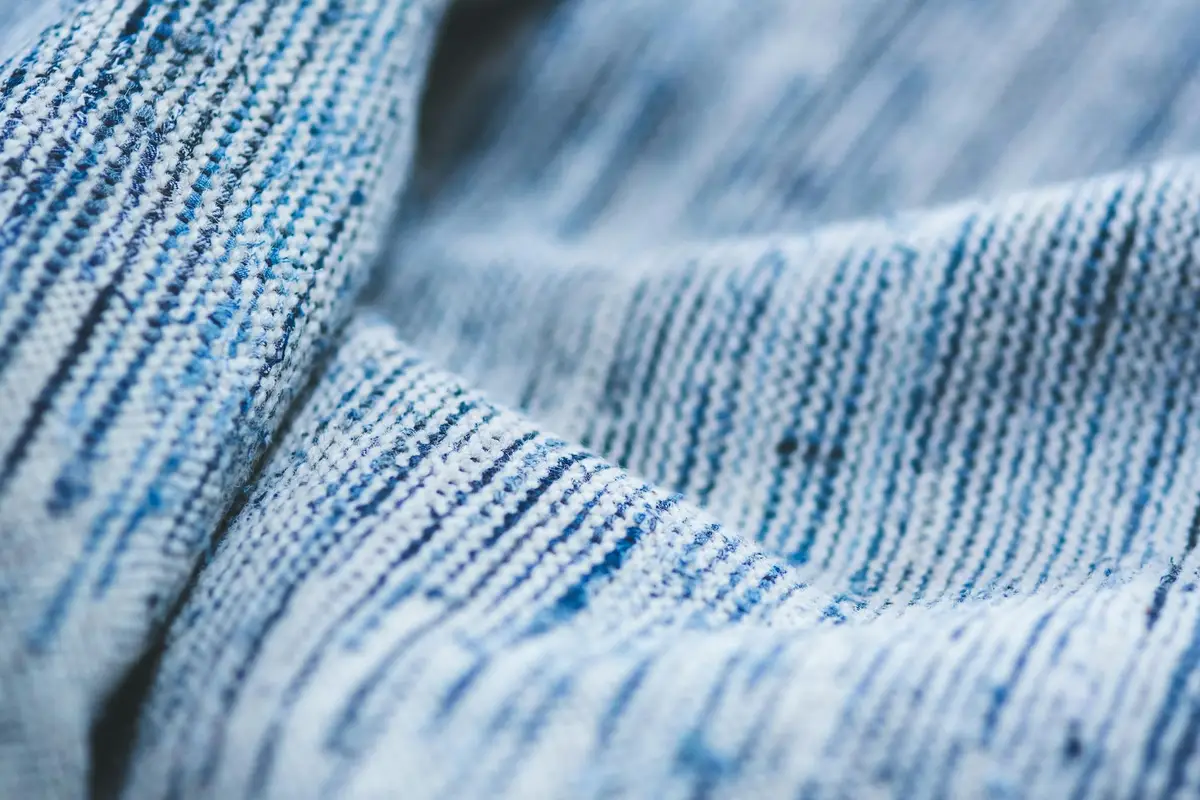
When we say a fabric is breathable, we’re talking about two separate jobs. The first is letting air pass through the weave or knit structure. The second, and often more important one, is how the fabric handles the moisture vapor from your skin-your sweat.
Viscose and rayon are made from regenerated plant cellulose, usually from wood pulp. This is a crucial detail. Because the fibers come from plants, they have a natural affinity for water. This means viscose fibers are hydrophilic; they actively pull water vapor from your skin, which creates that initial feeling of cool dryness when you first put it on.
Here’s the catch I’ve seen in lab tests. Viscose absorbs moisture very effectively, but it doesn’t release it quickly into the air. Think of it like a thirsty sponge. It soaks up water readily, but a full sponge stays wet. The fibers can become saturated, holding onto that moisture instead of letting it evaporate.
Let’s contrast this with two other common fibers. Polyester is hydrophobic-it repels water. Moisture beads up on the surface or gets pushed to the fabric’s exterior, which can leave you feeling clammy if it doesn’t evaporate. Cotton, like viscose, is plant-based and absorbent. But cotton’s fiber structure allows it to both absorb and release moisture more rapidly than viscose, which is why a cotton tee often feels like it “dries” on you faster. Beyond cotton and polyester, viscose (rayon) and modal offer different moisture-handling and drape characteristics. Knowing how viscose, rayon (modal), cotton, and polyester differ helps you choose fabrics for comfort and performance.
This science explains a very specific summer experience. A viscose blouse feels like a cool slip against your skin in dry morning air. On a humid afternoon, as your body produces more vapor, the fibers absorb it but can’t shed the load. The fabric loses its crispness, can develop a damp patch on the back, and may cling unpleasantly. It’s not a flaw in the fabric, just its inherent physical property.
Summer Showdown: Viscose/Rayon vs. Other Fabrics
Let’s answer your questions straight away. Yes, you can absolutely wear viscose in summer, especially in dry heat, thanks to its smooth, cool feel against the skin. And yes, rayon sheets can feel wonderfully cool and silky when you first slide into bed. But there’s a big “but” that depends on your local climate and how you plan to use the fabric. To see why, we need to put it side-by-side with other summer staples.
Here’s a practical comparison from my years of testing fabrics in the lab and wearing them through real, sweaty summers.
The Fabric Lineup for Hot Weather
| Fabric | Feel on Skin (The “Hand”) | Moisture Management | Drying Speed | Typical Wrinkling |
|---|---|---|---|---|
| Viscose/Rayon | Uniquely sleek, fluid, and cool to the touch. It has a heavy, luxurious drape. | Absorbs moisture very well, which is good. But it holds onto that moisture, becoming damp and clingy. | Slow. It retains water, which is why it can feel soggy. | High. Expect deep, permanent-looking creases if left crumpled. |
| Cotton | A familiar, dry, and soft touch. It feels breathable and trustworthy. | Absorbs and holds moisture comfortably, like a gentle sponge. It doesn’t usually feel clammy. | Moderate. It dries faster than rayon but slower than linen or synthetics. | Medium. It wrinkles, but the wrinkles are often softer and less severe. |
| Linen | Crisp and textured with a natural, slightly rough slub. It gets softer with every wash. | Excellent. It wicks moisture away from the skin and releases it into the air quickly. | Very Fast. This is its superpower for staying cool. | Very High. Wrinkles are part of its relaxed, lived-in charm. |
| Polyester | Varies widely. Can be slick, soft, or wicking. Often has a synthetic “hold” on the skin. | Poor in basic forms (feels clammy). Good in technical, moisture-wicking versions designed for sport. | Very Fast. It doesn’t absorb, so water beads up and evaporates. | Very Low. It’s prized for its resistance to wrinkles. |
| Tencel (Lyocell) | Remarkably smooth, soft, and cool-often compared to high-quality rayon but more substantial. | Superb. It absorbs better than cotton but dries much faster, thanks to its fiber structure. | Fast. It manages humidity without feeling wet. | Low to Medium. It resists wrinkles better than viscose. |
Where Viscose/Rayon Wins and Loses for Summer
Based on that table, you can start to see the pattern. Viscose wins on its initial cool sensation and beautiful, flowing drape that you simply cannot get with crisp cotton or linen. For a summer evening out in arid heat, a loose viscose dress is a fantastic choice. It feels luxurious and soft against the skin from the first moment.
Its weaknesses become clear with moisture and activity. Viscose loses its cool advantage on humid days or during prolonged activity because it absorbs sweat but then fails to release it, leaving you with damp, sticky fabric clinging to your body. I’ve tested this: a viscose blouse can feel cool for the first hour in a dry climate, but during a humid commute, it becomes a wet blanket. Its slow drying also means it can develop a musty smell if not aired properly.
My practical advice? Think of your summer day. For low-activity, dry-heat situations, viscose is a lovely option. For humid climates, gardening, travel, or any situation where you might sweat, lean towards linen, a technical-wicking polyester, or Tencel. For everyday, reliable comfort, cotton is still the champion.
The Shrinkage Problem: Why Your Viscose Top Got Smaller
If you’ve ever pulled a favorite viscose blouse from the wash only to find it could now fit a teddy bear, you’ve met this fabric’s greatest flaw. This isn’t a random accident. It’s a predictable reaction rooted in the fiber’s very structure.
Viscose is a regenerated cellulose fiber. In simple terms, it starts as wood pulp that’s chemically dissolved into a syrup, then extruded to form filaments. This process creates a fiber with a smooth surface but a porous, sponge-like core. When submerged in water, those pores eagerly soak up moisture. The fibers swell, soften, and relax their molecular bonds.
This relaxed state is when the fabric is most vulnerable to permanent change.
Mechanical agitation from a washing machine’s spin cycle, or the intense energy from heat in a dryer or hot wash, shocks those swollen fibers. They don’t just dry out; they tighten and contract with incredible force, locking into a new, smaller, and often distorted configuration. It’s not simply a matter of the fabric tightening up. The fibers can actually curl and crinkle on a microscopic level, reducing the garment’s dimensions permanently.
Think of a slack, stretched-out spring lying on a table. That’s your dry viscose garment. Soaking it in water is like carefully compressing that spring by hand-it becomes soft and malleable. Now, tossing it in a heated dryer is like releasing that compressed spring from a height. It doesn’t just return to its slack state; it coils back on itself tighter and smaller than it was before.
The golden rule for preventing this is non-negotiable: Cold water only for washing, and never, ever apply heat from a dryer, radiator, or hot iron to a wet viscose garment. Air drying flat is your only safe option.
Before you risk a whole garment, you can test a hidden spot for its shrinkage tendency. Find an inner seam allowance or a deep hem. With a ruler, carefully measure and mark a precise 4-inch (10 cm) section with a washable fabric marker or a pin at each end. Dampen only this small section thoroughly with cold water, then gently blot it. Now, simulate agitation by carefully rubbing the wet section between your fingers for 30 seconds. Lay it flat and let it air dry completely.
Measure between your marks again. If your 4-inch section is now 3.75 inches, you have approximately 6% shrinkage. You can expect the entire garment to shrink by that amount in a machine wash. This test tells you to hand-wash in cold water or avoid washing altogether, opting for professional dry cleaning for that particular piece.
Your Step-by-Step Guide to Washing & Caring for Viscose
Think of this not as a chore, but as a protective protocol. Viscose rayon is a gorgeous but vulnerable fabric. Water and heat are its main adversaries. The sole goal of this routine is to preserve the exact size, shape, and silky hand of your garment. I treat my favorite viscose blouses this way, and they look new years later.
Step 1: Decode the Label & Pre-Treat
Always start with the care label. This is your first clue about the fabric’s stability. A tag that says “100% Viscose” or “Rayon” tells you to proceed with maximum caution. A label that reads “55% Polyester, 45% Viscose” is actually good news; the synthetic polyester acts like a scaffolding, reducing the rayon’s tendency to shrink and lose shape. For wash care polyester rayon blends, a gentle cycle with cool water helps keep the fabric stable. Avoid high heat to maintain softness and shape.
For stains, act fast but gently. Dab (don’t rub) the spot with a tiny amount of mild liquid detergent. I keep a dedicated stain pen in my laundry area for this. Never use hot water, as it can set the stain or start relaxing the fibers prematurely.
Step 2: The Safe Wash Cycle
If the label permits machine washing, your settings are non-negotiable. Select the gentlest cycle your machine has-often called “Handwash,” “Delicate,” or “Wool.” The agitation should be minimal.
Use cold water only. Think of warm or hot water as a command for the viscose fibers to contract violently. Cold water keeps them calm.
Your detergent choice matters. Use a mild, neutral pH detergent formulated for delicates; avoid heavy-enzyme “bio” detergents or optical brighteners, which can be harsh on the regenerated cellulose fibers. For regenerated fabrics, use a pH-balanced detergent with minimal enzyme activity to protect fibers. These pH and enzyme considerations matter when choosing detergents.
Wash your viscose item alone or with other similar, smooth fabrics (like more viscose or a polyester blouse). Zippers, hooks, or rough textures like denim will snag and pull the weak, wet viscose threads.
Step 3: Drying Without Disaster
This is the most critical step. The tumble dryer is your garment’s nemesis. The combination of heat and tumbling will guarantee severe shrinkage, often rendering the item unwearable.
After the cycle ends, remove the garment immediately. Do not wring it out. Instead, lay it flat on a clean, absorbent towel, roll it up, and gently press to squeeze out water. Lay the garment flat on a drying rack, gently smoothing and patting it back to its original dimensions.
Hanging a heavy, wet viscose dress on a hanger will cause the shoulders to distort and the body to stretch out of shape. Flat drying preserves every seam.
Step 4: Ironing for a Smooth Finish
Viscose often wrinkles, but it responds beautifully to steam and a careful iron. Iron the garment while it is still slightly damp to the touch. This makes the work easier and prevents you from needing the highest heat.
Set your iron to the lowest heat setting-the silk/wool setting is perfect. Always, always use a pressing cloth (a thin cotton handkerchief or muslin works) between the iron and the fabric. Direct heat can scorch and shiny the surface in an instant.
Use a lifting and pressing motion rather than sliding the iron back and forth, which can stretch the fabric. For stubborn wrinkles, use the steam burst function on your iron, holding it just above the pressing cloth. For linen fabrics, a steam press iron helps achieve a smooth, crisp finish with steady heat. This keeps wrinkles at bay between wears.
Choosing the Right Viscose Item for Heat and Humidity
Now we get to the fun part, using this fabric science to choose what to actually wear. Let’s tackle the direct questions I get in my workshop all the time.
Are viscose socks good for hot weather? I would avoid them for anything more than a short, sedentary wear. Remember, viscose absorbs moisture but doesn’t transport it well. In a tight, enclosed space like a shoe, that absorbed sweat stays against your skin. This creates a damp environment that can lead to discomfort and blisters. For socks in heat, you want a fiber with active wicking, like merino wool or a technical synthetic blend.
Are viscose underwear good? The same principle applies, making pure viscose a poor choice for everyday wear in humidity. In areas where moisture and friction are high, you need a fabric that pulls wetness away from the skin to keep you dry and prevent irritation. Look for cotton, modal, or specific moisture-wicking blends for underwear designed for hot weather.
Styles That Let Viscose Shine
The key to wearing viscose in summer is to choose garments where air can move freely. You want to prevent the fabric from being pressed tightly against your skin for long periods.
I recommend loose, flowing styles that celebrate drape. Think of a breezy viscose wrap dress, wide-leg palazzo pants, or a floaty blouse. These styles allow air to circulate between the fabric and your body, helping to evaporate any absorbed moisture and keeping you feeling cooler. The garment’s shape is doing the work that the fiber’s wicking ability cannot.
Styles to Steer Clear Of
Be cautious with tight-fitting items meant for high-exertion or constant skin contact in the heat. This includes:
- Viscose activewear or yoga pants.
- Close-fit bodysuits or camisoles as a base layer.
- Socks and underwear, as we discussed.
In these cases, the fabric will become saturated with sweat and stick to you, losing any initial cool feeling and potentially leading to chafing. It simply can’t keep up.
The Smart Compromise: Viscose Blends
You’ll often see viscose blended with polyester, especially in tailored items like summer suits or structured dresses. This is a practical trade-off. The polyester adds strength, reduces wrinkling dramatically, and helps the garment hold its shape in humidity. The viscose contributes softness, drape, and that initial cool touch.
A “polyester and viscose” blend wrinkle less and hold shape better in humidity, trading a degree of pure breathability for much-needed stability. For a work dress that needs to look crisp from morning commute to evening, a 50/50 blend can be a smarter choice than 100% viscose, which might be a wrinkled mess by lunch.
A Note on Bamboo Rayon Bedding
Bamboo rayon sheets are, chemically, viscose. They feel wonderfully cool and sleek when you first slide into bed. I love that sensation. But for hot sleepers, understand their limitation. Bamboo rayon sheets feel cool initially but may not wick moisture away from sleepers effectively all night. If you perspire, the fabric will absorb it and can feel damp. For all-night climate control, a long-staple cotton like percale or linen is often a more reliable choice for breathability and moisture management.
When Viscose Gets Wet: Handling Rain and Sweat
So, you’re out in your favorite viscose blouse and a summer storm rolls in. Or you’re simply navigating a hot day. Let’s talk about what really happens.
Water changes viscose instantly. The fibers swell as they absorb moisture, which can make the fabric feel temporarily crisp and papery against your skin. This stiff, slightly rough texture is normal and will disappear once the garment is completely bone dry. Don’t be tempted to tug at it or try to soften it while it’s damp.
Here’s the critical part I stress in the lab: wet viscose is fragile. The hydrogen bonds that give the fiber structure are disrupted by water, reducing its strength by up to 50%. Wet viscose is much weaker and will tear easily if pulled or stretched. Be extra careful when handling a soaked garment-lift it by its seams, don’t wring it, and avoid hanging it while heavy with water.
If your top gets soaked with sweat, act quickly. The salts and proteins in perspiration can bind to the cellulose fibers, leading to permanent yellow stains and setting odors. Rinse a sweat-soaked garment in cool, clean water as soon as you can to flush out salts and prevent stains. A gentle squeeze to remove excess water is all you need before moving to drying.
Always, always dry viscose flat. A wet viscose garment is heavy. Hanging it will cause the water weight to stretch the fabric permanently, especially at the shoulders and neckline. Lay the garment on a clean, dry towel or a mesh drying rack to preserve its shape and size. Reshape it gently with your hands as it lies flat. Patience here saves you from a misshapen piece.
Your Fabric Care Routine for the Heat
For reliable summer comfort, trust viscose and rayon’s natural breathability but protect it with a cold, gentle wash and flat drying. This care preserves the fiber’s structure and that cool, damp-feeling relief against your skin I value on humid days.
Treating every garment with informed care is the foundation of a sustainable wardrobe. Let your experience with rayon guide you to learn the unique needs of cotton, wool, and synthetics, turning daily wear into a hands-on study of textile science.
References & External Links
- Viscose vs Rayon: A Comprehensive Comparison
- Uncovering Viscose Fabric’s Breathability Characteristics
- Viscose in summer… – YouLookFab Forum
- Everything You Need to Know About Viscose Rayon Fabric
Florian Ventura
Florian is a high fashion blog writer, fashion and fabric expert and a keen expert in fabric, clothing and materials. She has worked in large textile and fashion houses for over 10+ years, engineering and working with various fabric types and blends. She is an expert when it comes to questions on any and all kinds of fabrics like linen, cotton, silk, jute and many more. She has also traveled around the world studying traditional fabrics and aims to bring them into the modern fashion use.