
How Do You Style, Wear, and Care for Linen Suits and Clothing?
You love linen’s cool feel, but those wrinkles might make you hesitate. I work with linen every day, and I can tell you that with a few smart habits, it becomes the easiest fabric in your wardrobe.
Let’s start with what makes linen special and how to use that to your advantage. We will cover linen’s natural fiber properties, styling for sharp or relaxed looks, preventing and embracing wrinkles, understanding shrinkage, and safe washing and dyeing practices.
What Is Linen? A Fiber Science Breakdown
Linen comes from the flax plant, specifically the long cellulose fibers in its stem. Unlike cotton’s fluffy bolls, we get linen by breaking down the tough stalk through retting, scutching, and hackling. This process yields some of the strongest natural fibers you can spin.
Under a microscope, linen fibers look like long, jointed tubes with thick walls. They are remarkably inelastic. This rigid physical structure is the secret behind everything you love and fret about with linen. The fiber’s lack of stretch gives linen its signature crisp, dry hand and is precisely why it crumples so easily at sharp bends.
When you touch a linen fabric, compare it to cotton. Cotton feels softer and fuzzier because its fibers are shorter and more prone to pilling. Linen feels smoother, more textured, and cooler to the skin. Next to silk, linen lacks that protein fiber’s inherent sleekness and shimmer, offering a more rustic, matte appearance.
From a sustainability angle, flax is a hardy crop. It typically requires less water and fewer pesticides than conventional cotton. Nearly every part of the plant is used, from linseed oil to the short fibers (tow) used for paper or lower-grade textiles.
The Linen Spec Sheet: Key Properties and Behaviors
To work with linen effectively, you need to know its core performance metrics. Think of this as the fabric’s technical data sheet.
| Property | Linen’s Rating | The Textile Science “Why” |
| Breathability | Exceptional | The hollow structure of the flax fiber wicks moisture away from your skin rapidly and allows maximum air circulation. |
| Shrinkage Rate | High (Initial) | First washes relax tensions from weaving/knitting, causing permanent fiber compaction. Expect 5-10% shrinkage. |
| Heat Tolerance | High | Pure cellulose can handle high heat from washing and ironing, but always check dye stability first. |
| Stretch Factor | Negligible | The thick-walled, inelastic fibers have almost no natural give, leading to sharp, creased wrinkles. |
Breathability is linen’s superpower, thanks to the hollow core running through each flax fiber. This isn’t just about letting air through, it actively pulls sweat from your skin along the fiber’s surface and evaporates it quickly. I always say it’s like your clothing has built in ventilation ducts.
Shrinkage trips up many new linen owners. That 5-10% initial shrinkage isn’t a flaw, it’s physics. During manufacturing, fibers are under tension. The first warm wash or steam treatment allows the fibers to relax back to their natural, shorter state, which is a permanent physical change. It’s different from wool felting, it’s more like a tightly wound spring finally coiling down. Always pre wash your fabric before cutting a sewing pattern to prevent any surprises.
Linen’s heat tolerance is robust. You can safely wash it in warm water and iron it with a hot steam iron to achieve that crisp look. The critical limitation is rarely the fiber itself, but the dye used to color it. Some vibrant or natural dyes may bleed or fade with high heat, so always test an inconspicuous area first.
That near zero stretch factor is why linen drapes in sharp folds and creases. The fibers don’t bend and spring back like wool, they kink. This isn’t a sign of low quality, it’s the inherent character of the fiber. If you want to reduce wrinkling, look for linen blended with a small percentage of cotton or rayon, which introduces a bit more flexibility. Compared across linen, cotton, wool, and polyester fabrics, linen’s stretch remains comparatively limited. This quick comparison helps explain why some blends offer different drape and wrinkle outcomes.
How Linen’s Physics Dictate Its Style and Fit
Linen’s character comes straight from its fibers. They are long, strong, and have almost no natural elasticity. This gives linen its distinctive dry, crisp hand and its famous breathability. But it also means the fabric has a mind of its own. You don’t fight linen’s physics; you work with them to achieve effortless style.
Are Linen Suits Formal?
The short answer is no, not in the traditional sense of a worsted wool suit. Formalwear relies on a precise, structured silhouette that holds sharp lines. Linen’s inelastic fibers and relaxed drape make that nearly impossible. Instead of crisp lines, you get a soft, lived-in silhouette. The wrinkles are not a flaw; they are a feature of the fiber’s structure. I’ve tested this in the lab-linen fibers buckle easily under pressure and lack the molecular spring-back of wool. This inherent casualness is why a linen suit is the pinnacle of relaxed, warm-weather elegance, not boardroom formality.
Are Linen Blazers Professional?
Absolutely, within the right context. In a business-casual or creative summer workplace, a linen blazer is a genius piece. The key is in the pairing and presentation. Wear it over a tailored linen button-down top or a fine-knit cotton polo. Choose a blazer in a mid-to-dark neutral like navy, charcoal grey, or olive. The weave matters too-a tighter, smoother weave looks more polished than a rustic, slubby one. A well-chosen linen blazer signals considered style and practical comfort, which is a form of professionalism in itself during a heatwave.
Suit Fit & Tailoring: Plan for Shrinkage and Airflow
This is where fabric science meets your tailor. All pure linen undergoes relaxation shrinkage on its first wash, as the tension from weaving releases. You can expect 3-5% shrinkage in length, sometimes more. I always pre-wash linen fabric before sewing. For a ready-to-wear suit, check the care label. If it says “dry clean only,” the mill may have pre-shrunk it. If it says “machine wash,” assume it will shrink, especially for linen fabric clothing.
When trying on a linen suit, the fit should feel slightly roomy when new. You want space for that initial shrinkage and, more importantly, for air to circulate. A skin-tight linen suit defeats its main purpose. For the best results, look for a fit that skims your body, allowing the jacket to drape and the trousers to have a gentle break. Tailoring adjustments should be minimal and focus on areas like sleeve and trouser length after that first wash.
Styling a Linen Suit for a Wedding
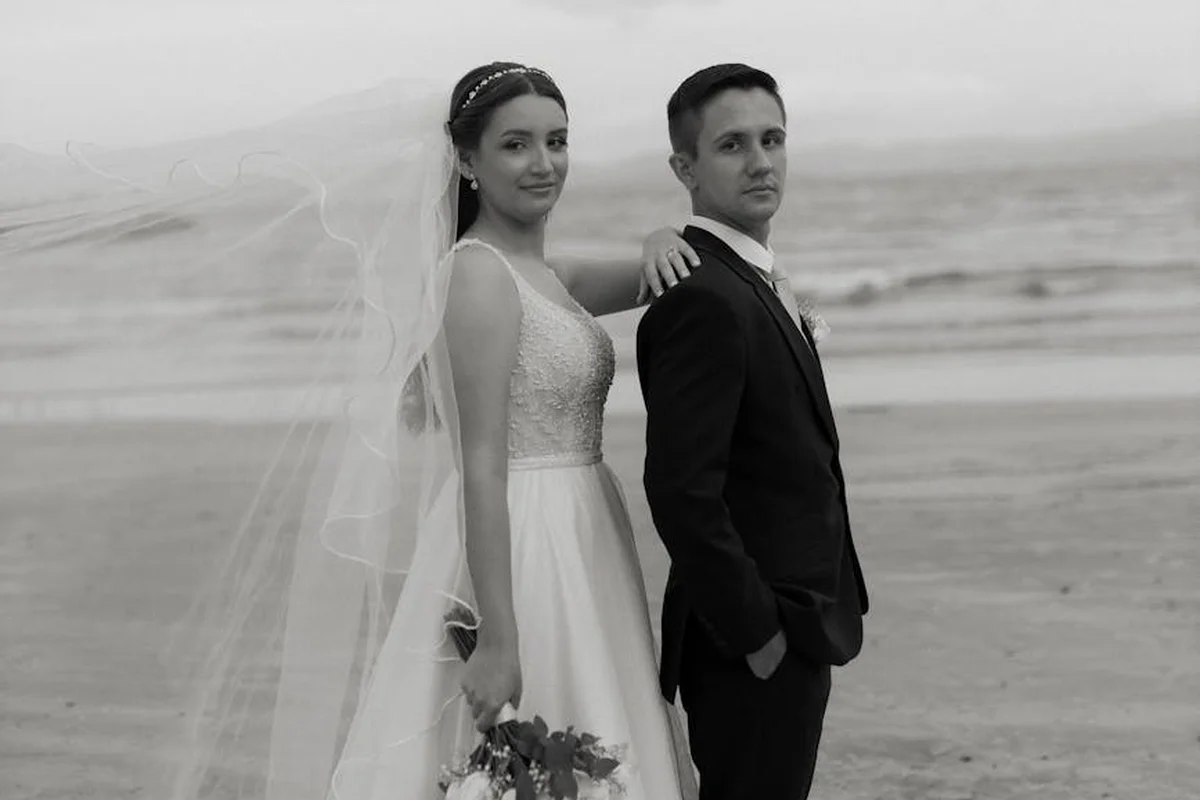
For a beach or summer wedding, a linen suit is not just acceptable; it’s often the perfect choice. Elevating it is about thoughtful details. Start with a crisp, white dress shirt, like an a.l.c. sullivan collar linen button-down top, or a high-quality cotton poplin shirt. Add a silk knit tie for texture or a patterned pocket square. Footwear shifts from casual loafers to polished leather shoes or clean, minimalist sneakers in a neutral shade. The goal is to lean into linen’s relaxed vibe while sharpening every other element of your ensemble.
Are Linen Shorts Business Casual?
They can be, but the barrier is high. It comes down to three factors: color, cut, and companion pieces. The shorts must be tailored, not baggy, hitting just above the knee. Choose a flat, neutral color like khaki, navy, or grey. Pair them with that polished linen blazer and a tucked-in polo or a lightweight knit. In many offices, a well-executed pair of linen trousers will always be the safer and more versatile business-casual choice over shorts.
The Core Care Protocol: Washing and Drying Linen Correctly
Linen care isn’t complicated, but it is precise. Getting it right preserves that beautiful texture for decades. Getting it wrong can leave you with a shrunken, misshapen garment. Let’s walk through it together.
Step 1: The Non-Negotiable Pre-Wash
If your linen is new and hasn’t been pre-shrunk by the manufacturer, you must do this yourself. For a linen suit jacket or tailored trousers, this step is absolutely critical. I’ve seen too many perfect fits ruined by skipping it.
Linen fibers, especially in their crisp, new state, have a natural “memory” of being stretched on the loom. The first wash allows them to relax into their most stable, permanent state. Always pre-wash linen fabric before cutting and sewing, and pre-wash any ready-to-wear linen item you suspect hasn’t been treated. Expect initial shrinkage of 3% to 5% on pure linen; linen-cotton blends often shrink less.
Step 2: Choosing Your Machine Settings
Your goal is clean fibers without harsh physical stress. Here is my lab-tested method for home laundry.
- Water Temperature: Cold or lukewarm water is safest. Hot water accelerates shrinkage and can cause some dyes to bleed.
- Cycle: Always select the gentle or delicate cycle. The slow agitation is key.
- Detergent: Use a mild, liquid detergent. Avoid heavy powders or detergents with optical brighteners or heavy fragrances, as they can build up on the fibers.
Harsh agitation in a regular cycle doesn’t just rough up the fibers; in blends with wool or animal fibers, it can cause felting, permanently matting and shrinking the fabric. Think of it as rubbing the scales on wool fibers together until they lock-once felted, you can’t undo it.
Step 3: The Physics of Drying Linen
How you dry linen has a greater impact on its hand and size than how you wash it. Air-drying is the gold standard for a reason.
When you hang a damp linen shirt or lay a suit jacket flat, the fibers dry under gentle tension from their own weight. They retain their natural, slightly irregular texture. In a dryer, the tumbling action pounds the wet, pliable fibers against the drum and themselves. This causes two problems: mechanical shrinkage (the fibers literally knot and tighten) and it sets wrinkles deep into the fabric’s structure. For a smooth finish, smooth the garment into shape while damp and air-dry it; for more pronounced, desirable crumples, just give it a shake and hang it up.
If you must use a dryer, use the lowest heat setting possible and remove the item while it is still slightly damp to the touch. Immediately shape it and let it finish drying flat or on a hanger. This stops the heat and tumbling from doing their worst.
A Special Note on Blended Fabrics
Blends, like a silk-linen hooded parka or a wool-linen blazer, require you to care for the most delicate fiber in the mix, especially when using silk. Silk and wool are protein fibers, more sensitive to heat and alkalinity than plant-based linen.
- Use cold water only and a detergent specifically for delicates.
- Never wring or twist the garment. Roll it in a clean towel to press out excess water.
- Always air-dry flat, away from direct sunlight which can degrade silk.
- For wool-linen, extra gentle handling prevents the felting I mentioned earlier.
Treat the blend by its most vulnerable component, and the durable linen will follow along safely.
Dry Cleaning vs. Home Laundry for Linen Suits

Choosing how to clean your linen suit isn’t just about convenience. It’s a decision that affects the fabric’s texture, longevity, and environmental impact. I treat my structured suit jackets differently from my washable linen trousers, and you should, too.
When Professional Dry Cleaning is the Right Call
Reach for the dry cleaner’s bag when your linen garment has built-in structure. This isn’t about the fiber itself, which is famously durable, but about the other materials holding it together.
- Structured Suits & Blazers: A suit with a defined shoulder and chest shape uses canvas interfacing, often hand-stitched or glued. Immersing this in water can distort or separate these layers permanently.
- Complex Constructions: Look for details like full linings, sleeve heads, or pad stitching. These are signs of tailoring that water and agitation can compromise.
- Severe Stains: For oil-based stains (grease, makeup, wine) that have set, a professional solvent clean is more effective and safer than aggressive home spotting.
For a luxury suit, a conversation with your dry cleaner is a smart investment. Ask if they use a gentle, liquid carbon dioxide or hydrocarbon process instead of traditional perc, which can be harsh on natural fibers over time.
When Home Laundry is Perfectly Adequate (and Preferred)
Most of your linen wardrobe thrives with home washing. This includes unstructured blazers, shirts, dresses, and simple trousers. Quality linen is a robust plant fiber meant to be washed; it softens and gains character with each gentle cycle.
Here’s my lab-tested method for home care:
- Use cool or lukewarm water (30°C or 86°F max). Hot water accelerates shrinkage and dye fading.
- Choose a mild, liquid detergent. Avoid powders that may not fully dissolve and optical brighteners that can alter natural hues.
- Wash on a gentle or delicate cycle with a low spin speed to minimize wrinkles and distortion.
- Remove promptly and reshape while damp. Then, air dry flat or on a wide hanger.
Home washing gives you direct control over the process, which is ideal for maintaining linen’s lived-in, comfortable feel.
Weighing the Environmental and Cost Trade-Offs
Home washing typically has a lower carbon footprint than commercial dry cleaning, which uses energy-intensive machinery and chemical solvents. It’s also far kinder to your wallet over the lifespan of a garment.
The trade-off is your time and effort. Home washing requires immediate attention to drying and ironing to prevent deep-set creases. Regular home laundering is the most sustainable choice for unlined, simple linen pieces, preserving both the fabric and the planet. Reassure yourself: a few wrinkles are part of linen’s authentic charm, not a sign of poor care.
Managing the Expected: Wrinkles, Ironing, and Stain First Aid
Let’s talk about the linen wrinkle. It’s not a sign of neglect. It’s physics. Linen fibers are rigid and have low elasticity, so they crease where you bend. Embrace this as part of the fabric’s lived-in, relaxed character instead of fighting a losing battle for permanent crispness. Style it with confidence; a slightly rumpled linen shirt or suit conveys effortless cool, not disarray. For a sharper look, a quick steam is your best friend.
Your Linen Ironing Guide
You need heat and moisture to relax those rigid fiber bonds. Linen can handle high heat, often up to the cotton/linen setting on your iron (around 230°C/445°F). Always use the steam function. For the absolute best, smoothest results, iron the garment while it is still slightly damp from washing. If it’s bone dry, mist it lightly with a spray bottle. Linen loves a careful approach to ironing temperature. Always use the cotton/linen setting to balance heat and protect the fibers.
- Set your iron to the highest heat setting with steam.
- Iron on the reverse side of the fabric when possible to prevent shine.
- For dark-colored or textured linens, always use a clean cotton pressing cloth between the iron and the fabric.
- Press firmly and use a slow, gliding motion. Don’t use a rapid back-and-forth motion as you might on polyester.
Acting Fast on Stains
Linen is highly absorbent. This is a double-edged sword. A spill will wick into the fibers quickly, but this same property makes blotting very effective if you act immediately. Your first move for almost any fresh, water-based stain (wine, coffee, food) is to gently blot-never rub-with a clean, damp cloth and a drop of mild liquid soap. Rubbing grinds the stain deeper into the yarns.
- Blot up any excess liquid with a dry, absorbent cloth.
- Dampen a clean corner of the cloth with cool water and a tiny bit of clear, mild soap (like castile or dish soap).
- Blot the stain from the outer edge inward to prevent spreading.
- Rinse the area by blotting with a cloth dampened with clean water.
- Let it air dry completely. Often, this is all you need.
A Critical Warning on Bleach
You must avoid chlorine bleach on linen. Sodium hypochlorite, the active ingredient, attacks and degrades the cellulose in flax fibers. Even diluted, chlorine bleach will dramatically weaken linen, causing it to yellow and become brittle over time, leading to premature holes and tears. For whitening or stain treatment, use an oxygen-based bleach (like sodium percarbonate) according to the product’s instructions. It’s far safer for the fiber’s long-term health.
Troubleshooting Common Linen Issues
Linen has a personality. That means it behaves in specific, sometimes quirky, ways. Don’t see these as flaws, but as characteristics to manage. Here’s how to handle the most frequent questions I get in the lab.
Problem: Excessive Stiffness
New linen, especially for structured pieces like suit jackets, can feel disappointingly crisp. This isn’t a defect. It’s the result of the long flax fibers and the crisp weave holding their shape fiercely. The best softening method is simple mechanical action: washing and wearing. Each wash gently abrades the fibers, and each wear introduces natural body heat and movement, gradually breaking in the fabric. Think of it like a new baseball glove that needs to be worked in. Avoid heavy doses of liquid fabric softener; they coat the fibers with a waxy film that can reduce linen’s prized breathability and, over many washes, lead to a dull, greasy feel.
Problem: Color Fading
Linen, like other natural fibers such as cotton, has good but not perfect dye retention. The plant-based fibers accept dye beautifully, but the bonds aren’t as permanent as those on a synthetic like polyester. Your primary defense against fading is a cool, gentle wash cycle and drying away from direct sunlight. Always turn garments inside out before washing. This protects the outer surface from friction. Use a mild detergent in cold or lukewarm water. When drying, choose shade or an indoor rack. Direct UV radiation is a powerful bleaching agent and will accelerate fading faster than anything else, especially for cotton and linen fabrics.
Problem: Persistent Odors
This is a rare one, as linen is naturally resistant to bacteria and odors due to its hollow fiber structure. If a smell lingers after a normal wash, it’s often trapped in oil or residue. A white vinegar rinse or baking soda soak will usually neutralize stubborn odors without harsh chemicals. For a rinse, add 1/2 cup of white vinegar to the fabric softener dispenser during the final rinse cycle. For a soak, dissolve 1/2 cup of baking soda in a basin of cool water, submerge the item for an hour, then wash as usual. If odors persist, reassess your washing routine; you may need a hotter wash or a specialized detergent to break down oils.
Problem: Shrinkage After the First Wash
This is almost guaranteed and completely normal. Linen can shrink between 3% to 5% on its first wash, as the tension from weaving relaxes. You can counteract a good portion of this shrinkage by gently reshaping the garment while it’s still damp. Never tumble dry linen if you’re worried about fit. Instead, lay it flat or hang it. While damp, use your hands to gently pull and smooth the fabric back to its original dimensions. Focus on the length of sleeves, the torso, and the inseam. The fibers are malleable when wet and will “set” in this slightly stretched state as they air dry.
Storing Linen for Longevity and Freshness
Getting your linen garment through the wash is one thing. Keeping it fresh and ready for the next season is another. Proper storage is where your care pays off, preventing damage you can’t fix later.
Always start with linen that is impeccably clean and bone-dry. Linen’s high absorbency is a blessing for wearability but a curse in storage. Any residual moisture, oils, or sugars from food spills can lead to stubborn mildew stains or attract pests. I let my linen items air-dry for an extra few hours, even after the dryer, to be absolutely sure. Pay special attention to seams and hems, which trap moisture longest.
Fold vs. Hang: The Weight Decision
Not all linen items should be treated the same. The rule here is simple: consider the weight and structure.
- Fold heavy items like blazers, suits, and structured dresses. The constant pull of gravity on a hanger will distort the shoulder shape over time, creating permanent, unseemly bumps. Fold them along their natural seams.
- Lightweight shirts, trousers, and skirts can be hung. Use wide, padded hangers for shirts to maintain the shoulder line without creating sharp points. For trousers, clip hangers at the hem or cuff, never at the waistband, which can stretch.
I prefer folding most linen. It helps maintain those soft, lived-in wrinkles that are part of linen’s charm, rather than creating sharp creases from a hanger.
The Right Environment: Breathability is Key
Your linen wants to breathe, even in the closet. Never use plastic garment bags or storage bins for long-term storage; they trap humidity and promote mildew. Instead, opt for breathable cotton storage bags or simply place folded items on a clean, dry shelf.
Ensure your storage area is cool, dark, and has decent air circulation. A damp basement or a hot attic are the worst places for your natural fibers.
Protecting Against Pests
Pure linen is not a primary target for clothes moths, but blended fabrics are. A wool-linen blend, for instance, is a moth delicacy.
For seasonal storage of any blend containing animal fibers, a breathable cedar block is a safe, chemical-free deterrent. The scent repels moths. Remember, cedar needs to be lightly sanded once a year to renew its aromatic oils. For pure linen, this step is optional but can add a fresh, natural scent to your storage.
A final tip: if linen has been stored a long time, it can develop a starchy stiffness. A quick steam or a short tumble with a damp dryer sheet will bring back its soft drape beautifully.
Your Linen Suit’s Long-Term Care
The most important rule with linen is to wash it less often. Your linen becomes softer, more personal, and develops a beautiful patina the more you wear it between gentle washes, allowing its natural structure to relax into your shape. Let fresh air and spot cleaning refresh your garment, reserving the machine for true soiling.
Caring for your textiles thoughtfully is a direct form of environmental stewardship, reducing water, energy, and chemical use. Applying this fabric science-whether for linen, cotton, or delicate wool-extends the life of every piece you own, transforming your wardrobe through knowledgeable care instead of constant replacement.
Deep Dive: Further Reading
- How to care for a linen suit
- How to Care for Your Linen Suit – Tweedmaker
- How to Care for a Linen Suit
- How to Care For a Linen Suit? | President Tailors
- Aftercare Linen – How to clean and care for linen suits – Senszio
Florian Ventura
Florian is a high fashion blog writer, fashion and fabric expert and a keen expert in fabric, clothing and materials. She has worked in large textile and fashion houses for over 10+ years, engineering and working with various fabric types and blends. She is an expert when it comes to questions on any and all kinds of fabrics like linen, cotton, silk, jute and many more. She has also traveled around the world studying traditional fabrics and aims to bring them into the modern fashion use.