
How to Work with Linen Fabric for Sewing, Crochet, and Crafts?
You love the look and feel of linen but worry it’s too fussy for your projects. I work with it every week, and I can tell you its reputation for being difficult is overblown.
This guide breaks it down into practical steps, covering linen’s unique fiber properties and how they affect your work, managing its inevitable shrinkage, the right ways to wash and care for it, tips for successful dyeing, and specific techniques for sewing, crocheting, and general crafting.
Executive Summary: Linen at a Glance for Makers
Linen is a natural fiber spun from the stalks of the flax plant. I always reach for it when I need a fabric that breathes deeply and holds its shape for years.
Linen gets better with age, softening with each wash while staying strong enough for daily use.
Its key advantages for sewists and crafters are clear:
- It becomes softer with every wash, developing a beautiful, lived-in hand.
- Its moisture-wicking action pulls sweat away from your skin, making it feel cool.
- It is remarkably durable, often two to three times stronger than cotton.
- It is fully biodegradable, breaking down naturally at the end of its long life.
You should also know its character traits:
- It wrinkles easily, embracing a relaxed, textured look.
- It can shrink on the first wash, typically between 3% and 5%, if it hasn’t been pre-shrunk.
- New linen often feels crisp and a bit stiff, a quality that mellows quickly.
For your projects, linen is a top choice for structured garments like jackets, home textiles such as napkins and tea towels, breathable bread bags, and airy crocheted summer wear.
What Makes Linen Behave That Way? The Science of Flax Fibers
To work well with linen, you need to know what’s happening inside the fiber. Flax fibers, which are derived from flax plants, are hollow and have a polygonal shape when you look at them up close.
That hollow core acts like a network of tiny straws, pulling moisture along its length and venting heat, which is why linen feels so cool and dries so fast.
Let’s compare it to cotton. Picture cotton fibers as soft, springy sponges that can stretch and bounce back. Linen fibers are like rigid, hollow drinking straws. They have tremendous tensile strength but almost no natural stretch. When you bend a straw, it creases and doesn’t spring back. That’s linen’s wrinkle story.
This inherent stiffness is what gives linen its crisp, architectural drape. It doesn’t cling to the body, it falls in clean, definite folds.
Every practical tip for crafting with linen comes from understanding this straw-like structure.
Why does it fray so much? Those long, smooth fibers can slip past each other in the weave. You must finish your seams with a serger, a zigzag stitch, or a French seam to lock them in.
How does it take dye? The hollow fibers are thirsty. They absorb dye baths beautifully, especially fiber-reactive dyes for cellulose fibers. For vibrant, lasting color, I use a dye bath with soda ash to make it alkaline and maintain a heat around 140°F (60°C) to help the dye penetrate.
What about shrinkage? When wet, those rigid fibers can contract and settle into a tighter formation. To manage this, always pre-wash your linen fabric in cool or warm water and let it air dry before you cut your pattern pieces. This simple step pre-shrinks the fabric and starts the softening process.
Your Pre-Craft Checklist: Washing, Shrinking, and Cutting Linen
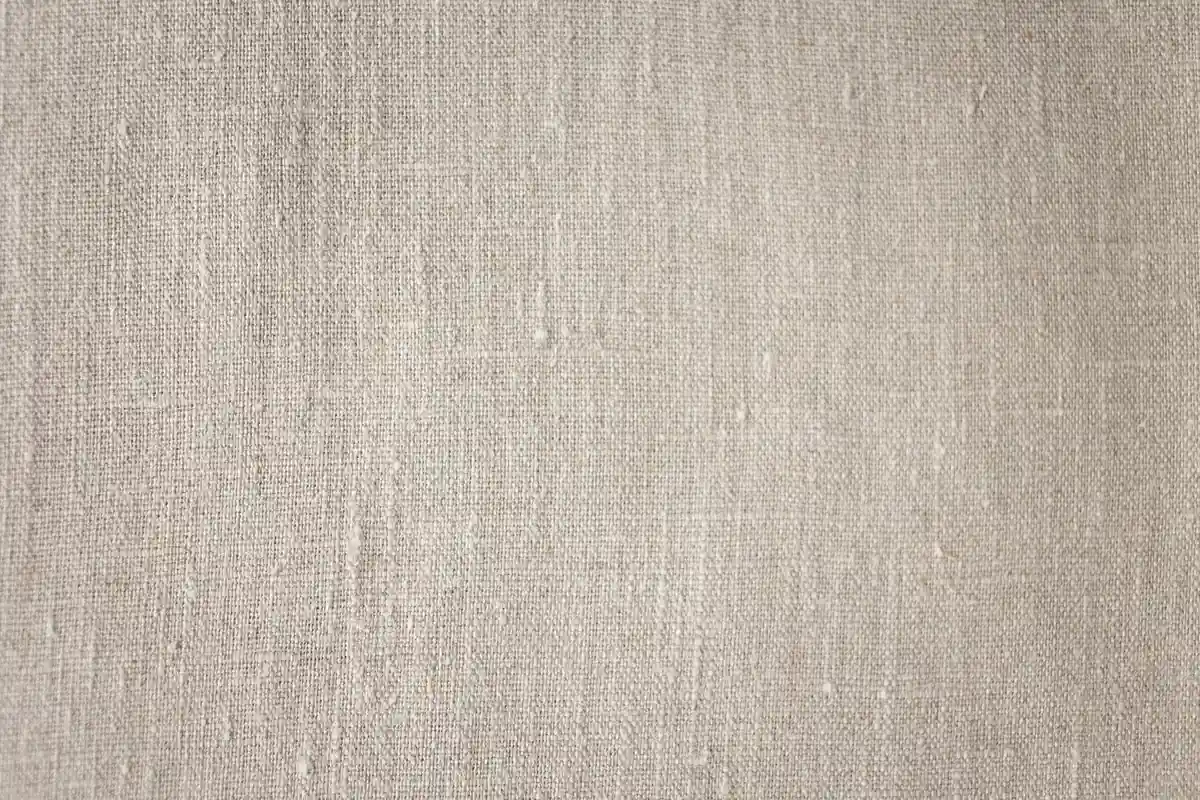
Think of linen as a living fiber that needs to settle before you work with it. Skipping this step is the single biggest reason linen garments or quilts end up a size too small after their first wash. Pre-washing your linen is non-negotiable; it removes factory finishes and allows the fibers to undergo their natural relaxation shrinkage on your terms, not after your project is finished.
Step-by-Step: Pre-Washing & Shrinking Linen
Linen’s shrinkage comes from the fibers relaxing into a more stable state. I treat all linen, even if labeled “pre-shrunk,” as if it will shrink. Expect anywhere from 3% to 10% shrinkage, especially on the first wash. Knowing the causes helps you apply the right prevention fixes. In the next steps, we’ll cover common linen shrink causes and the fixes that prevent it.
- Check for Colorfastness First: Follow the test below before this wash if your linen is dyed or printed.
- Machine Wash (My Preferred Method): Use a gentle or permanent press cycle with cool or warm water (up to 40°C/104°F). Hot water can set wrinkles deeply and cause excessive shrinkage.
- Choose a Mild Detergent: Avoid heavy enzymatic or optical brightener detergents for this initial wash.
- Dry to Completion: Tumble dry on a medium heat setting until completely dry. This applies the heat and agitation needed for full shrinkage. If you air-dry now, residual shrinkage may still occur later with machine drying.
- Alternative: Hand Washing: For very delicate weaves or hand-dyed pieces, soak in lukewarm water with mild detergent for 20 minutes. Gently agitate, rinse thoroughly, and then tumble dry on low heat to shrink.
The goal is to mimic the care the finished item will receive. If you plan to always air-dry your final piece, you could air-dry after this pre-wash, but know that any future accidental machine dry could still shrink it further.
How to Test Linen for Colorfastness
This simple test saves heartache. It tells you if the dye is stable or if it will bleed onto other fabrics or your hands during wet-handling like sewing.
- Cut a small, inconspicuous swatch from your fabric, about 2 inches square.
- Place it in a glass bowl of lukewarm water with a drop of your usual mild detergent.
- Let it soak for 15-30 minutes, occasionally pressing it with a white cotton cloth or paper towel.
- Check the water and the white cloth for any dye transfer.
If you see color in the water or on the cloth, the linen is not colorfast and requires special care: wash it alone in cool water and expect some fading over time. For crafting, this means you should wash all your pre-cut pieces together, separately from anything else.
Cutting Linen: Sharp Tools and Straight Lines
Linen fibers are strong but can be pushed around by a dull blade, leading to jagged edges and misaligned patterns.
- Use Sharp Fabric Shears or a Rotary Cutter: A clean cut severs the fibers crisply, which minimizes fraying right from the start.
- Identify and Follow the Grain: The lengthwise grain (parallel to the selvage) has the least stretch. The crosswise grain (perpendicular) has a little more give. The true bias (at a 45-degree angle) has significant stretch. Always lay your pattern pieces along the grain the designer indicates, as cutting off-grain can make a garment twist or hang unevenly after washing.
- Handle Fraying Edges: Linen wants to fray. After cutting, I run a line of pinking shears along the seam allowance edges or apply a thin line of water-soluble fabric glue or fray-check solution. For large pieces, a quick zigzag stitch on the sewing machine works perfectly.
Pressing for Perfect Accuracy
Never cut wrinkled linen. Those folds and creases create distortion, guaranteeing your pieces won’t be the right shape or size.
After pre-washing and drying, press your linen thoroughly with a steam iron on a cotton/linen setting. The heat and moisture relax the fibers completely. I press until the fabric is bone-dry and smooth. This gives you a stable, accurate “canvas” for cutting, ensuring every pattern piece is true to its intended dimensions. If your linen feels overly soft or limp after pre-washing, a light spray of starch during pressing can add temporary body that makes cutting and handling easier.
Sewing with Linen: Machine Settings, Needles, and Seam Finishes
Linen’s crisp hand and slight texture are a joy to sew, but its lack of stretch and tendency to fray require a specific setup. I always start by changing my machine needle. A fresh, sharp needle makes all the difference.
Use a new universal (SH) or sharp (HM) needle in a size 70/10 or 80/12 to pierce the fibers cleanly without causing pulls or skips. Ballpoint needles, meant for knits, will struggle and can damage both your fabric and your thread. For your stitch, a longer length helps. Set your machine to a straight stitch length of 2.5mm to 3mm. This gives each stitch more room to settle into the fabric, preventing that puckered, drawn-up seam line that happens with stitches that are too short and tight.
Choosing Your Seam Finish
Linen will fray. It’s a fact of its sturdy, long fiber structure. Your finish choice depends on the garment’s visibility and your patience level. Consider a quick comparison of linen fray vs rayon prevention to guide your finish choice. That topic will be explored further in the next step.
- French Seams: This is my go-to for unlined blouses or dresses. They fully encase the raw edges inside a neat, self-finished tunnel. It looks professional and feels smooth against the skin. They do add a bit of bulk, so test on a scrap first.
- Serging (Overlocking): This is the fastest method. A serger trims the edge and wraps it with thread in one pass. It’s excellent for everyday garments and projects where the interior won’t be seen. Use a 3-thread overlook for a lighter finish.
- Simple Zig-Zag: If you don’t have a serger, a medium-width zig-zag stitch worked along the raw edge is very effective at controlling fraying. Just sew it close to the edge after constructing your seam.
Always finish your seams as soon as you cut or after your first construction stitch; don’t let the fraying get ahead of you.
Navigating Curves and Corners
Sewing a curved neckline or a sharp collar point with a fabric that has no give can be intimidating. The key is in the clipping. After sewing your curve, you must release the tension in the seam allowance. Take your sharp fabric scissors and make small, careful snips into the allowance, right up to (but not through) the stitching line. For an inward curve (like an armhole), you’ll clip little triangles out. For an outward curve, you make a series of straight snips. For a sharp corner, snip right into the point. This allows the flat fabric to spread or contract smoothly when you turn it right side out.
Hand-Sewing for Precision and Repair
Machine sewing is for construction, but hand-sewing is for finesse. To hand-stitch linen, I reach for a finer, sharper needle like a “sharps” or “between” in size 7 or 8. Pair it with a strong, smooth thread like a good quality cotton or polyester. This combination will glide through the dense weave without leaving large holes. For repairing a torn seam or adding a blind hem, use a small backstitch for strength. For securing a facing or finishing a hem by hand, a slip stitch or whip stitch is nearly invisible. Hand-sewing gives you the control to make delicate, durable finishes that machines often can’t replicate.
Crocheting with Linen Yarn: Binding Off, Gauge, and Texture
Switching from wool to linen yarn feels like trading a bouncy trampoline for a firm, supportive floor. Linen fibers, made from the flax plant, have a crystalline polymer structure that offers incredible strength but very little inherent stretch or memory. Wool protein fibers are coiled springs; linen cellulose fibers are like rigid rods. This fundamental difference changes everything about your crochet process.
Because linen lacks bounce, your gauge and tension will be different, often producing a looser, more fluid fabric than you might expect from the same hook size with wool. I always advise crocheters to make a large, washed swatch-at least a 6-inch square. Work your pattern, then wash and dry it as you plan to care for the finished item. This tells you the true final gauge and drape, not just the initial one.
Mastering the Linen Stitch and a Neat Finish
The ‘linen stitch’ (also called the moss or granite stitch) in crochet is a simple, rhythmic single crochet and chain pattern. Its beauty is in the dense, woven-like texture it creates, which is perfect for showcasing linen’s crisp character. It lies flat and has minimal stretch, making it ideal for bags and homewares.
Binding off the linen stitch neatly is critical, as a tight edge can ripple. Here is my tested method:
- Complete your final row of the linen stitch pattern.
- Switch to a hook one size larger for the bind-off row only. This gives the edge extra ease.
- Work a row of single crochet stitches across. Keep your tension relaxed and even-do not pull tight.
- Finish with a basic slip stitch bind-off. Fasten off and weave in your ends.
This larger-hook technique prevents the edge from cinching in and allows the fabric to lay perfectly flat.
What to Make with Linen Yarn
Play to linen’s strengths. Its high tensile strength and improved wet strength make it unparalleled for items that get heavy use. Its natural ability to wick moisture and soften over time guides other perfect projects.
- Market Bags & Totes: Linen gets stronger when wet, so these bags won’t stretch out of shape or fail under the weight of groceries.
- Dishcloths & Washcloths: Highly absorbent, quick-drying, and naturally antibacterial. They become wonderfully soft with each wash.
- Lightweight Garments: Think summer tops, light cardigans, and airy shawls where beautiful drape is key. Linen fabric flows and moves with the body, resisting cling.
Choose simple, structured designs or open, lacy patterns; linen’s inelasticity makes complex, fitted garments a challenge for beginners.
The Magic of Softening
New linen yarn can feel stiff, even harsh. Do not let this discourage you. Crocheted linen items soften dramatically with washing and use, developing a beautiful, lived-in suppleness that wool never achieves. This happens through mechanical action-the fibers flex and bend, breaking down the rigid pectin that binds them. Wash your finished piece in lukewarm water with a gentle detergent. Tumble dry on low or lay flat. With each cycle, it becomes softer, more breathable, and more comfortable against the skin. This transformation is the true reward of working with linen.
Linen Crafting Projects: From Bread Bags to Cross Stitch
Let’s put that fiber science to work. Linen’s unique properties make it a superstar for specific, satisfying projects.
Why Linen Makes the Best Bread Bag
I get this question all the time. A linen bread bag isn’t just a cute container; it’s a functional tool that uses the fiber’s core science. Linen is a master at wicking moisture away from the bread’s crust and releasing it into the air, creating a perfectly breathable micro-environment.
Think of a sponge (cotton) that holds water next to the bread versus a technical fabric (linen) that moves moisture out. This breathability prevents the trapped steam that makes crusts soggy in plastic bags, while still slowing the staling process better than leaving bread exposed on a counter. Yes, a good linen bag genuinely helps keep crusty bread fresher for longer.
When sewing your own:
- Always pre-wash and iron your linen first to account for its initial shrinkage (typically 3-5%).
- Use a tight weave for the main body. A loose, slubbed linen won’t work as well.
- Consider a double layer for extra durability.
Cross Stitching on Linen Evenweave: A Guide
Switching from Aida cloth to linen can feel intimidating, but the beautiful, professional finish is worth it. The key is understanding the grid. On linen “evenweave,” you stitch over two threads, not one.
Find the center by gently folding your fabric in half vertically and horizontally-the intersection is your start point. Don’t rely on the fabric’s cut edges, as they may not be perfectly straight.
Because the fabric is more open and can be slightly uneven, I always use an embroidery hoop to maintain even tension. Use a tapestry needle with a blunt tip (size 24 or 26 is good for 28-count linen) to slide between the threads without snagging them. Your stitches will naturally find their place. The slight irregularities are part of linen’s charm and give your work a beautiful, organic texture.
More Simple & Rewarding Linen Crafts
Linen’s strength and texture make it ideal for quick, useful projects.
- Simple Drawstring Bags: Perfect for gift bags, produce bags, or project storage. Linen’s durability handles weight well, and it doesn’t produce the static cling that plastic or polyester does.
- Quilted Pot Holders: Here, linen’s natural heat resistance shines. Use it as the outer layer over two layers of cotton batting. It will handle hot dishes beautifully and develop a lovely, lived-in look.
- Embroidered Napkins: A classic. The crisp, slightly textured surface of linen stabilizes embroidery stitches beautifully. A simple running stitch or cross-stitch monogram elevates everyday meals. Pre-wash to soften the fabric and prevent future shrinkage after your stitches are in place.
Pro-Tip: Start with a Linen Blend
If you love the look of linen but find pure flax a bit too stiff or prone to creasing for your project, seek out a blend. A 55% linen/45% cotton or viscose blend gives you the aesthetic and breathability of linen with improved drape and easier handling.
The cotton or viscose fibers help fill the weave, reducing fraying and making the fabric more forgiving for sewing garments or structured items like tote bags. It often wrinkles a touch less and softens faster with washing. I frequently recommend these blends for beginner sewists who want to work with natural fibers without the full commitment of 100% linen’s character. Cotton blends hold their shape and soften with washing, offering lasting quality. They strike a balance of comfort and durability for a wide range of projects.
Care & Handling Protocol: Washing, Drying, and Ironing Linen
Linen’s care is straightforward, but treating it right from the start builds its character and longevity. I approach cleaning linen like a science experiment: gentle, controlled, and observant.
Washing Finished Items: A Step-by-Step Guide
Follow this sequence every time you wash a new or finished linen piece. Consistency prevents surprises.
- Check for colorfastness. Dampen a hidden seam allowance with water and press a white cloth against it for 30 seconds. If color transfers, plan for a cold, separate wash.
- Use a mild, neutral pH detergent. Harsh detergents or optical brighteners can weaken flax fibers over time and dull natural dyes. I prefer liquid detergents labeled for delicates or wool.
- Machine wash on a gentle cycle with cool or lukewarm water. Keep the temperature below 40°C (104°F). Hot water is the primary driver of shrinkage and can set protein-based stains. The gentle cycle minimizes the abrasion that can cause pilling.
For the first few washes, expect 3-5% shrinkage, as the fibers relax into their final state. This is normal and why I always pre-wash my linen yardage before cutting a pattern.
The Physics of Drying Linen
How you dry linen controls its final hand and shape. Think of wet flax fibers like a bundle of microscopic hollow tubes.
Air drying flat is the gold standard. It allows the fibers to contract evenly without tension, preserving the garment’s original shape and fiber integrity. Hanging a heavy, wet linen item can stretch the shoulders or neckline permanently.
Tumble drying on low heat is a tool for softening. The tumbling action gently abrades the fibers, breaking down some of the rigid pectin that gives new linen its crispness. This method will often result in slightly more shrinkage than air drying, so account for it in your project planning. I only tumble dry items where a softer, lived-in feel is the immediate goal.
Ironing for Your Desired Finish
Linen’s wrinkles are part of its charm, but a crisp finish is beautiful too. The secret is moisture and heat.
Iron linen while it is still slightly damp. Use the highest heat setting your iron allows (usually the “Linen” or “Cotton” setting). Steam is your friend. For a razor-sharp crease or a perfectly smooth surface, I sometimes use a pressing cloth with a bit of spray starch.
Alternatively, embrace the wrinkles. Simply smooth the item with your hands after drying and wear it. The body heat and movement of wearing it will relax the worst of the creases into a soft, textured look.
Addressing Stains and Spots
Flax fiber is resilient but can be damaged by harsh chemicals. Always act quickly.
Blot, never rub, to lift liquid stains. Rubbing can push the stain deeper into the fiber’s core. For most food or drink spills, a immediate rinse under cool running water followed by a normal wash is sufficient.
Avoid chlorine bleach. It will severely weaken linen and can cause yellowing. For whitening or treating organic stains, use an oxygen-based bleach (like sodium percarbonate) dissolved in warm water as a pre-soak. Bleach linen fabric safely.
For oil-based stains, applying a small amount of cornstarch or talc to absorb the oil before brushing it off and washing can be very effective. Test any spot treatment on a hidden area first, especially on dyed linen.
Textile Expert’s Note: Pro-Tips for Mastering Linen
Softening for Drape: The Wash-and-Wear Method
New linen fabric has a crisp, almost stiff hand. That’s the natural pectin and lignin in the flax fibers. To achieve that beautiful, fluid drape everyone loves, you need to soften those fibers after you finish your project. I always tell my students to wash and dry the completed item multiple times. This isn’t a flaw; it’s the breaking-in process.
Use a cool or lukewarm water wash on a gentle cycle with a mild detergent. Hot water can cause excessive shrinkage, typically between 3% to 5% on the first wash. Tumble dry on a low heat setting or air dry flat. Repeating this cycle three to five times encourages the fibers to relax and bloom, creating a naturally soft, supple drape without chemical softeners. Think of it like breaking in a perfect pair of jeans; the more you wear and wash them, the better they feel.
Wrinkles Are Part of the Charm
Linen will wrinkle. It’s a fundamental characteristic of the fiber’s structure, not a defect. Fighting it with constant hot ironing is exhausting and can degrade the fibers over time. I manage wrinkles with a simpler, gentler approach.
For day-to-day wear, a light spritz of water is often all you need. Fill a clean spray bottle with water and mist the fabric from a distance. As the linen absorbs the moisture, the hydrogen bonds in the cellulose fibers relax, releasing the creases. Hang the item to air dry. For deeper wrinkles, hanging the garment in a bathroom while you shower provides a gentle steam. Embracing this low-effort method preserves the fabric’s strength and accepts linen’s authentic, lived-in texture.
Smart Storage for Longevity
How you store your handmade linen items directly impacts their lifespan. The key is to prevent mildew, which thrives on organic fibers in damp, stagnant conditions. Always clean items thoroughly before storing. Body oils and invisible stains can attract pests and lead to permanent discoloration.
Fold your linen pieces and place them in a cool, dry cupboard or drawer. I recommend using breathable cotton bags or wrapping them in acid-free tissue paper. Avoid sealing linen in plastic bags or containers, as trapped moisture cannot escape and will promote mold growth. This simple habit ensures your crafts remain fresh and ready for years of use.
Celebrate the Natural Character
If your linen has slubs (those small, soft knots in the yarn) or variations in color from natural dyeing, see them as badges of honor. In my lab, we view these “imperfections” as reliable indicators of true, high-quality linen. They signal minimal processing and the inherent strength of the flax plant.
This character translates directly to durability. Linen fibers are among the strongest natural fibers, becoming softer and more luminous with age. Your handmade linen piece is not meant to look factory-perfect; its unique texture and evolving patina are signs of its natural quality and enduring beauty. Trust that it will outlast many other fabrics in your wardrobe.
Final Textile Notes for Your Linen Project
Treat your linen with a thorough pre-wash and press before you ever cut into it. This single step resolves most issues with shrinkage and relaxes the fabric’s natural texture, giving you a stable, predictable material to work with.
The most responsible craft is an informed one. I encourage you to take what you’ve learned here about linen’s structure and apply that curiosity to other fibers, building your own hands-on knowledge of how cotton wrinkles, wool felts, or synthetic blends behave. Your growing expertise in fabric science is the best tool you have for creating beautiful, long-lasting work and reducing waste.
References & External Links
- How To Crochet: Linen Stitch
- How to Crochet the Linen Stitch – Crochet 365 Knit Too
- Linen Stitch Crochet Tutorial – JSPCREATE
- Master Crocheting the Linen Stitch (AKA Moss Stitch) – Amelia Makes
- Double Crochet Moss Stitch / Linen Stitch – an easy tutorial | HanJan Crochet
Written by Florian Ventura. Florian is a high fashion blog writer, fashion and fabric expert and a keen expert in fabric, clothing and materials. She has worked in large textile and fashion houses for over 10+ years, engineering and working with various fabric types and blends. She is an expert when it comes to questions on any and all kinds of fabrics like linen, cotton, silk, jute and many more. She has also traveled around the world studying traditional fabrics and aims to bring them into the modern fashion use.