What Is Poplin Fabric? A Guide to Types, Composition, and Uses
Not sure what “poplin” means on a shirt tag or if it’s right for your sewing project? I work with this crisp fabric daily and can tell you exactly how it performs.
Let’s get into the details from my bench tests and experience. We will cover the different types of poplin, what it’s really made from, and its most practical uses for garments and home sewing.
Your Poplin Primer: A Quick-Reference Executive Summary
Poplin is defined by its signature weave: a tight, plain weave built with fine warp threads and thicker crosswise (weft) threads. This creates fine crosswise ribs you can see and feel. The result is a crisp, smooth, and slightly sturdy hand.
This structure gives poplin its core set of properties. It has low stretch and good durability for its weight. Poplin is inherently lightweight and breathable, though that breathability depends entirely on the fiber used. It holds a sharp crease beautifully and has a subtle sheen on its smooth surface.
The primary rule for understanding poplin is this: its behavior is 90% dictated by its fiber content. How it shrinks, how you wash it, whether it wrinkles-all of this comes from whether it’s made from cotton, polyester, silk, or a blend. The weave just gives it the crisp body.
For a quick list of uses, think of applications where a clean, sharp, and lightweight fabric is needed. You’ll find poplin in dress shirts, blouses, lightweight summer suits, dresses, uniforms, and home decor items like curtains and pillow covers.
What is Poplin? It’s All About the Ribbed Weave
Let’s look closer at that weave structure. In a poplin loom, fine yarns run lengthwise (the warp). A thicker yarn is then woven over and under these warp yarns across the fabric (the weft or filling yarn). Because the weft yarn is fatter, it creates a slight, corded texture across the width of the cloth.
Run your finger over poplin. You’ll feel a crisp, smooth surface with a faint ridged line. This is its “hand” or feel-clean-looking with a subtle, tactile rhythm. You can often see these fine horizontal ribs if you hold the fabric at an angle to the light.
This is the most important point to remember: poplin is a *weave*, not a fiber. This is why you find it made from so many materials. Cotton poplin is classic for shirts. Silk poplin has a beautiful drape. Polyester poplin resists wrinkles. They share the same ribbed construction, but their care could not be more different. When you compare the poplin vs broadcloth weave, the difference is the giveaway. That difference affects feel, weight, and how it drapes on the body.
How does poplin differ from other common weaves? Unlike a twill weave (like denim), poplin has no diagonal line. Unlike a satin weave, poplin has no ultra-smooth, glossy surface where yarns float. Poplin sits in its own space-structured and crisp, but simple and flat. This ties into a broader look at fabric weaves and the materials involved, showing how fibers and weave structures affect texture and performance. Further comparisons of weave types and materials follow.
Fiber Content: The Real Boss of Poplin’s Behavior
Since the weave is constant, choosing your poplin is really about choosing the fiber. Here’s what to expect from the main types. Understanding cotton fabric varieties and their characteristics helps you pick the right poplin, based on feel and durability. Each variety brings its own texture, weight, and drape.
Cotton Poplin is the benchmark. It’s breathable, absorbent, and has a natural matte finish. It will wrinkle and can shrink. I typically see 2-5% shrinkage in length on the first hot wash. I always pre-wash cotton poplin in warm water before sewing. For dyeing, fiber-reactive dyes work perfectly.
Polyester Poplin is all about easy care. It resists wrinkles and shrinking, and it dries fast. The downside is it can feel less breathable. It holds dye very well, but you must use disperse dyes and high heat to set the color permanently. A common issue is puckering seams if your sewing machine tension is too high.
Silk Poplin is a luxury. It has a gorgeous, luminous sheen and a fluid drape while still feeling crisp. It requires gentle, hand-wash care. When discussing silk, I advocate for peace silk or tussah silk, which allow the silkworm to complete its life cycle, as a more animal-conscious choice. For dyeing, acid dyes are your friend.
Blended Poplin (like 65% polyester, 35% cotton) aims for the best of both worlds. You get some wrinkle resistance from the polyester and better breathability from the cotton. Care instructions follow the dominant fiber. A 60/40 poly-cotton blend can usually handle machine washing.
Practical Care and Troubleshooting by Fiber
Your care routine must follow the fiber, not just the “poplin” label. Here’s a breakdown.
Washing and Shrinkage:
- For Cotton: Machine wash warm or cold. Tumble dry low if you must, but line drying prevents most shrinkage. Expect that initial 2-5% shrink.
- For Polyester: Machine wash cool. Use a low-heat dryer or air dry. Shrinkage is minimal, but high heat can melt or damage the fibers.
- For Silk: Hand wash in cool water with a mild detergent. Never wring. Lay flat to dry. Avoid direct sunlight.
Dyeing Notes:
- Test for fiber content first. Burn a small snippet. Cotton smells like burning paper and leaves a soft ash. Polyester melts, beads, and smells chemical. Silk smells like burning hair.
- Use the correct dye type: Fiber-reactive for cotton, Disperse for polyester, Acid for silk.
- Always pre-wash fabric to remove finishes that block dye.
Common Problems & Fixes:
- Puckering Seams: Often seen in synthetic poplins. Use a fresh, sharp needle (a Microtex needle is best), slightly longer stitch length, and correct thread tension.
- Dye Bleed: Most common with cheaper cotton poplin. Before washing a new garment, soak it for 30 minutes in cool water with a cup of white vinegar to help set the dye.
- Loss of Crispness: Over time, cotton poplin can get soft. A light spray of starch during ironing restores that sharp hand.
| Fiber Type | Breathability | Shrinkage Rate | Heat Tolerance (Ironing) | Stretch Factor | Best For |
|---|---|---|---|---|---|
| 100% Cotton Poplin | Excellent. Feels cool and dry. | 3-5% on first warm machine wash. | High. Use a cotton setting (400°F+). | Minimal. Less than 3%. | Summer shirts, dresses, quilting, and structured casual wear. |
| Poly-Cotton Poplin (65/35) | Good. Better than polyester alone. | 1-2% with proper wash care. | Medium. Use a synthetic setting (300-350°F). | Minimal. Less than 3%. | Work uniforms, easy-care shirts, and everyday projects needing durability. |
| 100% Polyester Poplin | Low. Can feel clammy in heat. | Negligible if washed in cool water. | Low. Use low heat (300°F max) to avoid melting. | Minimal. Less than 3%. | Banners, tablecloths, performance outer shells, and items needing maximum wrinkle resistance. |
| Silk Poplin | Very Good. Naturally temperature-regulating. | 2-4% if agitated or washed warm. | Low-Medium. Use silk setting (max 300°F) with a pressing cloth. | Slight give along the bias. | Luxury blouses, lingerie, lightweight suiting, and special occasion wear. |
The Main Poplin Fabric Types: From Cotton to Blends
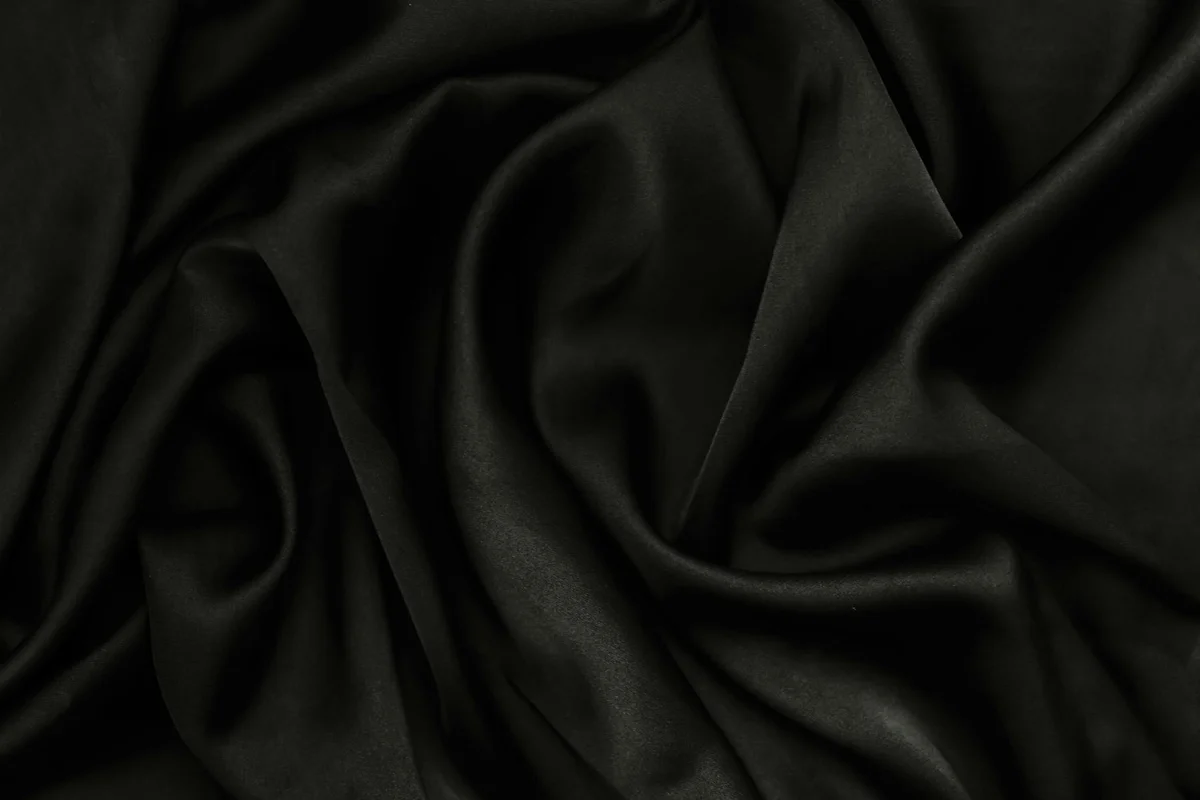
Let’s get specific. When you see “100% cotton poplin fabric,” it means the fabric is woven entirely from cotton yarns using the tight, plain poplin weave. “Poly cotton fabric” is a blend, usually with more polyester than cotton, like a 65% polyester / 35% cotton mix, woven the same way. The fiber content changes everything about how the fabric behaves, feels, and lasts.
Cotton Poplin: The Classic Breathable Choice
This is the benchmark. Cotton poplin has a crisp, matte finish and a smooth, substantial hand. It’s supremely breathable because cotton fibers absorb moisture and let air pass through easily. That’s why a cotton poplin shirt feels so good on a hot day-it pulls sweat away from your skin and lets it evaporate.
The main trade-off for that natural comfort is that cotton poplin wrinkles easily and will shrink on its first wash if not pre-treated. You can manage both with proper care, which we’ll cover later, but always pre-wash cotton poplin for sewing projects.
Polyester Poplin & Poly-Cotton Blends: The Easy-Care Workhorse
Poly-cotton blends are made by spinning polyester and cotton fibers together into a single yarn before weaving. The polyester brings strength and wrinkle resistance, while the cotton adds a bit of softness and breathability. It’s the most common fabric for work shirts and school uniforms because it holds its shape through the wash.
The feel is smoother and sometimes slightly slicker than pure cotton. Breathability drops because polyester doesn’t absorb moisture. For dyeing, remember this key fact: polyester requires disperse dyes and high heat, while cotton uses fiber-reactive or direct dyes. Dyeing a blend often results in a heather or two-tone effect unless you use a complex dual-dye process.
Silk Poplin: The Luxury Tier
Silk poplin is a dream to touch. It has a luxurious, sleek hand with a beautiful, fluid drape and a subtle, elegant luster. The silk fibers give it natural temperature-regulating properties, making it cool in summer and surprisingly warm in winter. It’s lighter than cotton poplin but still has lovely body.
Care is delicate-always hand-wash in cool water with a gentle soap, avoid wringing or aggressive agitation, and never apply high heat from an iron or dryer. The fabric is strong but the dyes and finish can be damaged by harsh treatment. I always air-dry silk poplin flat and steam out wrinkles. For more tips on handling delicate fabrics, visit Silk Fabric Care and Washing.
Blended and Specialty Poplins (Wool, Linen, Nylon)
You’ll find these less often, but they serve specific purposes. Wool poplin is wonderfully warm and structured, ideal for crisp suiting and tailored trousers. It behaves more like a lightweight gabardine. Linen poplin mixes linen’s iconic textured slub with poplin’s smoothness, offering great breathability with a more refined drape than plain linen.
Nylon poplin is used for performance. It’s often coated to become water-resistant or windproof, making it a choice for rain shells and activewear. It has very high tensile strength and dries incredibly fast, but breathability is poor without special membrane technology.
How to Wash, Dry, and Iron Poplin: A Fiber-Specific Protocol
Poplin’s crisp feel is a joy to wear, but it needs the right care to stay that way. I treat every piece of poplin differently based on what it’s made from. Follow these steps to keep yours looking sharp for years.
Step 1: Decode Your Fabric’s Fiber Content
Your care routine lives or dies by this first step. Always check the care label first. It lists the fiber percentages and often gives specific instructions. If the label is missing or cut out, you’ll need to become a fabric detective.
The safest way to identify an unknown fabric is with a simple burn test on a small, hidden thread. This is a standard textile lab method you can do at home with great caution.
- Cotton/Linen: Burns quickly with a steady flame, smells like burning paper or leaves, and leaves behind soft, gray ash.
- Polyester: Melts and burns with a slow, sputtering flame, smells chemical or sweet, and leaves a hard, dark plastic bead.
- Silk/Wool: Burns slowly and self-extinguishes, smells distinctly like burning hair, and leaves a crushable black ash.
Work in a safe, clear area with water nearby. Hold the thread with tweezers, never your fingers.
Step 2: Washing by Fiber Type
Now you know your fiber, you can choose the right wash. A universal prep step: always turn poplin garments inside out and fasten any closures. This protects the outer weave and prevents snags.
- Cotton Poplin: Use a machine’s warm (40°C/104°F) or cool setting on a gentle cycle. A mild liquid detergent works best. You can use oxygen-based, color-safe bleach for whites, but I avoid chlorine bleach as it weakens fibers over time.
- Polyester or Poly-Cotton Poplin: This blend is forgiving. Machine wash in cool to warm water on any regular cycle. It resists wrinkles and stains well, so you rarely need heavy detergents.
- Silk Poplin: Hand-wash only. Use lukewarm water and a soap made for delicates or silk. Gently swish for a few minutes, never twist or wring. The agitation of a machine will destroy its sleek hand and likely cause pulls in the tight weave.
Step 3: Drying and Managing Shrinkage
This is where most people get surprised. Shrinkage isn’t a mystery; it’s fiber science in action.
For cotton poplin, expect some shrinkage, typically 3-5% on the first warm wash, as the fibers relax and contract. Think of cotton fibers like a sponge that swells with water and then squeezes tight with heat. To minimize this, air-dry flat or use a tumble dryer on the lowest heat setting. For polyester poplin, shrinkage is negligible. The fibers are heat-set during manufacturing, so they stay stable. You can air dry or machine dry without worry.
If precise fit is critical, like for a handmade shirt, pre-wash your cotton poplin fabric before you cut and sew. This removes the shrinkage upfront.
Step 4: Ironing for a Crisp Finish
Ironing brings back that signature poplin crispness. The right heat is key.
- Cotton or Linen Poplin: Iron while the fabric is still slightly damp. Use a hot iron setting with steam. Press firmly for that polished, smooth finish.
- Polyester & Blends: Use a medium or low heat setting. Too hot, and the synthetic fibers can scorch, melt, or develop a shiny glaze. A little steam helps.
- Silk Poplin: Always iron on the reverse (wrong) side. Use a low, dry iron. I place a thin cotton cloth between the iron and silk for an extra layer of protection.
Dyeing Poplin Fabric: What Works and What Doesn’t
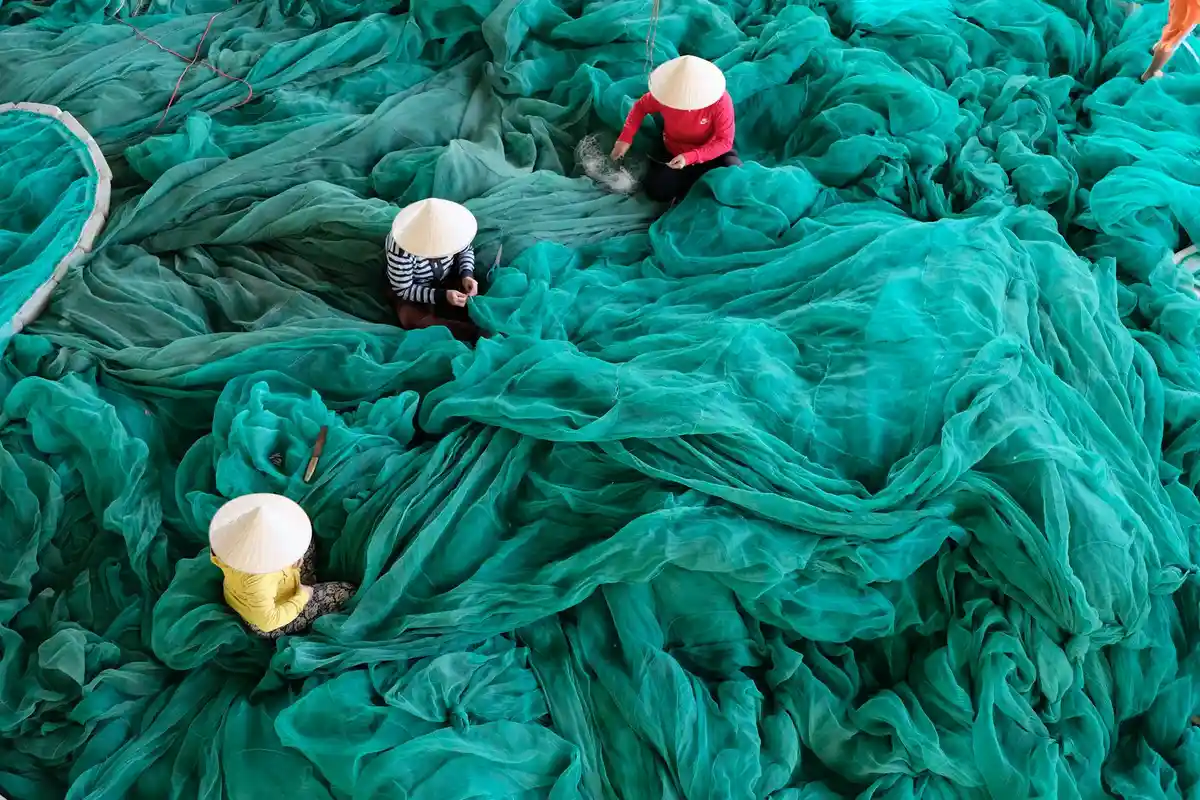
Want to give your poplin a new color? You can, but the results depend 100% on the fiber. My number one rule from the dye lab: always dye a test swatch first. The color you get on a small piece is the color you’ll get on the whole project.
Dyeing Cotton or Linen Poplin
Cotton poplin is a dyer’s dream. The answer to “Can you dye cotton poplin?” is a definite yes. I get the most vibrant, colorfast results with fiber-reactive dyes (like Procion MX). They form a chemical bond with the cellulose fiber. All-purpose dyes also work well. Both need heat and salt in the dye bath to help the color grab. The tightly woven poplin structure takes color evenly, resulting in rich, solid hues.
Dyeing Polyester Poplin
Dyeing polyester is a different, more difficult process. It requires special dyes called disperse dyes and sustained, high heat-often near boiling-to open the polymer fibers so the dye can enter. This can be challenging to achieve consistently at home without a dedicated dye pot you use only for crafts. The poplin weave holds up fine, but setting the color properly is the real hurdle.
Dyeing Silk Poplin
Silk takes dye beautifully, producing luminous, deep colors. Use acid dyes or all-purpose dyes with an acid additive like vinegar. The process needs gentle, simmering heat. Handle the wet silk poplin with extreme care; the delicate fibers are weaker when saturated and the tight weave can distort if pulled. The results, however, are worth the extra attention.
Dyeing Blended Poplin (e.g., Poly-Cotton)
This is the most complex scenario. A single dye type won’t color the cotton and polyester fibers the same way. Using a cotton dye will leave the polyester threads white, giving a heathery look. Using a polyester dye won’t color the cotton well. For a solid color, you need a “union” dye formulated for blends, or a meticulous two-step process dyeing each fiber type separately. Even then, expect tonal variation.
Poplin vs. Similar Fabrics: Clearing Up the Confusion
When you’re shopping, names like broadcloth, twill, and oxford get tossed around. They can all feel like “nice shirt fabric,” but their weaves create very different behaviors. Let’s put them side by side so you can choose with confidence.
Poplin vs. Broadcloth
This is the most common mix-up. Historically, broadcloth was a densely woven wool. Today, it usually refers to a plain-weave cotton or blend where the warp and weft yarns are the same size. The result is a very smooth, flat, and uniform surface.
Poplin, with its fine warp and thicker weft, has a subtle but perceptible ribbed texture. Run your fingernail across it-you’ll feel the tiny ridges. If you want a perfectly smooth, almost papery finish, choose broadcloth; if you prefer a hint of texture and crispness, classic poplin is your fabric. In my experience, broadcloth can be slightly more prone to wrinkling because of its flat, tight weave—especially when compared to wrinkle-resistant fabrics.
Poplin vs. Twill
Here, the weave changes everything. Poplin uses a simple over-under plain weave. Twill uses a pattern that creates a diagonal rib-think of the familiar lines on denim or chinos, unlike muslin cotton fabric which has a looser weave.
That diagonal structure makes twill softer, heavier, and much more drapable than poplin. It’s why twill is used for pants, jackets, and casual shirts. Poplin holds a sharper, crisper shape. A twill weave is inherently more pliable and relaxed, while a poplin weave is structured and formal. That blend of durability and drape is a hallmark of twill plain weave, making it a reliable choice for a range of garments.
And a key point: “Twill” is not a fiber. Just like poplin, it’s a way of weaving. So, is twill fabric cotton? It absolutely can be. You’ll find cotton twill, wool twill, polyester twill, and blends. Always check the fiber content label for care.
Poplin vs. Sateen
Both are popular for sheets and shirts, often made from cotton. The difference is in the luster and hand. Sateen uses a satin weave structure, where yarns “float” over several others. This gives sateen a lustrous, silky surface and a warm, dense, drapable feel.
Poplin is matte and crisp. Sateen feels luxuriously soft and warm against the skin; poplin feels cool and clean. This has care implications: sateen’s long floats can be more prone to snagging. I recommend washing sateen items inside out on a gentle cycle. For dyeing, both take fiber-reactive dyes well, but the sateen’s sheen can make the color appear slightly richer.
Poplin vs. Oxford Cloth
Oxford cloth is a basket weave, typically using two finer yarns together in the weft. This creates a thicker, more porous, and distinctly textured fabric with a slightly nubby look. It’s inherently casual and robust.
Poplin is finer, smoother, and reads as more formal or business-like. Oxford cloth is your go-to for a relaxed weekend shirt, while poplin is for the office or a tailored dress. That porous structure also means oxford cloth can be more forgiving with shrinkage, often shrinking a bit less (around 2-4%) than a tightly woven cotton poplin (which can be 3-6% on a first warm wash). It’s one of many specialized cotton fabrics that serve different purposes in apparel.
Final Insights on Poplin Care and Fabric Wisdom
To preserve poplin’s signature crisp drape and durability, your first move should always be to heed the care label based on its fiber makeup, especially for cotton blend fabrics. For classic cotton poplin, I recommend a cold machine wash and a warm iron to smooth the tight plain weave without compromising its strength.
Mindful care for your poplin extends the life of your garment and honors the resources used to make it. Apply this same curious, science-based approach-studying how shrinkage, dye, and wash cycles interact with materials like silk, wool, or polyester-to every textile you own.
Related Guides and Information
- Poplin Fabric Guide: Explore the Look and Feel of Poplin – 2025 – MasterClass
- Cotton Poplin Guide – Stretch, Patterned Fabric for Shirts and Dresses
- 101 Guide to What is Poplin Fabric: Its Characteristics, Properties and Uses
- The Ultimate Material Guide: What is Poplin Fabric? – Sinosilk
Florian Ventura
Florian is a high fashion blog writer, fashion and fabric expert and a keen expert in fabric, clothing and materials. She has worked in large textile and fashion houses for over 10+ years, engineering and working with various fabric types and blends. She is an expert when it comes to questions on any and all kinds of fabrics like linen, cotton, silk, jute and many more. She has also traveled around the world studying traditional fabrics and aims to bring them into the modern fashion use.