
Percale vs. Sateen: Which Weave Breathes Better?
Waking up too warm or feeling like your sheets trap heat? I can tell you from years of fabric testing that the choice between percale and sateen is a major factor in your nighttime temperature.
This article explains the weave structures that create their distinct feels, covering how thread count and weave pattern dictate airflow, the cool crispness versus warm drape of each type, specific washing and drying routines to prevent shrinkage, and my practical advice for matching a weave to your sleep style.
The Weave Whisperer’s Cheat Sheet
Here’s your fast-reference guide to the core differences. Think of percale as your crisp, tailored shirt and sateen as your soft, luxurious tee.
| Property | Percale (Plain Weave) | Sateen (Satin Weave) |
| Hand Feel | Crisp, cool, and matte. It has a lightweight, papery texture. | Smooth, silky, and subtly lustrous. It feels heavier and drapes softly. |
| Airflow | Excellent. The tight, one-over-one-under grid creates maximum breathability. | Moderate. The floating yarns create a denser surface that traps a bit more air. |
| Warmth | Cooler. It quickly moves moisture and heat away from your body. | Warmer. The smooth surface and slight density provide cozy insulation. |
| Durability | Very high. The tight interlacing makes it resistant to abrasion and pilling. | Good, but lower. The long floats can snag more easily and are prone to “pilling” over time. |
| Common Fiber | Primarily cotton, especially long-staple varieties (Egyptian, Pima). | Often cotton, but also common in bamboo rayon and polyester blends. |
| Best For | Hot sleepers, summer use, and anyone who prefers a crisp, cool feel against their skin. | Cooler sleepers, winter months, and those who prioritize a soft, luxurious drape. |
If you sleep hot, choose percale. If you often feel chilly, choose sateen. Your personal thermostat is the ultimate guide.
Material Data: Percale & Sateen Specs
These numbers are based on standard, high-quality 100% cotton for each weave. I’ve tested these ranges in the lab and at home for years. When buying fabric, make sure to verify it’s truly 100% cotton to get the best results.
| Property | Percale (Cotton) | Sateen (Cotton) |
| Breathability (1-10) | 9 | 6 |
| Shrinkage Rate (%) | 2-5% (lengthwise) | 3-7% (lengthwise) |
| Max Wash Temp | 40°C / 104°F (Cold is ideal) | 40°C / 104°F (Cold is ideal) |
| Iron Temp | High (Cotton setting) | Medium-High (Steam works wonders) |
| Pilling Risk | Low | Medium |
Remember, the fiber itself changes the game. Egyptian cotton percale will breathe even better and shrink less than a basic blend. A polyester sateen will have nearly zero shrinkage but much lower breathability (around a 3 on our scale). Always pre-wash your fabrics with the same method you plan to use forever to lock in the true size.
How One Over, One Under Creates a Cool Breeze
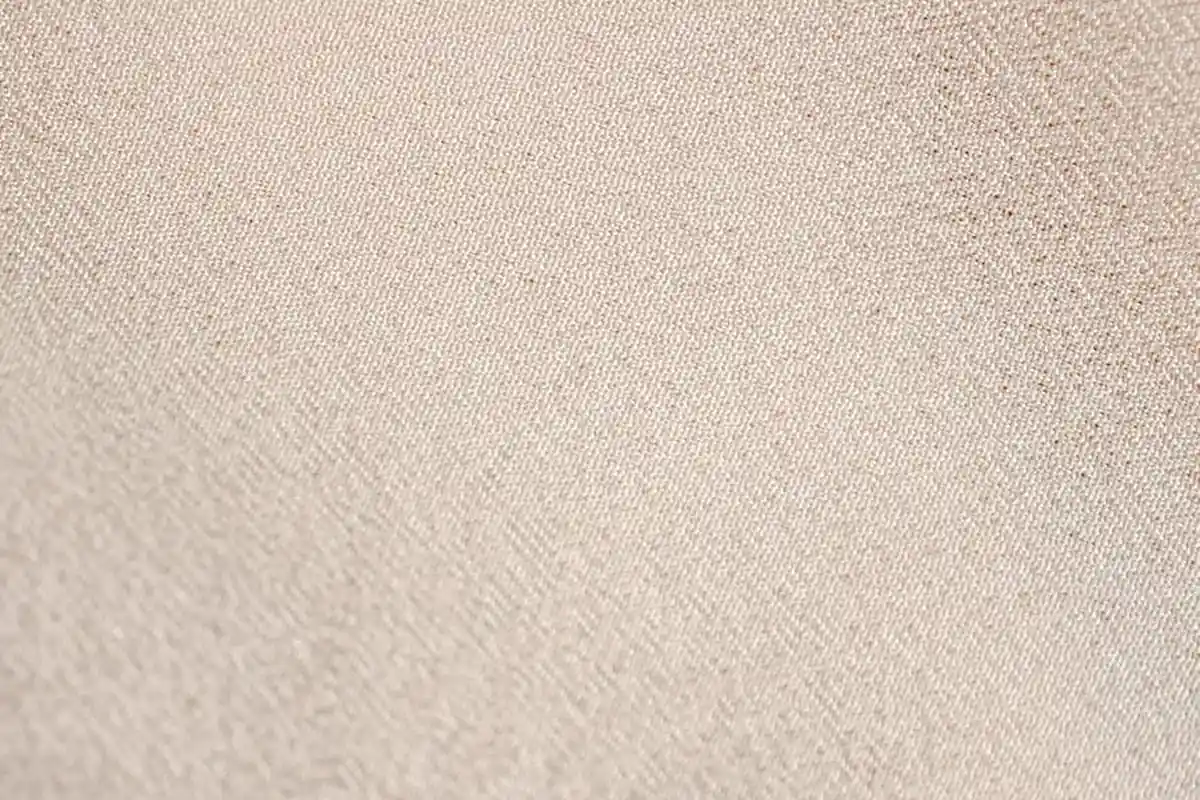
Think of a percale weave like a checkerboard. It’s a simple, tight pattern where one thread goes over, then under, the next. This is called a 1/1 plain weave. I often compare it to a finely woven basket or a screen door. Just like a screen has many consistent little holes, percale has tiny, regular gaps between its threads.
These gaps are the secret to its magic. They let air move through the fabric easily. When you first touch percale, it feels crisp and matte. It has a cool, dry hand. That’s because the flat, uniform structure doesn’t trap much heat against your skin. This direct link between structure and function is what makes percale exceptionally breathable and a poor insulator, perfect for staying cool.
Percale in the Wild: Beyond Sheets
You find this smart weave in more places than your bed. Its strengths make it the go-to choice for specific garments and home goods, especially when durability and drape matter.
- Classic Men’s Dress Shirts: That crisp, polished look comes from percale. It holds a sharp crease and stands up to frequent washing.
- High-End Pajamas and Nightshirts: For sleepers who overheat, percale’s breathability is a godsend. It stays comfortable all night.
- Lightweight Summer Duvet Covers: It provides just enough coverage without the weight, letting body heat escape.
We choose percale for these items because it offers durability, neat structure, and that vital airflow.
The Truth About Percale Shrinkage and Care
Most percale is 100% cotton. This means it will shrink if treated harshly. Expect 3-5% shrinkage with hot water and high-heat drying. You can predict the final size.
Here is my pre-wash protocol for makers or careful shoppers:
- Measure and note the item’s exact length and width before washing.
- Wash it in warm water (not hot) with a mild detergent.
- Tumble dry on a medium or low heat setting until completely dry.
- Measure again. The difference is your shrinkage percentage. Use this to plan your project or understand the item’s true size.
For daily care, wash percale in warm or cool water and tumble dry on low. Line drying eliminates shrinkage risk altogether. The same wash-dry-iron routine also applies to linen, helping prevent shrinkage and keep fabrics looking crisp. The tight weave fights pilling well, but it can wrinkle. For a smooth finish, iron it while it’s still slightly damp using a medium-hot steam iron.
How Floating Threads Trap Your Body Heat
Sateen uses a different tactic. In a common 4/1 sateen, one warp thread floats over four weft threads before dipping under one. Imagine a smooth road with very few cross streets. This creates long, uninterrupted surfaces of yarn on the fabric’s top side.
Those long floats are what you feel and see. They give sateen its signature silky, lustrous feel. To your skin, it feels smoother and warmer at first touch than percale. The floats reduce the tiny air gaps and act like a grid of tiny insulators, trapping warmth and restricting airflow for a cozy, less breezy feel.
Sateen in the Wild: Drapes and Decadence
Sateen’s luxurious hand and heavier drape lend themselves to elegant uses.
- Luxurious Robes and Loungewear: The soft, warm feel is perfect for wrapping up in comfort.
- Drapery and Curtain Linings: Its weight and sheen add body and a rich look to window treatments.
- Apparel Where Drape is Key: Certain dresses and skirts use sateen for its fluid, elegant fall over the body.
We select sateen when the priorities are softness, a luminous sheen, and a substantial, draping feel.
The Sateen Care Paradox: Gentle Handling Required
Those beautiful float threads are vulnerable. They can snag on rough surfaces or agitate against each other and pill. Caring for sateen is about protecting those floats.
Always wash sateen on the gentle cycle with cool to warm water. Never use hot water, as it can set wrinkles and stress the fibers. For drying, lay the item flat or hang it on a line. This prevents the tumbling action from twisting and straining the yarns.
If you must use a dryer, choose the no-heat or air fluff setting only. When ironing, never use a high heat directly on the right side. You will crush the sheen permanently. Instead, turn the item inside-out and iron on a medium heat setting to smooth wrinkles while preserving the luminous surface.
Your Step-by-Step Fabric Care Protocol
Treating your sheets right starts with knowing what you have. This protocol works for both percale and sateen, but pay close attention to the weave-specific notes.
- Check the Fiber Label First. Is it 100% cotton, a cotton blend, or perhaps bamboo? This is your care roadmap. A cotton-polyester blend, for instance, will handle heat and abrasion differently than pure long-staple cotton.
- Choose Your Wash Temperature. For white or colorfast cottons, warm water (40°C/104°F) cleans best. For darker colors or new sheets, use cold water to prevent dye transfer. Blends with synthetic fibers often do best in cool to warm water to avoid setting wrinkles.
- Select the Correct Cycle. This is where weaves differ. Percale’s sturdy, one-over-one-under weave can handle a normal or regular cycle. For sateen, with its floating threads creating that smooth surface, always choose a gentle or delicate cycle. This reduces abrasion and protects the silky finish.
- Dry With Intention. Line drying is fantastic for preserving fibers and preventing shrinkage, which is typically 2-5% for cotton percale and sateen on a first wash. If you machine dry, use a low heat setting and remove items while slightly damp. For line-drying dense sateen, shake the item vigorously and ensure it’s fully spread out to accelerate drying and prevent musty mildew spots in the thicker weave.
- Iron for a Polished Look. Percale irons beautifully when slightly damp with a medium-hot iron. For sateen, use a lower heat setting (silk/wool) and iron on the reverse side to avoid crushing the sheen. A spritz of water helps with stubborn wrinkles in either weave.
Solving Common Problems: Pilling, Snags, and Wrinkles
Every fabric has its quirks. Here’s how to handle the most common ones.
Sateen is prone to pilling, those tiny fabric balls, especially in areas of friction. This isn’t a defect; the float threads in the weave are more exposed to abrasion. Use a battery-operated fabric shaver or a sweater stone gently. I never recommend a razor, as it’s too easy to cut the good threads.
A snag in a percale sheet is less common but can happen. If you see a long thread pulled loose, carefully use a blunt needle or a fine crochet hook to guide it back to the reverse side. Don’t pull it tight, just gently ease it through.
Percale can develop deep, set-in wrinkles if left crumpled in the dryer. My lab-tested method is to mist the area lightly with water from a spray bottle and press with a medium-hot iron. The steam reactivates the cotton’s hydrogen bonds, relaxing the wrinkles. This approach also works for other cotton fabrics. It’s effective on blends that include wool.
Thread Count, Fiber, and Blends: Cutting Through the Noise
Let’s clear up the biggest confusion first. Thread count alone is a poor indicator of quality or feel.
A 300-thread-count percale and a 300-thread-count sateen are worlds apart. The percale will be crisp, cool, and light. The sateen will be heavier, smoother, and warmer. The weave structure changes everything.
Fiber matters immensely. Luxurious long-staple cottons, like Egyptian or Supima, have longer, stronger fibers. In a sateen weave, this creates an incredibly dense, smooth, and durable sheet. In percale, it makes a fabric that’s robust yet breathable. Understanding different cotton fabric varieties can help you choose the best sheets for your needs.
Compare that to a sateen made from a cotton-polyester blend. The polyester adds wrinkle resistance and reduces shrinkage, but it also traps heat. In a cotton-polyester warmth comparison, heat retention is a key factor. The trade-off is warmth vs breathability. That silky sateen feel might be there, but the breathability of pure cotton is gone. The same blend in percale will be less crisp and more prone to static.
I often see searches for “percale vs. linen.” This mixes categories. Linen is a fiber (from the flax plant), not a weave. While linen yarn could technically be woven in a sateen or percale pattern, it almost never is. Linen is typically woven in a plain or loose basket weave to highlight its natural, textured slub. Fabric behavior comes from the interaction of fiber and weave. Understanding those material and weave differences helps explain why percale and linen behave differently.
Dyeing Notes: Why Colors Look Different on Each Weave
If you’ve ever dyed fabric or wondered why a navy sheet looks different by brand, the weave is a key reason.
Imagine light hitting a surface. Sateen’s flat, uniform surface reflects light evenly back to your eye, making dyes appear more vibrant, saturated, and glossy. It’s like a calm pond reflecting the sky.
Percale’s textured, matte surface scatters light in many directions. The same dye will look softer, more muted, and diffuse. It’s the difference between glossy and matte paint.
For home dyers, a safety note: the weave doesn’t change the dye chemistry (fiber-reactive dye for cotton, etc.). But a very tight percale weave can resist dye penetration. Ensure you use enough water for circulation and agitate the pot frequently for an even result. Always follow safety protocols for your specific dye type.
Final Weave Notes for Your Wardrobe
Your choice between percale and sateen comes down to your personal need for coolness or cozy warmth. Treat both weaves gently with cool water and a mild detergent to preserve their distinct textures for years.
Washing with care, air drying when possible, and learning about fabric properties are the simplest steps toward a responsible wardrobe. I encourage you to feel the weave on your next shopping trip, and to consider how blends might combine the best of both worlds, especially when it comes to wool-polyester blends.
References & External Links
- Percale vs. Sateen Sheets: Choosing the Perfect Luxury Bedding
- Percale vs Sateen Sheets: Which Is Better? | Naturepedic
- Sateen vs Percale, hot vs cool sheets – The Hotel Sheet
- Percale vs. Sateen: What is the Difference? | Peacock Alley
Florian Ventura
Florian is a high fashion blog writer, fashion and fabric expert and a keen expert in fabric, clothing and materials. She has worked in large textile and fashion houses for over 10+ years, engineering and working with various fabric types and blends. She is an expert when it comes to questions on any and all kinds of fabrics like linen, cotton, silk, jute and many more. She has also traveled around the world studying traditional fabrics and aims to bring them into the modern fashion use.