
Pashmina vs. Cashmere: Is There a Real Difference?
You’re likely staring at two luxuriously soft scarves, unsure if “pashmina” is just a marketing term for cashmere. Let me cut through the noise with clear definitions from my time in the textile lab.
I’ll use my hands-on experience to explain the true origin of each fiber based on goat breed and region, how its diameter in microns dictates softness and price, and what this science means for your washing, dyeing, and long-term care routine.
Executive Summary: Your Quick Fabric Guide
Let’s clear up the confusion right away. Pashmina is not a separate animal from cashmere. Pashmina is a specific, ultra-fine type of cashmere fiber, traditionally handwoven into a light shawl. The word “cashmere” is the broader category for wool sheared or combed from the undercoat of the Himalayan cashmere goat.
For you, the buyer or caretaker of these fabrics, one number matters more than any other: fiber diameter, measured in microns. Fiber diameter is the master key to softness, warmth, and price, where finer fibers always mean a softer, lighter, and more expensive fabric. Standard cashmere fibers range from about 14 to 19 microns. True pashmina fibers are defined as being under 15 microns, with the finest examples dipping below 12 microns. To your skin, that difference feels like the gentlest whisper compared to a soft murmur.
This leads to their best uses. Pashmina, with its ethereal fineness, excels as a lightweight, dressy wrap or elegant scarf. A classic cashmere sweater or cozy blanket uses a slightly broader, more resilient fiber, making it the versatile choice for everyday luxury layers. Think of pashmina for a formal shawl and cashmere for your favorite weekend sweater.
My most essential care warning comes from seeing too many beautiful pieces ruined in a wash. Both are delicate protein fibers highly prone to felting shrinkage from heat and agitation, so you must hand-wash them only in cool water. Felting is permanent and irreversible, unlike the relaxation shrinkage you see with cotton.
Material Data Table: Pashmina & Cashmere at a Glance
| Property | Pashmina | Cashmere |
|---|---|---|
| Breathability | Exceptionally High | Exceptionally High |
| Shrinkage Risk | Very High Risk (Felting) | Very High Risk (Felting) |
| Heat Tolerance | Very Low (under 30°C / 86°F) | Very Low (under 30°C / 86°F) |
| Stretch Factor | Minimal Inherent Stretch | Minimal Inherent Stretch |
Breathability: Both fibers are champions of temperature regulation, but pashmina’s extreme fineness can make a single layer feel less immediately insulating than a denser cashmere knit. It’s a brilliant regulator, not a bulky insulator.
Shrinkage Risk: The “Very High Risk” label is for felting, a permanent matting and contraction of the fibers caused by heat, moisture, and agitation. This is a chemical bond forming between scales on the fiber, completely different from the temporary shrinkage of a cotton tee. Once felted, it cannot be stretched back.
Heat Tolerance: Keep all heat sources low and gentle. For washing, never exceed lukewarm water (30°C / 86°F is the absolute maximum). When ironing, always use the lowest wool setting with a pressing cloth. Direct heat will scorch and weaken the fibers instantly, especially for delicate fabrics like linen.
Stretch Factor: These are not stretchy fabrics like knits made with elastane. They have minimal inherent stretch. However, a heavy, wet cashmere sweater can become permanently misshapen and baggy if not supported properly during washing and laid flat to dry. The weight of the water stretches the fibers. In a broader sense, knit, woven, and nonwoven textiles each exhibit different stretch behaviors. Understanding these distinctions can guide handling and care decisions for each fabric type.
Where Do These Fibers Actually Come From?
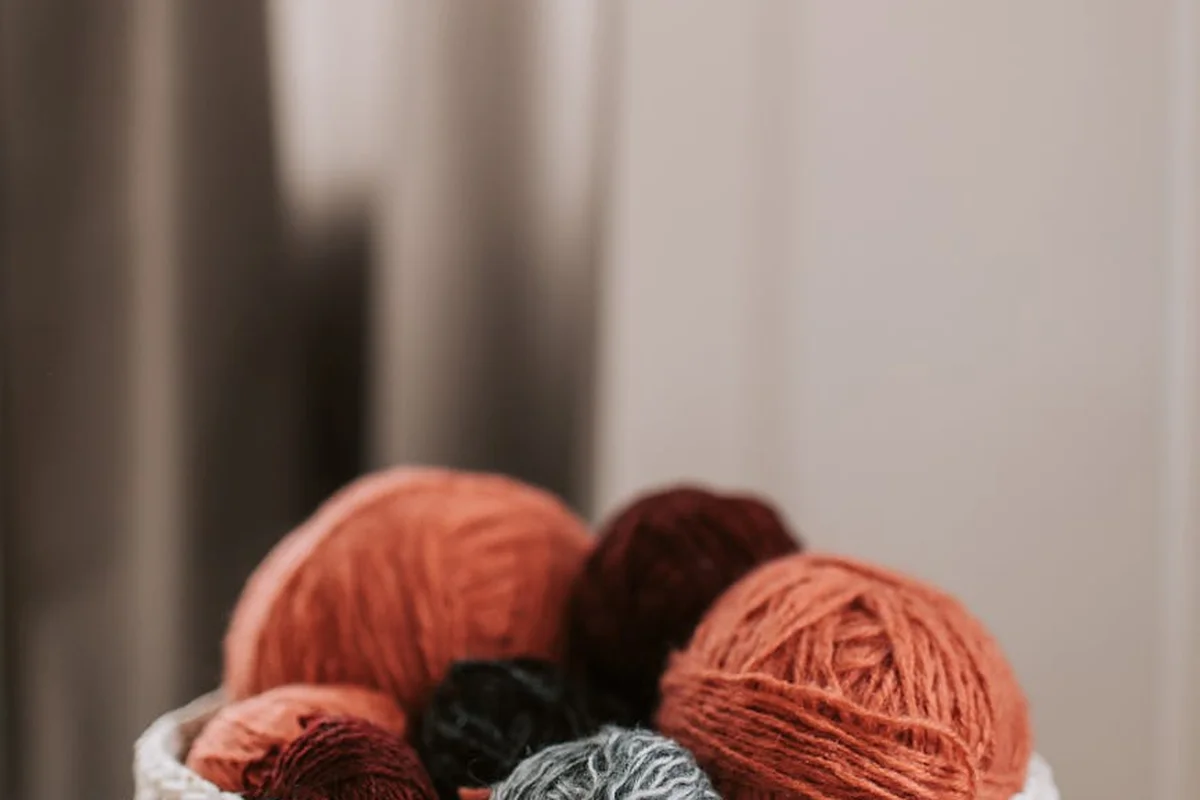
Let’s clear up the biggest myth first. Cashmere is not a place. It’s a type of fiber. Specifically, it’s the soft undercoat, or down, that grows beneath the coarse outer hair of certain breeds of goats to insulate them through harsh winters.
This down is collected through a gentle combing process in the spring when the goats naturally shed, which is the method I always look for when considering animal welfare. The most common cashmere goats are the Capra hircus laniger, found across Mongolia, China, Iran, and Afghanistan.
Now, where does pashmina fit in? Pashmina *is* cashmere. The word specifically refers to cashmere that comes from the Changthangi goat bred in the high Himalayas of Ladakh and Nepal. These goats produce an exceptionally fine undercoat. While all cashmere is fine, pashmina sets a stricter standard for fiber diameter, which we’ll get to next.
Here’s where the confusion kicks in. In the market, “pashmina” has become a dual-purpose term. It describes the ultra-fine fiber from the Changthangi goat, but it more commonly refers to the finished product: a specific type of finely woven, often embroidered, shawl or wrap made from that fiber. So, you might buy a “cashmere sweater” but a “pashmina shawl.” The shawl tradition is deeply cultural, originating from Kashmir, where artisans weave the fiber into breathtakingly light and warm textiles.
How Fiber Diameter Controls Everything You Feel
The secret to that legendary softness is measured in microns. One micron is one-millionth of a meter. For scale, a fine human hair is about 70 microns wide.
The smaller the micron number, the finer and softer the fiber feels against your skin. This single measurement dictates the hand, weight, and drape of your garment.
Here are the typical ranges you’ll encounter:
- Superfine Cashmere: 15 to 18 microns. This is what you find in high-quality sweaters and scarves. It’s luxuriously soft.
- Pashmina-Grade Cashmere: 12 to 15 microns (sometimes even finer). This is the elite tier, reserved for the lightest, most gossamer wraps and shawls.
That tiny difference of a few microns has a huge impact. A 14-micron pashmina fiber creates a fabric that is cloud-soft, has a fluid, elegant drape, and is incredibly lightweight. But there’s a trade-off. Extremely fine fibers are more delicate. A pashmina shawl is perfect for elegant evenings, while a slightly thicker 17-micron cashmere sweater will better withstand the friction of daily wear.
To place this on a softness scale, think of common fibers from coarsest to finest: standard wool (over 25 microns) > cotton (10-20 microns, but a different structure) > Merino wool (17-22 microns) > fine cashmere (15-18 microns) > pashmina (12-15 microns) > premium silk (approximately 10-13 microns). Pashmina and the finest silks compete directly in the realm of sublime fineness, though their texture and warmth are completely different.
The Hands-On Care Protocol: Washing, Drying, and Storing
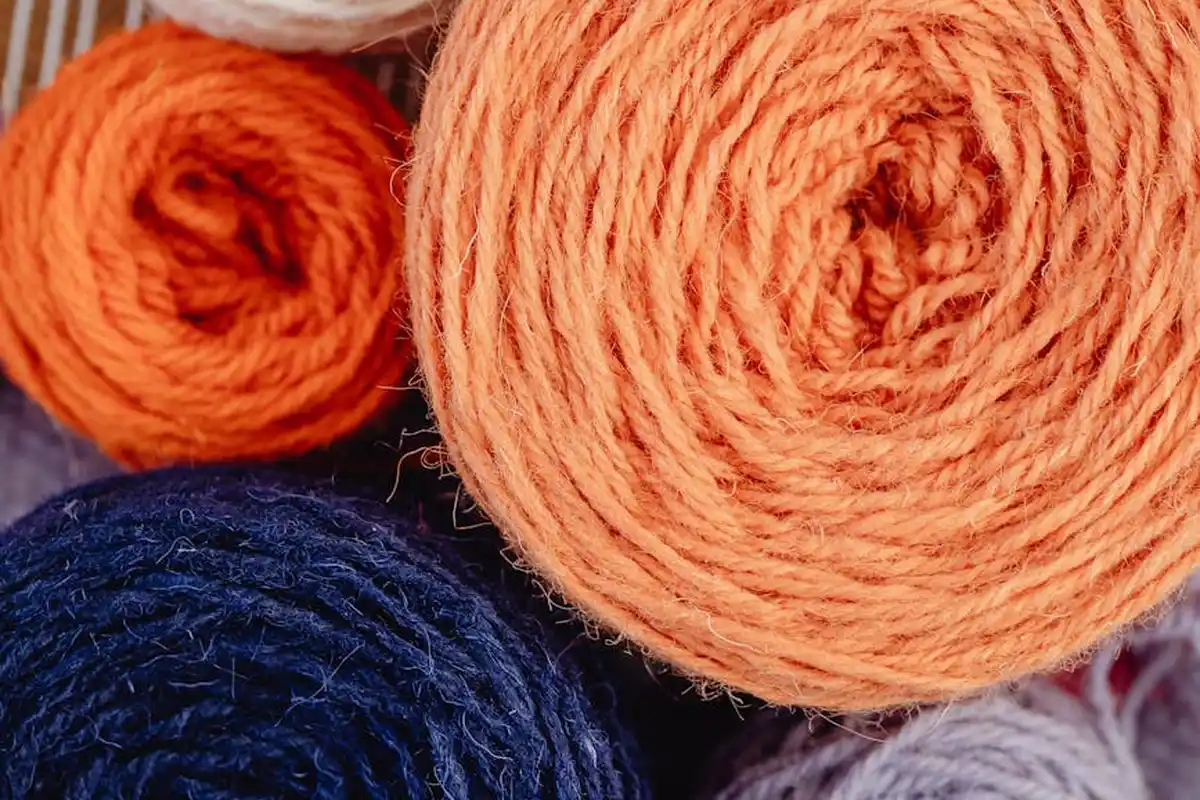
Treating these fibers right is non-negotiable. The wrong wash can turn a prized garment into a stiff, shrunken felt. Here is my lab-tested, at-home method.
Step-by-Step Hand Wash Guide
- Fill a clean basin or sink with cool water, always below 30°C (86°F). Hot water is the enemy.
- Add a small amount of detergent formulated for wool or cashmere. Swirl to dissolve.
- Submerge your garment. Gently press it down to soak. Let it sit for 10-15 minutes. Never rub, scrub, or agitate the fabric. This is the golden rule.
- Drain the soapy water. Refill with fresh cool water of the same temperature. Gently press the garment to rinse. Repeat until the water runs clear.
- To remove water, press the garment against the side of the basin. Do not wring or twist. Then, lay it flat on a clean, absorbent towel.
The Crucial Flat-Drying Process
Roll the towel and garment together like a Swiss roll to press out more moisture. Unroll and transfer the garment to a fresh, dry towel or a mesh drying rack.
Reshape it meticulously to its original dimensions, smoothing out any wrinkles or pulls in the knit. Let it dry flat, away from direct heat or sunlight. Hanging will stretch it irreparably, especially in areas like rib-knit cuffs.
Why Your Washing Machine is a Danger Zone
Machine agitation, combined with heat and moisture, causes felting. Under a microscope, wool and cashmere fibers have tiny overlapping scales. Agitation makes these scales lock together permanently, matting the fibers into a dense, shrunken fabric. A gentle cycle is still too rough.
Ironing and Storage Tips
If you must iron, use the absolute lowest heat setting (often “wool” or “silk”). Always use a damp pressing cloth between the iron and the garment. I prefer to use a garment steamer; it relaxes wrinkles without direct contact. Be especially careful when ironing delicate fabrics like linen; know the right temperature to avoid damage.
Always store cashmere clean. Moths are attracted to food stains and body oils. Fold items and store them in a breathable cotton bag or drawer with cedar blocks. Never use plastic bags, as they trap moisture and can lead to mildew.
Choosing Between Them: Use, Cost, and Longevity
So, which is better? I get asked this constantly. The honest answer is it depends entirely on what you need it for and what your budget allows.
Think of Pashmina as the pinnacle of lightweight luxury. I recommend a pure Pashmina shawl for moments when elegance is the entire point. Its ethereal drape and feather-light warmth are unmatched for a special occasion. You’re paying for that exquisite, cloud-like hand feel.
For daily wear and robust warmth, a well-made cashmere sweater is your practical champion. It offers incredible insulation and a versatile, durable softness that holds up to more frequent use. You’ll find a wider range of knits, from fine-gauge cardigans to chunky pullovers, all with that signature cozy factor. Understand how warmth is retained differently by wool and cashmere with proper care, and how maintenance can affect longevity. That care knowledge helps you pick pieces that stay warm longer.
Now, a critical warning about blends. The term “pashmina” is often used to describe a style of shawl, not its content. Many affordable “pashminas” are actually blends of cashmere and silk, or worse, synthetic fibers like viscose or polyester.
Always, always check the fiber content label before you buy. A true Pashmina or cashmere item will proudly state “100% Cashmere” or specify the goat type. If the label says “blend,” you know you’re getting a different, usually less expensive, fabric.
Both fibers will pill, especially in high-friction areas like under the arms. Finer fibers like Pashmina are actually more prone to this because the shorter, delicate hairs work themselves loose. It’s a sign of natural fiber, not poor quality.
You can safely remove pills with a fabric shaver or a battery-operated defuzzer. Lay the garment flat on a table. Hold the fabric taut with one hand and gently glide the shaver over the surface. Never press down hard or go over the same spot repeatedly, as you might cut the good yarns underneath.
Troubleshooting Common Problems
Oh no, it felted. That beautiful knit is now a thick, stiff mat. This happens from agitation, heat, and sudden temperature changes. I have to tell you, true felting is irreversible. The fibers have permanently locked together.
For a garment that has only slightly shrunk or lost its shape, you can attempt to re-block it. Gently soak it in lukewarm water with a wool wash. Without wringing, press out the water, roll it in a towel, and then carefully lay it flat on a dry towel. Gently stretch it back to its original dimensions and let it air dry completely.
Stains need immediate attention. Blot (don’t rub) the spot with a clean cloth and cool water. If that doesn’t work, use a tiny drop of wool-specific detergent directly on the stain, gently work it in with your fingers, and rinse with cool water. Rubbing will distort the fibers and set the stain. For dyed fabrics, color-safe methods help protect the hue. More on methods to remove stains from dyed fabric will follow in the next steps.
These fibers hold odors like campfire smoke or kitchen smells. Before you wash it, try airing it out for 24-48 hours. A fabric freshener spray designed for wool can also help. Washing too frequently is one of the quickest ways to wear out a delicate cashmere or Pashmina item, so airing it out is your first line of defense. If you need to wash it, choose a gentle, pH-balanced detergent formulated for cashmere to protect the fibers. This can help preserve the fabric’s loft and softness between wears.
Finding a moth hole is heartbreaking. For a small hole, you can use a basic darning technique. With a matching thread (embroidery floss or fine yarn), create a web of stitches over the hole on the inside of the garment to bridge the gap. Prevention is key. Always store these items clean, as moths are attracted to body oils and sweat. Use sealed containers with natural cedar blocks, not chemical mothballs.
Your Guide to Fine Fiber Care
Forget the label’s marketing and test the fabric yourself. When choosing between pashmina and cashmere, run a small piece between your fingernails-if it pills excessively or feels coarse quickly, the fiber diameter is likely too high for true luxury. This simple test tells you more about longevity and softness than any brand name ever could.
Caring for these fine wools, or any fabric in your closet, starts with knowing its science-understanding why cotton shrinks, why silk needs a specific pH, and how polyester holds dye. For silk specifically, understanding silk types, properties, and care for varieties like crepe, satin, and charmeuse is essential. Treating each textile according to its inherent properties is the most sustainable choice you can make, reducing waste and honoring the material’s origin.
Citations and Authoritative Sources
- Pashmina vs Cashmere – Know the Difference
- The Key Differences Between Cashmere and Pashmina Shawls – Signature Cashmere
- Pashmina Vs Cashmere: Know The Difference – ANGELA JEY
Florian Ventura
Florian is a high fashion blog writer, fashion and fabric expert and a keen expert in fabric, clothing and materials. She has worked in large textile and fashion houses for over 10+ years, engineering and working with various fabric types and blends. She is an expert when it comes to questions on any and all kinds of fabrics like linen, cotton, silk, jute and many more. She has also traveled around the world studying traditional fabrics and aims to bring them into the modern fashion use.