
Is Nylon or Polyester Warmer and More Breathable for Clothing?
You might assume one synthetic is inherently better for cold or sweaty weather, but the real answer lives in the tiny details of how each fabric is made.
We will cover the molecular structure of each fiber, how they trap or release heat, their true breathability for moisture, practical care for longevity, and mindful alternatives to consider.
Executive Summary: The Quick, Tactile Truth
Let’s settle the core question right now. Neither nylon nor polyester is inherently “warmer” on its own. Both are poor insulators by themselves because warmth in clothing comes from trapped air, not the fiber. They just create that trapped air in different ways. For breathability, neither is great compared to natural fibers, but the fabric’s construction is everything.
Your main practical takeaway is this. Polyester is generally better at moving moisture away from your skin, which is key for staying warm during activity. Nylon is often softer to the touch and more resistant to abrasion from backpacks or wear. Their real-world performance is 90% about the weave, the special finishes applied, and what they’re blended with. When you compare polyester vs nylon performance fabrics, the weave and finishes often tilt the balance more than the base fiber. In practice, a smart blend or finish can maximize moisture control, softness, and abrasion resistance.
You’ll see this play out in their main uses. Polyester dominates in fluffy fleece and thermal insulation. Nylon is the go-to for windproof shells and durable jacket linings.
Nylon vs Polyester: A Side-by-Side Fiber Breakdown
Both are synthetic polymers, but think of them as cousins, not twins. They come from different chemical families. Nylon is a polyamide. Polyester is, well, a polyester. That small difference in their molecular structure leads to all the variations you feel and see.
| Property | Nylon Typical Range | Polyester Typical Range |
|---|---|---|
| Breathability | Low to Medium | Low to Medium |
| Shrinkage Rate | Minimal, but sensitive to high heat from dryers or irons. | Minimal, but sensitive to high heat; can melt or glaze. |
| Heat Tolerance (Melting Point) | Approx. 425°F (218°C) | Approx. 480°F (249°C) |
| Stretch & Recovery | Excellent inherent stretch and recovery, especially in knit forms. | Good recovery, but less inherently stretchy than nylon unless textured. |
Feel them in a fabric store. Nylon often has a softer, silkier hand. Polyester can feel crisper or more plastic-like, but this is highly variable. A fine, tightly woven polyester can feel surprisingly sleek, while a coarse nylon might feel stiff. Always trust your fingertips over the label.
The Core Chemical Difference in Plain English
Here is the simplest way to understand them. Nylon molecules absorb a tiny bit of water. Polyester molecules repel water almost completely.
This tiny difference dictates everything. Because nylon can hold a minuscule amount of moisture, it can feel slightly clammy against damp skin. Polyester’s total repellency is why it’s the master of wicking; it pushes liquid moisture along its surface to evaporate. This is also why you must use different dyes for each.
If you’re dyeing at home, remember this. Acid dyes love nylon and will bond to it beautifully with gentle heat. For polyester, you need disperse dyes and near-boiling water (often 200°F+) to force the dye into the water-repellant fiber. Always check the garment’s heat tolerance before attempting to dye polyester, as the high heat required can damage the fabric’s finish or shape. For polyester, dyeing often relies on carrier chemicals under heat to help the dye disperse, so choosing the right formulation matters. Keep heat levels controlled to help ensure an even color uptake.
What “Warmth” Really Means for a Fabric
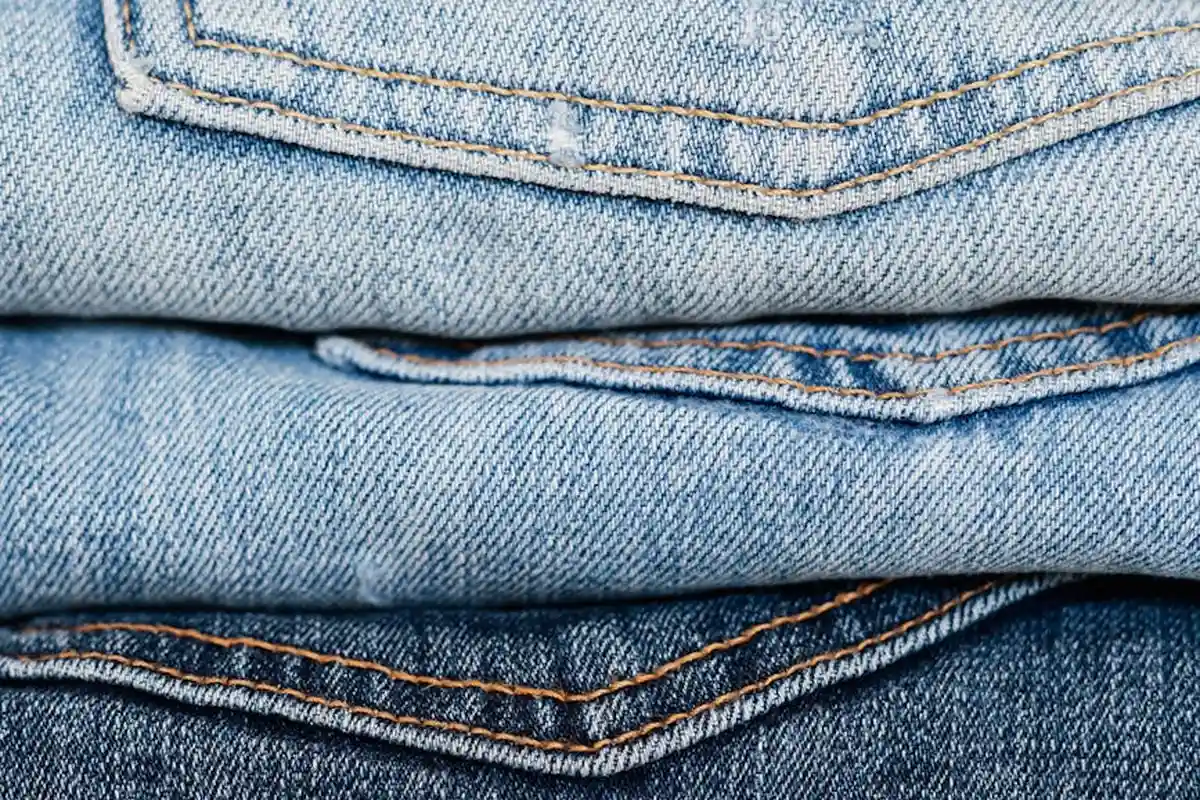
Let’s clear up a common misunderstanding right away. Your sweater or jacket isn’t generating heat like a radiator. Instead, it works as an insulator. Fabrics keep you warm by trapping the heat your body already produces, creating pockets of still air around you. Think of it like a thermos for your body. The still air is the key, because moving air (wind) steals warmth away.
You can feel this difference with your own hands. A thin, sleek nylon windshell feels cold to the touch because it’s woven so tightly it barely holds any air. A thick, brushed polyester fleece feels cozy immediately because its fluffy, open structure is full of trapped air. In the lab, we measure this as “loft” or thickness, which directly predicts warmth.
How Nylon Builds Warmth (or Doesn’t)
Nylon is a chameleon. Its warmth depends completely on how it’s spun and woven. The sleek, crisp taffeta used in lightweight windbreakers and rain shells offers zero insulation, its job is to block wind and water. So, are nylon coats warm? Only if they are built with warmth in mind. The warmth in a nylon coat comes from brushed linings or lofty insulation fills, not from the nylon shell itself.
A brushed nylon lining, where the fibers are raised to create a soft, fuzzy nap, traps a moderate amount of air for added comfort. For serious cold, nylon is often made into ultra-fine, continuous filaments for synthetic fills. These fills mimic down, creating lofty clusters that hold a lot of air, making winter jackets very warm.
Now, about nylon tights. They feel warmer than bare legs, but why? Nylon tights provide a thin, wind-breaking layer and their tight fit reduces air circulation next to your skin. Any warmth beyond that comes from a brushed interior or from the heat your legs generate being held closer. For care, always wash nylons in cold water on a gentle cycle and lay flat to dry. Heat can melt or distort the fine fibers.
How Polyester Builds Warmth (The King of Synthetic Insulation)
If nylon is a versatile tool, polyester is a specialist in bulk. Its molecular structure lets it be engineered for incredible loft. It can be a smooth, continuous filament for satiny fabrics, but for warmth, it’s all about the crimp. Polyester is spun into short, crimped staple fibers that spring away from each other, creating a dense, airy matrix that traps heat brilliantly. This is the magic behind fleece, hollow-core fibers for synthetic down, and quilt battings.
You can see how construction changes everything by looking at tents. A classic canvas tent is breathable, which means air moves through it, so it’s less effective at trapping warm air inside. A modern nylon tent has a much tighter, less breathable weave, making it better at blocking wind and retaining air heat. Similarly, a thin polyester lining won’t be warm, but a thick, napped polyester fleece will be. I recommend washing polyester fleece in cool or warm water (not hot) to maintain its loft and reduce pilling. Tumble dry on low.
The Breathability and Moisture Mystery Solved
Let’s clear the air on breathability. It’s not about how much wind blows through your shirt. True breathability is a fabric’s ability to let water vapor-the steam from your sweat-pass through its fibers and yarns.
In their standard, smooth-filament forms, both nylon and polyester have low breathability. They are essentially solid plastic threads. Any real breathability in these fabrics comes from mechanical holes in the weave or knit, or from special chemical coatings applied by manufacturers. A tightly woven nylon windbreaker will trap vapor. A loosely knitted polyester mesh tee will let it escape.
Can You Wear Nylon or Polyester in Summer?
Yes, you can wear them in summer, but you must choose wisely. The answer to “can I wear nylon in the summer” depends entirely on the garment’s construction.
A solid, non-breathable shell, like a classic rain jacket, will feel hot and clammy against your skin. Your sweat has nowhere to go. Conversely, a pair of lightweight, loose-weave nylon hiking shorts or a moisture-wicking polyester running shirt are designed for exactly that weather. The issue is less about the fiber itself and more about the garment’s design for airflow and moisture management.
Here’s a quick test I use in fabric stores. Hold the material up to your mouth and blow gently. If you feel your breath easily passing through to your hand on the other side, you’ve found a summer-friendly weave. If it feels like blowing against a solid wall, save it for a cooler, drier day.
Wicking: How Polyester Gets the Edge
Wicking is different from breathability. It’s the fabric’s ability to grab liquid sweat from your skin and move it across the surface so it can evaporate quickly. This keeps you feeling drier.
Polyester is naturally hydrophobic-it repels water. This sounds counterintuitive, but it’s the key. Manufacturers can engineer the fibers with microscopic channels or apply durable wicking finishes. Because the fiber itself doesn’t want to absorb the water, liquid sweat is pushed along the fiber’s surface and spreads out to evaporate, which is why polyester dominates performance activewear market.
Nylon absorbs a tiny amount of moisture (about 4-4.5% by weight, while polyester absorbs less than 1%). This small difference means nylon can sometimes feel slightly damp or cool against the skin for a bit longer before it dries. For intense activity where you’re sweating heavily, polyester’s efficient wicking often gives it a perceived comfort advantage. A care tip: Avoid fabric softeners on any technical wicking gear, as they coat the fibers and ruin this engineered property, especially in nylon-based fabrics.
How Cotton and Wool Compare for Warmth & Breathability
You often see the question: nylon vs polyester vs cotton, which is warmer? The answer lies in how each fiber handles your body’s moisture. Think of it as three different strategies for dealing with sweat.
Cotton is a sponge. Its fibers readily absorb liquid, holding it close to your skin. This is fantastic for a dry summer day, as the moisture evaporates and cools you. In cold weather, that same property works against you. When cotton gets wet from sweat or rain, it holds that chilled moisture against you, making you feel colder, not warmer. That’s the classic “cotton kills” warning for hikers-a soaked cotton hoodie can dangerously sap body heat.
Wool plays a completely different game. Sheep’s wool is made of protein fibers with a scaled structure. It can absorb a fair amount of moisture vapor into the fiber itself without feeling wet. Crucially, the absorption process releases a small amount of heat. Wool can keep you warm even when it’s damp, which is why it’s a historic favorite for outdoor gear. It also has a natural crimp that creates insulating air pockets, adding to its warmth.
Synthetics like polyester and nylon take a third path. They are hydrophobic, meaning they repel water. Instead of absorbing sweat, they aim to move it away from your skin to the fabric’s outer surface where it can evaporate-a process called wicking. This keeps your skin drier. The warmth then depends largely on the fabric’s construction; a thin nylon windbreaker provides no insulation, while a thick, brushed polyester fleece creates warm air pockets.
Caring for Natural Fibers and Ethical Choices
Understanding these properties guides proper care. Cotton’s strength is high when wet, so it can handle machine washing. But it shrinks, especially on the first hot wash. I always pre-wash cotton fabric in the same way I plan to wash the finished garment.
Wool requires a gentler touch. Agitation, heat, and sudden temperature changes cause its scales to lock together, resulting in felting and major shrinkage. Hand wash in cool water with a wool-specific detergent, and never wring it-press water out gently with a towel.
When choosing wool, its source matters. I look for certifications like the Responsible Wool Standard (RWS) which ensures sheep are treated with respect and land is managed well. For those avoiding animal fibers, modern high-loft polyester fleece or recycled synthetic insulations are excellent, warm alternatives. They mimic wool’s loft and are often easier to care for with machine washing.
Quick Comparison Guide
| Fiber | Moisture Handling | Warmth When Wet | Key Care Tip |
|---|---|---|---|
| Cotton | Absorbs and holds | Low (feels cold) | Pre-wash to control shrinkage, often 3-5%. |
| Wool | Absorbs vapor, releases heat | High (stays warm) | Hand wash, cool water, flat dry to prevent felting. |
| Polyester/Nylon | Wicks moisture away | Depends on fabric loft | Wash cool, avoid fabric softener (it clogs fibers). |
The Care Protocol: Washing, Drying, and Ironing
Treating nylon and polyester right keeps them performing for years. Good care prevents the slow damage that makes fibers brittle and maintains special finishes, like water repellency (DWR).
The golden rule with synthetics is to manage heat, as too much is their biggest enemy.
Step-by-Step: How to Wash Nylon and Polyester
- Check the care label first. A tag can reveal if the fabric has a special coating or is a delicate blend.
- Use cool to warm water, with a maximum of 40°C (104°F). Hot water doesn’t clean them better. It can actually set oily stains and cause gradual, irreversible damage to the polymer chains.
- Use a standard liquid or powder detergent. Avoid chlorine bleach entirely on nylon-it causes irreversible yellowing. For whitening polyester or nylon, an oxygen-based bleach (like sodium percarbonate) is a safer choice.
- Turn garments inside out. This simple step protects the outer surface from abrasion in the drum, which is the main cause of pilling and fuzzing.
- Select a gentle or permanent press cycle. These cycles use slower agitation and a cool-down rinse to minimize friction and reduce creasing.
Step-by-Step: How to Dry and Iron Them Safely
- Tumble dry on a low heat setting. High heat is the number one cause of premature aging, shrinkage, and even melting for thin items like linings or tights. Think of how plastic wrap acts in the sun.
- Remove items from the dryer promptly. While both fabrics resist wrinkles, leaving them bunched up in a warm dryer can set permanent creases. They air-dry remarkably fast on a rack.
- If you must iron, use the lowest synthetic setting. Always place a thin cotton press cloth between the iron and the fabric. I almost always recommend using a handheld steamer instead. It relaxes wrinkles without any risk of creating a shiny, melted spot.
Dyeing Nylon vs. Polyester at Home: What Works
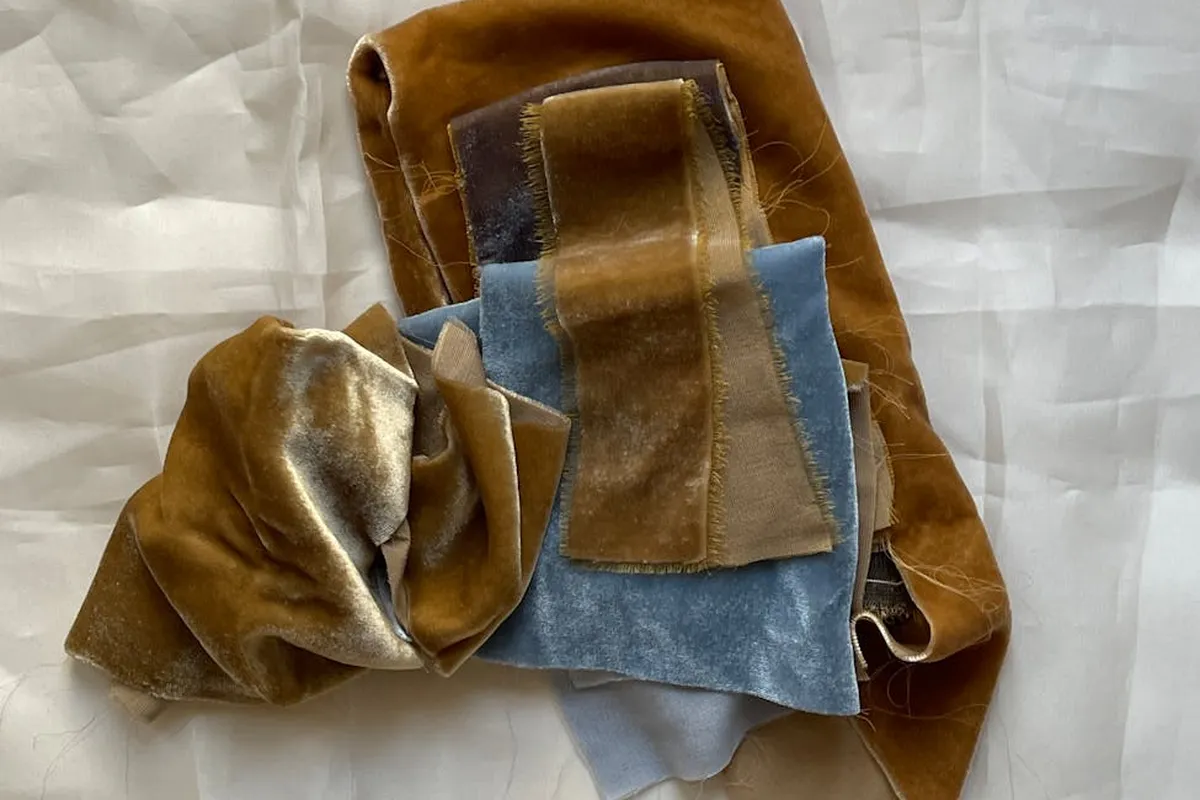
Dyeing these man-made fibers is a completely different game from dyeing cotton. Natural fiber dyes simply will not bond to them.
For nylon, you use acid dyes, the same type used for wool and silk. The process requires maintaining a hot, simmering bath with an acid, like white vinegar or citric acid, to open the fiber and allow the dye to bond. Nylon takes color vividly and evenly, making it a good project for confident home dyers. Beyond this, nylon fabric dyeing techniques offer tips on temperature control and dye concentration to refine results. They help you master even color on a range of nylon blends.
For polyester, you must use specialized disperse dyes and a much more demanding process. The dye molecules are forced into the tightly packed polyester fibers using sustained, near-boiling heat, often for 30 minutes or more. This is harder to control at home and carries a higher risk of uneven color or damaging the fabric.
My safety note is non-negotiable: always dye in a well-ventilated area and use pots and utensils you will never again use for food.
Choosing Your Fabric: A Practical Guide for Garments
Here’s how I break down the choice based on what you’re making or buying.
For Winter Jackets and Coats
You’ll often find both fibers working together. For the outer shell, a tightly woven nylon is a classic choice. Its high tensile strength offers excellent tear and abrasion resistance, and it can be woven into a very effective wind barrier. For insulation, polyester is the undisputed champion. Polyester fleece and hollow-core polyester fiberfill provide fantastic lightweight loft (trapping warm air) and, crucially, retain their insulating properties even if they get damp. The lining is frequently a lightweight, slick nylon for its durability and ability to let your inner layers slide easily.
For Activewear and Base Layers
Polyester is the dominant player here due to its superior hydrophobic (water-hating) nature. It wicks moisture away from your skin efficiently to the fabric’s surface where it can evaporate. Nylon is often blended in, usually around 10-20%, to add stretch, durability, and a softer, more cotton-like hand against the skin. From a health-performance perspective, nylon-polyester blends influence moisture management and skin comfort during wear. These factors affect irritation risk and overall comfort.
For Pants and Everyday Wear
Look for durable nylon blends in travel pants-they offer great mobility and are tough enough for adventure. For everyday chinos, wrinkle-resistant woven shirts, and blouses, polyester blends are extremely common. They provide that easy-care, no-iron quality that makes daily life simpler. The choice between nylon vs polyester pants often comes down to prioritizing ruggedness (nylon) versus easy care (polyester).
For Bags and Luggage
High-denier nylon (like ballistic nylon) is prized for heavy-duty backpacks and duffels because of its legendary abrasion resistance and strength. Polyester is also very common for luggage and lighter bags. It tends to be more colorfast under prolonged UV exposure (sunlight) and can offer a excellent balance of toughness and cost. When considering nylon vs polyester carry on luggage, both are excellent; check the denier rating for a truer measure of durability than fiber type alone.
Dyeing Nylon vs. Polyester at Home: What Works
Dyeing synthetic fibers is a completely different science from dyeing a natural fiber like cotton. Cotton soaks up dye like a sponge in water. Nylon and polyester repel it. You need the right chemistry and a lot of heat to force the color in. For hand dyeing synthetic fabrics, techniques rely on specific dyes and careful heat setting to lock in color. We’ll dive into practical hand-dyeing methods for synthetics in the next steps.
The Chemistry of Dyeing Synthetics
Think of fabric fibers as having tiny doors. On cotton, those doors are wide open to certain dyes. On nylon and polyester, they’re locked shut. Your job is to pick the right key (dye type) and use heat to force the door open. Using the wrong dye, like an all-purpose dye, will just stain the surface and wash right out.
For a lasting color, you must match the dye type precisely to the fiber.
How to Dye Nylon
Nylon is the more cooperative of the two synthetics for home dyeing. It shares a chemical similarity with protein fibers like wool and silk. This means you can use the same key: acid dyes.
You don’t need a lab, but you do need to create the right environment. The “acid” in acid dyes is crucial. It creates a positive charge on the nylon fiber, allowing the negatively charged dye molecules to bond.
- Dye Type: Use professional acid dyes (like Jacquard) or even certain all-in-one dyes labeled for nylon. I avoid food coloring or inks for anything meant to be worn and washed.
- The Process: You’ll need a large, dedicated stainless steel pot. Dissolve the dye in hot water, add your pre-wetted nylon item, and then add your acid source-white vinegar or citric acid work perfectly.
- The Heat: Maintain a simmer (180-200°F) for 30-45 minutes. A rolling boil is too aggressive and can damage the fabric’s hand or cause uneven dyeing.
With steady, simmering heat and an acidic bath, nylon takes on rich, vibrant color that is surprisingly washfast.
How to Dye Polyester
This is where home dyeing gets tough. Polyester is an oil-based plastic, and its dye “doors” only unlock under intense, sustained heat. The key here is a disperse dye.
These dyes are essentially fine pigments suspended in liquid. The high heat makes the polyester fiber swell slightly, allowing the tiny pigment particles to diffuse inside. When the fiber cools, it traps them.
- Dye Type: You must use disperse dyes. Rit DyeMore is a common, accessible brand formulated for this.
- The Process: The standard stovetop method is the most reliable. Again, use a pot you will never use for food again.
- The Heat: This is non-negotiable. You must keep the dye bath at a near-boiling temperature (200-212°F) for a full 30 minutes to an hour. This level of heat can distort delicate knits or thin fabrics.
- The Risk: Because of the extreme heat required, dyeing polyester is risky for many garments. It can melt or stiffen fabrics, and achieving even color is harder than with nylon.
Dyeing polyester requires a commitment to high heat and comes with a real risk of ruining the garment, so I always test on a hidden seam first.
A Critical Safety Note
This isn’t like dyeing cotton with a box of Rit in the washing machine. Working with near-boiling dye pots requires caution.
- Always work in a well-ventilated kitchen or, better yet, outdoors with a heat source.
- Use pots, utensils, and stirring rods dedicated only to dyeing. Do not use them for food preparation afterward.
- Wear gloves and an apron to protect your skin and clothes.
Protecting your workspace and yourself is the first step in any successful dye project.
Choosing Your Fabric: A Practical Guide for Garments
Let’s move from theory to practice. Here’s how the warmth and breathability of nylon and polyester translate into real-world choices for different items.
For Winter Jackets and Coats
Your winter coat is a system. Nylon and polyester play distinct, non-interchangeable roles.
For the outer shell, tightly woven nylon is the go-to for its exceptional tear strength and wind resistance. Think of it as a sturdy, flexible umbrella for your body. It blocks wind chill effectively, which is a major component of feeling warm. A polyester shell can work, but I find it slightly more prone to abrasion over time in harsh conditions.
When people ask “nylon vs polyester jacket,” they’re often looking at the insulation. That’s where polyester shines. Polyester fleece and fiberfill (like PrimaLoft®) create fantastic loft-trapping warm air-and they retain most of their insulating power even when damp from sweat or humidity. Wool does this naturally, but for a synthetic, polyester’s hydrophobic nature is key.
For linings, you’ll often find lightweight, sleek nylon. Its smooth hand lets your arms glide in and out easily, and it’s durable enough to handle that friction day after day.
For Activewear and Base Layers
This is where breathability and moisture management are critical. Polyester is the undisputed champion for wicking.
Polyester fibers move sweat away from your skin to the fabric’s surface to evaporate faster, keeping you drier and reducing that clammy chill. For high-sweat activities like running or cycling, a 100% polyester layer is often your best bet.
So where does nylon fit in? Comfort and stretch. Nylon has a softer, more cotton-like feel. Blending a small amount of nylon (like 10-15%) with polyester gives you that superior wicking with a much nicer, less plastic-y texture against your skin. It also enhances the fabric’s recovery from stretch.
For Pants and Everyday Wear
Your choice here depends entirely on the garment’s purpose.
For durable travel or hiking pants, nylon blends (often with a little spandex) are favored for their ruggedness and abrasion resistance. They can handle scraping against rocks or rough surfaces better than most polyester weaves. They dry quickly but can feel a bit less breathable in very humid conditions.
For everyday chinos, trousers, or woven shirts, polyester blends dominate. The reason is simple: wrinkle resistance. A polyester-cotton blend (like a 65/35 or 50/50 mix) will look crisp with little to no ironing. Polyester brings durability and shape memory to casual blends, making them low-maintenance for daily wear. Care is straightforward: machine wash cool and tumble dry low to minimize any shrinkage in the natural fiber component.
For Bags and Luggage
This isn’t about warmth, but about the related properties of durability and weather resistance. The “denier” (thread thickness) matters more than the fiber type here.
High-denier nylon (like 1000D) is legendary in the backpack world for its incredible abrasion resistance. It can take a serious beating. However, nylon is more susceptible to UV degradation and can fade faster if constantly in the sun.
Polyester is also extremely common for bags and carry-on luggage. Polyester fabrics tend to have better inherent colorfastness and UV resistance, so your black bag is less likely to turn brownish over years of use. For most luggage, you’re choosing between two highly durable options, with nylon having a slight edge in sheer toughness and polyester in color retention.
Choosing Your Performance Fabric
The single most important rule is this: choose polyester when warmth is your top priority, and choose nylon when you need a fabric that moves moisture and breathes. For most activewear and base layers, nylon’s superior breathability makes it the more comfortable and functional choice against your skin.
Caring for your gear properly, by following the garment’s specific care label, is the most direct way to honor the resources used to make it and extend its life. Every time you wash a synthetic correctly, you learn more about how fibers behave, turning routine care into a practical lesson in textile science.
References & External Links
- Is Polyester Breathable? What You Should Know About It
- Nylon Fabric 101: Breathability, Comfort & Use Cases Explained – Topology Apparel
- Polyester Breathability: Truth Revealed (It’s Not What You Think!) – JetPrint
- Breathe Easy: Unveiling the Breathability of Nylon and Polyester Spandex Fabrics
- Is polyester breathable for summer? A complete guide to warm-weather fabrics
Florian Ventura
Florian is a high fashion blog writer, fashion and fabric expert and a keen expert in fabric, clothing and materials. She has worked in large textile and fashion houses for over 10+ years, engineering and working with various fabric types and blends. She is an expert when it comes to questions on any and all kinds of fabrics like linen, cotton, silk, jute and many more. She has also traveled around the world studying traditional fabrics and aims to bring them into the modern fashion use.