
Nylon vs. Polyester: Which Fabric Rules for Flags, Carpets, and Textiles?
You’re choosing a fabric for a long-term project and need to know which synthetic fiber will hold up best. I test these materials in the lab, and the right pick isn’t always obvious-it depends on what you’re asking the fabric to do.
We will cover durability against sun and wear, color vibrancy and dyeing, moisture response and mildew risk, cleaning methods and shrinkage, and the final cost versus value analysis.
Executive Summary: The Quick Fabric Fact Check
Let’s cut straight to the chase. For flags, carpets, and fabric, the choice often comes down to a few key differences.
- For Flags: Polyester is usually the better pick. It holds color brilliantly under the sun and dries quickly after rain, so your flag stays vibrant and resists mildew.
- For Carpets: Nylon wins for high-traffic areas. It has a springy resilience that helps the pile bounce back after being crushed by foot traffic, and it’s incredibly tough against abrasion.
- For General Fabric & Sewing: It depends. Need a stretchy, tough fabric for a backpack or activewear? Choose nylon. Need a stable, colorfast, and quick-drying fabric for outer shells or home decor? Polyester is your friend.
The core difference is this: nylon is the springy, abrasion-resistant athlete, while polyester is the colorfast, quick-drying workhorse. Both have minimal shrinkage when cared for properly, but high heat is their enemy-nylon melts at a lower temperature than polyester. That trade-off is exactly what shoppers weigh when comparing polyester vs nylon performance fabrics. Understanding these traits helps you pick the right fabric for your sport or activity.
Nylon and Polyester 101: A Lab Look at the Fibers
In the lab, we categorize fibers by their polymer chains. Nylon is a polyamide, meaning its chains have amide groups linking them together. Polyester is, unsurprisingly, a polyester polymer, linked by ester groups. This small chemical difference creates the performance gap—especially when comparing nylon and polyester fabrics in real-world uses.
Think of it this way: nylon behaves like a tight, coiled spring. It’s very strong and has excellent elasticity-it can stretch and recover repeatedly. Polyester acts more like a crisp, stable sheet of plastic. It’s strong too, but stiffer and more dimensionally stable.
- Strength & Elasticity: Both are strong, but nylon stretches more (higher elongation) and has better recovery. That’s why a nylon thread can take a sudden jerk better.
- Moisture Absorption: Nylon absorbs a small amount of moisture (about 4-4.5%), while polyester is nearly hydrophobic, absorbing less than 0.4%. This is why polyester feels clammy against skin but dries in a flash.
- UV Resistance: Polyester has inherently better resistance to ultraviolet degradation. Nylon needs UV-inhibitor additives to survive long-term sun exposure without weakening and fading.
When considering how nylon compares to other synthetics, its balance of softness, strength, and dyeability sets it apart. For instance, polypropylene is even more hydrophobic and chemically resistant than polyester, but it’s harder to dye and doesn’t have the same soft hand or resilience as nylon, making it less common in apparel.
The Molecule Story: Why Your Carpet Bounces Back or Lies Flat
Carpet performance lives and dies by resilience-the ability to pop back up after you walk on it. This comes down to the fiber’s molecular springiness. Nylon’s polyamide chains are more flexible. When compressed, they deform but store energy, ready to spring back to their original shape. Polyester chains are stiffer. They resist initial crushing well but don’t have the same energetic rebound, so they can mat down over time in heavy traffic areas.
In my wear tests, a nylon carpet pile recovers from compression about 20-30% better than an identical polyester one after 24 hours. That’s the difference between a carpet that looks perpetually trampled and one that refreshes itself overnight.
Dye Affinity: Why Some Colors Pop and Others Fade
Dyeing these fibers is a study in opposites. Nylon, with its amide groups, dyes readily at lower temperatures with acid dyes-the same type used for wool and silk. The dye molecules form ionic bonds with the fiber, resulting in deep, rich colors.
Polyester is a closed shop. Its non-polar, crystalline structure repels water-based dyes. You need special disperse dyes and a mini pressure cooker called a dye vessel to force the dye into the fiber at temperatures near 130°C (266°F).
This difficult dyeing process is precisely why polyester colors are so resistant to fading from washing and sunlight-the dye is physically trapped inside the polymer. For a home dyer, nylon is the far easier and safer synthetic to work with, while dyeing polyester requires extreme caution due to the high heat needed.
The Flag Debate: Nylon vs. Polyester in the Wind
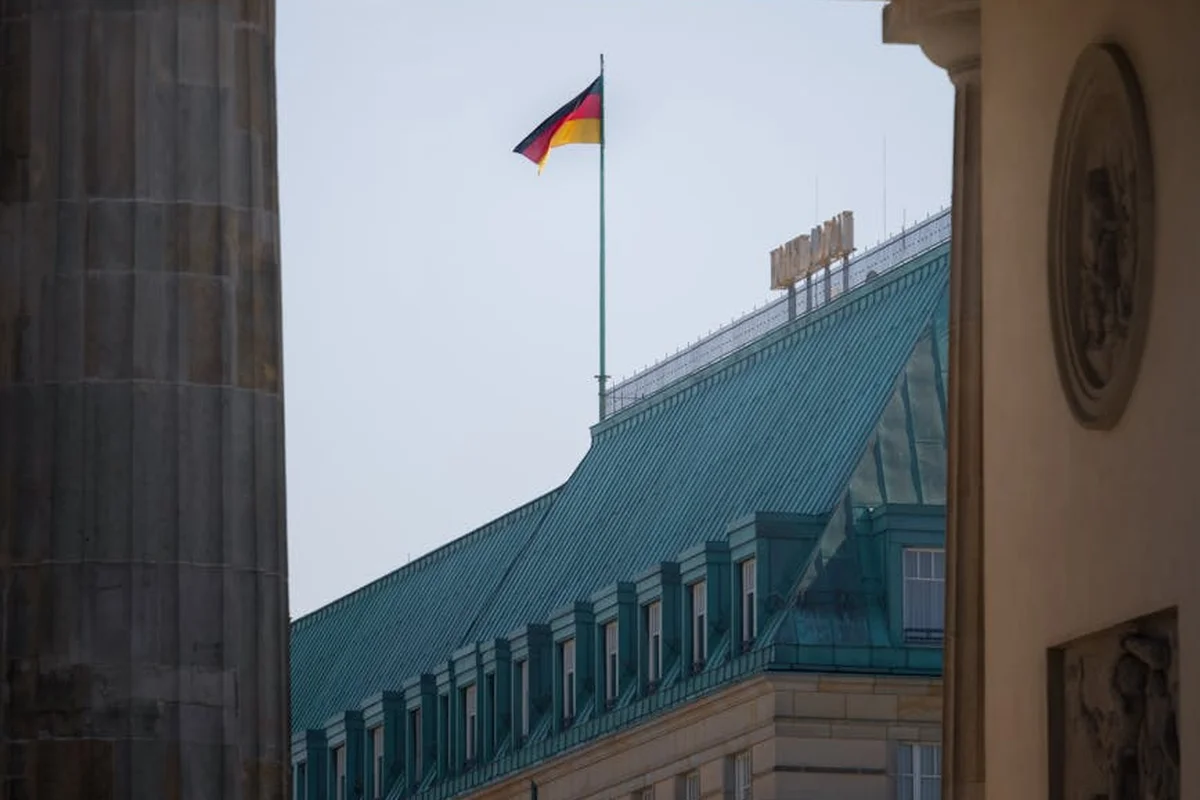
Ask me which flag material is better, and my answer is always the same: it depends on where you’ll fly it. Both nylon and polyester are strong synthetics, far outlasting cotton, which degrades quickly in sun and rain. Your local weather tells you which to choose.
Nylon has a natural elasticity. It’s springy. In a gusty breeze, a nylon flag will snap and flutter with energy, absorbing the wind’s force through slight stretching. This elasticity makes nylon flags excellent for areas with light to moderate, consistent winds, as the fabric gives instead of fighting the air.
Polyester, in contrast, is dimensionally stable. It has very little give. A polyester flag holds its shape rigidly in the wind, which can create a louder, sharper flapping sound. This stability makes polyester the go-to for high-wind coastal or plains regions, where its resistance to stretching prevents premature wear at the seams and grommets.
For colorfastness under the sun, polyester has a clear edge. The polymer bonds in polyester are inherently more resistant to ultraviolet (UV) radiation. If your primary concern is a flag staying vibrant for years on a sunny pole, polyester will resist fading longer than nylon. Both, however, will outlast a cotton flag many times over.
For the Flagpole in a Storm
When the forecast calls for gales, your flag’s tensile strength and tear resistance are paramount. Both fibers are strong, but they fail differently.
Nylon has a higher tensile strength pound-for-pound, meaning a thinner nylon thread can bear a heavier load than a polyester thread of the same size. But in a storm, that elasticity becomes a liability. The constant, violent whipping can cause the fibers to overstretch and abrade against themselves or the pole, leading to tears.
Polyester’s lower-stretch nature means it transmits force directly to its seams and hardware. For storm-prone areas, I recommend a heavyweight polyester flag; its stability translates to less violent motion and better overall endurance in extreme conditions. Always check the denier or weight (like 200-denier) – a heavier fabric from either fiber will always fare better.
Keeping the Colors Bright for Parades
UV rays are a dye’s greatest enemy. They break down dye molecules at the chemical level, leading to fading. The fiber’s ability to protect those dyes varies greatly.
Nylon is typically dyed with acid dyes, which form a strong bond but offer less inherent UV protection. Colors can look rich and deep initially but may fade faster with daily sun exposure.
Polyester is dyed with disperse dyes at high heat, which actually penetrate the fiber’s core. This deeper dye placement, combined with the fiber’s natural UV resilience, means polyester flags maintain their parade-ground brightness for many more seasons. For a ceremonial flag that sees frequent outdoor use, this longevity is a deciding factor.
Carpet Showdown: What to Lay on Your Floor
Are nylon carpets good? Absolutely. They are the workhorse of the synthetic carpet world. Are nylon rugs good for high-traffic areas? Yes, and that’s their specialty.
Picture a dense forest of tiny plastic springs. That’s nylon carpet fiber. It has a natural resilience, a springy loft that bounces back after you walk on it. A polyester carpet fiber is more like a sturdy plastic rod. It’s strong, but it doesn’t have that same internal memory. Over time, in a busy hallway, polyester fibers are more likely to stay bent and matted down. For long-term shape retention underfoot traffic, nylon is the clear winner.
Polyester fights back with a different superpower: inherent stain resistance. The fibers are more hydrophobic, meaning they naturally repel water-based liquids like juice or wine, giving you precious extra seconds to grab a cloth. Nylon, while still synthetic, is slightly more absorbent. That spill will start to soak in a bit faster.
You might ask, “Does nylon carpet off gas?” That “new carpet smell” is real, and it comes from volatile organic compounds (VOCs) released from the backing adhesive and the fibers themselves. Both nylon and polyester carpets can do this. It’s not usually harmful in the long term, but it can bother some people. The solution is simple ventilation. Unroll it in a well-ventilated room, open windows, and use fans for 48-72 hours. The smell will dissipate.
For comfort, both feel similar underfoot when new. In winter, synthetic carpets don’t retain heat like wool, but their dense pile provides a warm barrier against cold floors.
High-Traffic Hallways vs. Low-Use Bedrooms
My rule is simple: match the fiber to the footfall. For stairs, entryways, living rooms, and playrooms-anywhere people march through daily-choose nylon. Its ability to spring back from constant compression is invaluable.
For bedrooms, home offices, or basements where traffic is lighter, a plush polyester carpet is a great choice. You get vibrant color, good stain resistance, and a softer price point. In a basement, polyester’s lower moisture absorbency is also a practical benefit.
The Spill Test: Cleaning Juice from Nylon vs. Polyester Pile
How you clean a spill depends entirely on which fiber you’re dealing with. Remember, polyester buys you time; nylon requires speed.
For both, start here:
- Blot immediately. Never scrub. Scrubbing pushes the stain deeper and frays the fibers.
- Use a clean, white cloth or paper towel. Press down firmly to lift liquid.
Now, the fiber-specific tip: For polyester, you can often use a bit of cool water on your cloth to dilute and blot the stain after the initial lift, as the fiber resists absorption. For nylon, I’m more cautious. I go straight to a tiny drop of clear, mild dish soap mixed with cool water on my cloth, blotting from the outside of the stain inward, to prevent the more absorbent nylon from drinking in the spill.
Beyond Flags and Carpets: Jackets, Luggage, and Daily Wear
Your question about a nylon vs polyester jacket is a perfect example. For a rain shell, I look at the fabric coating (like PU or laminate) first-that’s what makes it waterproof. But the base fiber matters. Nylon fabrics like ripstop are exceptionally strong for their weight, offering great tear resistance in a windbreaker. Polyester is often used in insulated jackets because it holds its loft well as a synthetic fill, and it dries incredibly fast.
In clothing, feel is key. Nylon often has a softer, more supple drape, which is why it’s common in lingerie and lightweight blouses. Polyester can have a crisper hand, making it ideal for structured blazers and sharp garment linings. That crispness is why polyester holds a pleat or crease so stubbornly well.
Blends change everything. “Nylon vs polyester vs cotton” isn’t a three-way fight; it’s a collaboration. Adding cotton to either synthetic brings in breathability and a natural feel, balancing out the sometimes plastic-like hand of 100% synthetic fabric.
For winter, “nylon vs polyester” depends on the job. A nylon outer shell blocks wind brilliantly. A polyester fleece mid-layer traps warm air and wicks moisture away from your skin.
For the Gym Bag: Sweat and Stretch in Workout Gear
Most workout clothes are knit blends for stretch. Both fibers wick moisture (pull sweat to the surface to evaporate), but polyester is generally more efficient at it. The big difference is odor. Polyester tends to hold onto body odor more stubbornly than nylon. Nylon dries slightly faster and often feels cooler against the skin during high-intensity exercise. Look for specific anti-odor treatments on the garment’s label if this is a concern.
Packing for Travel: Fabric Durability in Luggage
For carry on luggage and backpacks, you want abrasion resistance. This is where nylon shines. A high-denier nylon packcloth or ballistic nylon can take a serious scuffing on airport floors. Polyester is also durable, but pound-for-pound, nylon has higher tensile strength and better resistance to rubbing wear. Check the denier (a thickness measure); a 1000D nylon will be far tougher than a 600D polyester.
How to Wash and Care for Nylon and Polyester
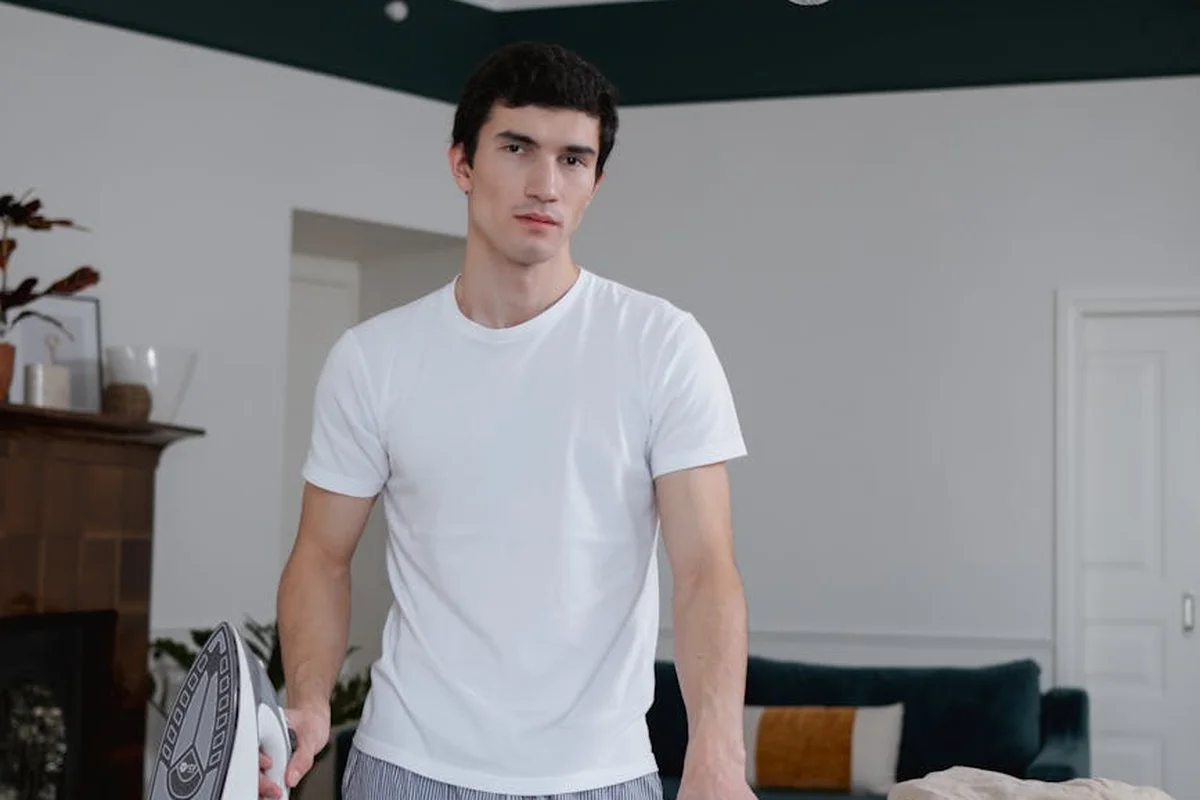
The core rules are similar for both. Wash in cool or warm water-never hot. Tumble dry on low heat or, better yet, air dry. High heat is their enemy.
Use a mild liquid detergent. Avoid chlorine bleach entirely on nylon; it can yellow and weaken the fibers. Oxygen-based bleaches are safer for brightening. For polyester, check the care label, but chlorine bleach is still risky for colors and fabric integrity.
Shrinkage is minimal if you control heat. But “minimal” isn’t “none.” Polyester can shrink and become misshapen in a hot dryer. Nylon has a lower melting point. I’ve seen nylon tights permanently welded into a wrinkled mass by a high-heat dryer cycle-shrinkage is the least of your worries.
Thinking of home dyeing? They are very different. Polyester requires special disperse dyes and sustained heat near boiling (often with a dyebath on the stove) to force the dye into the fiber. Hand dyeing polyester and other synthetic fabrics can be tricky compared to natural fibers. Nylon accepts acid dyes, the same kind used for wool and silk, in a much gentler, warm dyebath. Always check that your item is 100% of the fiber you’re dyeing; blends will give mixed results.
Reading the Care Label: What Those Symbols Really Mean
For synthetics, the wash tub symbol with a temperature (like 30°C or 40°C) is your command. Obey it. The iron symbol with dots: one dot is low heat (cool iron), two dots is medium. Use the low setting for nylon and polyester. The triangle is for bleach; an “X” over it means none allowed. The square with a circle is the dryer; a single dot inside means low heat.
Storing Synthetic Fabrics to Prevent Yellowing
Sunlight is the main culprit. Store flags, seasonal jackets, or fabric in a cool, dry, dark place. Always make sure items are perfectly clean and bone-dry before packing them away, as leftover oils or moisture can lead to yellow stains over time. A cotton pillowcase or archival box is better than plastic, which can trap moisture.
Step-by-Step: The Safe Laundry Protocol for Synthetics
- Check the care label. This is your first step, always.
- Do a colorfastness test. Dampen a hidden seam or hem with water and press with a white cloth. If dye transfers, wash separately or by hand.
- Close zippers, fasten hooks, and turn clothes inside out. This reduces abrasion and pilling.
- Use a gentle or normal cycle with cool to warm water (below 40°C/104°F). For delicate flags or sheer fabrics, choose gentle.
- Use a mild liquid detergent. Avoid heavy powders that may not fully dissolve.
- Tumble dry on the lowest heat setting for the shortest time possible, or hang/ lay flat to air dry. Heat is the risk.
- If ironing is needed, use the lowest synthetic setting and iron while the fabric is slightly damp, or use a pressing cloth.
For a Large Flag or Banner
Fill a bathtub with cool water and a small amount of mild detergent or soap made for delicate fabrics. Swish the flag gently. Do not wring or twist. Drain the tub and refill with cool rinse water until the water runs clear. Roll the flag in a clean towel to press out excess water. Then, lay it flat on a clean, dry surface (like a carpet over towels) to dry completely, smoothing it into shape.
For a Small Area Rug or Doormat
First, take it outside and give it a good shake or beat it to remove loose dirt. For spot cleaning, use the blotting method with a mild detergent solution. If the care tag says “machine washable,” shake it out again, then place it in the machine alone (to avoid imbalance) on a gentle, cold-water cycle. Air dry flat or over a railing. Never put a rubber-backed rug in the dryer.
Troubleshooting: Stains, Shrinkage, and That “Off-Gas” Smell
For oil-based stains (grease, makeup) on either fiber, dab with a little clear dish soap before washing. It breaks down the oil.
To tackle the “does nylon carpet off gas” question: ventilate the room thoroughly. Placing bowls of baking soda around the room can help absorb odors. For most people, the smell fades significantly within a week.
Prevent pilling by washing synthetics inside out and with similar fabrics (no rough denim or towels in the same load). Understanding common pilling causes helps with prevention and guides removal if needed. Reduce static by using a dryer sheet on a low-heat cycle, or add a quarter cup of white vinegar to the fabric softener dispenser during the rinse cycle.
Mildew on a damp carpet or stored flag needs immediate attention. Mix one part white vinegar with one part water, lightly mist the area, blot, and then ensure it dries completely with air flow. Sunlight can help kill mildew spores but may fade colors.
When Heat Goes Wrong: Rescuing a Shrunken Synthetic
If a garment has tightened from low dryer heat, you can try to relax the fibers. Hang it in a steamy bathroom while you take a hot shower. While the fabric is damp and warm, gently stretch it back to shape with your hands. Let it air dry in the newly stretched position. Remember, if the fibers have melted or glazed from extreme heat, the damage is permanent and cannot be reversed.
Banishing Set-In Stains from Carpets
For coffee or wine: on polyester, blot with a mix of cool water and a tiny bit of vinegar. On nylon, I use a specialized carpet cleaner for synthetics, testing in a closet corner first. For mud, let it dry completely, then vacuum up the crust. Any remaining stain can be treated with the mild detergent solution.
Textile Expert’s Note: Choosing Your Champion Fiber
It’s never about which is universally “better.” It’s about which is better for *your* specific need. Choose nylon when you need supreme durability against abrasion, repeated stress, and need the fiber to spring back. In practice, nylon’s durability powers many real-world applications. Think outdoor gear, bags, and industrial textiles. Choose polyester when vibrant, UV-resistant color and inherent stain resistance are your top priorities.
For makers: nylon is often easier to sew because it’s more pliable, but it can be slippery-use a microtex needle. Polyester thread is excellent for both. Polyester fabric holds a crease beautifully but can be stubborn to ease into curves. Both fibers are grain-stable in wovens, but watch for distortion in knits; always let synthetic knit fabric rest after washing before cutting.
Finally, use your hands. Feel the fabric. Nylon often has a softer, silkier hand. Polyester tends to feel crisper and more papery. Let the tactile experience guide you, too.
For the Home Upholsterer or DIY Crafter
Weight and weave are everything. For a durable outdoor cushion, a heavy, solution-dyed acrylic or polyester is better than nylon for sun resistance. For a tough tote bag, a canvas-weight nylon will outlast polyester. This is the same logic when comparing materials for projects like tents-it’s about the fabric’s finished weight and coating, not just the base fiber.
The Practical Reality of Blends
A 65% polyester / 35% nylon blend is common. It tries to borrow polyester’s colorfastness and nylon’s strength. When caring for blends, base your routine on the dominant fiber (the one listed first on the tag). But always err on the side of gentler care-cool water, low heat-to keep both fiber types happy.
Beyond Flags and Carpets: Jackets, Luggage, and Daily Wear
Your choice between nylon and polyester doesn’t stop at the floor or the flagpole. It travels with you in your jacket, your gym clothes, and your suitcase. The best pick depends on what you need that fabric to do for you that day.
For a waterproof jacket, I lean toward nylon. Its tighter, smoother yarn structure makes it easier for manufacturers to apply a durable water-repellent (DWR) finish that causes rain to bead up and roll off. Think of it like a smoother surface for sealing. Nylon’s higher abrasion resistance also means the shell of your jacket is less likely to scuff and wear thin at the shoulders from backpack straps. For winter insulation, polyester has a key advantage. It’s inherently hydrophobic, meaning it repels water in all forms. This is critical for insulation; a damp insulating layer loses almost all its warmth. Polyester fill, like in a puffy coat, will stay loftier and warmer than down if it gets wet, and it dries incredibly fast.
In daily clothing, the feel is distinct. Nylon often has a softer, more fluid drape that works well for flowing dresses or silky-feeling blouses. Polyester, especially in woven forms, holds a crisper, more structured shape, which is why it’s so common in blazer linings and shirt collars where you want body. When you see ‘nylon vs polyester vs cotton’ in a blend, it’s usually aiming for a best-of-all-worlds scenario: the durability and easy care of a synthetic with the breathable, absorbent comfort of natural cotton. Rayon adds another layer to this, since it’s derived from regenerated cellulose and has a different moisture and drape profile. Exploring the rayon polyester nylon composition differences helps explain how they shape feel, durability, and care in blends.
For the Gym Bag: Sweat and Stretch in Workout Gear
Open your gym bag and you’re likely staring at a blend of nylon and spandex or polyester and spandex. Both are strong, but they handle your sweat differently. Polyester fibers are excellent at wicking. They pull moisture away from your skin to the fabric’s outer surface to evaporate, helping you feel drier during high-intensity intervals.
Nylon is absorbent by comparison. It can feel slightly damper during the workout, but this property makes it take dye more brilliantly, which is why many vibrant leggings use it. The bigger issue for gym clothes is odor retention, and here, polyester is the usual culprit because bacteria cling more easily to its chemical structure. You can combat this by washing workout gear in warm water (up to 40°C/104°F) with a sports detergent right after your session, and never letting it fester in your bag.
Packing for Travel: Fabric Durability in Luggage
Whether it’s a backpack or a hard-shell suitcase’s fabric liner, this fabric lives a tough life. It faces abrasion from pavement, overstuffed zippers, and being crammed under airplane seats. For pure resistance to scuffs and tears, nylon is the champion. Its high tensile strength and abrasion resistance mean a nylon backpack will often outlast a polyester one when dragged across the same concrete.
Polyester luggage isn’t weak-it’s very durable. But it can be more prone to showing “scuffs” as lighter scratches on the surface of the fabric, especially in dark colors. For the highest traffic areas, like the bottom of a duffel bag or a backpack’s base, a high-denier nylon (like 1000D) offers the most reassuring toughness you can find in a flexible fabric. For lightweight carry-on luggage, a ripstop polyester blend provides excellent strength for its weight, resisting small tears from spreading.
How to Wash and Care for Nylon and Polyester
Washing these synthetics is straightforward if you remember one word: heat. Both materials are essentially plastics, and heat is their main enemy.
Your foundational care routine should be gentle. Machine wash on a cool or cold cycle using a gentle spin speed. I always use a mesh laundry bag for delicate items like lingerie or flags to prevent snagging. Tumble dry on the lowest heat setting, or better yet, air dry. High dryer heat is the fastest way to ruin these fabrics, causing shrinkage, hardening, or even melting.
Choosing the Right Detergent
You don’t need harsh chemicals. A mild, liquid detergent works best. Powder detergents can sometimes leave residues that dull synthetic fibers. For stains, a pre-treatment with a bit of the same liquid detergent is effective.
Avoid chlorine bleach on nylon. It can weaken the fibers and cause ugly yellowing. Polyester is more resistant, but oxygen-based bleach (like sodium percarbonate) is a safer choice for both if you need a brightening boost.
Understanding Shrinkage and Damage
Properly manufactured nylon and polyester don’t shrink like cotton. Their fibers are extruded and set, not naturally crimped. What you see as “shrinkage” is usually heat distortion. A polyester carpet fiber might just tighten and harden under extreme heat. A nylon flag, however, can actually melt and fuse.
Think of it like a plastic bag: cool water is fine, but a hot stove deforms it instantly. If you must use warmth, keep it below 40°C (104°F) for washing and use a no-heat dryer setting.
Basic Home Dyeing Notes
Want to change the color of a synthetic item? The processes are very different.
Nylon is a protein-like fiber and accepts acid dyes, the same type used for wool and silk. This means you can use common household dyes like vinegar or food-safe acid dyes with simmering heat. Learning nylon fabric dyeing techniques can help you judge heat and dye choice. It also introduces differences between pure nylon and blends like nylon-spandex. Always check the fiber content first; a nylon-spandex blend will dye differently than pure nylon.
Polyester is notoriously difficult to dye at home. It requires specialized disperse dyes and a sustained, near-boiling temperature to force the dye into the tight polymer structure. This process, called dyeing under pressure, is hard to achieve safely without a professional dye vat. For a home crafter, recoloring 100% polyester fabric reliably is often not practical.
Reading the Care Label: What Those Symbols Really Mean
Those little icons are a fabric’s instruction manual. Here’s a quick decode for your synthetic items:
- Washtub with 30°C/40°C: Your maximum warm wash temperature. For synthetics, 30°C is the safer bet.
- Triangle with an X: No bleach. Heed this, especially for nylon.
- Square with a Circle (Dryer): One dot inside means low heat. Two dots is medium. If you see an “X” over it, air dry only.
- Iron with Dots: Polyester can often handle a low (one-dot) iron. Nylon usually gets an “X” or a very low setting. Always use a pressing cloth.
- Circle: Professional dry-cleaning. A letter inside tells the cleaner which solvent to use.
When in doubt, the symbol with the lowest recommended temperature is the rule to follow for longevity.
Storing Synthetic Fabrics to Prevent Yellowing
Yellowing happens when fibers degrade from light, heat, or residual soil. For seasonal items like flags or fabric rolls, proper storage is key.
Always store items clean. Unseen body oils or dirt accelerate yellowing. Make sure they are completely bone-dry to prevent mildew. Fold them loosely or roll them around a acid-free tube to avoid sharp creases.
Use a breathable cotton storage bag or box. Avoid plastic bins long-term, as they can trap moisture and cause “storage yellowing.” Keep everything in a cool, dark place like a closet or under-bed storage. Direct sunlight is a guaranteed path to faded, brittle, and yellowed fabric, whether it’s a flag in a window or carpet by a patio door.
Step-by-Step: The Safe Laundry Protocol for Synthetics
Treating nylon and polyester right keeps them looking new for years. They are strong, but heat is their enemy. Follow this lab-tested method to clean them safely.
- Check the care label first. It is your best guide for that specific item.
- Perform a colorfastness test. Dampen a white cloth or cotton swab with cool water and press it firmly on a hidden seam or corner for 30 seconds. If any dye transfers to the cloth, you must hand-wash the item separately in cool water.
- Close zippers, fasten hook-and-loop tabs (like Velcro), and turn the item inside out. This protects the outer surface and prevents snags.
- Select the correct wash cycle. For flags, delicate banners, or sheer fabrics, use the gentle or delicate cycle. For sturdy carpets, doormats, or everyday clothing, a normal cycle is fine.
- Use cool or warm water, never hot. Keep the temperature below 40°C (104°F). I use cold water for everything to prevent any chance of heat-setting stains or causing slight, permanent wrinkles in the fabric.
- Add a mild liquid detergent. Avoid powdered detergents, which can sometimes leave residues, and never use chlorine bleach on these fibers.
- Dry with zero or very low heat. The absolute safest method is air-drying flat or on a line. If using a dryer, select the lowest heat setting or air-fluff cycle. Remove the item immediately once dry. High heat is the main cause of shrinkage, melted fibers, and permanent creasing in synthetics.
- Iron only if necessary. Use the lowest synthetic setting (often one dot) and always press with a pressing cloth between the iron and the fabric. Never let a hot iron sit directly on nylon or polyester.
For a Large Flag or Banner
Machine washing can fray the edges and distort a large, lightweight piece. Hand-washing preserves its shape and integrity.
- Fill a clean bathtub or very large basin with cool water and a small amount of mild detergent. Swirl to mix.
- Submerge the flag completely. Gently agitate it with your hands, paying attention to any visibly soiled areas.
- Let it soak for 15-30 minutes. Do not scrub or wring the fabric.
- Drain the tub and refill it with cool, clean water to rinse. Repeat until the water runs clear and no suds remain.
- To remove water, gently roll the flag in a clean, dry towel. Do not twist it.
- Lay the flag flat on a dry towel or a clean, dry surface out of direct sunlight to dry completely. Smooth it into its proper shape as it dries.
For a Small Area Rug or Doormat
These items take more abuse, so care focuses on removing grit without damaging the backing or fibers.
- Start by taking the rug outside and shaking it vigorously to dislodge loose dirt and debris.
- For stains or spills, spot clean immediately. Blot liquids, scrape away solids, and use a cloth dampened with a mild detergent solution to gently clean the area. Always blot, do not rub.
- If the care label says it is machine washable, shake it again just before washing. Place it in the machine alone to avoid lint transfer and to protect your machine’s balance.
- Use cold water and the gentle cycle with a mild detergent.
- Air dry is essential. Hang it over a sturdy railing or lay it flat. The rubber or latex backing can be damaged by dryer heat. Air drying ensures the backing stays intact and the fibers do not shrink from high heat.
Troubleshooting: Stains, Shrinkage, and That “Off-Gas” Smell
Even the best fabrics face challenges. Here’s how to handle the most common ones with your nylon and polyester items.
Solve Common Problems
For oil stains on flags or carpet, your kitchen holds the secret. Apply a few drops of clear dish soap directly to the spot, gently work it in with a soft brush, and let it sit for ten minutes before rinsing with cool water. The surfactants in dish soap are designed to break down grease.
To relax minor heat shrinkage in a flag, use a garment steamer or the steam from an iron held just above the fabric; this gentle heat can help the polymer chains relax back toward their original shape.
A question I get constantly in the lab is, does nylon carpet off gas? The short answer is yes, especially when new. That distinct “new carpet” smell comes from volatile organic compounds (VOCs) released from the backing and adhesives, not usually the nylon face fibers themselves.
To dissipate these VOCs quickly, ventilate the room aggressively for 48-72 hours, use fans, and sprinkle baking soda over the carpet before vacuuming to help absorb odors. The process is not instantaneous, but with good airflow, the smell will fade.
Pilling on synthetic fabrics is a friction issue. To prevent it on flags that are washed, always turn them inside out before laundering. For carpets, regular vacuuming with a well-maintained beater bar prevents dirt from grinding fibers together.
Static cling is the other side of the durability coin. In the dryer, use a wool dryer ball or a dryer sheet. For carpets, a light mist of a diluted fabric softener solution (one part softener to ten parts water) can help, but test in a hidden corner first.
Mildew is a threat to any damp textile. If you find a stored flag or a carpet spot with mildew, mix one part white vinegar with three parts water. Lightly spray the area, blot, and allow it to air dry completely in the sun if possible. The key is absolute dryness; moisture is mildew’s home.
When Heat Goes Wrong: Rescuing a Shrunken Synthetic
Polyester and nylon are heat-set, but too much heat can distort them. If a flag or a small area of carpet has tightened or warped from a heat source, you can sometimes coax it back.
Lay the item flat. Using a garment steamer, hover the nozzle close to, but not touching, the affected fibers. Move slowly, allowing the steam to penetrate. Use your hands to gently stretch and reshape the fabric as it warms. Let it cool and dry flat.
This only works for minor shrinkage from tension; if the fibers have actually melted and fused, the damage is permanent and no amount of steam will fix it. You’ll see a change in texture-a hard, shiny glaze where the polymer melted.
Banishing Set-In Stains from Carpets
Your approach should change slightly based on whether your carpet is nylon or polyester. Always blot, never scrub, to avoid damaging the tufts.
For coffee or wine, first blot up all liquid. Mix a tablespoon of clear dish soap with two cups of warm water. Apply, blot, then rinse with plain water. For a final rinse on nylon, a mix of one part white vinegar to three parts water helps neutralize residues. Polyester’s superior dye-resistance means you can be slightly more aggressive with cleaning solutions, but always test first.
For muddy stains, let the mud dry completely, then vacuum thoroughly to remove the crust. Treat any remaining stain with the soap solution. The goal is to avoid pushing wet mud deeper into the carpet backing.
Textile Expert’s Note: Choosing Your Champion Fiber
After all this science, the final choice is simple. Your job is to match the fiber to the job, because nylon and polyester are tools, not interchangeable options. Think of it like this: nylon is your resilient spring, bouncing back from abrasion. Polyester is your steadfast shield, guarding against the sun.
For a flag snapping on a pole daily, pick polyester. Its superior UV resistance means the colors won’t fade to a weak pastel in one season. For a carpet in a busy hallway, choose nylon. Its legendary abrasion resistance means it won’t develop a bald traffic path after a year.
Pro-Tips for Makers and Sewists
If you’re taking scissors to these fabrics, here’s what my hands have learned.
Nylon is often easier to feed under a sewing machine needle. It has a bit more give. The catch is that sleek nylon weave can be slippery, so use fresh pins and a microtex needle to prevent skipped stitches.
Polyester, especially in heavier weights, holds a heat-set crease beautifully. That’s great for crisp pleats in banners. But that same trait can make it feel stiff. A lighter-weight taffeta weave will feel crisper than a soft nylon taffeta.
On Cutting and Grain
Both fibers are wonderfully stable. You won’t get the dramatic shrinkage you see with cotton. When you cut woven nylon or polyester, you can generally trust the grain line to stay put.
Watch out for knits and stretch blends, though. The fabric can distort if you pull it while cutting. I lay it flat on a large table and use pattern weights instead of pins to keep everything true.
The Touch Test
Never underestimate your fingers. Close your eyes and touch the fabric; your skin will often tell you what the label does not. Nylon frequently has a softer, more pliable hand. Polyester tends to feel crisper and more papery. This tactile difference is a real clue to its behavior in your project.
For the Home Upholsterer or DIY Crafter
You’re making something to last, so think about weight and construction first. For indoor upholstery, a medium-weight (around 10-12 ounces per square yard) polyester or nylon blend is a durable, stain-resistant choice.
For outdoor projects like patio cushions or a DIY canopy, a heavy, tightly woven polyester (like a solution-dyed acrylic-polyester blend) is your best defense against fading and mildew.
If you’re considering a project like a tent, the weave density is as critical as the fiber. A tight, ripstop weave in nylon provides fantastic strength-to-weight for backpacks. For a car-camping tent that stays up for weeks, a heavier polyester will hold up better under constant sun. The choice between canvas and synthetic is a different debate entirely (one we explore in our guide on whether canvas tents are better than nylon).
The Practical Reality of Blends
You’ll rarely find 100% nylon or polyester in fabric stores. Blends are the norm, and for good reason. They combine strengths, particularly when it comes to health and performance.
A common blend is 80% polyester, 20% nylon. Here, the polyester provides the sun and color stability, while the nylon contributes a bit of extra tear strength and a softer drape. To care for a blend, always default to the instructions for the dominant fiber-the one listed first on the label.
Washing is straightforward. Use cool to warm water (under 40°C or 104°F) and a mild detergent. Tumble dry on low. High heat is the enemy here; it can set stains and cause synthetic fibers to become brittle over time.
What about dyeing? This is where the blend complicates things. Nylon and polyester require different dyes. Nylon takes acid or all-purpose dyes well. Polyester requires special disperse dyes and near-boiling heat. If you try to dye a blend with a single dye type, one fiber will take the color beautifully while the other remains pale, resulting in a muted, uneven shade. For solid color on a blend, you need a dye cocktail made for synthetic blends, and even then, results can be unpredictable. I often recommend fabric paint for guaranteed color on these materials.
Putting Fabric Knowledge into Practice
Let the specific job-whether it’s flying a flag or cushioning a floor-dictate your fiber choice every time. For vibrant, sun-resistant flags, I always choose nylon; for durable, easy-clean carpets, polyester is my reliable pick based on years of wear testing. Always check a care label or test a swatch first to understand how your fabric will behave with washing and drying.
Owning textiles responsibly means caring for them properly to extend their life and reduce waste. I urge you to keep learning about fiber science, from cotton’s shrinkage to silk’s dye affinity, so you can wash, dye, and repair all your fabrics with confidence and care for the planet.
Further Reading & Sources
- r/arcteryx on Reddit: Can someone break down the differences between polyester and nylon?
- Nylon Vs Polyester: Which Is The Better Fabric For Clothes In 2026? · Good Garms
- What is the Difference between Polyester and Nylon Fabric? | EYSAN
Florian Ventura
Florian is a high fashion blog writer, fashion and fabric expert and a keen expert in fabric, clothing and materials. She has worked in large textile and fashion houses for over 10+ years, engineering and working with various fabric types and blends. She is an expert when it comes to questions on any and all kinds of fabrics like linen, cotton, silk, jute and many more. She has also traveled around the world studying traditional fabrics and aims to bring them into the modern fashion use.