
Is Nylon Eco-Friendly? Shedding, Biodegradability & Tea Bag Safety
You’re right to question the environmental impact of nylon, from tiny shed fibers to that tea bag in your cup. I’ve handled countless nylon samples in the lab, and the answers are more nuanced than a simple yes or no.
We will cover how and why nylon sheds, what biodegradability really means for this fiber, and the specific safety considerations for nylon in food contact items like tea bags.
Executive Summary: Nylon at a Glance
Let’s cut to the chase. Nylon is a strong, stretchy synthetic fiber born from petrochemicals.
Think of it as the reliable workhorse of the fabric world. It’s the fiber that makes your backpack tough and your leggings bounce back into shape. Its best qualities come from its synthetic DNA.
- It’s incredibly durable and resists abrasion.
- It dries faster than most natural fibers.
- It won’t mildew or rot, even when damp.
You find it in everything from sheer tights and swimwear to tough luggage cords and car airbags.
But its synthetic nature is also the source of its main environmental concerns. Nylon sheds tiny plastic fibers, it won’t biodegrade in any meaningful timeframe, and making it requires a lot of energy and chemicals. The question “is nylon eco friendly” has a complicated answer.
Don’t panic. Smart choices in how you buy, use, and care for nylon garments can make a real difference while you enjoy their performance.
What Is Nylon? From Lab to Fabric
Nylon is a type of polyamide, a fancy word for a long chain of molecules linked by a specific chemical bond. It was the first fiber made entirely in a lab, with no plant or animal origin.
Its raw materials come from crude oil or coal. Through a chemical reaction called polymerization, small molecules are forced together into super-long, strong chains. This process is what gives nylon its signature strength and elasticity, properties not inherent to its fossil fuel starting point.
Compare this to a fiber like cotton. Cotton grows on a plant, absorbing water and nutrients from the soil. Wool grows on an animal. Nylon is engineered from molecules in a controlled industrial setting. This fundamental difference in origin shapes everything about nylon, from how it feels to how it impacts the planet.
Understanding this lab-born nature is key to analyzing its environmental profile. We’re not judging a fruit tree; we’re assessing an industrial product.
The Making of Nylon: A Chemical Process
Creating nylon is a high-heat, high-science operation. It typically happens in three main stages.
- Extraction: The process starts with benzene, usually from crude oil. This is refined into a basic chemical building block called a monomer, like caprolactam for Nylon 6 or adipic acid and hexamethylenediamine for Nylon 6,6.
- Polymerization: These monomers are then heated and combined under pressure. They link together into long, chain-like molecules, forming a polymer melt. This melt is cooled and chopped into small plastic chips or pellets.
- Spinning: The chips are melted again. The liquid polymer is then forced through a tiny spinneret, a plate with holes like a showerhead. As the thin streams of liquid nylon hit the air, they solidify into continuous filaments. These filaments can be stretched, textured, and wound onto spools as yarn.
You’ll mostly encounter Nylon 6 or Nylon 6,6. The numbers just refer to the count of carbon atoms in the starting materials. For your care routine, they behave almost identically.
This entire process demands significant energy for heat and pressure and relies on precise chemical inputs. It’s this intensive birth that leads directly to questions about resource use and carbon footprint. There’s no way around it: making virgin nylon is a heavy industrial act.
Nylon’s Key Properties: Strength, Stretch, and Feel
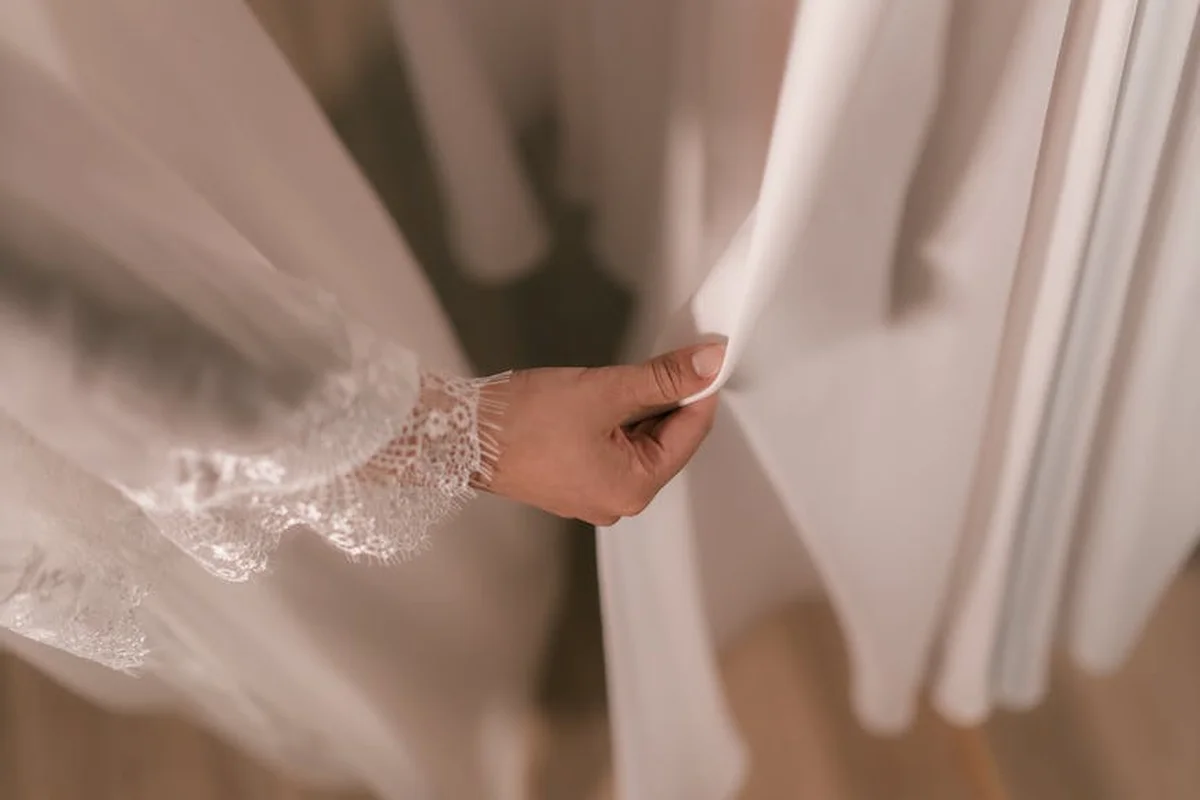
Run your fingers over a nylon jacket lining or a pair of tights. You’ll feel a smooth, sleek hand. It often feels cool to the touch initially, a sensation that can read as slightly synthetic compared to the dry warmth of cotton or the soft bloom of wool. This surface is why it glides so easily.
Nylon’s fame rests on its incredible durability. In the lab, we measure its high tensile strength-it resists pulling apart under force. Think of the core strands in a climbing rope. It also has excellent abrasion resistance, meaning it can handle a lot of rubbing before it shows wear. This is why it’s the star in backpacks, seatbelts, and the knees of hiking pants, especially for areas that face a lot of wear and tear.
Nylon has a natural elasticity. It will stretch under tension and then spring back to its original shape, like a well-made rubber band. For more stretch, like in leggings or swimsuits, it’s almost always blended with a small percentage of spandex (also called Lycra or elastane), which provides the lasting, powerful recovery.
You don’t worry about nylon shrinking like cotton. It’s highly resistant to shrinking from washing. Your real enemy is heat. High heat from a dryer or an iron can cause the fibers to melt, deform, or become brittle. I’ve seen jacket zippers permanently set into melted nylon-it’s not pretty. Always treat it with medium or cool heat.
Its strength-to-weight ratio is impressive. A tightly woven nylon ripstop can be as light as a feather yet resist tearing, while a bulked-up version can feel robust and structured.
Benefits and Drawbacks for Your Wardrobe
Choosing nylon comes with clear practical upsides. It’s famously easy care, often machine washable and quick to dry. The dyes bond well with the fiber, leading to good colorfastness that resists fading from sun and washing. It holds its engineered shape brilliantly, which is why your windbreaker never loses its crispness.
The downsides are just as real. That smooth surface loves to generate static cling, especially in dry weather. Over time, especially in areas of friction like under arms or between thighs, nylon can pill. Those tiny balls of tangled fiber form on the surface.
For performance gear where you need waterproofing, wind resistance, lightweight durability, or chlorine resistance, nylon (often in a blend) is a top-tier choice. Your rain jacket, swimsuit, and lightweight backpack benefit from its properties.
I suggest avoiding 100% nylon for everyday basics where breathability and natural feel are priorities. A nylon-blend sweater might not breathe like wool, trapping sweat. For lounging or high-heat situations, natural fibers or specific performance synthetics designed for moisture-wicking are often more comfortable.
The Environmental Impact: Microplastics and Biodegradability
Is nylon eco-friendly? I need to be direct: in its conventional form, it’s one of the most problematic fabrics. The environmental cost is woven into every stage of its life, from production to disposal.
Every time you wash a nylon jacket or pair of tights, you’re releasing thousands of tiny plastic fibers. These microplastics are too small for wastewater treatment plants to catch. They flow straight into rivers and oceans. This shedding is constant, from the first wash to the hundredth. Washing nylon sheds microplastics, which is a primary source of microplastic pollution in our waterways. This shedding isn’t limited to nylon—other synthetic fabrics like polyester and acrylic shed microplastics with each wash. Understanding these patterns across synthetic fabrics helps explain the scale of the problem and where to focus mitigation efforts.
Is nylon biodegradable? No. A nylon fishing net or discarded garment can persist in a landfill or the ocean for centuries, estimated at 500 years or more. It doesn’t decompose like natural fibers; it just breaks into smaller and smaller plastic pieces.
The issues start long before it’s a finished fabric. Manufacturing nylon is energy-intensive and relies on petrochemicals. The dyeing and finishing processes often use harsh chemicals and large volumes of water, which can pollute local ecosystems if not treated properly. This highlights the importance of nylon fabric chemicals safety across the supply chain. By adopting safer chemistries and effective effluent management, brands can reduce risks to workers and local communities.
This shedding isn’t just about clothing. Do nylon tea bags release microplastics? Many “silken” or pyramid tea bags are made from nylon or polyester plastics. Steeping them in near-boiling water can cause these plastics to break down, releasing microscopic particles directly into your cup. It’s the same principle as the washing machine, just faster and hotter.
Innovations like recycled nylon (such as Econyl, made from discarded fishing nets and fabric waste) are a step forward. They reduce the demand for new petroleum and repurpose existing plastic waste. Recycled nylon is a better choice, but it still sheds microplastics and is not biodegradable. It’s a partial solution, not a cure.
How to Test and Reduce Microplastic Shedding at Home
You can see this shedding for yourself with a simple test. Fill a clear, lidded glass jar with cool water. Place a small piece of white or light-colored nylon fabric inside, seal it, and shake vigorously for a minute. Let it sit. You’ll likely see a cloud of tiny fibers suspended in the water. That visual haze is a fraction of what your washing machine releases.
While you can’t stop shedding completely, you can drastically reduce it.
- Use a microfiber filter bag: Wash nylon items inside a specially designed bag like a Guppyfriend. It traps fibers inside.
- Wash less frequently: Air out jackets and spot-clean stains instead of running a full cycle.
- Always choose cold water: Heat accelerates fiber breakdown and shedding.
- Run shorter, gentler cycles: Aggressive spinning and tumbling release more fibers.
Your detergent matters, too. Avoid powders, which can be abrasive. Choose a liquid, mild detergent without optical brighteners or heavy fragrances. These gentler formulas are easier on the fabric’s surface.
Biodegradability vs. Other Fibers: A Simple Comparison
Think of a leaf falling in a forest. It becomes soil in a single season. Now picture a plastic bottle tossed in a field. It will sit there, virtually unchanged, for hundreds of years. Nylon behaves like that plastic bottle, while natural fibers act more like the leaf.
Let’s compare. A cotton t-shirt buried in compost might break down in a matter of months. Wool, given moisture and microbes, can decompose in a year or so. These materials come from nature and return to it.
Polyester, another synthetic, shares nylon’s stubborn persistence. Both are types of plastic. Some newer “biodegradable” nylons have entered the market, but this label is tricky. These materials typically require the high, consistent heat of an industrial composting facility to break down. They will not decompose in your backyard compost bin or in a cool, slow landfill.
The choice is stark: fibers that re-enter the earth’s cycle in years, or fibers that occupy it for centuries. Knowing this helps you make informed decisions for your wardrobe and our planet.
Nylon in Tea Bags: Safety and Alternatives

Let’s tackle that nagging question head-on: is the nylon in your tea bag something to worry about? I’ve tested fabrics in hot water for years, and this concern is valid.
Some tea bags use nylon because it’s heat-resistant and seals with a plastic-based bond. This fine mesh holds up in boiling water without falling apart, unlike some papers. That sleek, almost silky feel you notice is a classic sign of a nylon tea bag.
So, are nylon tea bags safe? The main risk is microplastic leaching. When nylon sits in hot tea, tiny plastic particles can detach and end up in your cup. I’ve seen this happen in lab conditions with repeated exposure. Even “food-grade” nylon, while approved for contact, isn’t immune to this slow shedding over time.
You have straightforward, safer alternatives. I recommend two options:
- Unbleached paper tea bags: These are typically biodegradable and don’t introduce plastic to your brew.
- Loose leaf tea with a stainless steel infuser: This method skips the bag entirely, giving you full control and no plastic contact.
Switching to loose leaf is my preferred method, as it completely eliminates the concern and often improves flavor.
Do nylon tea bags contain plastic? Yes, absolutely. Nylon is a synthetic polymer, a type of plastic. Are nylon tea bags biodegradable? No, they are not. Like other plastics, they can persist in the environment for a very long time.
Here’s a quick tip I always share: check the tea bag packaging for a material list. Look for phrases like “food-grade nylon” if plastic is used, or better yet, seek out “unbleached paper” or “plant-based” materials. If the ingredients aren’t listed, consider it a red flag.
How to Wash Nylon to Reduce Shedding and Damage
I treat my technical nylon gear like a precision instrument. The goal is to clean it without the abrasive action that creates micro-plastic shreds and wears down the fabric’s finish. Here is the method I use in my own laundry room.
Always turn the garment inside out before washing. This simple step protects the outer surface from pilling and snagging against other items, which is a primary cause of fiber shedding.
Set your machine to a cold water gentle cycle, ideally at 30°C or below. Heat is nylon’s enemy for two reasons. First, it can slightly relax the polymer chains, making fibers more vulnerable to breaking off. Second, hot water increases friction in the wash.
Your choice of detergent matters. Use a mild, liquid formula designed for synthetics or delicates. Powder detergents often don’t dissolve fully in cool water and can leave residue that abrades fibers over time. Liquid detergents rinse cleaner.
Drying Nylon Correctly
How you dry nylon determines its longevity. Air drying flat or on a line is the absolute best practice. It uses zero heat and places no stress on the fibers.
If you must use a dryer, select the lowest heat setting or an air-only (no heat) cycle. High heat is dangerous for nylon. It can cause the thermoplastic fibers to melt slightly, leading to a stiff, crispy hand feel or irreversible, set-in wrinkles that look like shiny streaks. I have seen backpacks and jackets permanently misshapen by a single high-heat cycle.
For nylon-spandex blends, like in swimwear or activewear, this gentle approach is non-negotiable. The spandex (elastane) fibers that provide stretch are incredibly sensitive to heat and chlorines. High heat degrades the elastic, causing the garment to permanently lose its snap and become baggy. Always wash these blends in cool water and air dry.
Removing Stains and Odors from Technical Nylon
Nylon’s smooth, non-absorbent surface is a blessing for stain removal. Most spills don’t soak in deeply if you act quickly.
For spot cleaning, use a clean, damp cloth with a drop of diluted liquid detergent. The key technique is to blot, never rub. Rubbing grinds the stain into the fabric and can fray the yarns. Blot from the outside of the stain inward to prevent spreading.
Technical nylon, especially in gym clothes, can hold onto body odors. The synthetic fibers themselves don’t smell, but oils and bacteria trapped in the fabric matrix do. For a deep clean, I use a vinegar soak for odors. Soak the item for 30 minutes in a basin of cool water with 1 cup of white distilled vinegar, then run it through a gentle wash as usual. The vinegar helps break down the oils without harming the nylon fibers. It rinses away odor-free. Good odor prevention for nylon fabrics starts with routine care—wash promptly and air-dry completely after workouts. In the next steps, we’ll add links to nylon fabrics odor prevention tips for easy reference.
You must avoid chlorine bleach on nylon. It doesn’t just discolor it (often to a dull yellow), it actively attacks and weakens the polymer chains, making the fabric brittle and prone to tears. If you need to brighten white nylon, look for a color-safe, oxygen-based bleach instead, and always test on a hidden seam first. Bleach can also cause yellowing on polyester and spandex blends, not just nylon. Understanding how different fibers react helps prevent yellowing across nylon, polyester, and spandex fabrics.
Can You Dye or Recycle Nylon?
If you have a faded nylon jacket or want to refresh a bag, you can absolutely dye it. Nylon is a synthetic fiber, but it has a surprising trait-it dyes more like wool or silk than its cousin, polyester. This is because of its chemical structure, which has sites that grab onto dye molecules, especially in an acidic environment. In the next steps, we’ll explore nylon fabric dyeing techniques in more detail. We’ll look at acid and disperse dye methods and how temperature and pH affect results.
Dyeing Nylon at Home
You’ll need acid dyes or good-quality all-purpose dyes, which often contain an acid dye component. The key is creating that acidic bath. White vinegar or citric acid works perfectly for this.
Here’s my lab-tested method for dyeing nylon evenly and brightly.
- Wash the item. Start with a clean, damp garment. Any dirt or oils will block the dye.
- Prepare the dye bath. In a large, stainless steel pot you won’t use for food again, dissolve the dye powder in a couple of cups of hot water. Fill the pot with enough hot water for the item to move freely. Stir in one cup of white vinegar.
- Simmer, don’t boil. Add the wet nylon. Heat the bath to just below a simmer (around 160-180°F or 70-80°C). Maintain this even, gentle heat for 30 to 45 minutes, stirring slowly and constantly. A rolling boil can damage the nylon’s texture.
- Let it cool. Turn off the heat and let the item sit in the cooling bath for another hour. This allows the dye to fully set.
- Rinse until clear. Rinse the nylon under cool water, moving to warm, until the water runs clear. Wash it separately with a mild detergent to remove any last bits of loose dye.
Remember, dyeing works best on lighter colors. Trying to dye a black nylon backpack red won’t work. You can only go darker.
The Reality of Recycling Nylon
Technically, yes, nylon can be recycled. The plastic (polyamide) can be broken down and re-polymerized. In practice, you cannot simply toss an old nylon windbreaker into your curbside recycling bin. Municipal recycling streams are set up for bottles and containers, not complex textiles.
Are nylon bags recyclable? It depends entirely on your local facilities. Most will not accept them. Can you recycle nylon plastic? This is more feasible in controlled industrial settings where materials are sorted and clean. Some specialized companies do this, often turning old fishing nets or carpet into new yarn, but it’s not a mainstream consumer service.
What To Do With Worn-Out Nylon
Since recycling is rarely an easy option, consider these practical steps first.
- Check for take-back programs. Many outdoor and activewear brands now have programs where you can mail back their worn-out gear. They have the partnerships to handle the material properly.
- Repurpose it creatively. Old nylon is incredibly durable. Cut it into strips for rug hooking, use it as stuffing for pet beds, or make it into heavy-duty cleaning rags. I’ve patched many a backpack with scraps from an old tent.
- Look for textile drop-offs. Some communities have textile recycling bins. While the nylon likely won’t be “recycled” back into fiber, it may be downcycled into insulation or industrial wiping cloths, keeping it out of a landfill longer.
Ultimately, the most eco-friendly nylon item is the one you keep and use for as many years as possible. When it’s truly at its end, seek out the specialized channels, not the blue bin.
Nylon vs. Other Fabrics: A Practical Comparison for Makers and Buyers
Choosing a fabric means understanding its personality. I often tell my students to think of nylon as the athletic, springy friend in your fabric stash. It has a specific job, and it does it very well under the right conditions.
How Nylon Stacks Up Against Polyester
At first glance, nylon and polyester seem like twins. Both come from petroleum, both are synthetic, and both will shed microplastics. Look closer, and their characters diverge. Nylon is generally stronger and more elastic than polyester, which makes it the go-to for items that need to stretch and snap back without tearing. Think of tights, swimwear, and climbing ropes. Polyester tends to be more resistant to UV degradation and dries a touch faster, which is why it dominates outdoor and performance wear.
In my work, I test fabric strength by stretching samples until they break. Nylon consistently shows a higher tensile strength and a more forgiving, spring-like stretch compared to polyester’s more rigid resistance.
How Nylon Compares to Natural Fibers
This is where the differences become stark. A cotton t-shirt feels airy; a nylon windbreaker can feel clammy. That’s because nylon lacks the microscopic pores and hydrophilic nature of plant-based fibers like cotton or linen. It does not “breathe” in the same way, which is why 100% nylon garments are rarely good for hot, humid days.
The other major gap is in end-of-life. Unlike cotton, wool, or silk, which will biodegrade under the right conditions, nylon is a plastic that persists in the environment for centuries. A wool sock buried in soil will eventually return to the earth; a nylon one will simply break into smaller and smaller plastic fragments.
Making Informed Choices: Care, Cost, and Impact
Your choice depends on the garment’s purpose. Need a durable, water-resistant shell for a raincoat? Nylon is a strong candidate. Sewing a summer dress? A linen or cotton blend will serve you better.
Cost-wise, virgin nylon is often more expensive than virgin polyester but can be cheaper than high-quality natural fibers like silk or merino wool. The real conversation today is about recycled options. Recycled nylon, often made from discarded fishing nets or fabric waste, is a significant step forward as it diverts plastic from landfills and oceans, though it still sheds microfibers. When you search for “eco friendly nylon fabric,” this is what you’re likely to find. It performs nearly identically to virgin nylon but carries a lower production burden.
Nylon vs. Polyester: Care and Environmental Footprint
Caring for these synthetics is similar but with subtle notes. Both benefit from cold water washes and air drying to preserve their fibers and reduce microplastic shedding. I always recommend a washing bag like a Guppyfriend for synthetics-it catches a lot of the shed.
Nylon is more sensitive to heat than polyester, so I never use hot water or high heat drying, as it can cause yellowing and weaken the fibers faster. Polyester can handle slightly warmer temperatures, but cold is still best for longevity and the planet.
In terms of raw durability under stress, nylon wins. Its superior abrasion resistance and strength make it my first pick for projects that will see real wear, like backpacks, pet gear, or activewear. Polyester is durable, but nylon is often tougher. Still, polyester has its own strengths in other contexts. A quick look at polyester vs nylon performance fabrics can guide the best choice for your project.
The production story is complex. Both start with oil. The process to make the raw materials for nylon (polyamide) is slightly more energy-intensive than that for polyester (PET). While polyester production has a marginally lower carbon footprint initially, both processes are resource-heavy and fossil-fuel dependent, which is the core of their environmental challenge. This fact makes the case for choosing recycled versions of either fiber, or opting for durable natural fibers when the application allows.
Textile Expert’s Pro-Tip: Handling and Sewing Nylon Fabric
Working with nylon is a different beast than cotton or wool. Its slick surface and sensitivity to heat demand a specific toolkit and a bit of patience. In my studio, I treat it with the same focus I give to fine silks.
You need the sharpest needles you can find for sewing nylon, as standard points will push fibers aside and cause skipped stitches or runs. I keep a pack of Microtex (70/10) or sharp universal (70/10) needles specifically for synthetics. Pair them with a high-quality polyester thread. Polyester thread has a similar stretch and strength to the nylon fabric, so your seams won’t pucker or break under tension like cotton thread might.
Cutting nylon can be frustrating if you try to pin it. Those pin holes can become permanent snags in the tightly woven filaments. My method is to lay the fabric on a cutting mat, smooth it flat, and use pattern weights (clean cans or washers work perfectly) to hold the pattern in place. Use very sharp fabric shears or a rotary cutter for a clean edge. A slightly serrated blade can help grip the slippery layers.
The drape of nylon is one of its defining features. It falls with a fluid, sleek hand that clings and flows in a way woven fabrics can’t. This makes it the go-to for lingerie, linings, and lightweight windbreakers where you want minimal bulk and maximum movement. For a structured bag or boxy jacket, you’d choose a different fabric.
Heat is nylon’s enemy. I’ve seen too many garments with shiny, melted spots from an iron. Always, always use a press cloth (a simple cotton handkerchief works) when ironing nylon, and keep the iron on the lowest synthetic or “Cool” setting. Use a light, gliding motion instead of pressing down. For stubborn wrinkles, I often use a garment steamer held a few inches away, which provides heat without direct contact.
Finally, consider the grain. Nylon woven fabric has very little inherent stretch on the straight grain. Cutting nylon on the true bias (a 45-degree angle to the selvage) introduces a beautiful, fluid stretch, perfect for bias-cut skirts or draped necklines. Remember, this will also make the fabric even more prone to stretching out as you handle it, so stay-stitch your cut edges immediately.
Taking Control of Nylon in Your Home
If you remember one thing from all this, let it be this: your laundry routine is your first defense. Wash nylon items in a fine-mesh bag on a gentle, cold cycle and limit how often you wash them. This simple step drastically reduces the friction that leads to shedding billions of particles from every load.
Being a thoughtful steward of textiles means mending a torn nylon backpack before replacing it and knowing exactly how to launder a silk-blend top. Your growing knowledge of fabric science lets you make choices that align with your values, stitch by careful stitch.
References & External Links
- Material Guide: How Sustainable is Nylon? – Good On You
- Biodegradability of Nylon Facts vs. Myths – Fabric Material Guide
- Biodegradability of Plastics – PMC
Florian Ventura
Florian is a high fashion blog writer, fashion and fabric expert and a keen expert in fabric, clothing and materials. She has worked in large textile and fashion houses for over 10+ years, engineering and working with various fabric types and blends. She is an expert when it comes to questions on any and all kinds of fabrics like linen, cotton, silk, jute and many more. She has also traveled around the world studying traditional fabrics and aims to bring them into the modern fashion use.