
Moleskin vs. Suede Cloth: Is It Weft-Pile or a Brushed Finish?
You’re likely touching two fabrics that feel similarly soft and look alike, but one will last through seasons while the other needs gentler handling. I can show you how to tell them apart in seconds based on their construction.
We will cover the dense weft-pile structure of moleskin, the surface-brushed technique of suede cloth, how each reacts to washing and shrinkage, and my tested methods for dyeing and daily care.
Executive Summary: Your Quick Fabric Guide
Moleskin is a dense, tightly woven cotton with a soft, suede-like finish. Suede cloth is a woven fabric, often a cotton and polyester blend, with a napped, fuzzy surface.
The feel comes from different places. Moleskin gets its unique texture from its construction, using a weft-pile weave, while suede cloth gets its feel from a mechanical brushing process applied to a finished fabric.
Choosing between them often comes down to durability versus softness. Moleskin is extremely durable and wind-resistant, but it can feel stiff when new. Suede cloth is softer right away and has a more fluid drape, but it is less durable and more prone to pilling and snagging. Knowing these differences helps when comparing to other fabric leather materials.
Pick moleskin for hard-wearing pants, sturdy jackets, and workwear that needs to last. Choose suede cloth for cozy linings, casual shirts, craft projects, and decorative pillows where a plush feel is the priority. You can also find perfect fabrics for shirts, dresses, and pants that balance comfort and durability.
What Are Moleskin and Suede Cloth, Really?
Let’s start with a common misconception. Moleskin is named for its soft, suede-like hand, not because it contains animal skin. Its heritage is in durable workwear. I love it as a fantastic, high-performance alternative to suede leather. You get that luxurious tactile quality without any animal-derived materials. It’s a win for conscious making.
Suede cloth is a bit more of a catch-all term. It refers to any woven fabric that has been brushed or sanded on one side to raise a fuzzy nap, mimicking the look of suede leather. Unlike moleskin, it’s not defined by a specific weave. The suede-like texture is a finish added after weaving, not an integral part of the fabric’s structure.
Fiber content is a major differentiator. Authentic moleskin is almost always 100% cotton. This pure composition is key to its performance and care. Suede cloth, however, is typically a blend of cotton and polyester. The polyester adds stability and reduces cost, but it changes how the fabric behaves with water, heat, and dye.
Handling Pro-Tip: Drape and Feel
When you handle these fabrics, the difference is immediate. Moleskin has a substantial, structured drape similar to a heavy cotton twill or canvas. It holds its shape. Suede cloth has a much softer, more fluid drape. It bends and flows easily, which is why it’s so popular for linings and softer garments.
The Fabric Science: Weft-Pile Weave vs. Brushed Finish
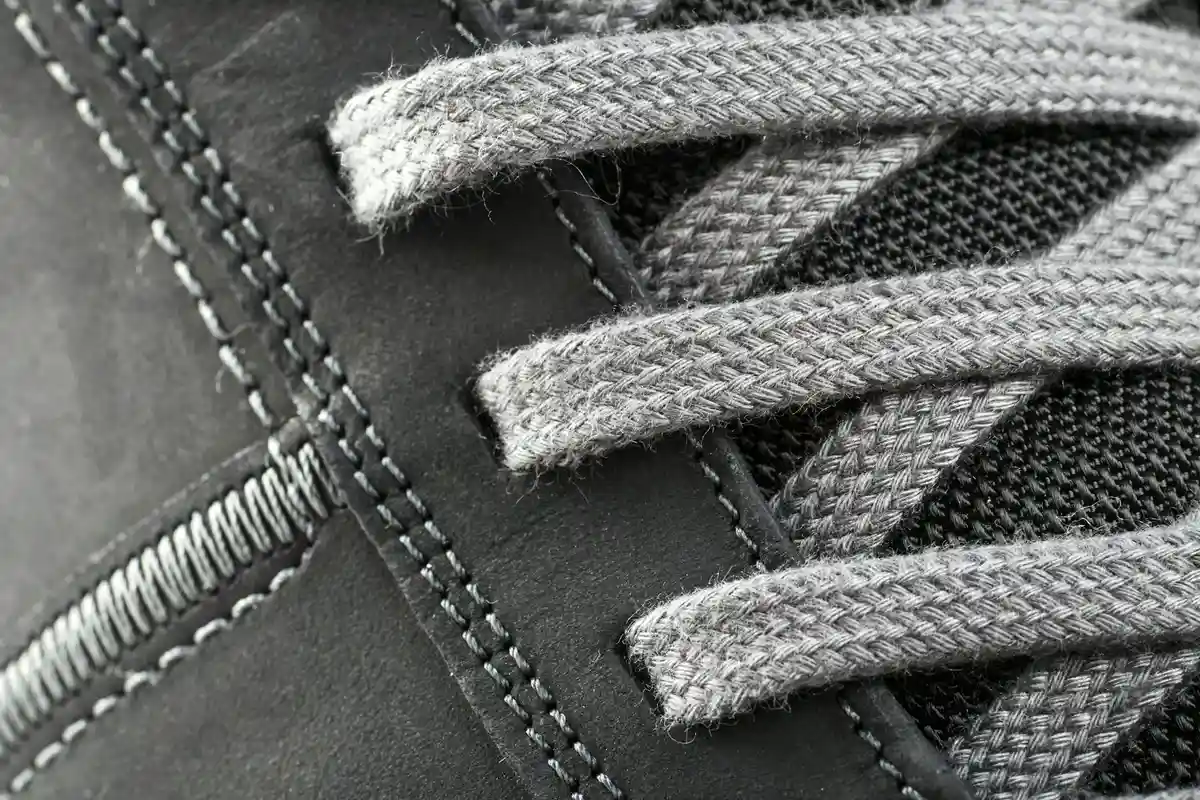
To understand these fabrics, start with a simple comparison in your mind. Picture a tightly shaved, low-pile carpet. The fibers are locked into the backing. That’s moleskin. Now, imagine a woven wool blanket. If you teased its surface with a brush, you’d raise a soft fuzz. That’s suede cloth.
The weft-pile construction of moleskin makes the pile an integral, structural part of the fabric itself. During weaving, extra weft threads are woven in to form tiny loops across the surface. These loops are then cleanly sheared off, creating that uniform, velvety nap. The pile you feel is made from these anchored loops, cut to a precise height. It’s built in, not added on.
Brushing, the process used on cotton twill and suede cloth, is purely a surface treatment. After a fabric like cotton twill is woven, it passes over rotating cylinders covered in fine, hooked wires. These wires act like a giant, industrial hairbrush. They catch and pull the loose fibers from within the spun yarn, dragging them to the surface to create a soft, fuzzy nap.
The result for durability is night and day. Because the pile of moleskin is woven in, it is remarkably hard to wear off. I’ve handled vintage moleskin trousers where the base fabric shows fading long before the velvety surface gives out. The brushed fibers on suede cloth, however, are just sitting on top; they can mat down, pill from friction, or gradually wear away with aggressive cleaning or use.
Choosing Your Fabric: Pants, Jackets, Shirts, and More
When you search “moleskin vs suede pants,” you’re asking about two different worlds. Moleskin pants are workhorses. They offer great wind resistance, substantial durability for casual wear, and a clean, structured drape that looks neat. Suede cloth pants aim for a softer, lounge-focused comfort. They feel broken-in immediately but will show wear more quickly on the thighs and seat.
For jackets, the divide is clear. A moleskin jacket is a true outerwear layer. It can stand up to autumn winds and light brush in the woods. A suede cloth jacket is often a fashion-focused blouson or lightweight layer, sometimes used as a cozy lining. It provides warmth through loft, not weather resistance.
You’ll rarely find a true moleskin shirt. The fabric is simply too heavy and stiff for a comfortable shirt structure. When you see a “suede cloth shirt,” think of a brushed twill or flannel. It’s all about that soft, flannel-like hand against the skin, perfect for a relaxed shirt.
Comparing both to jeans answers a common question. Moleskin is warmer and far less rigid than raw denim, and its smooth surface dresses up more easily with boots and a jacket. Suede cloth is not a substitute for denim’s ruggedness. It’s a comfort alternative, sacrificing durability for a softer, more casual feel. Denim will outlast both in high-abrasion scenarios.
The Care Protocol: Washing, Drying, and Beating Shrinkage
Let’s translate that lab knowledge into laundry-day action. Caring for silk and other deli fabrics is straightforward once you respect their unique structures.
Step-by-Step: How to Launder Moleskin
- Instruction: Machine wash cold on a gentle cycle. Use a mild, neutral pH detergent.
- Reason: Cold water keeps the dense cotton fibers from relaxing and shrinking too much. A gentle cycle prevents the heavy weave from abrading itself.
- Pitfall: Hot water is the enemy here. It causes the cotton fibers to contract permanently, a process called relaxation shrinkage. Heavy agitation can also felt the soft pile, making it stiff.
- Test: I always dab a hidden seam (like inside a waistband) with a wet, white cloth. If dye transfers, wash it alone the first few times.
Step-by-Step: How to Launder Suede Cloth
- Instruction: Turn the garment inside out. Place it in a mesh laundry bag. Machine wash cold on a delicate cycle.
- Reason: The bag and delicate cycle shield the raised, brushed nap from snagging and tangling with other items. Turning it inside out protects the surface.
- Pitfall: High heat or a regular wash cycle will smash and mat that beautiful nap flat. It also dramatically increases pilling on synthetic blends like polyester-cotton.
Drying and Shrinkage Control for Both
Lay them flat to dry, every single time. Tumble drying on high heat is a sure way to damage the texture you bought them for.
Shrinkage works differently for each. Moleskin, being woven cotton, can permanently shrink between 3% to 5% with heat drying. Think of it like a sponge tightening up as it dries. For practical tips on preventing shrinkage, consult the fabric shrinkage care guide. It covers washing and drying specifics for different fabrics.
Suede cloth is trickier. The polyester in a common 65/35 poly-cotton blend resists shrinkage, but the heat will still wreck the nap. A 100% cotton brushed twill will shrink more like a regular cotton garment, unlike polyester-spandex blends that are designed to prevent shrinkage.
Here is my method for a perfect finish. While the fabric is still damp, gently pull and smooth moleskin back to its original shape along the grain. For suede cloth, use a soft clothes brush (like one for sweaters) to brush in one direction, lifting the nap back to a velvety finish.
Dyeing and Long-Term Fabric Care
Thinking of a color refresh? Your options depend entirely on that underlying fabric structure.
- Dyeing Moleskin: This is a dyer’s dream. As a 100% cotton fabric, it takes fiber-reactive dyes (the standard for cotton) brilliantly. The dense pile holds color deeply, resulting in rich, vibrant hues. Follow standard cold-water dyeing procedures for natural fibers.
- Dyeing Suede Cloth: Check the fiber label first. A cotton-rich suede cloth can be dyed with the same fiber-reactive dyes. A polyester-dominant blend requires disperse dyes and near-boiling water, which will likely destroy the delicate brushed texture. I rarely recommend dyeing a polyester suede cloth.
- Safety Note: Always work in a well-ventilated space. Wear gloves, an apron, and a dust mask when handling dye powders.
- Long-Term Care: For moleskin, a quick pass with a clothes brush keeps it looking crisp. For suede cloth, a fabric shaver (de-piller) is your best friend for managing the inevitable pills that form on the brushed surface. Store both fabrics clean, folded smoothly to avoid sharp creases that can break the fibers in the nap.
- Final Pro-Tip on Sewing: When sewing moleskin, use a heavy-duty (size 90/14 or 100/16) needle to punch through the dense weave. A walking foot on your machine helps feed the layers evenly. For suede cloth, a sharp microtex needle creates clean holes. Always place pins within the seam allowance, as pin marks can leave permanent dents in the soft nap.
Your Fabric Care Strategy
I advise you to always match your cleaning method to the fabric’s construction: machine wash moleskin gently inside out to safeguard its weft-pile, but only spot clean suede cloth to preserve its brushed nap. Getting this right is the simplest way to ensure both fabrics last for seasons.
Treat every garment with the respect its fibers deserve, whether it’s cotton that shrinks or polyester that holds dye, to make eco-friendly choices that cut down on waste. And when linen comes into play, learning how to shrink linen fabric clothing safely can help you tailor fits without waste. Your journey in textile science doesn’t end here-keep testing how fabrics react to heat and detergent, and you’ll become a more responsible owner.
Industry References
- r/SwingDancing on Reddit: Moleskin as a cheap alternative to suede?
- Moleskin – Wikipedia
- Faux Suede, Ultra Suede, Moleskin ? sewing discussion topic @ PatternReview.com
Florian is a high fashion blog writer, fashion and fabric expert and a keen expert in fabric, clothing and materials. She has worked in large textile and fashion houses for over 10+ years, engineering and working with various fabric types and blends. She is an expert when it comes to questions on any and all kinds of fabrics like linen, cotton, silk, jute and many more. She has also traveled around the world studying traditional fabrics and aims to bring them into the modern fashion use.