
Is Linen the Ultimate Pet-Friendly Fabric for Hair Resistance?
You love your pet, but you don’t love their fur on your favorite chair. I understand the daily battle. The straightforward answer is that linen, by its very nature, is one of the most pet-hair-resistant natural fabrics you can own.
In this article, I will share my textile lab insights and home-tested advice on how linen’s unique texture and fiber structure works against hair, what weave works best, the best cleaning methods for fur and odors, and how it compares to other common upholstery fabrics.
Executive Summary – The Quick Verdict on Linen and Pets
Is linen a pet-friendly fabric? The direct answer is yes, but with nuance. Linen offers moderate resistance to pet hair because of its smooth, tightly woven surface and its low tendency to generate static electricity.
Its texture provides a less welcoming landing pad for fur compared to plush, fuzzy materials.
The Top Pros for Pet Owners
- Natural and Breathable: It wicks moisture and allows air to circulate, helping to regulate temperature for a pet napping on it.
- Inherently Durable: Linen fibers are among the strongest natural fibers, resisting pilling and wear from claws (within reason).
- Easier to De-Fur: A lint roller, rubber glove, or damp cloth often lifts hair off its sleek surface effectively.
The Honest Cons to Consider
- It Wrinkles, Deliberately: That relaxed, crumpled look is part of its charm, but it can look messy if you prefer a crisp aesthetic.
- May Show Scratches: A cat’s sharp claws can catch and pull individual threads, potentially leaving visible marks on a tightly woven linen.
- Specific Care Required: To maintain its strength and smoothness, it needs gentle washing and often air drying.
Linen works best in pet homes as a removable, washable layer. Think of machine-washable slipcovers, duvet covers you can strip off weekly, or throws tossed over the sofa.
How does it stack up? Compared to a soft, fuzzy cotton flannel that traps every hair, linen is far superior for cleanup. Against a synthetic like polyester, which builds static that magnetically attracts fur, linen’s natural neutrality is a clear win for hair management.
Linen 101 – What You’re Really Working With
Linen comes from the stalk of the flax plant, not from a seed boll like cotton. This origin gives it a distinct personality. Flax fibers are long, smooth, and incredibly strong from the start. Linen is the fabric made from the flax plant, showcasing the plant’s natural strength and texture. By nature, flax plants yield sturdy fibers ideal for durable linen fabrics.
Touch a piece of quality linen. You’ll feel a crisp, dry hand-not soft and fuzzy, but cool and substantial. It has a subtle, natural luster. And yes, it wrinkles, but in a relaxed, lived-in way that becomes part of its texture. This crisp, smooth surface is your first defense against pet hair adhesion.
Under a microscope, flax fibers are hollow. This unique structure is the secret to its legendary breathability and temperature regulation. For a pet sleeping on a linen bed in summer, this means less heat buildup and more comfort.
From an eco-perspective, linen is fully biodegradable and requires less water and pesticides to grow than conventional cotton, which conscientious owners may appreciate.
An interesting side note for owners: that same smooth, low-friction surface that sheds pet hair is why linen pillowcases are often recommended for human hair care. They cause less tugging and breakage than cotton while you sleep.
From Flax to Fabric – Why Fiber Structure Matters
How flax becomes linen explains its pet-friendly traits. The process starts with retting, where stalks are soaked to break down the natural gums binding the fibers. This is followed by scutching and hackling, which comb and align the long fibers.
These long, aligned fibers are then spun into a sleek, hard-wearing yarn. Because the fibers are long and lay flat, the resulting yarn has fewer loose ends. Fewer loose ends mean the fabric surface stays smooth and is less likely to pill or create fuzz that can grab onto pet hair. The tight, crisp weave you see and feel is a direct result of this strong, orderly yarn. This inherent strength is what gives linen its durability against daily wear, including the occasional paw or claw.
The Pet-Hair Test – Science of Attraction and Release
Let’s get straight to the point. Does linen attract pet hair? The answer is more about physics than a simple yes or no. Hair sticks to fabric in two main ways: through static cling or by getting physically trapped in the surface texture. Linen, made from flax fibers, is a champion at avoiding the first problem.
I’ve tested this in my own home lab. Synthetic fabrics like polyester are notorious for generating static electricity. That zap you feel is the same force that makes dog hair leap onto your polyester sofa and cling there. Linen, a natural plant fiber, creates minimal static. If you’re choosing between fabrics, linen wins over synthetics when it comes to preventing static-based hair magnet issues.
Think of it like flooring. A sleek, polished wooden floor is like a tight linen weave. Pet hair sits on top. You can easily sweep or vacuum it away. A deep shag rug is like a fluffy cotton or wool knit. Hair works its way down into the pile and gets mechanically trapped. Linen behaves more like that wooden floor.
So, does cat hair stick to linen? It can land on it, absolutely. But because it’s not held by static and isn’t easily snagged by a smooth surface, it often brushes off with a quick hand or shakes out with a firm snap. You’re not fighting an invisible electrical charge to release it.
Try this simple home test. Take a clean pet brush (with some hairs still in it) and gently rub it over two fabric samples: a piece of crisp linen and a piece of cotton velvet. On the linen, the hairs will likely transfer less and be easy to flick off. On the velvet, you’ll feel the hairs grab and embed into the plush surface. This hands-on demonstration shows you exactly what you’re dealing with.
Surface Texture and Weave – Your First Defense
Not all linen is created equal for pet hair management. The surface texture is your first line of defense. A tightly woven, smooth linen with a high thread count has fewer nooks for hair to catch on. It feels crisp and dry to the touch. A loosely woven, slubby, or textured linen has more variation in its surface. Those little bumps and loops can catch and hold hair more easily.
For high-pet-traffic areas like a sofa cover or pet bed, seek out a plain-weave linen with a tight, crisp hand. Avoid heavily textured weaves like linens designed to mimic burlap or those with pronounced slubs. The smoother the surface, the less tenacious the hair will be.
Beyond Hair – Scratching, Allergens, and Pet Comfort
Pet hair is only one part of the equation. Let’s talk claws. Do cats scratch linen? Linen is a very durable fiber-one of the strongest naturals. It can resist light scratches and general wear quite well. However, a sharp claw can absolutely snag a loose thread in the weave and pull it, creating a visible ladder or tear. A tightly woven fabric is less prone to this than a loose one.
Compare this to a fabric like velvet. The plush, looped surface of many velvets can be irresistibly tempting for cats to sink their claws into for a good scratch and grip. A sleek linen offers less satisfying traction for that instinctual behavior.
For households managing allergies, linen has a hidden benefit. It is naturally inhospitable to dust mites and resistant to mold and mildew. This hypoallergenic quality of linen can help reduce overall allergens in your home environment, which is a bonus for both human and pet sensitivities.
What about the pet’s own comfort? Do cats like linen? Many animals seek out cool spots. Linen’s excellent breathability and heat conductivity make it feel cool to the touch, which dogs and cats often appreciate, especially in warmer months. You might find them choosing the linen-covered chair over a warmer fabric.
Just remember, linen lacks the insulating loft of a fiber like wool. For a pet that seeks warmth and a cozy nest, a linen bed might feel too cool or thin. In that case, a layered setup with a warm, washable blanket on top of a linen-covered cushion could be the perfect solution.
The Care Protocol – Washing, Drying, and De-Furring Linen
A big part of why linen works for pet owners is how easily it releases hair and odors. Think of the smooth, long flax fibers as a non-stick surface. With the right care, you reinforce that cleanability.
Start before the wash. Take the item outside and give it a firm shake. For stubborn hair clinging to a sofa cover or throw, a slightly damp rubber glove is my go-to tool. Run your gloved hand over the fabric; the static electricity grabs the hairs right up.
For washing, use a gentle or permanent press cycle. Cool to warm water (30-40°C or 85-105°F) is ideal. I always recommend a mild, liquid detergent because powders can sometimes leave a residue on linen’s textured surface, creating tiny snares for future pet hair.
Understand its shrinkage behavior so you aren’t surprised. Pure, untreated linen can shrink 3-5% on its first wash, like a gentle tightening of the fibers. After that, it’s stable. Always check the care label first; many modern linens are “pre-shrunk” or “washer-safe.”
Drying is where you control both wrinkles and final size. Tumble dry on low heat and remove while still slightly damp to minimize deep creasing. Air-drying is gentlest and prevents any heat-related shrinkage. If you air-dry, smooth and straighten the item while wet for a less crumpled look.
For pet odors, avoid heavy fragrances that mask smells. Instead, neutralize them. A half-cup of baking soda added to the wash cycle or a cup of white vinegar in the rinse cycle works wonders. This gentle treatment breaks down odors without damaging the linen fibers, keeping the fabric fresh and truly clean. These steps help keep linen fresh in storage and control odors. Pair this with proper storage to maintain that freshness.
Step-by-Step: The Pet-Owner’s Linen Laundry Cycle
Follow these steps to keep your linen looking and feeling its best, even with four-legged friends around.
- Shake and Brush: Take the item outdoors and shake it vigorously. Use a clothes brush or a rubber glove to remove surface hair.
- Pre-Treat Stains: For any pet accidents, apply an enzyme-based cleaner directly to the stain. These cleaners break down organic matter and should sit for 10-15 minutes before washing.
- Wash Inside-Out: Turn items inside out. This protects the outer surface and helps release embedded hair. Use a gentle cycle with cool water and a plant-based, fragrance-free detergent.
- Prompt Drying: Remove linen from the washer immediately after the cycle ends. Air dry flat or on a line, or tumble dry on the lowest heat setting.
- Iron for Crispness: If you prefer a crisp look, iron while the fabric is still slightly damp. Use a medium-hot steam iron.
For detergents, I lean towards plant-based, fragrance-free formulas. They are effective yet gentle on both the linen fibers and your pet’s sensitive nose.
Linen Blends vs. Pure Linen – Choosing for Your Pet Household
Pure linen isn’t your only option. Blends mix linen’s benefits with other fiber properties, which changes the pet-hair equation.
Linen-cotton blends are very common. They feel softer from the start and wrinkle less than pure linen. The downside is that cotton’s fuzzy surface can trap slightly more pet hair than the sleek filaments of pure flax. It’s still easier to clean than many fabrics, but may need a more thorough pre-wash brushing. They combine durability with easy care and lasting softness, a key quality benefit of cotton-blend fabrics.
Linen-polyester blends promise easy care. The polyester adds wrinkle resistance and significant durability. But here’s the catch: polyester is prone to static electricity. That static can actively attract and hold pet hair, working against linen’s natural release properties.
For pet furniture like sofa covers or beds, durability is key. A linen-polyester or linen-nylon blend will resist tears from claws much better than a delicate, pure linen weave. The trade-off is in hair management and breathability.
My recommendation is straightforward. Choose a high-quality, tightly woven pure linen for bedding or clothing in allergen-sensitive homes, where fiber smoothness is the priority. Opt for durable linen blends for slipcovers, throws, or curtains in high-traffic pet zones, where you need fabric strength more than perfect hair release.
Textile Expert’s Note – Handling Pro-Tips for Pet Owners
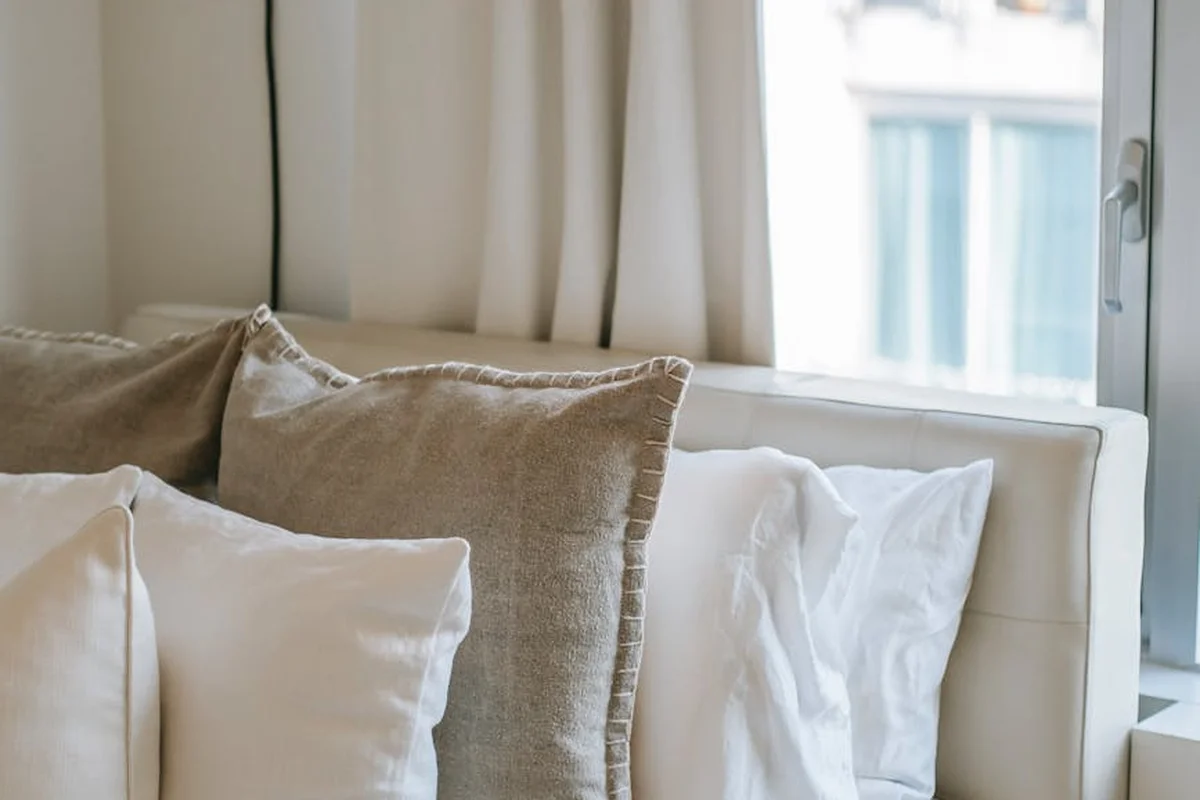
Let’s move from theory to practice. In my studio, where a lab coat often doubles as a cat bed, I’ve tested these principles firsthand. Here is my hands-on advice for making linen work in a pet-friendly home.
Selecting the Right Linen Items
Not all linen is created equal for life with animals. The weave and weight make all the difference. A feather-light, loosely woven linen will snag easily from claws and trap every hair. For high-use areas like sofas and pet beds, choose a medium to heavyweight linen with a tight, crisp weave. Think of it like a sturdy basket instead of an open net. This tighter structure better resists punctures from claws and makes surface hair easier to brush or vacuum away. The fabric will still breathe beautifully but will stand up to daily pet wear.
Weaving Pet-Friendly Practices into Fabric Care
Select linen with a crisp, tight weave and maintain its surface with a lint roller or damp brush to maximize its natural resistance to pet hair. I always wash my linen in cool water and air-dry it flat to prevent the fibers from weakening and attracting more fur.
Consider the full lifecycle of your textiles, from the water used in dyeing cotton to the energy for washing polyester, to make choices that ease your home’s impact. I learn more each day about shrinkage behaviors and fiber care, and I invite you to see fabric science as a tool for kinder, more informed living with your pets.
Deep Dive: Further Reading
- Does Linen Attract Pet Hair? Best Pet-Proof Fabrics for Your Home – DELOMO
- What fabrics are the most pet-hair resistant? Some of my clothes can’t even be cleaned with a lint roller, and I would like to avoid them! – Quora
- 7 Kinds of Fabric That Repel Pet Hair – Brisk Pets
Florian Ventura
Florian is a high fashion blog writer, fashion and fabric expert and a keen expert in fabric, clothing and materials. She has worked in large textile and fashion houses for over 10+ years, engineering and working with various fabric types and blends. She is an expert when it comes to questions on any and all kinds of fabrics like linen, cotton, silk, jute and many more. She has also traveled around the world studying traditional fabrics and aims to bring them into the modern fashion use.