
How Do You Keep Linen From Smelling Musty in Storage?
That faint, unpleasant odor on your stored linen isn’t a life sentence for the fabric. I’ve fixed this issue countless times in my work, and it always comes down to a few key practices.
Here, I’ll explain the fabric science behind the smell and give you my proven steps for fresh linen. We will cover why linen holds odors, how to wash it correctly before storing, the best way to dry it completely, and how to choose storage that lets it breathe.
The Short Answer: Your Linen Freshness Cheat Sheet
Follow these steps every time you put linen away. They are non-negotiable.
- Always wash linen before storage. I don’t mean a quick refresh. I mean a full, proper wash to remove all oils and soils.
- Ensure it is bone-dry. Not “air-dried feel,” but completely, thoroughly dry. Check thick seams and hems with your hand.
- Use breathable containers. Think cotton bags, old pillowcases, or a sturdy cardboard box. Never seal linen in plastic.
- Choose absorbents, not perfumes. Silica gel packets or plain chalk work. Fragrant sachets just mask problems.
- Control humidity. Store in a cool, dry, airy place. A damp closet is the enemy.
The core principle is simple: odor is caused by microbes like mold and bacteria feeding on organic residue in a damp, airless environment. Your goal is to eliminate their food, water, and home.
Why Does Linen Hold Smells? The Science of a Hollow Fiber
Yes, linen can hold smells. It also retains odors. This isn’t a flaw, but a direct result of its incredible natural structure.
Under a microscope, flax fibers are polygonal and hollow. This hollow core is called the lumen. Think of each fiber as a tiny, intricate straw. This structure makes linen highly absorbent-it can pull moisture away from your skin faster than almost any other fabric.
Compare this to cotton. Cotton fibers are twisted, ribbon-like, and softer. They absorb well, but their structure is different. Synthetic fibers like polyester are solid plastic rods. They aren’t absorbent at all; odors tend to sit on their surface.
Linen’s breathability and moisture-wicking are its superpowers, but the hollow lumen is also where odors from your environment, body oils, or spills can get trapped if the fiber isn’t cleaned properly.
That classic musty smell? That’s a sign of mold or mildew growth. It happens when linen, even slightly damp, is stored without air circulation. The moisture in the hollow fibers creates a perfect damp nursery for microbes to feast on any leftover organic matter in the fabric.
The Non-Negotiable First Step: How to Wash Linen for Storage
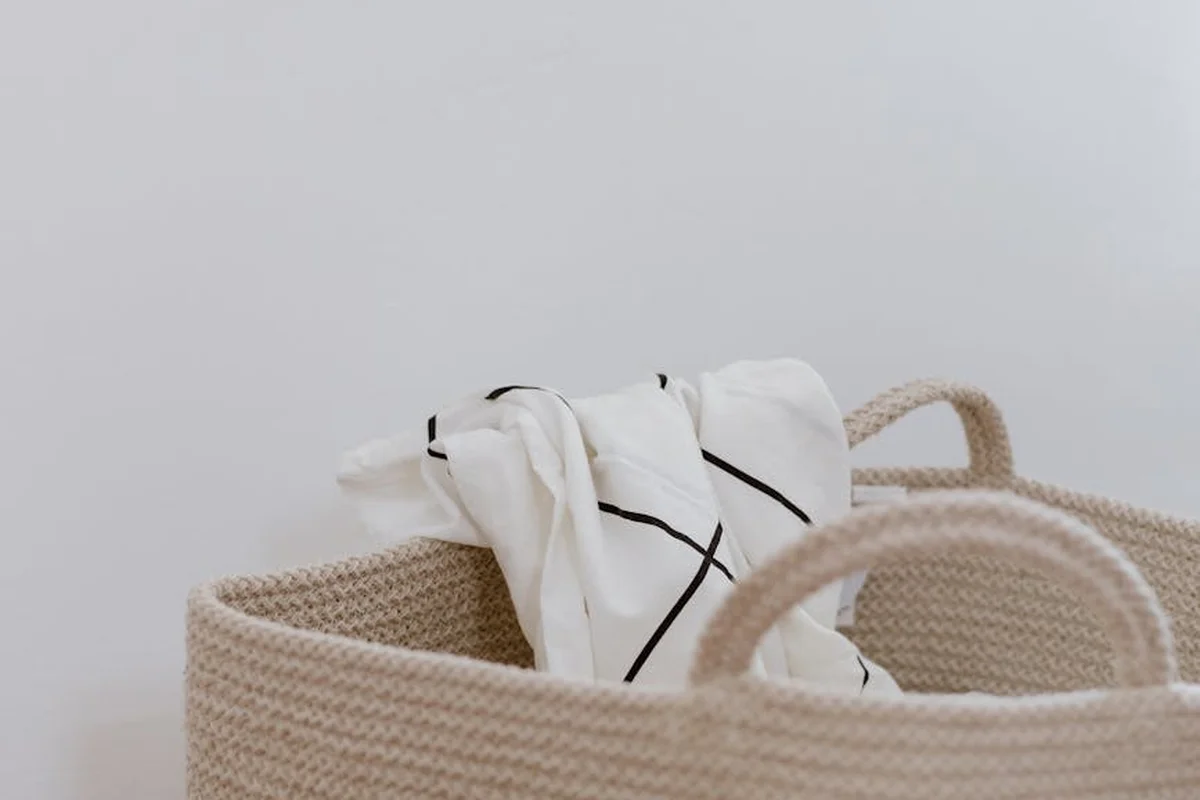
Keeping linen smelling fresh starts long before you fold it away. That clean, sun-dried scent you want? It comes from a perfectly clean fiber. The musty, sour odors we dread are caused by microscopic oils and soils left behind. Think of it as a pre-storage protocol. I treat every piece of linen going into my closet the same way I prepare fabric for dyeing: with a scrupulously clean slate.
Your Actionable Freshness Protocol
Follow these steps in order. Skipping one compromises the whole process.
-
Always check the care label first. This is your safety net. Most pure linen can handle robust washing, but blends with viscose or delicate weaves may need gentler treatment. For those, you might want to wash and soften them carefully to maintain their texture.
-
Use warm water, not cold. Set your machine to a warm cycle, ideally between 40-60°C (104-140°F). This is the single most important factor for odor prevention.
-
Choose your detergent wisely. Select a liquid detergent free from heavy perfumes, fabric softeners, and optical brighteners. A simple, plant-based or neutral pH detergent is perfect.
-
Run a full, proper cycle. Do not use a quick wash. Allow enough time for agitation and rinsing.
-
Air dry completely. Never put slightly damp linen into storage. Hang it in a well-ventilated area until every thread is bone-dry.
Why Warm Water is the Secret Weapon
Cold water simply cannot dissolve body oils and sweat. These oils are waxy at room temperature. Warm water melts them, allowing the detergent to surround and lift them away from the linen fibers. This removal of organic residue is what permanently eliminates the source of future odors. It’s the difference between wiping a greasy pan with a cold cloth versus a warm, soapy one.
One critical caution: this applies primarily to white or very colorfast linen. If you have a garment or tablecloth in a deep, vibrant hue (like emerald green or fuchsia), test for colorfastness first. Wash it separately in warm water and check for dye transfer. When in doubt, use cool water for colored items to prioritize color preservation over oil removal.
Pre-Treat Any Stains Immediately
Never store linen with a stain. What looks faint now can oxidize and set permanently, and that spot can become a focal point for mildew. For organic stains like food, wine, or sweat, use an enzymatic pretreatment. These contain bacteria that literally digest the stain molecules. Apply it directly to the stain according to the product instructions and let it sit for at least 15 minutes before washing. For oil-based stains, a dab of clear dish soap can work as a pre-wash treatment. Proper care for linen is crucial to maintain its quality, so make sure to remove stains and care for linen or cotton properly.
The Final Rinse is Everything
Detergent residue left in the fabric is sticky. It attracts dust and can itself develop a stale smell over months in a drawer. I always add an extra rinse cycle to my washing machine when preparing linen for storage. You know your linen is truly rinse-free when the water during the final spin cycle is completely clear and free of suds. This ensures the fibers are inert and clean, not coated in a chemical film waiting to go off.
The Critical Finale: How to Dry Linen Completely, Every Time
Why do your linen sheets or clothes sometimes smell musty after washing? The culprit is almost never the linen itself. That damp, mildewy odor is a sign of incomplete drying. When even a tiny amount of moisture is trapped in the fibers, it creates the perfect environment for odor-causing microbes to grow. Your job isn’t just to get linen dry, it’s to get it bone-dry.
Mastering the Art of Air-Drying
Air-drying is fantastic for linen’s longevity and crisp hand. The key is your environment. You need airflow and warmth, not just space.
- Always give the item a firm shake or two before hanging. This separates the fibers and helps prevent deep-set wrinkles.
- Choose a warm, breezy spot. A sunny, covered porch on a dry day is ideal. A well-ventilated room with a fan works, too.
- Avoid damp, still-air areas like basements or crowded closets. Drying linen in a damp room will lock in moisture and guarantee a musty smell.
Check for dryness by feeling the very center of the fabric, like under the armpit of a shirt or the middle of a folded sheet. It should feel cool and crisp, not cool and damp.
The Machine Dryer: A Fast, Controlled Ally
Your dryer is a powerful tool for achieving total dryness, especially on humid days. Used correctly, it won’t harm quality linen.
Set your dryer to a Medium or Permanent Press heat setting. High heat is excessive and can weaken fibers over time. Toss in two or three wool dryer balls. They help separate the fabric, allowing hot air to circulate better and reducing drying time.
Here is the non-negotiable step: perform the “bone-dry” test. As soon as the cycle ends, take the linen out. It should feel uniformly warm (or cool), light, and crisp. Crumple a section in your hand. If you feel any hint of a damp chill or limpness, it needs more time. A damp spot the size of a quarter is enough to cause problems later.
Pro Tip for Bulky Items
Heavy linen items like duvet covers, tablecloths, or thick curtains are trickier. They can feel dry on the outside while the inner layers or seams are still damp.
My lab-tested method is simple: Dry them twice on a Low heat setting. Run the first full cycle. As soon as it finishes, pull the item out, give it a vigorous shake to redistribute any damp pockets, and immediately run a second, shorter cycle (20-30 minutes) on Low. This ensures the heat penetrates every layer without applying harsh, continuous heat all at once.
Choosing Your Storage Environment: Location is Everything

Think of your linen closet as its own little ecosystem. You want to create a sanctuary, not a battleground for your fabrics. A musty, stale closet isn’t just unpleasant. It’s a sign of conditions that actively degrade plant fibers like linen over time. Getting this right solves most odor problems before they start.
Your first task is to find the right room. The goal is to mimic the stable, dry conditions of a well-built museum textile archive, just on a smaller scale.
The Goldilocks Zone for Linen
Linen thrives in conditions that are also comfortable for you, but with an emphasis on dryness. I keep a hygrometer in my own storage area to monitor this.
- Cool: A consistent temperature between 60°F and 75°F (15°C – 24°C) is perfect.
- Dry: This is non-negotiable. Aim for a relative humidity below 55%. Above 65%, you risk mildew, that sour, damp smell that’s so hard to remove.
- Dark: Prolonged direct sunlight will fade linen’s beautiful natural colors and weaken the fibers.
- Stable: Avoid spots next to radiators, air vents, or exterior walls where temperatures swing daily.
Ideal storage means consistent, moderate dryness more than anything else. Linen can handle cool or slightly warm if the air isn’t holding moisture.
Places to Absolutely Avoid
Some spaces in your home are fabric enemies. I’ve seen too many beautiful textiles damaged in these common storage traps.
- Attics: They become ovens in summer. Extreme heat can make linen brittle and set in any existing odors permanently.
- Basements: Often the dampest part of a house. That “basement smell” is mildew, and linen will soak it up like a sponge.
- Garages: A perfect storm of problems: wild temperature swings, humidity from cars, and fumes from gasoline or chemicals that fabrics will absorb.
- Bathrooms: The humidity from showers creates a steamy environment that invites mildew growth, even outside the shower itself.
Your Tool Kit for a Perfect Environment
You don’t need a lab, just a couple of simple tools.
A small digital hygrometer is your best friend. You can find them online for a few dollars. Place it on a shelf and check it. If your humidity reads consistently above 60%, it’s time to take action.
For slightly damp closets or for storing linen in sealed boxes, use silica gel packs. Those little packets that come in shoe boxes? They’re brilliant. They passively absorb moisture from the air inside a confined space. Just toss a few into your storage bin or woven basket. You can reactivate them by drying in a low oven when they change color.
Monitoring humidity with a simple meter tells you what you’re really dealing with, so you can fix it.
Start with a Clean Slate
Never store clean linen in a dirty space. Before you put anything away, prepare the closet itself.
Take everything out. Wipe down all shelves, walls, and the inside of the door with a simple cleaning solution. My go-to is a 1:1 mix of white vinegar and water in a spray bottle. Vinegar cuts through dust and grime and neutralizes odors without leaving a harsh chemical residue that linen could absorb. Let the surfaces air dry completely.
While everything is out, vacuum the closet floor and dust any light fixtures. This removes the dust and fiber particles that odors cling to. Now your storage space is as fresh as your linens.
Your Storage Container Options: Breathable vs. Sealed
I get this question in my workshop all the time: “Should I use plastic bags or bins to store my linens?” My answer is always a firm, science-backed no. Let’s compare the methods.
Think of linen as a living, breathing material. Those hollow flax fibers are designed to absorb and release moisture from the air. When you seal them in a non-breathable plastic container, you trap any ambient humidity inside. This creates a perfect, stagnant microclimate for mold spores to grow and for that classic stale, sour odor to develop. I’ve seen beautiful tablecloths ruined this way.
For long-term freshness, you must champion breathable containers that allow for continuous, gentle air circulation.
Here are my top recommendations from the lab and my own closet:
- Undyed cotton pillowcases or sheets: These are my favorite. They’re breathable, prevent dust accumulation, and the natural fiber is pH-neutral and safe for your linens. Simply fold your linen item and slide it inside.
- Canvas storage bags: Look for ones made of plain, uncoated canvas. They are sturdy, allow great airflow, and often have handles for easy organization.
- Archival textile boxes: These acid-free cardboard boxes are lined with buffered tissue. They are the gold standard for protecting delicate items from light and dust while still breathing. Perfect for heirloom pieces.
What about vacuum bags? They are a special case. I will say they are acceptable only under two strict conditions: your linen must be completely, utterly bone dry, and storage is for a very short period, like a month during a move.
The powerful suction compresses the flax fibers, which can weaken their structure over time and lead to stubborn creasing. More critically, if there is even 1% residual moisture in the fabric, the sealed bag will trap it directly against the fibers, accelerating mildew damage. For anything longer than a few weeks, the risks of vacuum bags far outweigh the space-saving benefits.
My final instruction is simple but vital: don’t overstuff your chosen container. Whether it’s a pillowcase or a box, linens need room to breathe. Folding them neatly with some space around each item ensures air can move freely, preventing pockets of trapped, damp air that lead to odors.
Natural Odor Absorbers and What to Avoid
You cannot simply toss anything scented into your linen closet and hope for the best. The porous nature of linen fibers means they will readily absorb not just moisture, but any oils or chemical compounds they touch. My goal is to give you tools that work with the fabric’s science, not against it.
Your first line of defense should be simple, unscented moisture and odor absorbers placed near, but not directly on, your textiles. I keep a rotation of these three options in my own storage areas.
Safe and Effective Options
Here are my lab-tested, fabric-safe recommendations.
- Muslin Sachets with Baking Soda: Fill a small, breathable muslin bag with plain baking soda. Tie it shut and place it on a shelf. Baking soda (sodium bicarbonate) neutralizes acidic odor molecules through a simple chemical reaction. The muslin lets air flow through while containing the powder.
- Activated Charcoal Bags: These are my top pick for damp climates. Activated charcoal has a massive surface area covered in microscopic pores that trap odor-causing particles. You can find reusable bamboo charcoal bags; just “recharge” them in sunlight every month.
- Dried Lavender or Cedar Blocks: Use these for a light, natural scent, but with a critical step. Always place dried botanicals or cedar blocks inside a separate cloth bag, like linen or cotton, to prevent direct contact. Cedar oils and lavender buds can transfer and create stubborn stains.
The “Never-Ever” List for Linen Storage
This is where I see the most storage mistakes. Avoid these common products.
- Direct Contact with Scented Products: Never let perfumed sachets, soap bars, or potpourri touch your linen. The fragrance oils are designed to be potent and persistent. They can saturate the fibers, creating an overwhelming smell that is nearly impossible to wash out completely.
- Essential Oils: Even “natural” essential oils are concentrated and can cause permanent discoloration or oil spots. Do not add them to your storage sachets.
- Mothballs (Naphthalene or Paradichlorobenzene): These are pesticides. They release toxic gases that permeate fibers with a harsh, chemical odor that lingers for years. They are unnecessary for linen and a health hazard.
Think of linen like a blank canvas. You want to keep it neutral, not painted with permanent scents.
Maintaining Your System
Odor absorbers don’t last forever. They become saturated. Mark your calendar to refresh or replace your baking soda sachets, charcoal bags, or herbal fillings every 6 to 12 months. When you open your storage and that fresh, clean smell is gone, it’s time for a swap. This routine is the final, simple step to ensure your linen stays perfectly fresh, season after season.
How to Rescue Smelly Linen: A Tiered Action Plan
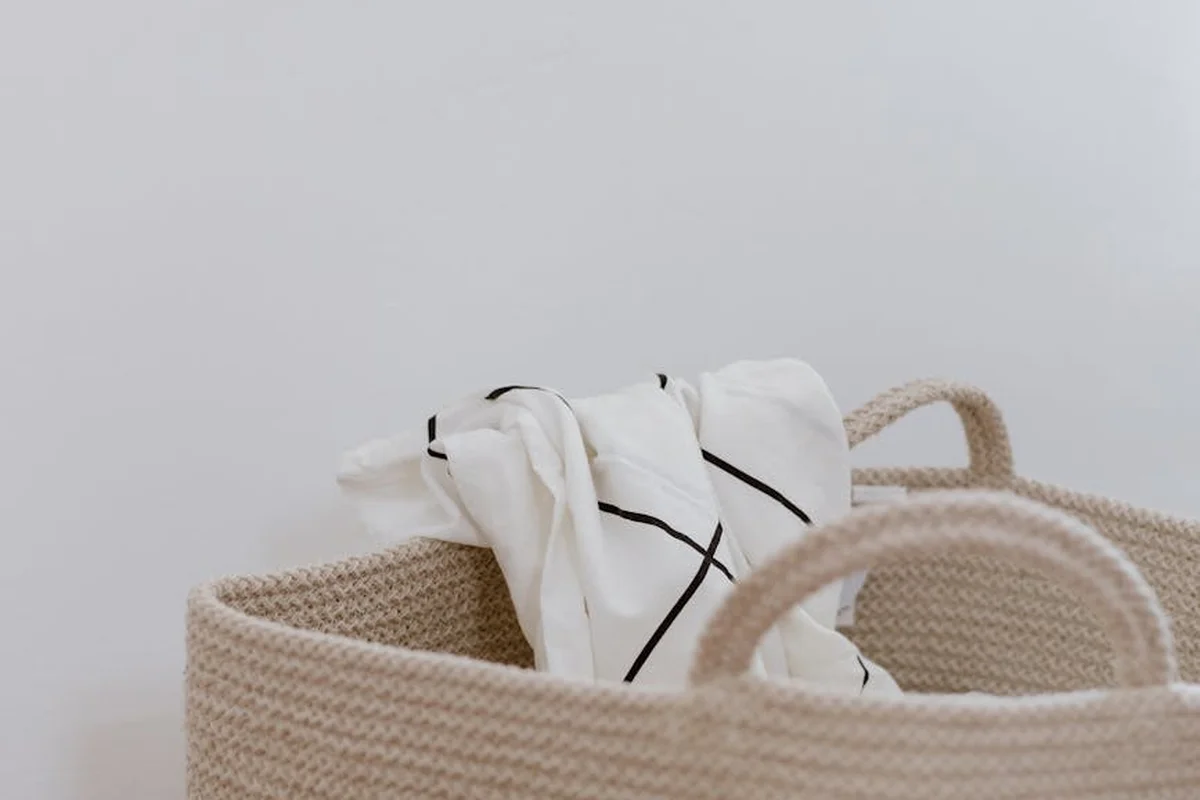
That musty smell in your linen sheets or clothes isn’t a life sentence. I treat odor removal like diagnostic troubleshooting: start simple, escalate only as needed. This tiered plan moves from the gentlest refresh—like homemade linen spray—to the most powerful clean.
Tier 1: Air & Light – The First Line of Defense
Fresh air and sunlight are your most underrated tools. This is my absolute first step for tackling a mild, stored smell.
Hang your linen outside on a dry, breezy day. A good gust of wind will physically carry odor molecules away. The sun’s UV light acts as a gentle, natural disinfectant. It can help break down the compounds that cause odors without any chemicals even on linen that offers UV protection.
For the best results, shake the item well to fluff the fibers and leave it for a full afternoon, flipping it once. This method alone often answers the question of how to get the musty smell out of linen sheets that were simply stored a little too long in a closet.
Tier 2: Laundry Boost – A Targeted Rewash
If airing didn’t do the trick, it’s time to revisit the wash cycle with an odor-fighting assistant. You have two excellent, fabric-safe choices for removing odors from polyester fabric.
- White Vinegar: Add ½ cup of plain white distilled vinegar to the fabric softener dispenser or directly into the rinse cycle. Vinegar is a mild acid that neutralizes alkaline odor compounds (like sweat) and helps rinse away detergent residue that can trap smells. It won’t leave your linen smelling like a salad.
- Baking Soda: Add ½ cup of baking soda directly into the drum with your regular detergent at the start of the wash cycle. Baking soda is a natural odor absorber, helping to lift and trap smells as the machine agitates.
Use cool or warm water (not hot) for this wash. Hot water can set some organic odors. I usually try vinegar first for a sharper must, and baking soda for a more general, damp smell.
Tier 3: The Soak – For Persistent, Ground-In Must
When odors are stubborn, they need extended contact with a cleaning agent. A controlled soak is the answer.
- Fill a clean bathtub or large basin with cool water.
- Add 1 cup of white vinegar and swish it around to mix.
- Submerge the linen completely, pressing out air bubbles. Let it soak for 1 to 4 hours.
- Drain the tub, gently press out water (don’t wring), and wash the linen immediately on a normal cycle with your detergent.
The cool water and extended vinegar soak work to break down odor-causing residues at a molecular level without stressing the flax fibers. This is remarkably effective for vintage finds or linens stored in less-than-ideal conditions.
Tier 4: Oxygen Bleach Soak – The Heavy Artillery for Whites
For white or natural cream linen with severe stains accompanying the odor, an oxygen bleach soak is the strongest safe option. The active ingredient, sodium percarbonate, releases hydrogen peroxide when dissolved in warm water.
Follow the package directions precisely for the water quantity. Typically, you’ll dissolve the powder in warm water first, then submerge the wet linen for several hours. This soak lifts organic stains and odors through oxidation, brightening the fabric without the fiber damage caused by chlorine bleach. After soaking, run a full wash cycle. Never use chlorine (liquid) bleach on linen; it weakens the fibers and can turn organic odors into a harsh, chemical smell.
How to Control Odors in Storage from the Start
Prevention is always easier than remediation. To keep stored linen fresh, follow these rules.
- Store only perfectly clean, completely dry linen. Even a tiny bit of moisture leads to mildew.
- Use breathable containers like cotton bags or pillowcases, or place items on open shelves. Avoid sealed plastic bins, which trap moisture.
- Place an odor absorber in the storage area. I use a muslin bag filled with baking soda or activated charcoal, or even a bar of mild, dry soap.
- Air out stored linens once or twice a year, especially before a new season.
Linen is a resilient, natural fiber. With this tiered approach, you can almost always restore its fresh, clean scent, especially after using OxiClean on linen fabric.
Handling Pro-Tip: The Seasonal Refresh for Your Linen Closet
You want your linen closet to smell like a fresh breeze, not a forgotten attic. The good news is that a simple, proactive routine makes all the difference. I treat my linen storage like a living space for my fabrics-it needs airflow, a clean environment, and a little seasonal attention to keep everything in prime condition.
This isn’t about daily chores. It’s a strategic reset you do twice a year, ideally as seasons change. Think of it like changing your bed’s duvet; it’s a small task with a huge payoff in freshness.
The Twice-Yearly Air-Out
This is your core maintenance. Set aside an hour for this simple process:
- Remove Everything: Take every sheet, towel, and tablecloth out of the closet. This gives you a blank slate.
- Vacuum Thoroughly: Use your vacuum’s crevice tool to suck up dust, lint, and any tiny fiber bits from the shelves and corners. Dust is a magnet for stale odors.
- Wipe Shelves Down: Use a cloth dampened with a 50/50 mix of water and white vinegar. Vinegar is a mild acid that cuts through residue and neutralizes odors without harsh chemicals. Let the shelves air dry completely.
- Air the Closet: Open the closet door and, if possible, a nearby window. Let fresh air circulate through the empty space for at least 30 minutes. This exchanges the stagnant air.
This deep clean removes the environmental sources of odor before your clean linens ever go back in.
Inspect and Spot-Treat Your Linens
As you pull items out, give them a quick inspection. Hold them up and give them a sniff. Focus on areas prone to trapped moisture:
- Check the seams and hems of towels.
- Look at the folded centers of stacked sheets.
- Feel for any lingering dampness.
If something has a faint musty smell but is otherwise clean, don’t re-wash the whole item. Lay it flat and lightly sprinkle baking soda over the area. Let it sit for an hour, then shake or brush it off outdoors. For a more persistent odor, spot-treat with a mild detergent paste (a drop of dish soap mixed with water), rinse thoroughly, and air dry completely before returning to storage.
Catching a minor odor issue here prevents it from spreading to the whole closet.
Rotate Your Stock
If you stack linens, the ones on the bottom bear the weight of the entire pile. This constant compression can slightly crush the fibers and limit air circulation. When you put everything back, rotate your stock.
Move the bottom items to the top. This simple act prevents permanent creasing and ensures all your linens get equal “rest” time. I even rotate which sets are at the front versus the back to ensure everything gets used evenly over time.
Choose a Passive Desiccant
Closets can trap ambient humidity, which is the enemy of fresh-smelling fabric. A passive desiccant quietly absorbs excess moisture from the air.
My two go-to options are:
- Baking Soda: Fill a small, open cup or jar about halfway and place it on a shelf. It will absorb odors and some moisture. Replace it every 3-4 months.
- Activated Charcoal: Available in small breathable bags, bamboo containers, or loose in a jar. Charcoal is highly porous and excellent at trapping moisture and odor molecules. It can be “recharged” by placing it in sunlight every few months.
These are safe, natural options that work continuously without any scent transfer to your linens.
Your Linen Care Routine, Refined
Your most powerful tool against linen odors is time-time to let linen dry completely, bone-dry from core to seam, before it ever touches a drawer or box. I’ve seen beautifully washed pieces develop a sour smell in just a day because a single, slightly damp hem was folded inside.
Treating your linen with this knowledge turns routine care into a practice of preservation, honoring the flax plant’s journey into a fabric you love. Apply these textile science principles-managing moisture, air, and storage-to all your natural fibers, from the springy loft of wool to the delicate sheen of silk, to build a smarter, more sustainable wardrobe.
References & External Links
- The Secret to Avoiding Musty Smelling Bed Linen – Bed Threads
- How to Store Your Linens | Storage Guide | Midgard Storage
- How to store linens? | https://www.linoto.com
- How to Store Bed Linens for Long Term Storage | SROA Blog
Written by Florian Ventura. Florian is a high fashion blog writer, fashion and fabric expert and a keen expert in fabric, clothing and materials. She has worked in large textile and fashion houses for over 10+ years, engineering and working with various fabric types and blends. She is an expert when it comes to questions on any and all kinds of fabrics like linen, cotton, silk, jute and many more. She has also traveled around the world studying traditional fabrics and aims to bring them into the modern fashion use.