
Can You Use a Hot Glue Gun on Fabric?
That urgent craft repair or costume project might have you eyeing the hot glue gun, wondering if it’s a fast fix for cotton, wool, or polyester. The quick answer is yes, but whether you should depends entirely on what you need that fabric to do afterward.
We will cover how different fabric properties like weave and fiber melt points affect adhesion, my step-by-step method for the strongest temporary bond, the harsh truth about washing and heat, and when to choose a fabric glue instead.
Executive Summary: The Quick Fabric Glue Check
You can use a hot glue gun on fabric, but I only recommend it as a last-resort, temporary hold. It is not a proper bond for anything you plan to wear, wash, or keep long-term.
The risks are high and fall into three main categories.
- Heat Damage: The molten glue, typically between 380°F and 250°F, can directly melt synthetic fibers like polyester. It can scorch and yellow delicate natural fibers like silk and wool, leaving a permanent shiny burn mark.
- Poor Washability: Hot glue is not designed for laundering. It becomes brittle when cold and can crack off in the wash. Heat from a dryer or iron can re-melt it, causing a bigger mess and potentially ruining your machine.
- Stiffness and Seepage: The glue cools into a hard, inflexible bead. On flexible fabric, this creates an uncomfortable, crackly patch. It also often seeps through the weave to the front side, leaving a visible, plasticky stain.
Compare this to a proper liquid fabric adhesive. Fabric glue is formulated to remain flexible after drying and to survive gentle washing, creating a bond that moves with the cloth. Hot glue is a rigid plastic; it acts like a tiny, hard shell stuck to the threads. When choosing a fabric adhesive, it’s important to pick one that’s reliable for your material and project.
The one case where I might use it? Temporarily securing a non-washable decorative item, like a large sequin or a feather to a costume, for a single event. Even then, test on a hidden scrap first.
Material Data Table: Fabric vs. Glue Gun Heat
This table shows why a one-size-fits-all approach with a glue gun fails. Every fiber family reacts to intense, localized heat differently. Remember, a “low-temp” glue gun operates around 250°F-still hot enough to cause serious damage.
| Fabric Type | Fiber Structure | Key Thermal Weakness | Max Safe Glue Temp* |
|---|---|---|---|
| Cotton | Cellulose (Plant) | Scorches and browns easily above 300°F. The high heat can also weaken the fibers. | Not recommended. High risk of scorching. |
| Wool | Protein (Animal) | Scalds and felts with heat and moisture. Glue tip contact can create a shiny, melted-feeling scar. | Not recommended. Heat alters fiber scales permanently. |
| Silk | Protein (Animal) | Extremely sensitive to high heat. Will scorch, yellow, and lose its strength instantly upon direct contact. | Avoid completely. |
| Polyester | Synthetic Polymer | Has a specific melting point (approx. 480°F). Hot glue can easily exceed this, causing fibers to fuse and shrink into a hard nub. | Below 250°F with extreme caution. Melting is likely. |
| Nylon | Synthetic Polymer | Similar to polyester, it melts with applied heat. The damage is immediate and irreversible. | Below 250°F with extreme caution. Melting is likely. |
*”Safe” here means minimal immediate visible damage. It does not imply a successful or durable bond. Always test on a hidden seam allowance or fabric scrap first-this is non-negotiable.
Why Fabric Structure Makes Hot Glue Risky
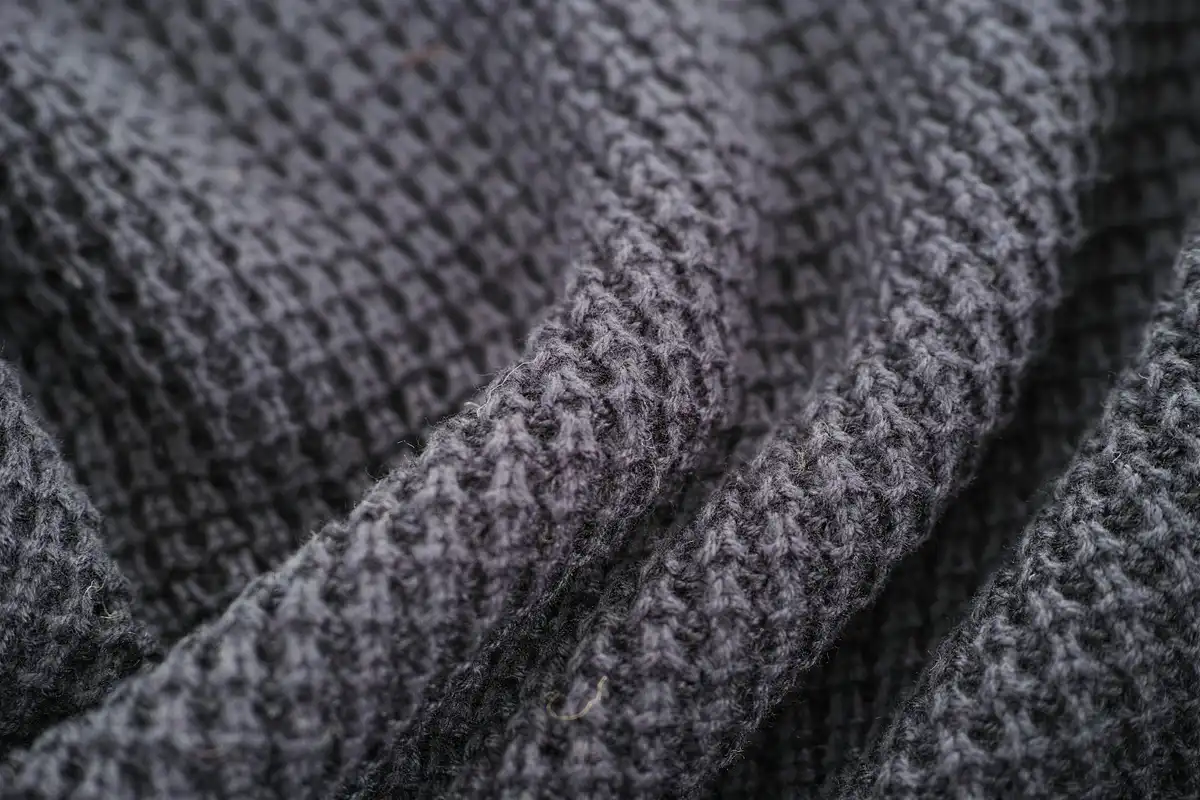
Think of your fabric as a tiny, complex city of fibers. Hot glue is like dropping molten plastic on top of it. The reaction depends entirely on what those buildings are made of.
Protein fibers like wool and silk are sensitive to high heat. I’ve seen a hot glue tip singe a fine merino wool, leaving a permanent brown scorch mark you can’t wash out. Thermoplastic fibers, including polyester and nylon, are a different problem. Their polymers soften and melt with heat. A standard high-temp glue gun can actually fuse with the fiber, creating a hard, gummy mess that destroys the material.
Even natural cellulose fibers like cotton and linen aren’t safe. While they won’t melt, they can scorch or brown under intense, direct heat. The bond is only as strong as the glue’s grip on the very top layer of fibers, which is mechanically weak.
Hot glue adheres by solidifying around fiber ends, not by soaking in. Imagine trying to hold a bundle of spaghetti by only gripping the very tips. That’s how hot glue holds fabric. On a tightly woven cotton, it will often peel off in one satisfying, disappointing piece.
Finally, consider the fabric’s “hand”-its drape and feel. Fabric flows, bends, and moves. A spot of hardened glue creates an inflexible plaque. On a flowing silk skirt or a soft cotton tee, this stiff spot ruins the garment’s natural movement. It feels awkward and can even cause the fabric to tear around the rigid glue edge during wear or washing.
Step-by-Step: If You Must Use a Hot Glue Gun on Fabric
Sometimes, for a craft project or a quick fix, you’ll decide to proceed. Here is how to minimize disaster. Treat these steps as non-negotiable.
Step 1: The Scrap Test
This is not a suggestion. It is your most important tool. Find a hidden seam allowance, a cuff facing, or any leftover fabric scrap. Apply a small dot of glue and let it cool completely.
- Inspect: Did the glue melt or distort the fibers? Is there a discolored ring?
- Peel: Try to peel the glue off. Does it come cleanly, or does it take fibers with it?
- Flex: Crumple the fabric. Does the glue pop off? Does the fabric now have a hard, crunchy spot?
If the test fails on any point, stop. Your fabric and hot glue are not compatible.
Step 2: Choose the Right Gun
You must use a low-temperature glue gun. A standard gun operates around 380°F (193°C), which is far too hot for most textiles. A low-temp gun runs closer to 250°F (121°C). This lower heat significantly reduces the risk of scorching and melting. The glue sticks are also formulated to melt at this lower temperature, providing a slightly gentler bond.
Step 3: Prepare the Surface
Fabric must be clean, dry, and laid perfectly flat. Any oil, lint, or moisture will block adhesion. If you are gluing something like a shirt where the glue could seep through, insert a piece of cardboard or a silicone baking mat between the layers. This prevents the glue from bonding your garment into one solid lump. If you’re working with nylon fabric, use a glue formulated for synthetic materials to ensure strong adhesion. Check the label to confirm it bonds well with nylon and similar fabrics.
Step 4: Apply with Care
Forget long, continuous lines. You want tiny, discreet dots or a very fine zigzag. Apply the glue to the less delicate of the two materials you are bonding. For example, if attaching a sequin to cotton, put the dot on the back of the sequin, then press it onto the cloth. Avoid pools of glue-they take forever to dry through and create a heavier, more obvious bond.
Step 5: Press and Hold
Do not use your fingers to press. You will burn yourself and the pressure won’t be even. Use the smooth handle of a wooden spoon or a silicone tool. Press firmly directly over the glued spot for a full 60 seconds as the glue sets. This ensures maximum surface contact before the glue fully hardens. Don’t move or tug the fabric during this time.
Fabric-by-Fabric Hot Glue Guide

Can you use a hot glue gun on cotton or linen?
You can, but I don’t recommend it for anything you plan to wear or wash. Cotton and linen are plant-based cellulose fibers. The hot glue will stick to the surface as it cools, forming a bond.
That bond is always brittle and will crack under the flexing and folding of normal wear. If your glue gun runs too hot, you risk scorching the fabric, leaving a permanent brown mark that looks like a burn.
In the wash, two things happen. First, the agitation easily breaks the stiff glue bond. Second, and worse, the porous glue can absorb fugitive dye from the fabric itself, creating a new, permanent stain right where the glue was.
Can you use a hot glue gun on wool?
I strongly advise against it. Wool is a protein fiber, much like human hair. Applying a tool that emits heat around 380°F (193°C) directly to it is asking for trouble.
You will likely scorch the fiber ends on the fabric’s surface. This damage is permanent and looks like tiny, melted tips. If you smell that distinct scent of burning hair, you’ve already damaged the wool.
The scaly surface of wool fibers also makes for a terrible bonding site for smooth hot glue, resulting in a weak hold that pops off easily. For a cherished wool garment, this method is too risky.
Can you use a hot glue gun on silk?
No. Just don’t. Silk is an incredibly delicate protein fiber. It is sensitive to heat, moisture, and abrasion.
The extreme, localized heat from a glue gun can cause “thermal shock.” This instantly damages the silk’s molecular structure, leaving a scorched, crispy patch. The damage cannot be reversed.
I never use a hot glue gun on silk; the risk of thermal shock ruining the fabric is too high. For silk, only use cool, fabric-specific adhesives applied with precision.
Can you use a hot glue gun on polyester or nylon?
This is where things get physically risky for the fabric. Polyester and nylon are thermoplastic fibers. This means they are designed to soften and melt with heat.
The glue will stick, but the heat from the glue gun can actually begin to melt the synthetic fibers themselves. You’ll see the fabric warp and get a hard, shiny, plastic-like patch where the glue was applied.
This melting action weakens the fabric’s integrity at that spot, creating a permanent weak point that can tear. If you must attempt it, use the lowest temperature setting and test on a hidden seam allowance first.
Care and Washing: What Happens After the Glue Dries
Hot glue is designed for crafts, not for laundry. It is not washable, and most dry-cleaning solvents will not dissolve it either. Treat any glued item as permanently delicate, especially when using fabric or hot glue for crafts.
If you put it in the washing machine, several things will go wrong. The agitation will crack and shatter the brittle glue bond. The heat of the water or dryer can re-melt the glue, causing it to ooze and stick to the drum or other clothing.
Any remaining glue residue will act like a magnet for dirt and lint in future washes. So, can you wash fabric after using hot glue? You can try, but know the risks. If you’re dealing with glue on fabric, you’ll want guidance on how to remove glue adhesives from fabric. There are safe methods to lift sticky residues without harming fibers.
If you must wash the item, turn it inside out to protect the glue area, use a cold water gentle cycle with minimal agitation, and always air dry it flat. Never, ever put it in a clothes dryer. The heat will guarantee a melted mess.
How to Remove Hot Glue from Fabric
Accidents happen. If you get hot glue on a piece of fabric, don’t panic. The removal method depends entirely on whether the glue has fully set and the type of fiber you’re dealing with.
Method 1: For a Fresh, Non-Melted Blob
This is for when the glue has cooled but is still sitting on the surface. Your goal is to break its mechanical grip without forcing it into the fibers.
- Let the glue cool and harden completely. Do not touch it while it’s warm.
- Gently flex the fabric backward around the glue spot. You want to hear a soft *pop* or *crack* as the bond releases.
- Peel the glue mass away from the fabric. If it resists, flex again from a different angle. Pulling straight up can snag threads.
Patience here is your best tool; forcing it will grind the glue deeper into the weave.
Method 2: For a Flattened Stain or Residual Film
If the glue was pressed in (like under an iron) or left a thin, shiny film, heat transfer is your friend. This works well on cotton, polyester, and wool blends.
- Place several layers of plain paper towel or a brown paper bag over the glue stain.
- Set your household iron to a warm setting-just enough to melt the glue, not the fabric. For polyester or nylon, use the lowest “synthetic” setting.
- Press the iron down onto the paper towel for 5-10 seconds. Do not glide it.
- Lift the iron and check the paper. The melted glue should wick into it.
- Replace the paper with a clean section and repeat until no more glue transfers.
Method 3: For Stubborn, Embedded Glue
Sometimes glue gets ground in. Mechanical removal comes first, chemicals are a last resort.
- Try freezing the item first. Put it in a plastic bag and into the freezer for about an hour. Freezing the fabric can make the glue brittle and easier to chip off, but be gentle to avoid snagging threads. Use the blunt edge of a butter knife or a spoon to flick off the hardened glue.
- For a final, sticky residue, consider a solvent. Rubbing alcohol (isopropyl) is often effective. Always test any solvent on a hidden seam or hem first. Dab a small amount on a cotton swab and gently roll it over the residue-don’t rub. Blot immediately with a clean cloth.
Never use acetone or nail polish remover on acetate, triacetate, or modacrylic fabrics, as it will dissolve the fibers themselves.
When NOT to Use a Hot Glue Gun on Fabric
In my lab, I test fabric bonds for flexibility and wash durability. I compare fabric glue durability to hot glue to see which lasts under real-world wear. Durability is the deciding factor after repeated washing and flexing. Hot glue fails almost every test for permanent attachment. Here are the clear cases where you should avoid it.
On any item that will move, be washed, or worn. Hot glue dries into a hard, inflexible plastic. When the fabric flexes-like at a knee or elbow-the glue bond will crack and peel. This is a classic case of fabric glue hardening and cracking over time. A single gentle machine wash cycle will almost certainly loosen it.
On delicate or heat-sensitive fibers. The list is long: silk, fine wool, velvet, satin, sequined fabric, and loosely woven linens or cottons. The high heat can scorch silk and wool, melting delicate fibers. On velvet, it will crush the pile permanently. The glue can also wick through loose weaves, creating a permanent, stiff stain on the right side of the fabric.
For any structural repair or seam. It might look held for a moment, but hot glue has no shear strength. A hem glued with hot glue will separate under its own weight. For hems, seams, or any structural repair, it will fail. Use thread.
This leads to a common question: what about hot gluing fabric to wood or plastic? For a temporary craft project, it might hold. But understand the weak point. The bond to the porous, flexible fabric will always give way before the bond to the rigid surface. If you need permanence, use a fabric-specific craft glue or contact cement designed for flexible-to-rigid bonds.
Think of hot glue on fabric as a temporary tack, not a permanent solution. For a quick costume prop or a fixed decorative piece that will never be handled, it has a place. For anything else in your sewing room or wardrobe, reach for the needle and thread. If you’re curious about quick fabric projects, tacky glue fabric crafts offer simple ideas to try.
Stronger, Fabric-Friendly Adhesive Alternatives
Since hot glue is a problematic choice, what should you use instead? The good news is several excellent products are made specifically for textile work. They bond strongly while respecting the material’s nature.
Liquid Fabric Glue (like Aleene’s)
This is your go-to for permanent, flexible bonds on most fabrics. Unlike hot glue that sits on top, a quality fabric glue is water-based and designed to penetrate the yarns slightly. It dries clear and maintains a pliable hand, meaning the fabric can still bend and drape without cracking the adhesive.
For washable projects, a fabric glue is your safest bet, as it’s formulated to survive gentle machine cycles. I keep a bottle in my studio for quick repairs on everything from cotton denim to polyester blends.
The curing time is critical. It may feel dry to the touch in 30 minutes, but a full cure takes 24 to 72 hours. Avoid washing or stressing the bond until then. For best results on natural fibers like cotton or wool, apply a thin layer, press the pieces together firmly, and let it cure undisturbed under a light weight.
Fusible Web (Iron-On Adhesive)
Think of this as a dry, woven adhesive sheet. You sandwich it between two layers of fabric and apply heat with an iron. The web melts and bonds the fabrics as it cools. It’s fantastic for hems, appliqué, and stabilizing areas before sewing.
Fusible web creates a flat, flexible bond that distributes stress across a wider area, unlike a glob of hot glue. It’s also sewable, so you can use it for temporary placement before stitching for extra durability.
Always check the heat tolerance of your fabric first. Use a lower wool setting for delicate wools and silks, and a cotton setting for sturdy cottons and polyesters. Place a pressing cloth between the iron and your project to prevent shine on synthetics or scorching on wools.
The Needle and Thread
Never underestimate the original fabric adhesive. Sewing creates a bond that is part of the fabric’s structure, moving and flexing with every thread. It adds no heat stress, introduces no stiffening chemicals, and when done properly, it is the most durable and repairable method of all.
For a stress point like a button on a wool coat or a seam in heavy cotton canvas, stitches will outlast any adhesive. If a stitch breaks, you mend one small spot. If an adhesive bond fails, you often must remove the entire hardened mass and start over, potentially damaging the fibers.
For any item you plan to wear, wash, or love for years, a needle and thread is the superior choice every time. It respects the fabric’s integrity in a way glue simply cannot.
Working with Adhesives and Your Fabric Wardrobe
Before you bond anything, take ten minutes to test that glue on a hidden seam allowance or spare scrap. That small step shows you exactly how the adhesive will interact with your specific fabric’s fiber content, weave, and finish, preventing a permanent mistake.
Treating fabrics well, whether through proper washing or a temporary craft fix, extends their life and honors the resources used to make them. I keep learning by reading care labels closely and observing how different textiles, from springy wool to sleek polyester, react over time to heat, moisture, and yes, adhesives.
References & External Links
- How to Use Glue Guns, Glue Sticks and Fabric | Gluegun.com
- r/DIYclothes on Reddit: Does hot glue gun work on fabric ?
- How To Use a Hot Melt Glue Gun on Fabric
- Does Hot Glue Work on Fabric? The Ultimate Guide to Using Hot Glue on
- Fabric Stik
Written by Florian Ventura. Florian is a high fashion blog writer, fashion and fabric expert and a keen expert in fabric, clothing and materials. She has worked in large textile and fashion houses for over 10+ years, engineering and working with various fabric types and blends. She is an expert when it comes to questions on any and all kinds of fabrics like linen, cotton, silk, jute and many more. She has also traveled around the world studying traditional fabrics and aims to bring them into the modern fashion use.