
Are Fabric Dyes and Materials Toxic?
You’ve wondered if that sleek silk scarf or durable denim jacket could be making you sick. It’s a smart and common worry, and from my work in textile labs, I can tell you the answer is often more nuanced than a simple yes or no.
I will clarify the real risks versus common myths, walk you through the key chemicals to be aware of, and give you clear steps to make safer choices. We will cover common toxic chemicals in fabrics and dyes, safe and certified alternatives, how to identify potential risks in your own wardrobe, and practical, effective care steps to reduce any exposure.
Executive Summary: The Short Answer on Fabric Safety
Some dyes and finishes can be toxic, but your risk is usually highest with industrial exposure or improper home use of chemicals. For the clothes on your back, the danger is often more about irritation than acute poisoning.
The most common issues fall into three categories. Allergic contact dermatitis is a red, itchy rash from skin touching a chemical residue. Respiratory irritation can come from inhaling tiny fabric particles or aerosol sprays. Long-term chemical exposure is a concern with certain persistent compounds that might absorb through your skin over years of wear.
Your first line of defense is always a proper wash. Hot water and detergent remove a significant amount of loose dye and chemical finish from a new garment, but not when it comes to delicate fabrics. Handling those requires a gentler touch.
| Fiber | Common Dye Types | Typical Finish Concerns |
| Cotton | Fiber-reactive, direct, vat dyes. Risk from unbound dye or heavy metals in pigments. | Formaldehyde resins (wrinkle-free), PFAS (stain resistance), softeners. |
| Wool | Acid dyes. Generally good uptake; risk from certain metal-complex dyes containing chromium. | Mothproofing treatments, chlorine-based shrink-resistant finishes (superwash). |
| Silk | Acid dyes. Similar to wool; heavy metal salts sometimes used to deepen shades. | Weighting with metallic salts (now rare), synthetic weighting agents. |
| Polyester | Disperse dyes. Require high heat; low risk of skin transfer once set. | PFAS (stain resistance), flame retardants, chemical softeners. |
| Nylon | Acid dyes. Excellent uptake; low risk of bleeding once dyed. | Similar finishes to polyester, including stain blockers. |
How Toxicity Happens: From Mill to Skin
The fiber itself is rarely the problem. Cotton, wool, silk, and synthetics are not inherently toxic. The issue lies in the chemical cocktail applied during processing to make them white, colorful, or functional.
Follow a fabric through the mill. First, scouring and bleaching cleanse and whiten fibers using strong alkalis and oxidizers. Next, dyeing and printing add color with complex synthetic compounds. Finally, finishing applies coatings for performance, like making a shirt wrinkle-free or a sofa stain-resistant. Chemical residues can linger at each stage if not thoroughly rinsed.
Let’s define the usual suspects.
- Azo dyes are a huge class of synthetic colorants. A small subgroup can break down into aromatic amines, which are known carcinogens. These are heavily restricted in regulated markets.
- Heavy metals like chromium, cadmium, and lead are sometimes part of dye pigments or mordants (fixatives) for natural dyes. They do not break down and can be toxic.
- Formaldehyde resins are cross-linking agents in “easy-care” or “permanent press” finishes. They can release trace formaldehyde, a skin and respiratory irritant.
- PFAS (per- and polyfluoroalkyl substances) are the “forever chemicals” in many durable water and stain repellents. They build up in the environment and our bodies.
You face different risks from breathing versus touching these chemicals. Inhalation is a concern when sanding or cutting fabric, creating dust, or when using aerosol spray products indoors without ventilation. Dermal absorption is slower and depends on the chemical, but wearing a tight, unwashed garment against warm, moist skin all day gives the best chance for transfer.
The Dye Chemistry Breakdown
Many people assume “natural” equals safe. I’ve had rashes from handling certain plant dyes without gloves. Some mineral pigments contain toxic metals. Synthetic dyes are engineered for specific performance and, when used correctly in regulated products, offer consistent, predictable safety.
The key to safety is how the dye bonds. Fiber-reactive dyes form a covalent bond with cellulose fibers like cotton. Acid dyes form an ionic bond with protein fibers like wool and silk. When the dyeing process is done correctly, these bonds are strong and the dye is locked in. Problems arise with unbound, or “fugitive,” dye that wasn’t properly fixed or rinsed. This loose dye can dust off or bleed onto your skin.
Let’s tackle those specific questions.
Are Tulip fabric markers non-toxic? They carry the ASTM D-4236 certification, meaning a toxicologist has reviewed them for chronic health hazards in their intended use (art). This is good for craft safety, but it doesn’t guarantee the dyed fabric won’t cause skin irritation for everyone. Always heat-set according to instructions to minimize loose pigment.
Is fabric conditioner toxic? The formula isn’t poisonous, but it can be problematic. It leaves a coating on fibers that traps dirt and chemical residues against the fabric. The synthetic fragrances and preservatives are common culprits for skin sensitivities and allergic reactions. For sensitive skin, I recommend skipping it or using a fragrance-free, dye-free brand sparingly. Even with such caution, it’s important to be aware of myths surrounding synthetic fabrics and skin allergies.
A Fabric-by-Fabric Risk Assessment
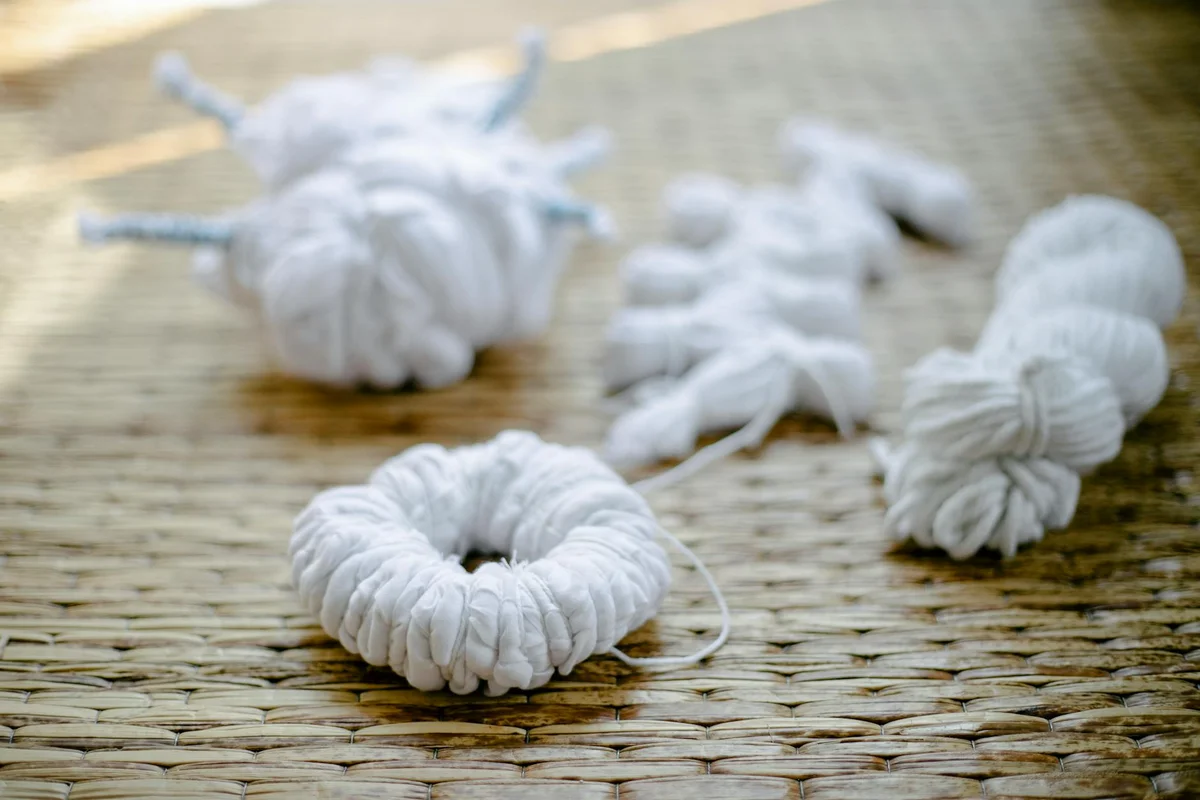
Let’s break down the risks you might face, fiber by fiber. This isn’t meant to scare you, but to give you the clear facts I use when assessing materials in my own studio.
Cotton & Linen
These plant fibers feel pure, but their journey from field to fabric can be chemically intense. Conventional cotton farming uses significant pesticides, residues of which can remain in the raw fiber. The bright white of many cottons? That often comes from chlorine bleaching.
The greater concern for your skin is often in the finishing, where formaldehyde-based resins are used to create “easy-care” or “wrinkle-free” properties. These can off-gas and cause irritation. Opting for GOTS-certified organic cotton or linen is the surest way to avoid pesticide and bleach concerns, and it typically prohibits the worst finishing chemicals.
Wool
Wool’s main chemical exposures happen after shearing. To prevent moth damage, wool is often treated with permethrin or other insecticides. For machine-washable “Superwash” wool, the fibers undergo a chlorination process that strips their scales, sometimes followed by a polymer resin coating. These steps are part of the broader wool fabric production techniques that prepare fibers for spinning, weaving or knitting and finishing. Together, they influence texture, hand, and durability of wool textiles.
I seek out wool from farms that use non-toxic moth deterrents like cedar or freeze their wool instead, and I prefer traditionally processed wool that I can hand-wash gently. It’s better for the sheep’s welfare and results in a fiber free of those processing residues.
Silk
Traditional silk degumming uses hot water and soap. The problem arises with “weighted” silks, where metallic salts (like tin) are added to make the fabric feel heavier and more luxurious. Over time, these salts weaken the silk, causing it to crack and crumble.
Weighted silk is less common now, but if an inexpensive silk feels unusually heavy and stiff, be wary. Dyeing silk typically uses acid dyes, which are relatively safe when properly set, but the process can involve heavy metals for certain deep shades.
Polyester & Nylon
The synthetic fibers themselves are inert polymers. The dye process is the primary concern. Polyester and nylon require disperse dyes, which are essentially fine pigments suspended in a chemical carrier. Incomplete dyeing can leave these chemicals on the fabric.
Every time you wash synthetics, they shed microplastic fibers, which is an environmental toxin. A major health question is around stain-resistant treatments like Crypton. Many of these rely on PFAS chemistry, the “forever chemicals” linked to health issues. If a fabric boasts miraculous stain resistance without a clear, certified non-PFAS explanation, I assume it contains them and avoid it.
Acetate & Rayon
These are “regenerated” fibers, made by dissolving plant cellulose in chemical solvents and extruding it. The manufacturing itself is chemical-heavy. Acetate is often dyed with disperse dyes, similar to polyester. Rayon (including modal and lyocell) usually takes fiber-reactive dyes more readily.
The risk here is less about the final fiber and more about the trace chemicals from manufacturing and the specific dyes and finishes used. Tencel lyocell is a better choice, as its closed-loop process recycles almost all its solvents.
Blends
Blends like poly-cotton or wool-nylon are tricky. Dyeing them evenly often requires a “double-dip” process-one dye bath for the natural fiber and a completely different, harsher chemical bath for the synthetic.
This need for multiple chemical cocktails increases the chance of residual processing aids or unfixed dye remaining in the fabric. From a dyer’s perspective, achieving a solid, colorfast shade on a 50/50 blend is one of the most chemically intensive tasks there is.
How to Test Your Fabrics at Home: A Practical Guide
You don’t need a lab to be a savvy fabric detective. Here are the simple tests I do on any new textile before I use it for a project or wear it next to my skin.
The Sniff Test
When you first unwrap a new garment or fabric, take a deep breath near it. A strong, sharp chemical smell-often described as plasticky, fishy, or like a new car-is a red flag. This is off-gassing, likely from formaldehyde finishes, solvent residues, or plasticizers.
If it smells strongly chemical, air it out thoroughly for several days before wearing; if the odor persists after washing, I would reconsider using it.
The Colorfastness Rub Test
This checks for loose, unfixed dye that could transfer to your skin or other clothes. Mix a mild “sweat” solution: a cup of warm water with a teaspoon of salt and a teaspoon of white vinegar. Dampen a clean, white cotton cloth with the solution.
- Fold the white cloth over a finger.
- Rub it firmly back and forth on a hidden area of the colored fabric (like an inside seam) for about 10 seconds.
- Check the white cloth for any color transfer.
Any dye on the cloth means the dye job is poor or incomplete. For dark jeans or bright reds, I always do this test.
The Skin Patch Test
If you have sensitive skin or eczema, this is your best defense. Cut a small swatch from an inside seam or use an extra scrap of fabric.
- Sew the swatch onto the inside of your elbow, where skin is sensitive.
- Wear it for 48 hours, keeping it dry.
- Remove it and check for any redness, itching, or rash.
This isolates the fabric’s effect from detergents and is a very reliable method.
Understanding Certifications
Labels can help, but you need to know what they promise. Two are gold standards:
- OEKO-TEX Standard 100: This tests the final product for a list of over 100 harmful substances (like heavy metals, pesticides, allergens). It’s a solid baseline for human-ecological safety.
- Global Organic Textile Standard (GOTS): This is more comprehensive. It covers organic fiber sourcing, environmentally and socially responsible manufacturing, *and* strict limits on processing chemicals and dyes. For the lowest-toxic option from field to finished item, look for GOTS certification.
Safe Handling and Care: Washing, Dyeing, and Mitigation

Knowing a fabric might carry residues is one thing. Taking simple, effective action is another. Your first line of defense is your washing machine.
The Power of the First Wash
Before you wear any new garment, especially those with deep colors or a strong “new” smell, wash it separately. I treat this first wash as a decontamination cycle. The goal is to suspend and flush away as much of the soluble processing chemistry as possible.
Here is my lab-tested method:
- Use the hottest water temperature the fabric can safely tolerate. For sturdy cotton, linen, or polyester, that’s 60°C (140°F). For more delicate fabrics like rayon or dark colors prone to fading, use warm water (40°C / 104°F).
- Add a heavy-duty detergent. These contain higher levels of surfactants, the workhorses that latch onto and lift away oily and chemical residues.
- Run an extra rinse cycle. This is non-negotiable. It ensures those suspended chemicals are carried completely out of the fabric and down the drain.
This single wash can remove a significant portion of surface-level irritants and excess dye, making the garment safer and more comfortable against your skin.
Choosing Detergents
Your choice of detergent matters long-term, especially for sensitive skin or baby clothes. Fragrances and optical brighteners are common additives that can cause reactions.
I recommend fragrance-free and dye-free liquid detergents. Powders can sometimes leave mineral deposits, especially in hard water. Liquid formulas are excellent at suspending soils (and chemical residues) in the wash water, preventing them from re-depositing on your clothes. Think of the detergent as a chemical taxi-it picks up the unwanted stuff and drives it away during the rinse.
Home Dyeing Safety
Home dyeing puts you in direct contact with concentrated colorants. Safety comes down to respecting the chemistry.
First, always use a dye formulated for your fiber. Acid dyes for wool and silk. Fiber reactive or direct dyes for cotton. Disperse dyes for polyester. Using the wrong type leads to poor results and wasted product.
When handling powder dyes, you must treat the dust as a respiratory hazard. I never skip this routine:
- Wear a properly fitted N95 mask.
- Use nitrile or rubber gloves.
- Work in a well-ventilated area, ideally near an open window or with a fan pulling air outside.
- Mix powders into a paste with cold water before adding to the hot dye bath to minimize airborne particles.
Ventilation, gloves, and a mask are your essential safety kit for any dye project involving powders.
Finishing Products
A common question I get is, “is 303 Fabric Guard toxic?” Products like this, which are aerosol waterproofing sprays, often contain fluoro-chemicals (like PFAS) or silicone-based polymers. The propellant and the chemical itself can be harmful if inhaled. This also ties into nylon fabric chemicals safety, since nylon can interact with coatings and residues. Knowing this helps you choose safer treatments for nylon fabrics.
If you choose to use such a product, you must do so outdoors while wearing a respirator with an organic vapor/P100 cartridge. Never spray it in a garage or basement. A safer alternative is to choose inherently protective fabrics. A tightly woven cotton canvas or a wool melton cloth has natural resistance without added chemistry.
Environmental Impact and Microfiber Pollution
The chemicals we wash off our clothes don’t just vanish. They enter wastewater systems. Many municipal treatment plants aren’t designed to filter out all dye molecules or persistent finishing agents, which means these substances can reach rivers and oceans.
This connects your laundry safety directly to environmental safety. Reducing your chemical footprint starts at home.
The Microfiber Shedding Problem
Every wash of synthetic fabrics like polyester, nylon, and acrylic releases microplastics. These tiny fibers slough off from friction and agitation. They are too small for filters to catch completely, flowing into waterways where they accumulate in the food chain.
You can dramatically reduce this shedding with a few habit changes:
- Wash synthetic garments less frequently. Air them out instead.
- Use a cooler, gentler wash cycle. High heat and harsh agitation break fibers more easily.
- Fill the machine. A fuller load creates less friction between items.
- Use a washing bag designed to catch microfibers, like a Guppyfriend bag. These bags reduce fiber breakage and trap the shed microplastics inside for you to dispose of in the trash.
Switching to a cold, gentle wash cycle and using a microfiber-catching bag are the two most effective actions you can take to reduce plastic pollution from your laundry.
Performance Finishes vs. Natural Properties
The textile industry often applies chemical finishes to create performance features: stain resistance, moisture-wicking, permanent press. Each finish adds to the garment’s environmental lifecycle impact, from application to washing to disposal.
Consider the natural alternative. Wool naturally resists odors and stains. Linen and cotton are highly breathable. A dense, high-quality fabric weave can be water-resistant without a chemical coating. Choosing garments made from these inherent properties means fewer chemicals are manufactured, applied, and eventually washed away. It’s a simpler, cleaner cycle from the start.
Troubleshooting: What to Do If You Have a Reaction
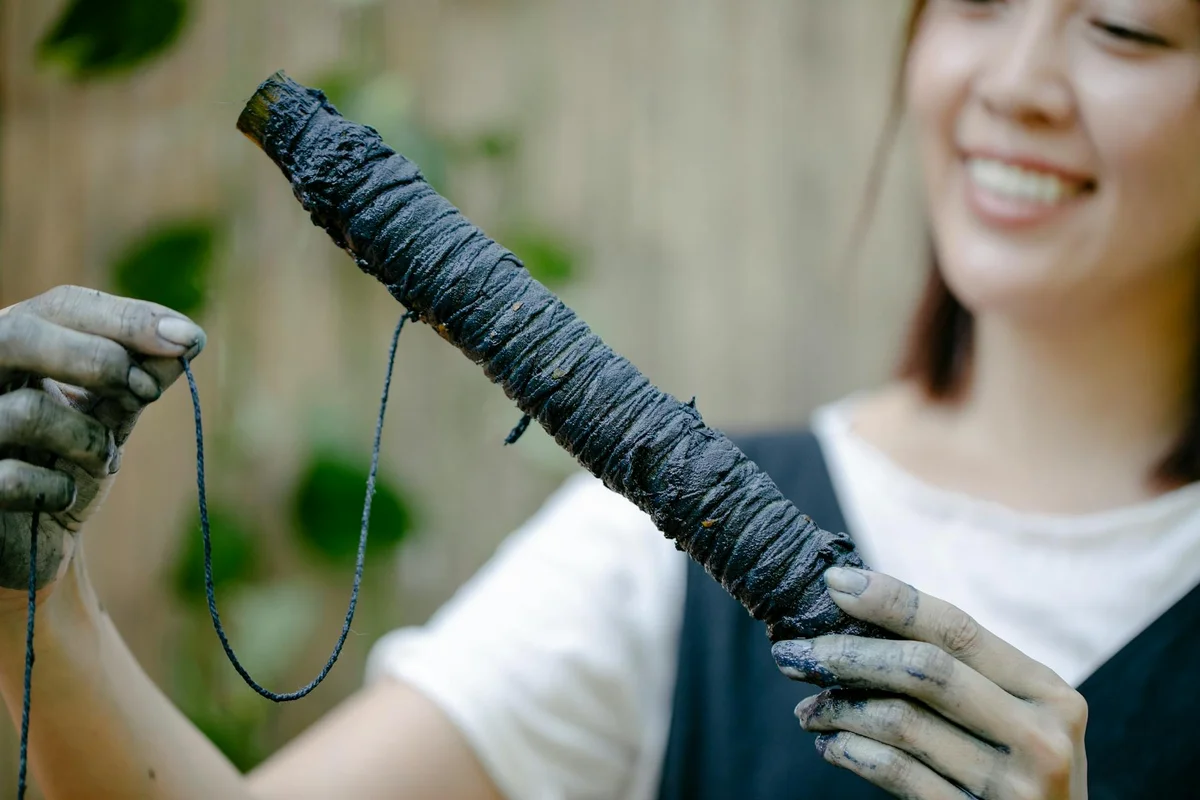
If your skin starts to protest after wearing a new garment, you’re likely dealing with textile contact dermatitis. I see this most often with synthetic fibers and heavily processed natural ones.
The symptoms are usually clear and localized. Look for a red, itchy rash that precisely maps to where the fabric touched your skin most closely. Think under tight waistbands, around sock cuffs, under arms, or across the shoulders of a new shirt. The irritation often has sharp edges, mirroring the garment’s seams or hem.
Your First Response: Immediate Steps
Your first move is to take the garment off and isolate it from your skin and your wardrobe. Do not just throw it in the hamper with other clothes, as residual dyes or finishes can transfer.
Gently wash the affected skin with lukewarm water and a mild, fragrance-free soap. Pat dry-don’t rub. A cool compress can soothe immediate itching. Avoid scratching, as broken skin can lead to infection.
Next, address the garment. I recommend a multi-step laundry assault to remove excess chemical residues.
- Wash the item alone in your machine.
- Use the hottest water the fabric care label allows (for cotton, this is often 60°C/140°F).
- Add a half-cup of white vinegar to the rinse cycle as a natural fixing agent to help lock in any loose dye.
- Dry it completely, then repeat the entire wash cycle one more time.
This process helps rinse away unbound dye molecules and soluble chemical finishes that are often the culprits.
When to Seek Professional Medical Help
If the rash persists for more than a few days after removing the irritant, or if it spreads, blisters, or becomes painful, see a doctor or dermatologist.
Be your own advocate and specifically mention your suspicion of a textile or dye allergy when you go. This guides them toward the right patch test. Standard patch test panels include common allergens like formaldehyde resins (used for crease resistance), certain disperse dyes (common on polyester and acetate), and rubber accelerants found in elastics.
Getting a formal diagnosis is powerful. It moves you from guessing to knowing exactly which chemical to avoid on clothing labels.
Building a Long-Term, Skin-Safe Wardrobe
Once you identify a sensitivity, your shopping strategy must change. Think of it as building a capsule wardrobe for your skin’s health.
Focus on known-safe, minimally processed fibers as your wardrobe foundation. I often guide people toward GOTS-certified organic cotton, linen, and hemp. These standards restrict the hazardous chemicals used in growing and processing. For protein fibers, look for undyed or plant-dyed wool and silk, as they undergo far less chemical alteration than bright synthetically-dyed versions.
Be wary of performance claims. “Wrinkle-free,” “stain-resistant,” “moisture-wicking,” and “static-free” almost always involve chemical finishes that can irritate. A plain, tightly woven cotton is often safer than a “tech” fabric with a mystery coating.
When in doubt, stick to light colors. Darker dyes, especially blacks, navies, and reds, require more aggressive chemistry and higher dye concentrations to achieve depth and fastness. A pastel or natural cream garment typically has a lower chemical load.
Your skin is your best detector. When you find a brand or fiber type that works for you, stick with it. Wash all new clothes before you wear them, every single time. This simple step removes a significant amount of surface-level irritants and is the easiest habit you can build for safer wear.
Final Notes on Safe Fabric Choices
The best step you can take is to test a hidden seam for colorfastness with water and a bit of mild soap before the first wash. This simple check protects your skin and your entire laundry load from unexpected dye bleed and potential irritants.
Your most sustainable and health-conscious garment is often the one you already own, cared for with knowledge of its specific fibers-whether that’s gentle cold washing for cotton dyes or avoiding harsh chemicals on delicate silk. Learning the unique language of each material’s care label is a lifelong practice that benefits both your wardrobe and the wider environment.
Further Reading & Sources
- Is Textile Dyeing Harmful? The Truth Behind the Colors – Ichcha
- Textile Dyes Pollution: The Truth About Fashion’s Toxic Colours – Good On You
- Effects of textile dyes on health and the environment and bioremediation potential of living organisms – ScienceDirect
Florian Ventura
Florian is a high fashion blog writer, fashion and fabric expert and a keen expert in fabric, clothing and materials. She has worked in large textile and fashion houses for over 10+ years, engineering and working with various fabric types and blends. She is an expert when it comes to questions on any and all kinds of fabrics like linen, cotton, silk, jute and many more. She has also traveled around the world studying traditional fabrics and aims to bring them into the modern fashion use.