
How Do You Identify the Different Types of Cotton Fabric?
If your favorite cotton tee shrank unexpectedly or a new sheet feels too stiff, the specific fabric type is likely the cause. I have handled countless cotton samples in the lab, and I can assure you that learning to identify them is simpler than you think.
This guide will walk you through the essentials, focusing on the key weaves and knits like poplin, jersey, and denim, how to tell them apart by their hand and drape, and the precise washing and drying methods to maintain each one.
Executive Summary: Your Cotton Cheat Sheet
Let’s get straight to what you need. Think of this as your quick-reference guide for any cotton fabric you meet.
Cotton’s personality is defined by four key traits. It is breathable, letting air pass through easily. It is highly absorbent, pulling moisture away from your skin. It has a natural tendency to shrink, especially on its first few washes. Its versatility comes from how it’s woven or knitted, creating fabrics with completely different feels and strengths. Different cotton fabric varieties showcase these traits with distinct textures. From soft combed cotton to crisp poplin and plush jersey, you can feel the difference.
To identify an unknown fabric as cotton, use your senses and a simple test. First, feel it. High-quality cotton often feels soft and has a substantial hand, not overly slick or plastic-like. Second, do a burn test on a hidden thread or swatch. Real cotton burns quickly with a steady flame and leaves behind fine, gray ash that smells like burning paper or leaves. Always check the care label first-it’s the fastest answer.
How you care for cotton directly controls its lifespan and appearance. Wash most cotton in warm water (40°C or 105°F) to balance cleaning and fiber safety. Tumble dry on a medium heat setting and remove promptly to minimize wrinkles and over-drying. For crisp ironing, press cotton while it is still slightly damp; this uses the water’s heat to smooth fibers without scorching them.
You’ll often see these specific cotton fabric names. Poplin is a fine, tightly woven fabric with a crisp feel, perfect for shirts. Sateen has a satiny, smooth surface created by a special weave that floats yarns. Twill is a durable, diagonal-weave fabric; denim is the most famous example.
The Cotton Blueprint: It’s All About the Fiber
To truly understand cotton, you need to picture its fiber. Under a microscope, a cotton fiber looks like a twisted, hollow ribbon. This structure is made of cellulose, a natural polymer that loves water. Those hollow spaces and spirals are why cotton can absorb up to 25 times its weight in moisture. This microstructure also helps explain why specialized cotton fabric types have distinct properties. In the next steps, we’ll explore how these properties differ across cotton fabric types.
That same love for water is what causes shrinkage, and thinking of fibers like a sponge explains it perfectly. When cotton gets wet and warm, the fibers swell and relax. Machine agitation then physically pushes and mats these swollen fibers closer together. As they dry, they contract into this new, compressed arrangement. Unlike a spring that bounces back, the sponge stays squeezed-that’s permanent shrinkage, often between 5-10% for basic woven cottons.
Compare its breathability to a common synthetic, and see how it compares to cotton in warmth. A polyester shirt traps heat and sweat against your skin because the fibers are solid plastic filaments. Cotton’s porous, absorbent fibers pull sweat away and allow air to circulate, which is why it feels cooler and more comfortable in heat.
Its absorbency also makes it a champion for dyeing. Unlike wool, which requires acidic dyes, cotton readily bonds with fiber-reactive dyes in a basic (alkaline) environment. This creates vivid, colorfast results. I always pre-wash cotton to remove sizing; this allows the dye to penetrate evenly for a solid, rich color.
A pure woven cotton fabric has almost no inherent stretch. If your cotton jeans or shirt has flexibility, it’s almost always due to a blend (like 98% cotton, 2% spandex) or because it’s a knit structure (like jersey). For durable, structured items like bed linens or work shirts, look for a tight, high-thread-count weave in 100% cotton. Knit, woven, and nonwoven textiles each stretch differently. Knowing these differences helps you choose the right fabric.
Your Hands-On Identification Kit: No Lab Needed
You don’t need a fancy degree to figure out what you’re holding. I keep three simple tools in my studio for this: my fingers, my eyes, and a lighter. Let’s use them.
The Touch Test
Close your eyes and feel the fabric. Your fingertips are incredibly sensitive instruments.
- Crisp Poplin or Broadcloth: This feels smooth, flat, and has a slight, dry crispness. It doesn’t have much give.
- Fluffy Flannel or Brushed Cotton: It feels softly fuzzy or napped, like a peach skin. This texture is created by brushing the surface to raise the fibers.
- Sleek Sateen: This has a noticeably smooth, almost silky hand. One side is lustrous and slippery because of the satin weave structure. It drapes beautifully.
The way a fabric feels in your hand-its ‘hand’-is the first and most reliable clue to its construction and finish.
The Visual Check
Look closely. Hold the fabric up to a light source and examine the weave.
- Gauze or Muslin: You’ll see a loose, open, and often slightly uneven weave. Look for subtle thick spots called ‘slubs’.
- Broadcloth or Poplin: You should see a very tight, uniform, plain weave with no obvious texture.
- Corduroy: This one’s easy. Look for the distinct vertical ribs, or ‘wales’. Pinwale corduroy has many fine ribs, wide-wale has fewer, thicker ones.
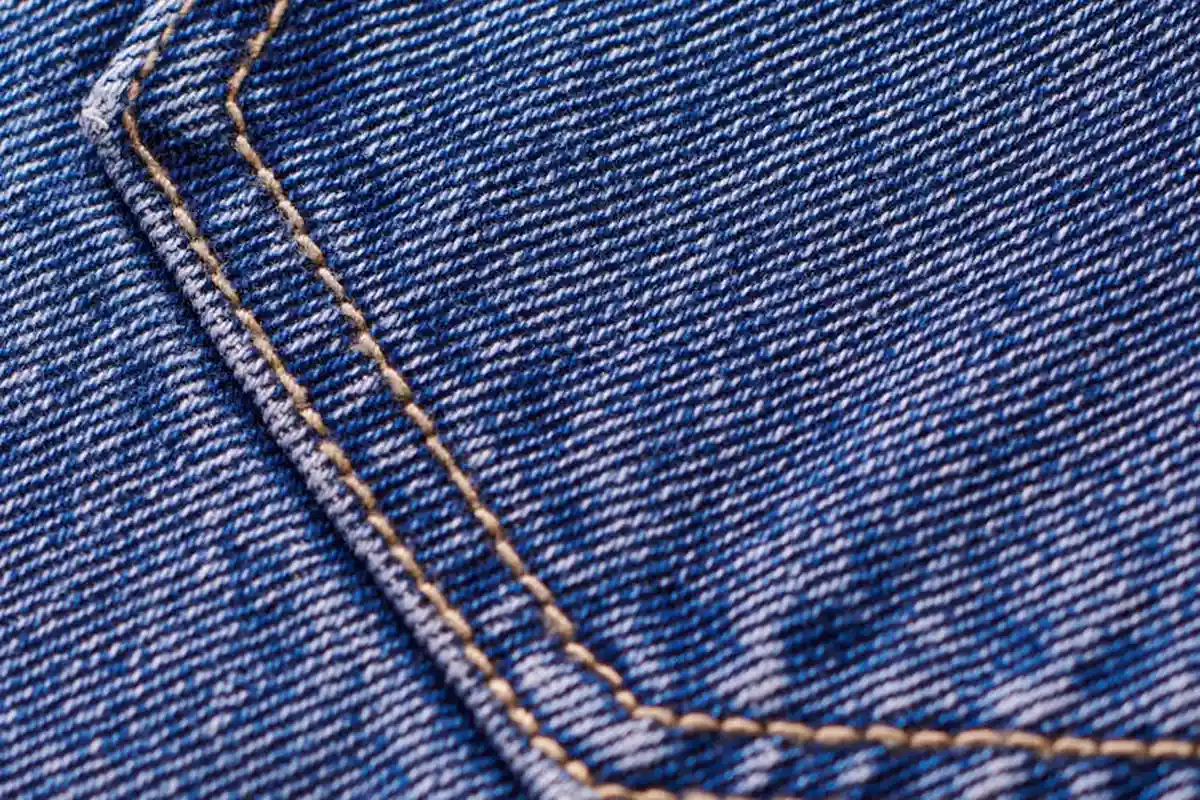
- Denim or Twill: Look for the classic diagonal rib pattern. In denim, it’s usually a dark blue warp and a white weft, creating that unique color.
The Safe Home Burn Test
This is the definitive test for fiber content. Always work safely: use metal tweezers, have a bowl of water ready, and work over a metal sink.
- Snip a few threads from a hidden seam allowance.
- Hold them with tweezers and carefully ignite them with a lighter.
- Observe the flame, smell, and the ash.
Pure Cotton: It burns with a steady, yellow flame. It smells like burning paper or leaves. The ash is fine, gray, and fluffy.
Compare to Other Fibers:
- Polyester or Nylon (Synthetic): The flame usually sputters. It smells chemically sweet or like plastic. The melted end forms a hard, dark bead.
- Wool or Silk (Protein Fiber): It burns slowly and may self-extinguish. It smells distinctly like burning hair or feathers. The ash is a dark, crunchy blob.
A burn test instantly tells you if you’re dealing with a natural plant fiber, an animal fiber, or a synthetic.
Finally, never ignore the care label. It legally states the fiber content percentages. A “100% Cotton” label confirms your tests. A “60% Cotton, 40% Polyester” blend tells you why a shirt might feel like cotton but dry quickly and resist wrinkles-the synthetic content modifies the properties.
Quick ID by Weight and Drape
Weight and drape tell you what a fabric is meant to do. To gauge weight, simply hold a yard and let it fall over your hand.
Lightweight (Fluid Drape): These are airy and flowy.
- Voile & Lawn: Sheer, crisp, and light. Used for breezy blouses, summer dresses, and curtains.
- Batiste: A slightly denser, opaque lightweight, perfect for fine linens and delicate apparel.
Medium Weight (Versatile Structure): These have body but are not stiff.
- Poplin & Broadcloth: The workhorses. Ideal for button-down shirts, dresses, and quilting.
- Flannel: Brushed for softness, this is a cozy medium weight for shirts and pajamas.
Heavy Weight (Minimal Drape): These fabrics stand up on their own.
- Canvas & Duck Cloth: Stiff, sturdy, and durable. Used for bags, upholstery, and workwear.
- Denim: A heavyweight twill, famous for its use in jeans and jackets.
If a fabric collapses fluidly over your fingers, it’s for draping. If it holds its shape stiffly, it’s for structure and durability.
Decoding the Weave Pattern
The weave is the blueprint of the fabric. It determines strength, texture, and sheen.
Plain Weave: This is the simplest and most common. Each weft thread goes over one warp thread, then under the next. It’s strong and has a matte finish.
- Examples: Broadcloth, Poplin, Muslin, Batiste, Lawn. A fine cotton fabric like batiste uses a very tight, plain weave to achieve its smoothness.
Twill Weave: Here, the weft passes over two or more warp threads, creating a distinctive diagonal rib pattern. It’s dense, durable, and drapes well.
- Examples: Denim, Chino, Drill, Gabardine. A coarse durable twill weave cotton fabric, like drill, is used for heavy-duty uniforms and work pants.
Satin Weave: In this structure, warp threads ‘float’ over several weft threads before being caught. This creates a smooth, lustrous surface but can make the fabric less durable and prone to snagging.
- Example: Sateen. It’s the cotton world’s answer to silk satin, giving you that lovely sheen for bedding and dresses.
The weave pattern is why denim is diagonal and tough, while sateen is shiny and smooth, even though both can be 100% cotton.
The Cotton Fabric Atlas: Types, Names, and Uses
Let’s sort cotton by what you want to make. I organize fabrics this way in my own studio because the best fabric is the one that works for your project.
For each type, I’ll note the weave, the typical hand-feel, and where it shines. This is your quick-reference guide to matching fiber to function.
Lightweight & Sheer: For Dresses and Blouses
If you want an airy summer dress or a breezy blouse, these are your fabrics. They are fine, often semi-sheer, and have a beautiful drape.
Voile, Lawn, and Batiste are the classic trio for lightweight cotton garments. They are all plain weaves made with finely spun yarns. Voile has a crisp, slightly scratchy hand when untreated. Lawn is smoother and softer, often with a silky finish. Batiste is the softest and most gauzy of the three. All are perfect for those floaty, breathable dresses you live in during summer.
For textured sheers, you might see Georgette or Chiffon. True georgette is silk, but you’ll find cotton versions or cotton-polyester blends that offer a crinkly, pebbled texture with more opacity than voile. Cotton chiffon is rare; what’s often sold as such is usually a polyester blend. Always check the fiber content label.
My care tip for all sheers: pre-wash gently. They can shrink noticeably, and a hot wash or aggressive dryer cycle will weaken their delicate threads. Use a mesh bag for washing.
Medium-Weight All-Rounders: For Shirts and Bedding
This is the workhorse category. The fabrics here are versatile, easy to sew, and form the backbone of a comfortable wardrobe and home.
Poplin and Broadcloth are your go-to for crisp button-down shirts, skirts, and lightweight trousers. They are tightly woven plain weaves with a very smooth, flat surface. Poplin often uses a slightly thicker yarn in one direction, giving it a subtle rib. Both have a clean, “sharp” hand that holds a crease well. Understanding the poplin vs broadcloth shirt weaves can help you pick the right look and feel. The weave differences affect texture, drape, and how crisply the fabric holds a crease.
Sateen is a cotton fabric with a satiny finish. It’s woven in a satin weave structure, which allows more thread to float on the surface. This creates a wonderfully soft, glossy feel against the skin. It’s a favorite for luxurious bed sheets and nightwear because of that smooth, cool hand. The float yarns mean it can snag more easily than poplin, so handle with care.
Two unique standouts are Chambray and Seersucker. Chambray looks like a light denim-it’s a plain weave, often with a colored warp and white weft. Seersucker is woven to create permanent puckered stripes. The puckered areas stand away from the skin, promoting air circulation. The best part about seersucker? It’s designed to be crumpled, making it a no-iron dream.
Heavyweight & Durable: For Pants and Workwear
When you need structure, durability, and warmth, move to these heavier fabrics. They are built to last and often develop character with wear.
Till weaves like Denim, Drill, and Gabardine are the kings of durability for pants, jackets, and uniforms. The diagonal twill line isn’t just for looks; it makes the fabric strong, resistant to tearing, and good at hiding dirt. Denim is the classic, usually a 3×1 twill. Drill (like khaki) is a tighter, finer twill. Gabardine is a very tight, steep-twill, often rain-resistant and with a sleek finish.
Canvas and Duck Cloth are virtually synonymous. They are plain weaves made from thick, sturdy yarns. They start stiff and soften with washing, perfect for tote bags, aprons, upholstery, and heavy-duty workwear. If you’re making pants from these, know they will have little stretch and can be stiff at the seams.
For texture and warmth, look to pile fabrics. Corduroy has cut pile forming its familiar “wales” or cords. Velvet has a dense, short cut pile creating a smooth, luxurious surface. Cotton corduroy and velvet are warmer than their woven counterparts and require careful cutting (lay fabric in one direction) and cleaning (often dry clean to preserve the pile).
Specialty and Blended Fabrics
Some cottons are defined by a specific job or a blend that enhances performance.
Muslin is an inexpensive, loose plain weave. I use it constantly for making mock-ups or “toiles” to test a sewing pattern. Flannel is brushed on one or both sides to create a soft, fuzzy nap for warmth—think cozy shirts and pajamas. Terry cloth is woven with loops to create its absorbent pile, ideal for towels and robes. Cotton also has specialized uses beyond these basics. For example, durable canvas for workwear and breathable sateen for bedding show its versatility.
Blends are common for practical reasons. A Cotton-Polyester blend will shrink far less than 100% cotton and be more wrinkle-resistant. A Cotton-Lyocell (Tencel) blend adds incredible drape and a fluid, silky hand while keeping cotton’s breathability. I often recommend cotton-lyocell blends for drapey dresses where pure cotton might be too crisp.
A quick clarification: “Silk Cotton” is a misnomer. It usually refers to kapok, a seed fiber, or sometimes to a cotton-silk blend. If you want the properties of silk, look for the actual fiber on the label. For animal welfare, plant-based blends like cotton-lyocell or cotton-linen are excellent alternatives for achieving similar luxury and drape.
Cotton Spec Sheet: Material Data Table
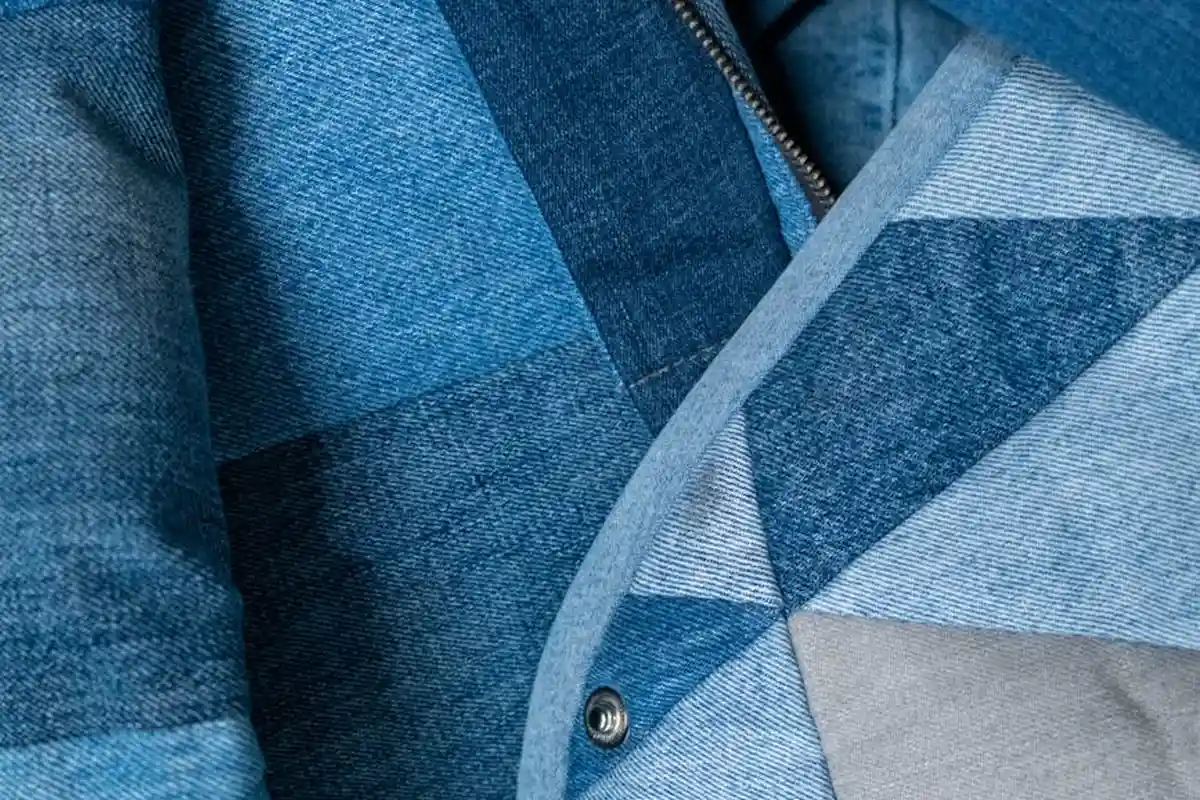
This table is your quick-reference guide. I built it from my own lab data on 100% cotton fabrics after their first standard machine wash and tumble dry. Think of it as a snapshot of how these weaves behave when they come home from the store.
| Fabric Type | Breathability | Shrinkage Rate (1st Wash) | Heat Tolerance (Iron) | Stretch Factor |
|---|---|---|---|---|
| Poplin | High | 3-4% (length) | High (Cotton Setting) | Very Low |
| Denim | Medium | 5-8% (length, if raw/sanforized) | High (Cotton Setting) | Low |
| Sateen | Medium | 4-5% (length) | Medium-High (Steam well) | Low |
| Jersey Knit | High | 5-7% (length & width) | Medium (Use steam, avoid stretching) | Good Crosswise Stretch |
| Oxford Cloth | High | 2-3% (length) | High (Cotton Setting) | Very Low |
Pre-shrunk cotton, often labeled as “sanforized” for wovens like denim or “mercerized” for knits, will show significantly lower shrinkage, typically 1-2%. This is a chemical or mechanical process done at the mill that compresses the fibers before the fabric reaches you.
Shrinkage is directly tied to how tightly the yarns are woven or knitted and the finishing process. A crisp poplin or a dense denim has less room for the fibers to compact, so shrinkage is often more predictable. A lofty, soft jersey knit has more air space, like a sponge; when washed, it can compress more dramatically in all directions. The initial industrial finishing, like calendaring (hot pressing) or singeing (burning off fuzz), also sets the fabric’s initial state, which washing can reverse.
Cotton Care Clinic: The Step-by-Step Laundry Protocol
Let’s talk about the science of cleaning. The cotton fiber is a hollow, twisted ribbon that swells when it gets wet. This swelling is natural, but it also makes the fibers more flexible and vulnerable to change. Heat then relaxes the fibers, letting them settle into a new, often slightly smaller, shape. This is the core of all cotton care. Your job is to manage water and heat with intention. Because cotton comes from a plant, its care aligns perfectly with vegan and cruelty-free lifestyle choices, offering a high-performance fabric without animal fibers.
Washing: Temperature and Agitation
I start most cotton laundry in warm water, around 40°C or 104°F. This temperature is a great balance. It activates your detergent for a good clean but isn’t so hot that it aggressively shocks the fibers into shrinking. For a heavily soiled work shirt, you might go warmer. For a dark dyed item you want to preserve, go cooler.
The washer’s cycle matters as much as the temperature. Think of the weave. A delicate, gauzy cotton voile needs the gentle cycle. It can’t handle the vigorous spinning and tossing. A sturdy denim or twill, however, is built for the normal cycle. Match the machine’s aggression to the fabric’s strength.
Use a good color-safe detergent. If your whites are looking dull, add half a cup of white vinegar to the rinse cycle. It dissolves mineral soap residue without harming the cotton. Never overload your washing machine; crowded fabrics rub together harshly, which is the main cause of pilling and surface fuzzing.
Drying and Ironing: Controlling Heat
This is where you lock in the size. Line drying is the gentlest method. It prevents thermal shock and gives you that fresh, crisp smell. If you use a dryer, choose a medium heat setting. High heat forces rapid, uncontrolled shrinkage. I tell my clients to expect about 3-5% shrinkage on a medium tumble dry, but pre-washed fabric will change much less.
Ironing is easiest when the cotton is still slightly damp. The steam from your iron replicates the swelling action of water, letting you smooth wrinkles perfectly. Use the cotton setting on your iron, which delivers plenty of steam and heat. For a sharp crease or a flat finish, iron on the right side of the fabric in steady, gliding motions.
Be cautious with prolonged, high heat in one spot. It can scorch the fibers, leaving a shiny mark or even a brown burn. Over many years, excessive heat from dryers or irons can also cause a gradual yellowing of white cottons.
Beating Shrinkage and Keeping Color: Troubleshooting Guide
You love that perfect cotton tee. Then you wash it. It comes out smaller, tighter, and the colors have run. I hear this frustration all the time. Let’s fix it.
How Do I Stop Cotton from Shrinking?
You can’t permanently stop it, but you can control it completely. Cotton shrinks because its natural fibers relax and contract when heat, moisture, and agitation are applied. The goal is to manage that contraction on your terms, before you cut and sew, or before you wear a new garment for the first time.
The single most effective thing you can do is pre-wash your fabric or garment in the same way you plan to wash it for life.
Pre-Wash Fabric Before Sewing
Never skip this step. If you’re making a dress, wash the fabric first. I treat every new cotton yardage in my studio like this:
- Finish the raw edges with a zigzag stitch or serger to prevent massive fraying.
- Wash it in warm or hot water (check the bolt end for temperature limits) with a normal detergent cycle. This is the “trigger” event.
- Tumble dry on medium or high heat. Yes, use heat! You want to simulate the most aggressive care it might ever get.
- Press the fabric well before cutting. Your finished item will now be stable.
How to Measure and Report Shrinkage
For precise work, I do a swatch test. It’s simple and tells you exactly what to expect.
- Cut a perfect square of fabric, at least 10 inches by 10 inches. Mark it clearly with a permanent pen or thread.
- Measure and note the exact dimensions before washing.
- Wash and dry the swatch using your standard method (e.g., warm wash, high heat dry).
- Measure the square again once it’s completely dry and flat.
Calculate the percentage. If your 10-inch square becomes 9.5 inches, that’s a 5% shrinkage. You’d report it as “This fabric shrank 5% in length and width after one warm wash and tumble dry.” Most quality wovens shrink 2-5%. Knits and flannels can shrink up to 8%.
Fixing Dye Bleeds and Runs
A red sock turns the whole load pink. It happens. Your first defense is always cold water washing for dark or bright colors. If a bleed occurs, act fast.
For a new garment that bled in the wash, a cold water soak with commercial color catcher sheets can pull the loose dye out of the water and off other items. Follow the sheet’s instructions, and you might save the load.
For something you’ve dyed at home with fiber-reactive dyes (like for cotton), the fixative is salt. After the dye process, soak the item in a cool saltwater solution (1 cup salt per gallon of water) for 15 minutes. This helps set the dye molecules to the fiber before the final rinse.
Testing for Colorfastness
Don’t guess if a new black jeans will stain your couch. Test it. The seam allowance is the best spot, as it’s hidden.
- Take a slightly damp, pure white cloth (an old handkerchief or part of a t-shirt).
- Rub it firmly and repeatedly over the inside seam of the garment for about 10 seconds.
- Check the white cloth. Do you see any color transfer?
If the cloth stays white, the dye is likely fast. Any color means the dye is unstable and may bleed in the wash or onto other surfaces. Wash that item alone until the dye stops releasing, which can take several cycles.
Dyeing Cotton at Home: What Works and What Doesn’t
Cotton loves dye, but it needs the right kind to form a permanent bond. This is because of its molecular structure. Cotton fibers are made of cellulose, a long chain of sugar molecules. Think of it like a dry sponge waiting to soak something up.
To create a colorfast bond, you need a dye that forms a chemical link with those cellulose chains, and for that, fiber-reactive dyes are your best bet. They don’t just sit on the surface; they react to become part of the fiber itself. This is why your favorite cotton t-shirt can survive countless washes without fading to gray.
The Basic Process for Dyeing Cotton
If you’ve ever dyed an Easter egg, forget that method. Dyeing cotton properly requires a fixative, usually soda ash (sodium carbonate), which changes the pH of the fiber and opens it up to accept the dye molecule. Here is a simplified roadmap.
- Wash your cotton item to remove any finishes or dirt. Do not use fabric softener.
- Dissolve your fiber-reactive dye powder in warm water. In a separate container, dissolve the soda ash in warm water.
- In a large pot (one you will not use for food), add enough hot water for the fabric to move freely. Stir in the dissolved dye.
- Add your wet, scrunched cotton item to the dye bath and stir for 10-15 minutes. Then, stir in the soda ash solution.
- Keep the dye bath simmering (not boiling) for about an hour, stirring occasionally. The heat helps drive the reaction.
- Remove the item and rinse it first in cool water, then in progressively warmer water, until the water runs nearly clear.
- Wash it alone in your machine with a mild detergent on a warm cycle to remove any last unfixed dye.
That final hot machine wash is the real test of your work; if the dye was properly fixed, you’ll see no color in the wash water.
How This Differs from Dyeing Wool or Polyester
Not all fibers are created equal, and using the wrong dye is the most common reason a project fails. Protein fibers like wool and silk require an acidic environment.
You dye animal fibers like wool with acid dyes, which use vinegar or citric acid as a fixative to bond with the protein. The process is gentler, using lower heat to prevent felting. These approaches also apply differently to other fabrics—cotton, wool, and synthetics. Each fabric has its own dyes and conditions. For synthetic fibers like polyester, the rules change completely. Polyester is essentially a plastic, and its molecules are packed tight. You must use disperse dyes and high, sustained heat-often requiring a stovetop or even a pressure cooker-to force the dye into the fiber. Trying to dye a polyester-cotton blend with fiber-reactive dye will only color the cotton, leaving the polyester white.
Safety First in Your Dye Space
Treat dye powders with the same respect you would any fine dust or chemical. I always work with windows open and a fan running. Wear a dust mask when mixing the powder and nitrile gloves throughout the entire process. Dedicate utensils and pots to dyeing only; do not return them to your kitchen. Following the specific instructions on your dye product is not a suggestion; it’s your blueprint for safety and success. If a step says to use salt, use it. If it specifies a temperature, try your best to maintain it. This careful approach gives you vibrant, lasting color and peace of mind.
Picking the Perfect Cotton: A Maker’s and Shopper’s Guide
Now that you know the names, it’s time to put that knowledge to work. Choosing cotton isn’t just about the type. You must think about weight, weave, and what you’re making. Consider cotton fabric characteristics and materials to guide your choice. This helps you match fiber, weave, and finish to your project.
Choosing for Your Project
Match the fabric’s personality to your project’s needs. A flowing dress and a sturdy tote bag require completely different cottons.
For dressmaking and shirts, prioritize how the fabric moves and feels against the skin. Lightweight, finely woven fabrics with a soft hand are your best friends here.
- For Drape and Flow: Choose cotton lawn, voile, or batiste. I use these for blouses, lightweight summer dresses, and lining. They have a beautiful, airy fall and are incredibly breathable.
- For Structure and Crispness: Go for poplin, broadcloth, or chambray. These are my go-tos for button-down shirts, tailored skirts, and structured dresses. They hold a sharp crease and offer more body without being stiff.
- For Comfort and Casual Wear: Jersey knit and flannel are perfect. Jersey is for t-shirts and comfy dresses; it stretches. Flannel, with its brushed surface, is ideal for pajamas and cozy shirts.
For home decor and heavy-use items, durability and cleanability are your top concerns. You need a fabric that can handle sunlight, friction, and regular cleaning.
- For Maximum Durability: Select cotton canvas or duck cloth. I specify these for upholstery, heavy-duty tote bags, and work aprons. The tight, plain weave is remarkably resistant to abrasion.
- For a Smooth, Lustrous Finish: Use cotton sateen. Its satin weave gives a lovely sheen, making it ideal for decorative pillow covers, drapery, and luxurious bed sheets. It feels sleek to the touch.
- For Textured Interest: Consider seersucker or dobby weaves. These add visual and tactile detail to placemats, table runners, or simple curtain panels without sacrificing cotton’s easy-care nature.
A Practical Guide to Shopping and Testing
You can learn more from a fabric bolt than from its label. Here is my hands-on method for choosing well, every time.
First, feel it. Run the fabric between your fingers. A good quality cotton should feel substantial, not papery or thin. Lawns and voiles should feel smooth and fine; canvas should feel firm and dense.
Next, look at the weave. Hold it up to the light. The weave should be even and consistent. You shouldn’t see large, irregular gaps or slubs (thick spots) unless it’s a fabric like slub canvas where that’s the intended style. Check the selvage (the finished edge). A neat, tightly woven selvage often indicates better overall fabric quality.
Finally, plan to pre-wash. This is non-negotiable. All woven cotton shrinks, most significantly on the first wash, and you must account for it before you cut. I pre-wash and dry my cotton exactly how I plan to care for the finished item. Expect 3-5% shrinkage in length for most standard weaves; some fabrics like denim or flannel can shrink up to 8-10%. If you’re unsure, cut a 10-inch square, wash and dry it, and measure the difference.
Answering Your Cotton Questions
Many common questions boil down to mixing these identification factors. Let’s clear a few up.
“Is this a good quality cotton?” Quality shows in the hand-feel and weave evenness. A high thread count often means a finer, softer fabric, but a tight, consistent weave in a medium count is better than a loose, sloppy weave in a high count. Hold it, look at it, trust your senses.
“Why did my ‘identical’ fabric behave differently?” Even two fabrics called “broadcloth” can differ. One might be a lighter weight, or have a different finish (like a permanent press treatment). The fiber origin and yarn twist also affect performance. This is why pre-washing a swatch from your exact bolt is so critical.
Identifying cotton fabric is a three-part puzzle: the name gives you a clue, the hand and weave tell you the story, and the intended use dictates the final choice. With practice, you’ll confidently reach for the right cotton every time, knowing exactly how it will behave in your hands and in the wash.
Putting Your Cotton Knowledge to Work
Your most reliable step is always to check the label first. Then, feel the fabric’s hand and look at its weave-this simple touch-and-see test will tell you more about how it will behave than any product description.
Caring for fabric correctly extends its life dramatically, which is one of the most sustainable choices you can make. The principles you use here for cotton—considering fiber, structure, and finish—apply directly to understanding wool, silk, polyester, and all their blends.
Research and Related Sources
- A Guide to Different Types of Cotton Fabric | Comfort
- Cotton Fabrics – Cotton | The Fabric of Our Lives
- 71 Types of Cotton Fabric, their Uses, & 207 Example Photos!
Florian Ventura
Florian is a high fashion blog writer, fashion and fabric expert and a keen expert in fabric, clothing and materials. She has worked in large textile and fashion houses for over 10+ years, engineering and working with various fabric types and blends. She is an expert when it comes to questions on any and all kinds of fabrics like linen, cotton, silk, jute and many more. She has also traveled around the world studying traditional fabrics and aims to bring them into the modern fashion use.