
Can You Use Tacky Glue on Fabric? A Textile Scientist’s Verdict
That squeeze bottle of clear tacky glue is tempting for a quick fabric fix, but using it can feel like a gamble. As a textile scientist, my short answer is: sometimes, but you need to know the rules to avoid a stiff, peeling mess.
We will cover which fabrics accept glue best, how to choose and apply the right adhesive, and whether your project will survive washing or just become a craft casualty.
Executive Summary: The Short Answer on Fabric and Tacky Glue
You can use tacky glue on fabric, but only in very specific situations. Think of it as a short-term solution, not a permanent textile bond.
It works for temporary holds or light decorative crafts on stable, washable fabrics like tightly woven cotton or linen. I’ve used it to quickly tack down a paper pattern piece before stitching or to secure a single sequin on a costume meant for one night.
The critical limitation is its complete lack of flexibility and wash resistance. Tacky glue dries into a rigid plastic film. When you bend or wash the fabric, that film cracks and peels right off. It is not designed for the dynamic world of textiles.
This is where true fabric glue differs. A quality fabric glue remains slightly flexible after curing, bending with the fibers, and is formulated to survive gentle washing. It’s a tool designed for the job.
Your success hinges on three things:
- Fabric Type: Stable, non-stretchy, tightly woven natural fibers (like quilting cotton) are your best bet. Avoid knits, stretchy fabrics, silks, or wools.
- Project Purpose: Is this a costume for a single event or a heirloom quilt block? Tacky glue is for the costume, not the quilt.
- Care Requirements: If the item will ever need washing, folding, or wearing with movement, tacky glue will fail.
What Tacky Glue Is (And Isn’t): A Textile Scientist’s View
In my lab, we classify adhesives by their polymer base and curing mechanism. Tacky glue is a polyvinyl acetate (PVA) emulsion. That’s a fancy term for tiny plastic particles suspended in water.
Its drying mechanism is simple water evaporation. As the water leaves, the plastic particles coalesce into a solid, continuous film on the surface of your material. It’s like painting on a very thin layer of flexible plastic-until it dries completely.
On fabric, this creates a fundamental problem. That clear, dried film feels stiff and brittle to the touch. I describe it as a crispy, plasticky patch. Run your fingernail over it and you’ll hear a slight scratch. This is because PVA film has minimal elongation; it doesn’t stretch.
Textiles, by their nature, must flex, bend, and move. Every time you bend a glued seam, you are mechanically stressing that rigid film. After enough cycles, it micro-cracks, loses adhesion, and fails. Compare this to a proper fabric glue, which uses polymers that cure into a tougher, more rubber-like state that can move with the fabric’s weave.
Think of it like this: gluing fabric with tacky glue is like trying to bind two sponges together with a dried paint chip. It might stick at first, but any compression will shatter the bond. Fabric glue often hardens and cracks, whereas a fabric glue designed for textiles is more like a durable, elastic rubber band holding them together—it can handle the pressure.
| Tacky Glue | Fabric Glue | |
|---|---|---|
| Bond Type | Rigid, brittle film | Flexible, rubbery film |
| Flexibility | Low. Cracks with bending. | High. Moves with the fabric. |
| Washability | Poor. Dissolves in water. | Good. Often machine-washable. |
| Best For | Temporary, non-washable crafts on rigid surfaces. | Durable repairs and projects on flexible fabric. |
I keep both in my studio, but they are not interchangeable. The difference comes down to chemistry. Tacky glue forms a hard, brittle film as it dries. Think of it like a thin layer of dried white school glue. It’s meant for porous, stationary things like paper and wood.
Fabric glue is engineered for movement. It contains additives like plasticizers and latex that keep the dried adhesive flexible. This creates a rubbery bond that can bend, twist, and survive the agitation of a washing machine. Compared to hot glue, fabric glue is washable and designed to endure water and agitation without cracking. This makes it ideal for items that will be laundered or worn. For any project that will be handled, worn, or washed, fabric glue is the only reliable choice.
For tasks like hemming, a specialized adhesive called fusible web is even better. This dry, heat-activated mesh melts to create a bond without any stiff glue residue at all. It’s my go-to for quick, invisible fixes.
How Different Fabrics React to the Glue Film
Not all fabrics accept glue the same way. The fiber content and weave change everything.
Cotton and stable cotton-blend fabrics provide a decent initial grip for tacky glue. The glue soaks into the fibers on a smooth, tight weave. But that stiff film I mentioned? On a flexible textile, it becomes a problem. With repeated bending, the glue will crack and the bond will fail (especially when using PVA glue). It might hold a button for a day, but not through a season.
Delicate wovens like silk or thin rayon are high-risk. These fibers can wick the liquid glue along their length, creating a dark, stained line that sets permanently. This damage is often irreversible, even with spot cleaning. I’ve seen it ruin a beautiful silk scarf.
Stretch fabrics like jersey or anything with spandex demand flexibility. Adhesives that flex with knit fabrics preserve elasticity and comfort. A rigid tacky glue film acts like a cast. The moment you stretch the fabric, the inflexible glue bond will pop right off, leaving a hard, uncomfortable patch behind.
Water-sensitive fibers require careful handling. The water in wet tacky glue can cause wool to felt or shrink. It can leave permanent water spot rings on silk or cause delicate fabrics to distort as they dry unevenly.
Non-porous synthetics like polyester and nylon have very smooth fiber surfaces. Tacky glue often just sits on top of these slick fibers, peeling off easily once dry because it can’t mechanically anchor itself. Some fabric glues are formulated with solvents to slightly soften these fibers for a better bond, but they may still struggle to adhere effectively to nylon fabric.
When You Can Use Tacky Glue on Fabric (The Safe Projects)
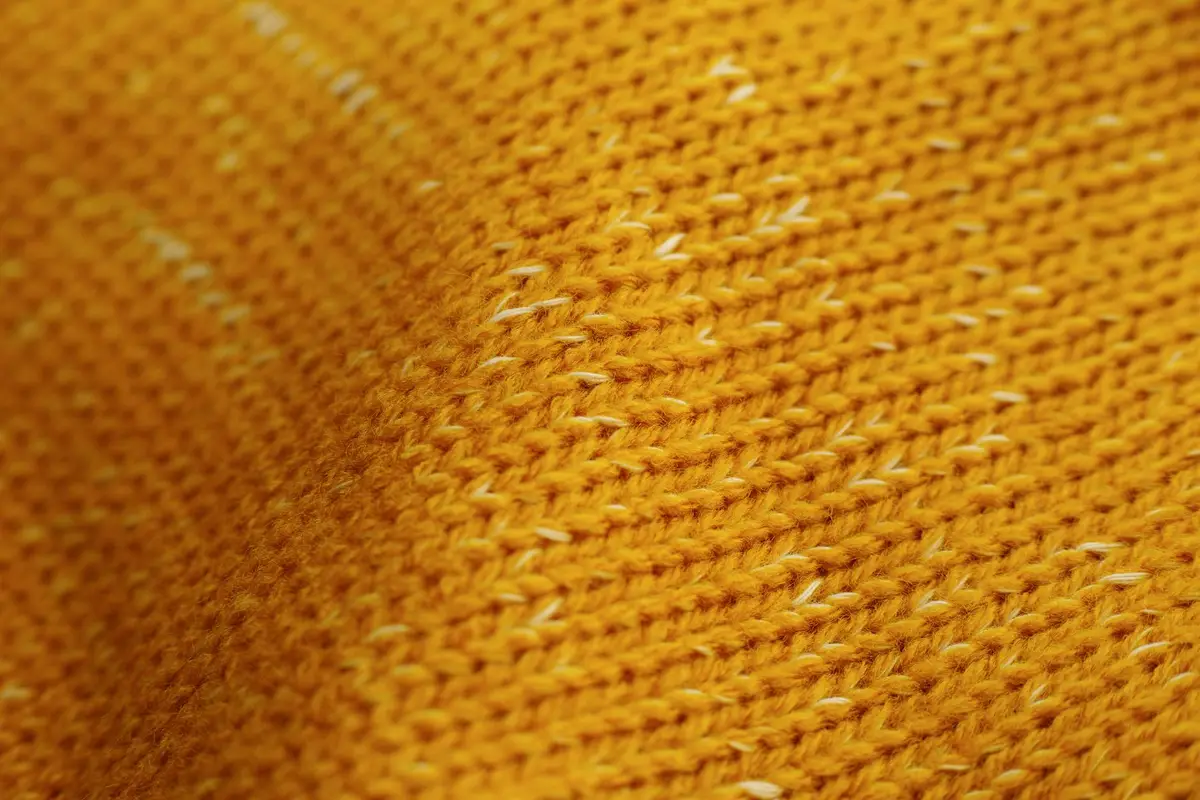
So, when does it work? The rule is simple: if your project is temporary and will never get wet, tacky glue can be a handy tool.
I define “temporary” as something you don’t need to last for years, and “non-washable” means it will never see water or cleaning fluids. Here are some specific ideas where I’ve used it successfully:
- Securing fabric permanently to a rigid surface, like stretching it over a canvas for art or wrapping a wooden frame.
- Layering fabric pieces inside a sealed shadowbox or memory frame.
- Attaching lace, sequins, or other trim to a decorative item that will only be displayed, like a holiday stocking or a decorative pillow cover that will never be used.
One pro tip applies even here: if you can, pre-wash your fabric without detergent before gluing. Many new fabrics have sizing or chemical finishes that repel adhesives. A quick rinse and dry removes this barrier and gives you the best possible grip, even for a temporary hold. However, make sure to consider your fabric’s properties and care requirements when selecting adhesives.
When NOT to Use Tacky Glue: Your Fabric Risk Assessment
Let me be direct. Tacky glue is for temporary, decorative fixes on items you will never, ever wash. Think of it as a handy shortcut with a very short lifespan when it comes to textiles.
If an item needs washing, flexibility, or long-term durability, tacky glue is the wrong tool for the job. The chemistry simply isn’t built for it.
Here are high-risk applications where using tacky glue will lead to failure:
- Hemming clothes or repairing seams.
- Attaching patches to activewear, jackets, or children’s items.
- Any project on stretchy fabric like jersey or spandex blends. The glue’s rigidity will fight the fabric’s natural give.
- Work on delicate fabrics such as silk, fine wool, or loosely woven linen. The glue can wick along threads and create a permanent, ugly stain.
The consequences are predictable. In the wash, the water-soluble PVA bond will soften and fail. Over time, the dried glue can turn opaque or yellowish, especially on light fabrics. Most noticeably, the fabric will become stiff and board-like in the glued area, ruining the drape and hand feel. Such results may prompt you to look for how to remove glue adhesives from fabric. The next steps will outline practical, safe removal approaches.
This answers a common question: “Will tacky glue come out in washing?” Yes, the bond will likely dissolve or fail completely, leaving you with separated pieces and a possible sticky residue to clean.
Step-by-Step: How to Use Tacky Glue on Fabric Correctly
If you’re determined to proceed for a low-stakes craft, follow this damage-control protocol. I treat these steps as non-negotiable in my studio.
Step 1: The Fabric Swatch Test
Always test first on a hidden scrap or interior seam allowance. Apply a small dot, let it cure fully for 48 hours, and then inspect. You’re checking for three things: discoloration (staining), wicking (the glue spreading along fibers), and the final stiffness. If the test spot feels like a brittle plastic chip, imagine that across your entire project.
Step 2: Apply with Surgical Precision
More glue means more problems. Apply the glue sparingly in a thin, even layer using a toothpick or small artist’s brush. Avoid gloppy dots or thick lines. You want just enough to create contact, not so much that it squeezes out. Excess glue soaks into fibers, creating a larger, stiffer bond area that is more prone to visible staining.
Step 3: Use Weight, Not Pressure
After joining the fabrics, place a weighted book or board on top. Do not press or rub. Pressure forces liquid glue deeper into the yarns, which leads to wicking and a harder, more noticeable bond line. The weight holds the pieces together gently while the glue dries from the outside in.
Step 4: The Patience Cure
Walk away. Tacky glue may feel dry to the touch in 20-30 minutes, but this is just a skin. The glue beneath is still curing. For a full, strong bond, you must allow 24 to 48 hours of undisturbed curing time. Moving or flexing the item before this can cause a weak, brittle bond that fails quickly.
This process answers the FAQ: “How long does tacky glue take to dry on fabric?” Surface dry happens quickly, but a full cure requires at least a full day. It’s important to give fabric glue enough drying time to ensure a strong bond.
How to Remove Tacky Glue from Fabric (Accident Protocol)
Mistakes happen. Your success depends entirely on the fabric and your speed.
Act fast. The moment you see a spill, your clock starts. For wet glue, gently blot (never rub) with a damp cloth on stable fabrics like cotton or polyester. Rubbing pushes the glue in.
If the glue has gelled but not hardened, you can often carefully scrape off the excess with the dull edge of a butter knife.
For fully dried glue, try gently flexing the fabric back and forth to crack the brittle plastic film. You can then pick off the pieces with your fingernails. This works best on tightly woven, sturdy cloth.
A critical warning: On delicate protein fibers like silk or wool, removal attempts often cause more damage than the glue itself. Solvents that dissolve PVA can strip dye and degrade the fiber. Picking can snag threads. Sometimes, the least bad option is to leave a small, dried spot alone.
And please, never iron over tacky glue. This answers the urgent question, “Can you iron tacky glue?” No. The heat will melt the PVA plastic, driving it permanently into the fibers and creating an impossible-to-remove stain. You also risk getting molten glue on the soleplate of your iron, which can then transfer to other clothes.
Choosing the Right Adhesive: A Fabric Care Mindset
As crafters, we often ask “what glue can I use?” I want you to start asking a different question: “what does my fabric need?” This shifts your thinking from a generic craft supply search to a textile-specific solution. It’s the difference between a temporary stick and a lasting bond.
Every fiber has a personality. Cotton is absorbent and loves water. Polyester is slick and synthetic. Wool is springy and protein-based. A glue that works beautifully on porous paper might fail on sleek polyester or become brittle on a stretchy knit. The first step is to touch your fabric and consider its future life—will it be washed, stretched, or worn? Especially when working with cotton fabrics, understanding the material’s characteristics is crucial.
For Washable, Flexible Bonds
This is the most common need for garment repairs, hemming, or appliqué on clothes. The bond must survive the agitation, water, and heat of a washing machine.
Your best tools here are a high-quality liquid fabric glue or fusible hem tape. These products are formulated with textile science in mind. A good fabric glue remains pliable when dry, creating a bond that moves with the fabric instead of against it. Fusible hem tape uses heat to melt a thermoplastic adhesive, essentially welding two layers together.
For natural fibers like cotton and linen, or sturdy synthetics like polyester, these methods create a durable, laundry-safe hold. I always test on a seam allowance first. Apply the glue sparingly, let it cure fully (often 24-72 hours), and then run your test swatch through a warm wash cycle. If the bond holds and doesn’t leave a stiff patch, you’re good to go.
For Non-Washable Decor
This is where a standard white craft glue, like tacky glue, enters the conversation. Think of projects like a fabric-covered picture frame, a decorative pillow that will never be washed, or a costume piece for a single event.
Tacky glue can be sufficient for bonding fabric to a rigid, non-flexible surface like wood, cardboard, or stiff felt. The fabric becomes a decorative skin, not a functional part that needs to move. The major drawback is that the glue will dry into a hard, stiff film on the fabric’s back. On flexible fabric, this area will crack and flake over time with handling.
If you use tacky glue, do a test on a scrap first. Apply it, let it dry completely, and then gently flex the fabric. You’ll see and feel the rigid spot immediately. For non-washable items, this trade-off for convenience might be acceptable.
For Heavy-Duty Repairs
Some jobs are simply too demanding for standard adhesives. We’re talking about repairing a shoe strap, a backpack buckle, or a thick leather belt. These items experience constant stress, friction, and moisture.
For these tasks, you need a specialized adhesive like a flexible contact cement or a two-part epoxy designed for textiles and leather. These create a powerful, often waterproof, chemical bond. Contact cement is applied to both surfaces, allowed to become tacky, and then pressed together for an instant, tenacious hold. It’s messy and requires ventilation, but it’s what the professionals use.
Remember, this is a permanent repair. There’s no going back. Use it only on items where stitching isn’t an option and where the fabric’s drape isn’t important.
The Final Takeaway
Your fabric’s fiber content and the item’s intended use are your guiding lights. Matching the adhesive to these factors isn’t just a craft tip, it’s applied fabric science. A successful fabric craft considers care from the very first drop of adhesive, ensuring your beautiful work lasts through wear, washing, and time.
Closing Thoughts on Adhesives and Textile Science
My most important advice is to always let the fabric’s fiber composition and care needs guide your adhesive choice, not convenience. For a durable, wash-friendly bond on materials like cotton, silk, or blends, a quality fabric glue formulated for flexibility will outperform a standard tacky glue every time. In the next steps, you’ll find implicit links to the best fabric adhesives for different materials.
Treat every craft as a chance to practice responsible textile care, opting for products that are kinder to your fabrics and our environment. Your projects will last longer when you pair hands-on making with a deeper curiosity for how fibers like wool shrink, polyester reacts to heat, or nylon accepts dye.
Deep Dive: Further Reading
- r/sewhelp on Reddit: Is Aleene’s Original Tacky Glue Any Good For Fabric?
- Original Tacky Glue – Aleene’s
- Can I use tacky glue on fabric? – Quora
Written by Florian Ventura. Florian is a high fashion blog writer, fashion and fabric expert and a keen expert in fabric, clothing and materials. She has worked in large textile and fashion houses for over 10+ years, engineering and working with various fabric types and blends. She is an expert when it comes to questions on any and all kinds of fabrics like linen, cotton, silk, jute and many more. She has also traveled around the world studying traditional fabrics and aims to bring them into the modern fashion use.