
Can You Use Hair Dye on Fabric and Fabric Dye on Hair?
I’ve seen this experiment go wrong in my workshop, and the short answer is no-you should not swap hair dye and fabric dye. These products are formulated for entirely different materials and using them incorrectly can ruin your project and even cause skin irritation.
Let’s look at the core reasons behind this rule. We will cover the fundamental chemical differences between hair and fabric dyes, the specific risks to fibers and scalp, and the right tools for safe, effective dyeing on each surface.
The One Rule of Dyeing: Fiber Chemistry Dictates Everything
Think of your hair and your clothes. They might seem similar, but at a microscopic level, they speak different chemical languages. Your hair, along with wool, silk, and cashmere, is made of protein-specifically, keratin. Cotton, linen, and rayon come from plants; they are cellulose. Polyester and nylon are synthetic polymers. Dyes are formulated to speak one of these languages fluently.
Hair dye works by using an alkaline developer (like peroxide) to pry open the hair’s protective cuticle scales. This allows color molecules to slip inside and bond with the keratin protein within. It’s a process designed for a living protein structure, not for woven cloth.
Proper fabric dyes are chosen for their target. Acid dyes bond beautifully to protein fibers. Fiber-reactive dyes form a permanent covalent bond with cellulose. Disperse dyes are the only option for coloring synthetics like polyester. Using the wrong dye is like forcing the wrong key into a lock. It might jam the mechanism (damage the fiber), or it simply won’t turn (the color won’t stick).
Can I Use Hair Dye on Fabric? A Low-Stakes Experiment
The short answer is yes, you can, but you should not expect professional results. I see the search “can i use hair dye to dye fabric” all the time, and it comes from a place of clever resourcefulness. In the lab, we’d call this a cross-application experiment, and here’s what you can realistically expect.
Hair dye can stain protein-based fabrics like silk or wool because they share a common keratin base, but the bond is weak and temporary. The color will often look vibrant at first, then fade dramatically with the first wash or two. On plant-based fibers like cotton, the dye will typically just sit on the surface and rinse right out. On synthetics, the result is usually a faint, blotchy stain at best.
Step-by-Step: How to Test Hair Dye on Fabric (If You Must)
Only try this on an item you are fully prepared to ruin-an old scarf, a wool felt scrap, or a thrifted silk blouse with existing stains. Treat it as fun science, not reliable craft.
- Identify Your Fiber: Do a burn test on a hidden thread or seam. Protein fibers smell like burning hair and form a crushable black bead. Cellulose smells like burning paper and leaves a fluffy gray ash.
- Patch Test: Mix a tiny amount of hair dye and developer. Apply it to a hidden area, like an inside seam. Let it process for the recommended time, then rinse. This shows you the color and if the fabric can withstand the chemicals.
- Apply with Care: In a very well-ventilated area, wear gloves, and follow all the safety instructions on the hair dye box. Apply the mixture evenly.
- Rinse Thoroughly: Rinse the fabric under cool water until the water runs completely clear. This can take a while.
- Attempt to Heat-Set: Once the fabric is dry, use a medium-hot iron (on a setting safe for the fiber) to press the dyed area. The heat can sometimes help set the dye a little more. Expect significant color bleeding in the next several washes, so wash the item alone and by hand.
What Fabrics Are the Best Candidates for a Hair Dye Experiment?
If you’re determined to experiment, focus on natural protein fibers. Their keratin content gives them a fighting chance to hold the color, however briefly.
- Silk: Lightweight silks like habotai or charmeuse may absorb the dye quickly, giving a pastel hue. The chemicals can degrade delicate silk, so be prepared for a change in texture.
- Wool: Felted wool or a knit swatch can show a result. The hair dye might not penetrate a tightly woven wool coating evenly.
- Cashmere: Similar to wool, but its extreme softness makes it more vulnerable to damage from the alkaline developer.
Do not use hair dye on cotton, polyester, or nylon if you want a predictable, lasting color—you will be disappointed. When you explore nylon fabric dyeing techniques, you’ll find that nylon often requires specialized dyes and careful temperature control for even, durable results. Even on “hardy fabrics” like a heavy wool felt, the result is a stain, not a dye. Special fabric finishes, like a moire watermark on silk, can be permanently damaged by the harsh chemicals in hair dye.
Can I Use Fabric Dye on My Hair? A Firm and Emphatic ‘No.’
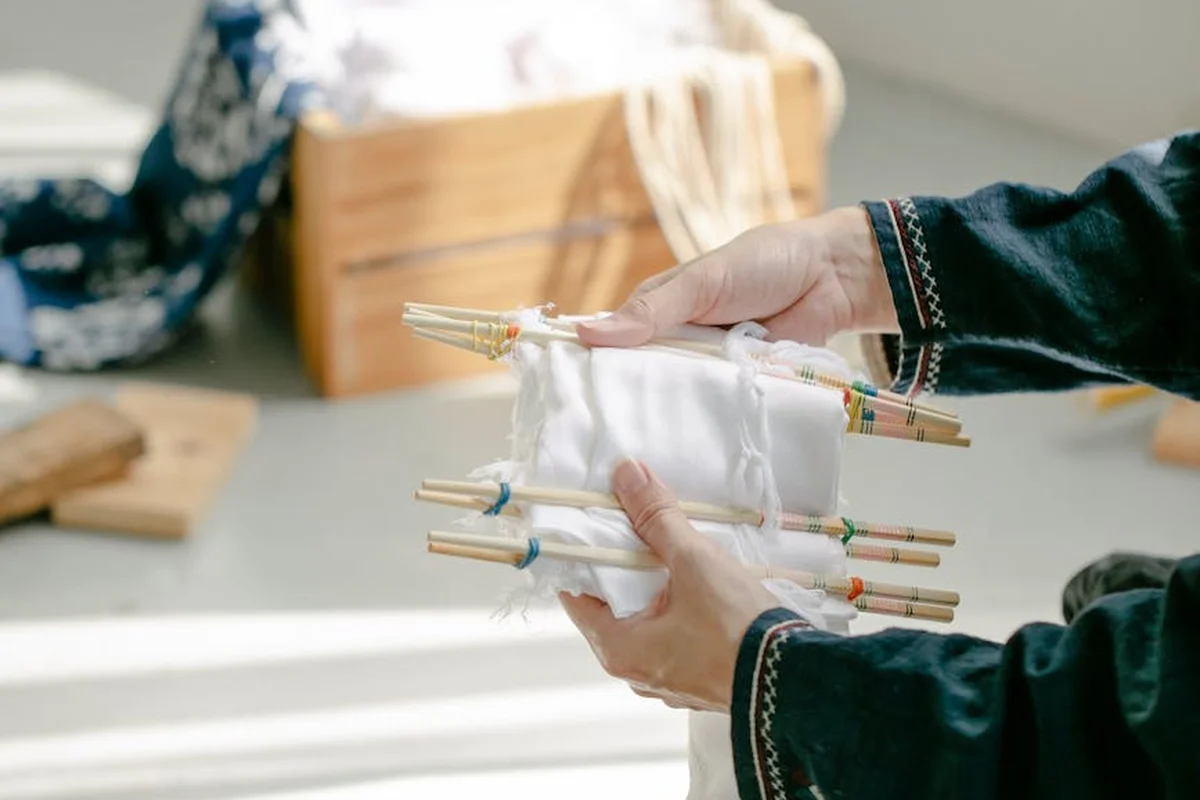
Let me be absolutely clear: you should never apply commercial fabric dye to your hair or scalp. Not even a little bit. The chemistry is completely wrong, and the results can be catastrophic for both your hair and your health.
Fabric dyes are corrosive industrial chemicals formulated for fibers, not for living tissue on your head. To force a dye molecule to bond permanently with cotton or polyester, we have to create extreme conditions. For cotton, that means a dyebath simmering near boiling with heaping amounts of salt and a strong alkali like soda ash. For polyester, we need specialized disperse dyes and sustained heat high enough to literally “open” the plastic fibers. Different fabrics—cotton, wool, and synthetics—absorb dyes in distinct ways, shaping color uptake and wash-fastness. These differences lie at the heart of dyeing across dye fabrics, including cotton, wool, and synthetics.
Your scalp and hair cannot withstand this. The immediate risks are severe:
- Scalp Chemical Burns: The high pH of soda ash or the acids in some dyes can cause serious burns, irritation, and allergic reactions on sensitive skin.
- Structural Hair Collapse: Hair is made of keratin protein. The harsh salts and pH extremes needed for fabric dyeing will denature this protein. Your hair will lose its strength, becoming brittle and prone to snapping off.
- Unpredictable, Unsafe Color: The color result will be a complete gamble. It may not take at all, or it may create a strange, patchy, and potentially toxic stain.
I’ve seen the online searches for “fabric dye on hair before and after.” Trust me, the “after” photos that don’t show disaster are either using completely different products or are showing hair that is profoundly damaged beneath the surface color. It is never worth the risk.
Why Your Hair Won’t Act Like Cotton or Silk in the Dyebath
To understand why this fails, you need to picture the structures. Cotton is like a hollow, twisted ribbon. Silk is a smooth, solid filament. Fabric dyes are engineered to navigate these specific shapes.
Your hair is different. Under a microscope, a hair shaft looks like a roof covered in shingles. These are the cuticle scales. Hair dye works by using a controlled developer to gently lift these scales so color can be deposited inside the cortex, then seals them back down.
Fabric dye doesn’t have this gentle, precise mechanism. It either sits clumsily on top of the fabric, creating a wash that stains your pillowcase, or it uses its harsh chemistry to brutally force its way in, destroying the hair’s integrity in the process.
This is also why the search term “fabric dye on hair without bleach” is so misleading. The primary danger isn’t from avoiding bleach, it’s from the fabric dye itself. The corrosive chemicals in fabric dye are the problem.
What About Wigs and Hair Extensions? The Synthetic Exception
This is the one area where the question isn’t completely black and white. Many people search “can you dye a wig with fabric dye” or “can fabric dye dye synthetic hair.” The answer is technically “sometimes,” but with major, major caveats.
Most synthetic wigs and extensions are made from modacrylic fibers (like Kanekalon) or polyester. These are essentially specialty plastics. The dye class that works on polyester is called disperse dye.
In a professional setting, with precise temperature controls, disperse dyes can be used to recolor synthetic hair. The process requires sustaining a dyebath at a very high, near-boiling temperature (often 185-200°F or 85-95°C) for an extended time to allow the dye to penetrate the plastic fiber.
My strong caution is this: attempting this at home is a great way to ruin your wig or extensions. Without exact temperature control, you will likely melt the fibers, causing them to fuse together into a stiff, tangled mess. The texture will be permanently destroyed.
Instead, I recommend using dyes specifically formulated for synthetic hair. These are often more user-friendly and designed for the lower heat tolerance of these fibers. Searching for “fabric dye hair extensions” is a common DIY path, but it leads to far more ruined clips and wefts than success stories. For your investment, use the right tool for the job.
Risk Assessment: When to Absolutely Walk Away
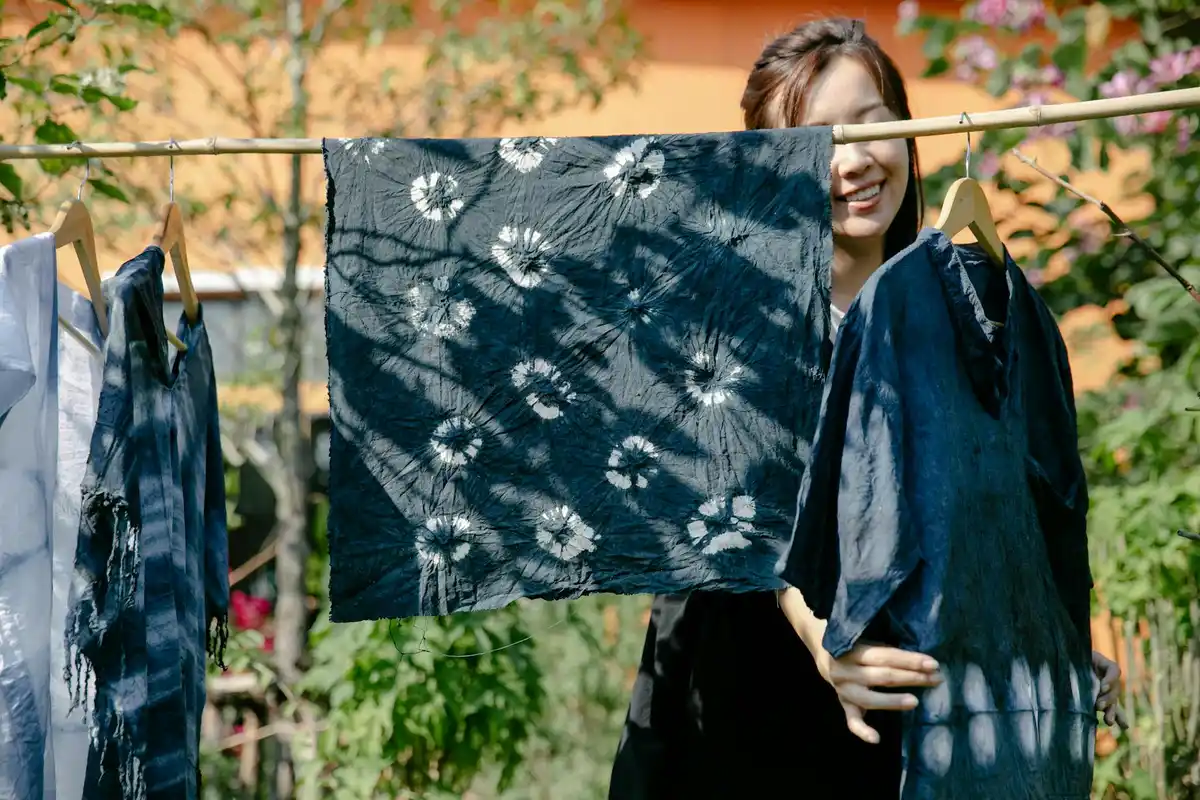
Let’s be clear: mixing these products is a gamble. I treat my lab and my laundry room with the same respect for chemistry. Some experiments are not worth the cost.
Here is your non-negotiable “Do Not Attempt” list.
Do not use fabric dye on:
- Your hair, eyelashes, eyebrows, or skin. Fabric dyes contain chemicals like soda ash (sodium carbonate) and specific salts formulated to open plant or synthetic fibers. On skin and hair, these are harsh alkaline agents. They can cause severe irritation, chemical burns, and permanently alter your hair’s protein structure, leaving it brittle and straw-like.
- Delicate cellulose fabrics like acetate, rayon, or lyocell. These fibers can literally dissolve or become dangerously weak in the alkaline or high-temperature conditions many fabric dyes require. It’s not just a color fail; it’s a fabric-dissolution event.
- Any garment you cannot afford to ruin. This includes heirlooms, expensive formalwear, or a favorite piece you’d be heartbroken to lose. Test first on a hidden seam allowance if you must.
Do not use hair dye on:
- Cotton, linen, or other plant fibers expecting a permanent, wash-fast color. Hair dye is formulated for keratin, the protein in hair. It has no chemical affinity for cellulose. On cotton, it will sit on the surface like paint and wash out almost completely in one or two cycles, often leaving a blotchy stain.
- Children’s clothing, bedding, or items that will have prolonged skin contact. Hair dye formulas contain developers and chemicals not tested or approved for textile skin contact and could cause allergic reactions or sensitivity.
- Fabrics with unknown or complex fiber content. A “wool blend” sweater might be 70% acrylic. Hair dye might grab the wool but ignore the acrylic, giving you a strange, patchy, two-tone result. Always perform a fiber burn test first.
Accidents Happen: How to Remove Stains from a DIY Dye Job
Spills occur. A drip of hair dye on your shirt, a smudge of fabric dye on the counter. The clock starts ticking the moment the stain lands. Speed is your most powerful tool for stain removal—there’s no time to waste, unlike when you’re waiting for fabric dye to soak.
For Hair Dye on Fabric:
Hair dye stains are often oxidative and set quickly. Your goal is to lift the color before it bonds.
- Blot, don’t rub. Use a clean, white cloth to absorb any wet dye.
- Apply a stain remover stick, liquid, or a dab of rubbing alcohol (isopropyl alcohol) to another clean cloth and gently dab the stain from the outside in. Test the alcohol on a hidden area first, as it can affect some finishes or synthetic fibers.
- Rinse the area with cool water.
- Launder the garment immediately by itself in the warmest water safe for the fabric, using your regular detergent. Check the stain before drying. Heat from a dryer will set any remaining color permanently.
For Fabric Dye on Skin or Surfaces:
Fabric dyes are designed to be colorfast, so act fast.
- On Skin: Wash immediately and vigorously with plenty of soap and warm water. For stubborn stains, make a paste of baking soda and a few drops of dish soap. Gently scrub with the paste, then rinse. The stain will fade over several washes as skin cells shed.
- On Countertops or Tools: Wipe immediately with a soapy cloth. For porcelain or metal sinks, a soft scrub with a paste of baking soda usually works. Avoid abrasive pads on delicate surfaces.
A final, crucial note: once a fabric dye has been properly set with heat or chemical fixative on another piece of cloth, the stain is almost certainly permanent. No home remedy will reliably remove it without also damaging the underlying fabric, even when trying to remove stains from dyed fabric.
The Right Way to Dye: Matching Your Project to the Proper Dye

The good news is, for every project, a perfectly suited dye already exists. Using it isn’t just safer—it gives you better, longer-lasting results. Let’s match the material to the right tool.
For Dyeing Human Hair: Cosmetic Products Only
Your hair and scalp are living, sensitive biological structures. You must use only hair colorants specifically formulated and safety-tested for cosmetic use. These products are pH-balanced for your skin and contain conditioners to protect the hair shaft. I’ve tested the pH of fabric dyes in my lab; they are far too acidic or alkaline for skin contact and contain none of the necessary protective elements.
Boxed hair dye from the drugstore or professional salon color is designed for this single purpose. It adheres to the cuticle of the hair and is rinsed thoroughly from the scalp. The chemistry is made for you.
For Dyeing Natural Fiber Fabrics
This is where textile science gets specific. “Natural” doesn’t mean one dye fits all. The protein structure of animal fibers and the cellulose structure of plant fibers require completely different chemical bonds.
Wool, Silk, and Other Animal Fibers: Use Acid Dyes
These dyes work in a hot, acidic bath. The dye molecules form ionic bonds with the positively charged sites on the protein fibers. Think of it like a magnet snapping into place.
- You’ll need: Acid dyes (like Jacquard or Dharma Trading Co.), white vinegar or citric acid, a large stainless steel pot.
- The process: Simmer the fabric in the dye bath with acid for 30-60 minutes. The heat and pH open the fiber for the dye to bond.
- My tip: Always pre-wet your fabric. Add it to a warm dye bath and slowly raise the temperature to a gentle simmer to prevent felting or shocking delicate silk.
Cotton, Linen, and Rayon: Use Fiber-Reactive Dyes
These dyes, like Procion MX, form a permanent covalent bond with cellulose fibers. This is one of the strongest chemical bonds in dyeing, which is why these colors are so vibrant and wash-fast.
- You’ll need: Fiber-reactive dyes, soda ash (a fixer), salt, buckets for immersion dyeing or bottles for direct application.
- The process: The dye works best at room temperature or with mild heat. The soda ash raises the pH, activating the dye to bond with the fiber.
- My tip: For solid colors, use the immersion method. For patterns, try tie-dye or brush application. Always let the fabric cure for 24 hours after dyeing for the bond to fully set before rinsing.
For Dyeing Synthetic Fabrics
Synthetics like polyester and nylon are trickier. Their fibers are essentially plastic, and most dyes just coat the surface and wash right out. You need the right dye and a lot of heat. Hand dyeing synthetic fabrics especially requires specialized techniques and patience.
Polyester and Blends: Use Disperse Dyes
These are fine powder dyes that sublimate-they turn into a gas under high heat-and penetrate the synthetic fiber. This requires a stovetop method or a specialized dyeing vessel.
Safety is non-negotiable here: you must work in a very well-ventilated area, use a pot dedicated only to dyeing, and wear a respirator mask rated for fine particles.
- You’ll need: Disperse dyes, a large stainless steel pot (dye-only), a stove, good ventilation.
- The process: The dye bath must be kept at a near-boil (around 200°F / 93°C) for 30-60 minutes to force the dye into the fiber.
- My tip: This method is only for 100% polyester or very high polyester blends. The dye will not take on natural fibers in the mix. For polyester-cotton blends, the cotton will stay its original color.
The Bottom Line: Use the Right Tool
A hair dye molecule is engineered for keratin. A fiber-reactive dye is engineered for cellulose. Trying to swap them doesn’t make you a creative maverick; it creates a corrosive, ineffective mess. The right tool for the job exists, is affordable, and is designed to give you beautiful, lasting color without risking your health or ruining your project. Your hair, your favorite silk blouse, and that polyester jacket all deserve the specific chemistry made just for them.
Final Notes on Fabric and Hair Dye
The most important rule is this: keep the dyes in their lane. Use only hair dye on hair and only fabric dye on fabric. Respecting this boundary prevents damage to your clothes and keeps your skin safe from harmful, incompatible chemicals.
Treating your textiles well is a form of responsible ownership. When you experiment, do so mindfully-choose animal-friendly fibers, understand a fabric’s properties before you dye it, and always start with a small test swatch to learn how materials like cotton, silk, or polyester react.
Industry References
- r/Fabrics on Reddit: Maybe stupid question, but can you dye fabric with hair dye?
- Can hair dye be used on fabric to match hair color? – Quora
- What would fabric dye do to human hair? – Hair Extensions Forum
- Which hair dye is used for clothes? – Quora
Written by Florian Ventura. Florian is a high fashion blog writer, fashion and fabric expert and a keen expert in fabric, clothing and materials. She has worked in large textile and fashion houses for over 10+ years, engineering and working with various fabric types and blends. She is an expert when it comes to questions on any and all kinds of fabrics like linen, cotton, silk, jute and many more. She has also traveled around the world studying traditional fabrics and aims to bring them into the modern fashion use.