
Can You Use Gorilla Glue on Fabric?
You’ve got a tear, a loose trim, or a craft project, and that famous brown bottle is sitting in your drawer. The big question hits: will this ultra-strong glue save my fabric or ruin it forever?
I’m a textile scientist, and I’ve tested adhesives on everything from delicate silk to heavy-duty canvas. This guide cuts through the guesswork. We will cover how different fabrics react to cyanoacrylate glue, when it’s a genuine fix, safer adhesive alternatives for textiles, and how to remove it if things go wrong.
Executive Summary: The Short Answer on Fabric and Glue
Can you use Gorilla Glue on fabric? Yes, but you will almost certainly regret it.
Here is the core principle. The famous original Gorilla Glue is a polyurethane adhesive. It creates a permanent, rigid, expanding bond that is fundamentally incompatible with flexible, washable textiles. For a temporary craft project meant to sit on a shelf, it might hold. For anything you plan to wear, wash, or move, it is the wrong tool.
Gorilla makes a product called “Fabric Glue.” This is a different chemical formula (a water based PVA). It is designed to dry flexible and is the only glue in their lineup meant for this job. Confusing the two is a common and costly mistake. If you’re weighing fabric-glue options, a Mod Podge fabric glue guide can help you compare formulas and typical uses. It covers basics like drying time, flexibility, and suitable fabrics so you can decide what to use next.
Using original Gorilla Glue on fabric has one immediate pro and several severe cons.
- Pro: It forms an extremely strong, fast bond that can adhere odd materials to fabric for static craft displays.
- Con: The bond is not washable. Even a damp cloth can compromise it.
- Con: It dries hard and rigid, making the fabric feel like plastic-coated cardboard.
- Con: It is nearly impossible to remove without destroying the underlying fibers.
- Con: The foam can stain, leaving a visible tan colored residue on light fabrics.
Your choice always comes down to the fabric’s intended life. Is this a decorative item for display, or is it a garment or textile that needs to flex, breathe, and be cleaned? Your answer dictates which adhesive, if any, you should reach for.
What Gorilla Glue Actually Is and How It “Grips” Fabric
To understand why it fails on fabric, you need to know how it works. Original Gorilla Glue is a moisture curing polyurethane. In simple terms, it needs water vapor from the air to harden. As it cures, it expands into a rigid plastic foam, filling gaps and creating a mechanical lock.
Imagine filling the weave of a cotton canvas with expanding spray foam. That foam hardens into a solid mass. The glue doesn’t just coat the fibers, it encases them in a stiff plastic shell, destroying the fabric’s natural hand and flexibility. This is perfect for woodworking, where you want a rigid bond. It is a disaster for textiles, which need to bend and drape.
People also ask, can Gorilla Super Glue be used on fabric? That’s a cyanoacrylate adhesive. It bonds instantly by forming brittle chains on the surface. On flexible fibers that constantly move, these brittle bonds crack and fail quickly. It can also generate heat as it cures, potentially damaging delicate synthetics like nylon.
The question “can I use Gorilla Wood Glue on fabric” follows the same logic. Wood glue (typically PVA) is designed for porous, rigid surfaces. While less disastrous than polyurethane, it still dries too rigid and will crack and peel when the fabric flexes.
This is why Gorilla’s specific Fabric Glue product is the exception. It is a formulated PVA (polyvinyl acetate) that remains slightly flexible when dry and is often washable. It is designed to move with the fabric, not against it.
| Glue Type | Flexibility When Dry | Washability | Bond Time | Best For on Fabric |
|---|---|---|---|---|
| Original (Polyurethane) | Rigid, hard foam | Not washable, water damages bond | 1-2 hours to set, 24 hours to cure | Permanent, non-washable craft displays only |
| Super Glue (Cyanoacrylate) | Brittle, inflexible | Not washable, bonds degrade | 10-30 seconds | Emergency, temporary fixes on non-flex points |
| Fabric Glue (PVA) | Remains pliable | Machine washable (check label) | Sets in 30-60 minutes, cures fully in 24h | Hemming, appliqué, repairs on wearable/washable items |
The chemistry of the adhesive dictates its behavior on the chemistry of the fiber. For a bond that lasts through wear and washing, you need a glue that mimics the fabric’s properties, not one that overpowers them. Understanding fabric shrinkage and care helps predict adhesion performance. An adhesive that mirrors the fabric’s properties supports durability through wear and washing.
Fabric Science 101: Why Your Fabric Type Decides the Glue
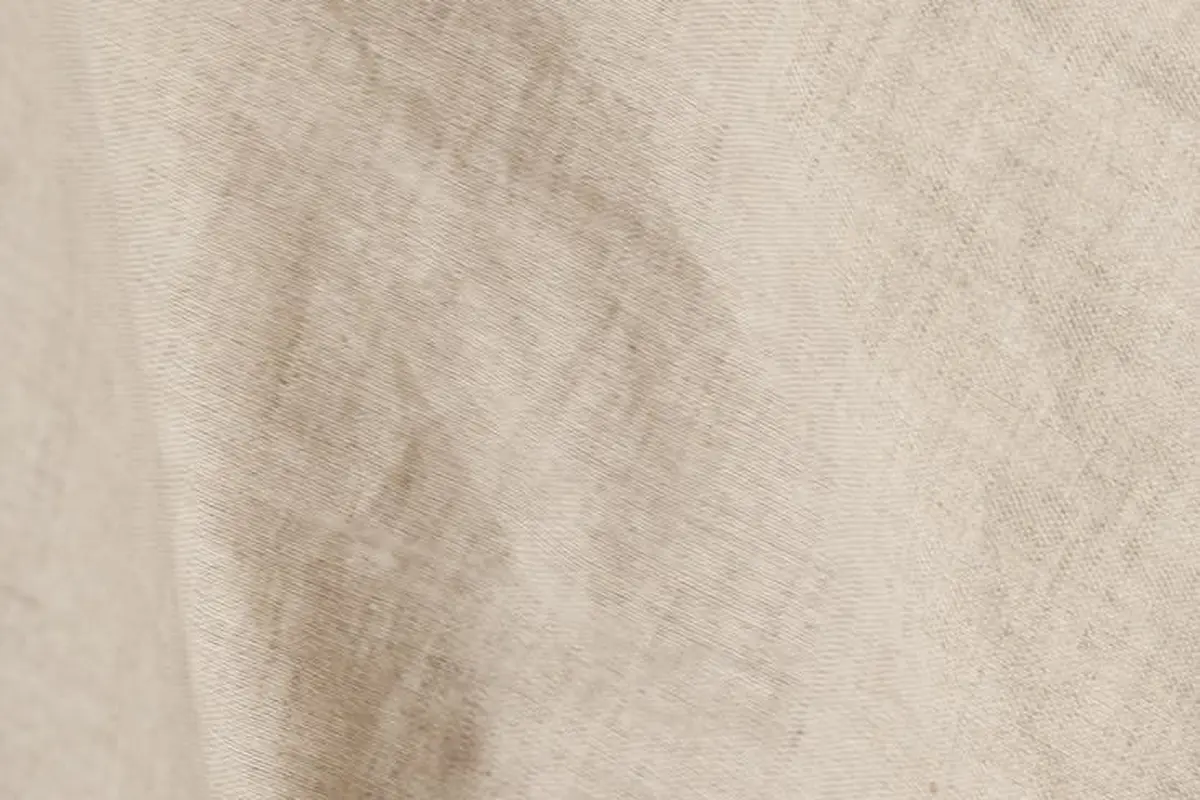
Think of a sewn seam as a flexible partnership. The threads loop around the yarns in your fabric, holding them together while still allowing for natural movement. An adhesive like Gorilla Glue creates a rigid lock. It seeps between fibers and hardens, cementing them in place.
This fundamental difference makes your fabric’s composition the most critical factor for success or failure.
Porous natural fibers like cotton, linen, or wool offer microscopic nooks for glue to infiltrate and anchor. I’ve seen polyurethane adhesive form a surprisingly strong mechanical bond on a cotton canvas. But this porosity has a downside: these fibers absorb ambient moisture. Gorilla Glue cures by reacting with water, so a damp cotton cloth can cause excessive, unpredictable foaming that weakens the bond and creates a messy bulge.
Synthetics like polyester and nylon are slick and non-absorbent. Their smooth surfaces provide less for the glue to grip onto. You’re often relying on surface adhesion rather than deep penetration, which can lead to the glue peeling off in a flexible sheet, especially on a tightly woven nylon jacket.
Beyond fiber content, consider the fabric’s structure. A densely woven canvas or denim provides a stable, flat foundation. A loose weave or a knit stretches and moves; glue cannot accommodate that. For delicate open weaves like lace, the adhesive will simply soak through the gaps, creating a hard, brittle patch that ruins the design.
Blended fabrics, like a 50/50 cotton-polyester tee, are a true gamble. The glue may bond well to the cotton but poorly to the polyester, creating a weak point where the fibers pull apart under stress. The bond is only as strong as its adhesion to the least-compatible fiber in the mix. When you consider blending fabrics—cotton, wool, and polyester—the interactions between fibers can dramatically affect performance. Understanding these dynamics helps explain why small changes in the mix can alter durability.
This science directly answers common search queries like “gorilla glue fabric to wood.” Gluing fabric to a rigid, porous surface like wood can work because the glue anchors deeply into the wood grain and the fabric’s surface. The challenge is the different rates of expansion and flexibility; the rigid glue joint is the first point of failure if the fabric is tugged. Gluing fabric to a non-porous plastic is far harder, as the glue has only the fabric to bond with, making a peel-off failure very likely.
When NOT to Use Gorilla Glue on Fabric: The Risk Assessment
Based on years of handling fabric failures, I have a short list of absolute “never” scenarios for this type of adhesive. These cautions naturally tie into how fabric adhesive affects sewing durability and flexibility. In the next steps, we’ll explore balancing adhesion strength with fabric stretch to keep seams durable and flexible.
Never use it on any item that will be washed, machine-dried, or needs to flex in use. This includes all clothing, upholstery on seating, or anything with moving parts like elbow or knee patches.
The heat and agitation of a wash cycle will make the polyurethane brittle, causing it to crack and fail completely. During curing, the glue’s expansion can force its way to the right side of your fabric, creating permanent, stained ridges you can see and feel.
Keep it far from delicate fabrics. The weight and rigidity of cured glue will destroy the graceful drape of silk or chiffon. It makes lightweight wool feel like cardboard. You sacrifice the very qualities that make those textiles special.
Do not attempt “invisible” repairs or quick hem fixes with this product. It dries a visible tan color and creates a distinctly stiff, crunchy patch. What you hoped would be a discreet fix will always announce itself.
For animal fibers like wool or silk, I advocate for methods that honor the material. Glues are never a suitable alternative to proper sewing for wool or silk items, as they permanently compromise the fiber’s natural breathability, drape, and ability to be professionally cleaned. A proper stitch respects the fiber’s life and properties; glue suffocates them.
A Step-by-Step Protocol for Using Gorilla Glue (If You Must)
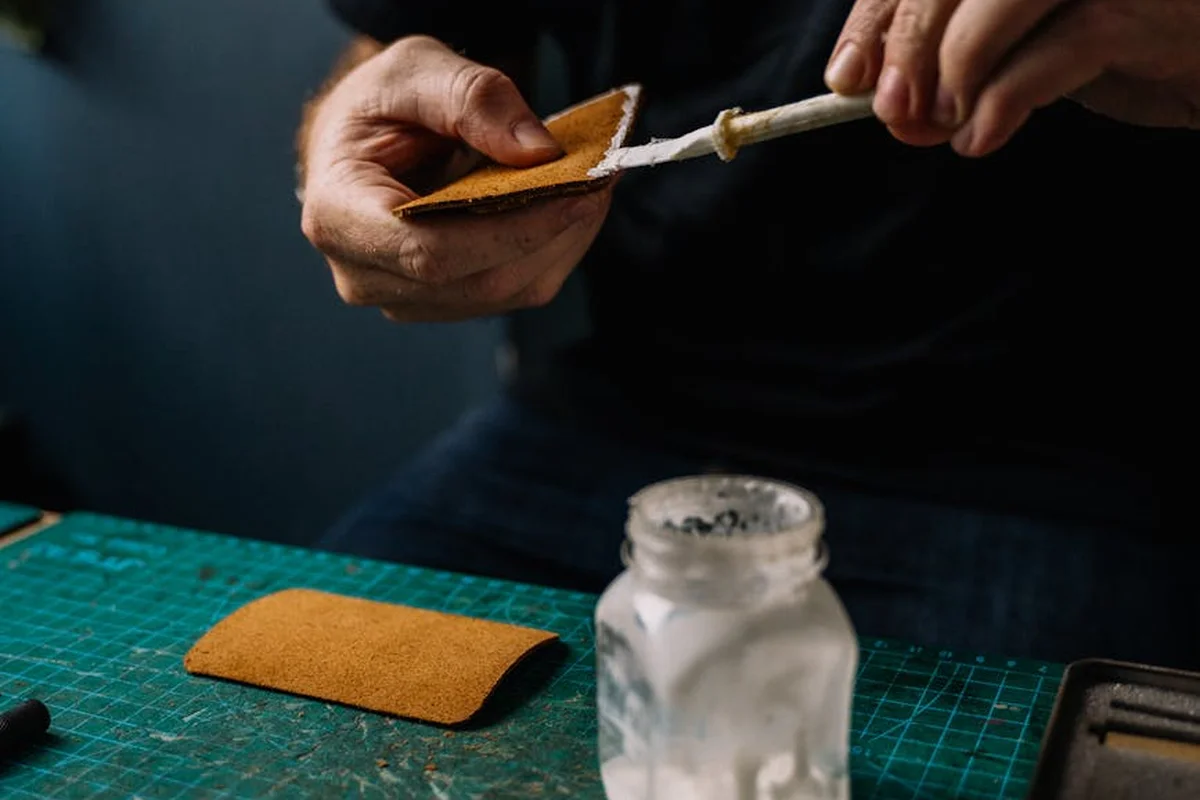
First, my professional advice is to avoid it. In textile science, we match the adhesive to the fiber’s properties and the item’s intended life. Gorilla Glue’s formulas are engineered for rigid, porous materials like wood and stone. They are a poor match for the flexible, fibrous structure of cloth.
If you have a permanent, non-washable craft project-like securing fabric to a wooden model base or a décor item that will be stapled in place and never laundered-you can proceed with extreme caution. This is not for clothing, quilts, or anything that needs to move or be cleaned.
Step 1: The Fabric Prep.
Adhesion starts with a perfectly clean surface. Any dirt, oil, or fabric finish will create a barrier. I pre-treat the area with a dab of isopropyl alcohol on a white cloth to remove invisible residues. Let the fabric dry completely. The fibers must be bone-dry for the glue to grip properly, especially when you apply patches with fabric glue.
Step 2: The Glue Application.
This is the most common mistake: using too much. These adhesives are designed to expand as they cure. A thin, meandering bead is all you need. For precision on small areas, I use a toothpick to apply a tiny amount. If you’re using the classic brown Gorilla Glue (polyurethane), you must lightly dampen one surface with water first, as the glue requires moisture to activate and cure properly.
Step 3: Clamping & Curing.
You cannot just lay a book on top. You need firm, even pressure across the entire bond. Use clamps, heavy weights, or a vise. Always place wax paper between the fabric and your clamp to catch any adhesive that squeezes out. Then, walk away. A full, durable cure takes a full 24 hours in warm, dry conditions.
Step 4: The Clean-up.
The moment you release the clamp, inspect for any glue that escaped the bond. While it’s still rubbery, you can often peel it off. For Gorilla Super Glue (cyanoacrylate), you can try acetone on a cotton swab, but only on synthetic fabrics like polyester or nylon after a hidden spot test. On cotton, wool, or silk, acetone can cause severe dye loss or fiber damage. Immediate action with a dry cloth to wipe away uncured squeeze-out is your safest bet.
A final tip from my workshop: for temporary holds during crafting-positioning appliqué or holding a hem-use a temporary fabric basting spray or double-sided washable tape. They are designed for fiber and wash out, saving you from permanent regrets.
How to Remove Gorilla Glue from Fabric: Damage Control Steps
Let’s be direct. Removing cured polyurethane or cyanoacrylate glue from fabric is a salvage operation, not a magic trick. The process often weakens or visibly damages the fibers more than the original stain. Your goal is to minimize the harm.
This is the hard truth when you ask, can you remove gorilla glue from fabric? Sometimes you can reduce it, but you must accept a flaw in the fabric afterward. If you’re dealing with glue on fabric, practical tips for removing adhesives can help. Our next steps cover how to remove glue from textiles.
For Fresh, Uncured Glue
Time is everything. If the glue is still wet or tacky, act fast. Carefully scrape the bulk away with the dull edge of a butter knife or a plastic card. For the classic polyurethane glue, a small amount of mineral spirits on a clean rag can sometimes soften the residue. You must test this on a hidden seam allowance first, as it can stain or damage some synthetics and finishes.
For Cured, Hardened Glue
Once the glue is rock-hard, your options become physical. This is a mechanical removal process. I use fine-tipped tweezers to pick at the edges and a clean, sharp seam ripper to gently shave off tiny flakes. You are literally carving the glue off the fiber surface, which always risks nicking and cutting the threads underneath. Go slow, work under good light, and accept that a small, stiff spot may remain.
Understanding Solvent Risks
Many guides suggest acetone for super glue. As a textile scientist, I warn you: acetone is a powerful solvent. It will dissolve cyanoacrylate, but it will also dissolve acetate fibers entirely. On polyester and nylon, it can strip dye, leaving a bleached spot. On wool and silk, it can cause harsh drying and protein fiber damage. Always, always perform a solvent test inside a seam allowance or on a hidden scrap before touching the visible stain.
What doesn’t work? Common household remedies like vinegar, rubbing alcohol, or laundry boosters will not break down these cured polymer adhesives. They are designed to be waterproof and chemically resistant. Washing and drying the item will only set the stain further and is likely to spread sticky residue inside your machine.
Better Alternatives: Choosing the Right Adhesive for the Job
Think of fabric glue like thread. You wouldn’t use heavyweight upholstery thread to sew a silk scarf. You match the tool to the material and the task. The core solution is to stop searching for a one-glue-fits-all miracle and start selecting the right adhesive for your fabric’s end use.
For Washable Garment Repairs & Hems
Your goal here is a bond that survives the washer and dryer. For this, I rely on two main tools.
Fusible web or hem tape is my first choice for a quick, clean fix. This is a thin, woven mesh coated with a thermoplastic adhesive. You sandwich it between two layers of fabric and apply heat with an iron. The heat melts the coating, which flows around the fabric fibers before resetting as it cools. On synthetic fabrics like polyester or nylon blends, the heat can slightly soften the actual fibers themselves, creating an even stronger bond. On natural fibers like cotton or wool, the thermoplastic coating is doing all the work.
A flexible, washable liquid fabric glue is your next best option. These are formulated from flexible polymers designed to move with the fabric and resist breaking down in water. They dry clear and maintain a soft “hand” or feel. Always check the label for “machine washable” and do a test on a scrap piece first. I’ve had good results using these for securing patches on jeans (inside the knee is a high-flex area) or tacking down a ribbon trim.
For Crafts Requiring Flexibility
This covers projects like fabric collage, attaching felt to cardboard, or making fabric flowers that need to bend without cracking.
A quality PVA-based fabric glue or a thick tacky craft glue works perfectly here. PVA (polyvinyl acetate) glue remains slightly flexible when dry, which is crucial. It soaks into the fabric’s pores to create a good bond. While not always machine washable, it holds up well for decorative items. The key is to apply it thinly and evenly; a thick, globbed-on layer will dry stiff and may crack with handling. PVA fabric glue forms a reliable bond for lightweight materials.
For a Truly Permanent, Durable Bond on Any Project
Let’s be honest. There is one method that outperforms every glue on the shelf.
Hand-sewing or machine sewing is the only professional, durable, and flexible method for a permanent bond. Yes, it requires more tools and time. But a sewn seam distributes stress along a line of stitches, not a brittle line of adhesive. It moves with the fabric’s natural give. Cotton fabrics respond well to careful stitch choice and even tension. With cotton, the right technique—backstitch for seams and slip stitch for hems—keeps repairs durable and the drape natural. For a torn seam on a cotton t-shirt, a simple backstitch with all-purpose thread will create a repair that lasts for the life of the garment. For a hem, a nearly invisible slip stitch allows the fabric to drape naturally. No glue can replicate that.
The Feel Test: Glue vs. Thread
This is the easiest way to understand the difference. Run your fingers over a glued seam on a spare scrap. It feels stiff and crunchy, like a dried paste. Now feel a sewn seam. It’s soft and movable. That “hand” is everything for comfort and drape in a garment.
A Quick Note on General Craft Glues (Like UHU)
You might ask, “Can I use UHU glue on fabric?” I group it with other general-purpose craft and polyurethane glues. For a temporary bond on a non-washable craft project, it might work. But for anything you want to last, wash, or wear, it has the same limitations: it dries rigid, can stain, and will likely fail with washing or flexing. Use it for sticking fabric to a poster board, not for repairing your favorite shirt, especially when fabric glue or hot glue would be a better option.
Final Fabric Bonding Takeaways
For any fabric repair, the single best step you can take is to test your chosen adhesive on a hidden seam allowance first. This simple check reveals how the glue will interact with your specific fiber blend, its drape, and its care needs before you risk the visible garment.
Responsible fabric care means extending a garment’s life with the right method and accepting when a repair isn’t viable. I encourage you to see every fabric choice, wash, and repair as a chance to learn more about textile science and reduce waste.
Further Reading & Sources
- Gorilla Fabric Glue | Gorilla Glue
- Amazon.com: Gorilla Waterproof Fabric Glue 2.5 Ounce Tube, Clear, (Pack of 1) : Industrial & Scientific
- Gorilla Fabric Glue, 100% Waterproof, No Sew, Washer/Dryer Safe, 2.5fl oz, Pack of 3 – Walmart.com
- Gorilla® Fabric Glue – 2.5 oz. at Menards®
- r/Fabrics on Reddit: Gorilla glue on fabric..
- Gorilla Glue High Strength Fabric Clear Gorilla Glue 2.5 oz 8025501 – Good’s Store Online
Florian Ventura
Florian is a high fashion blog writer, fashion and fabric expert and a keen expert in fabric, clothing and materials. She has worked in large textile and fashion houses for over 10+ years, engineering and working with various fabric types and blends. She is an expert when it comes to questions on any and all kinds of fabrics like linen, cotton, silk, jute and many more. She has also traveled around the world studying traditional fabrics and aims to bring them into the modern fashion use.