
How Long Does Fabric Glue Take to Dry on Different Materials?
Glue drying time holding up your project? As a textile scientist, I can tell you it varies widely by fabric type, and getting it wrong can mean a weak bond or a ruined piece.
This guide draws on my lab and workshop experience to give you reliable timelines. We will cover how fiber structure and weave affect adhesive cure, specific drying ranges for cotton, wool, silk, polyester, and nylon, and my tested methods for checking a secure set.
What Your Fabric is Made of Changes Everything
Think of glue drying not as one event, but a race between two processes. The solvent in the glue-often water or a chemical like cyanoacrylate-must either evaporate into the air or get absorbed into the fabric itself. Which one wins depends entirely on your material.
Picture a plain cotton handkerchief. It’s like a thirsty sponge. When you apply a water-based fabric glue, the cotton fibers eagerly pull the liquid solvent inward. This can make the surface feel dry to the touch surprisingly fast. The glue seems to vanish into the fabric, leading to a quick initial set, but it still needs time to solidify deep within the fibers for a strong bond.
Now, picture a sleek polyester jacket. It acts like a raincoat, resisting any waterproof fabric adhesives. Most glues, especially water-based ones, can’t penetrate its hydrophobic fibers. The glue just sits on the surface, a wet puddle waiting to evaporate. Drying here is slower and depends entirely on air circulation, temperature, and humidity.
Three fabric properties control this race:
- Absorbency: Hydrophilic fibers (water-loving) like cotton, linen, rayon, wool, and silk will absorb glue solvents. Hydrophobic fibers (water-fearing) like polyester, nylon, and acrylic will not.
- Surface Texture: A smooth satin offers little for glue to grip, so a thin layer spreads out. A napped fleece or terry cloth soaks glue into its loops and piles, requiring more product and more drying time.
- Fabric Weight/Thickness: Gluing two layers of light chambray is straightforward. Bonding heavyweight denim or a quilted coat creates a thick, insulated glue sandwich that dries very slowly from the inside out.
As a rule, natural and regenerated cellulose fibers (cotton, linen, rayon) interact with glue very differently than synthetic polymers (polyester, nylon), and your drying strategy must account for this.
The Two-Stage Clock: “Set” vs. “Fully Cured”
This is the most critical concept for a lasting repair. The times on a glue bottle aren’t arbitrary; they describe two distinct phases of the bond forming.
Set Time (often called “Tack-Free” or “Dry to Touch”): This is when the solvent has mostly evaporated or been absorbed. The glue is no longer wet or sticky. You can gently handle the fabric, reposition a patch, or carefully move the item. But the bond is still weak, like a scab that has just formed on skin. For a typical fabric glue on cotton, this can be as little as 2-10 minutes, especially when you apply patches.
Full Cure Time: This is when the adhesive has completed its chemical or physical bonding process, reaching its maximum strength. Only now can the repair withstand washing, vigorous stretching, or constant flexing. This often takes 24 to 72 hours. I always tell people to think of it as the glue’s “weekend.” Give it the full time off.
Washing, wearing, or flexing a garment before it’s fully cured is the single most common reason a glued repair fails prematurely. The bond simply snaps under stress before it has fully developed—similar to what happens when fabric glue cracks after improper hardening.
When someone searches “how long does fabric glue take to set,” they’re usually asking if they can move their project. When they ask “how long does Aleene’s Fabric Fusion take to dry,” they really need to know the full cure time before they can wash that hem or appliqué. Always plan for the longer cure time, not the shorter set time.
Drying Times, Fabric by Fabric: A Textile Scientist’s Guide
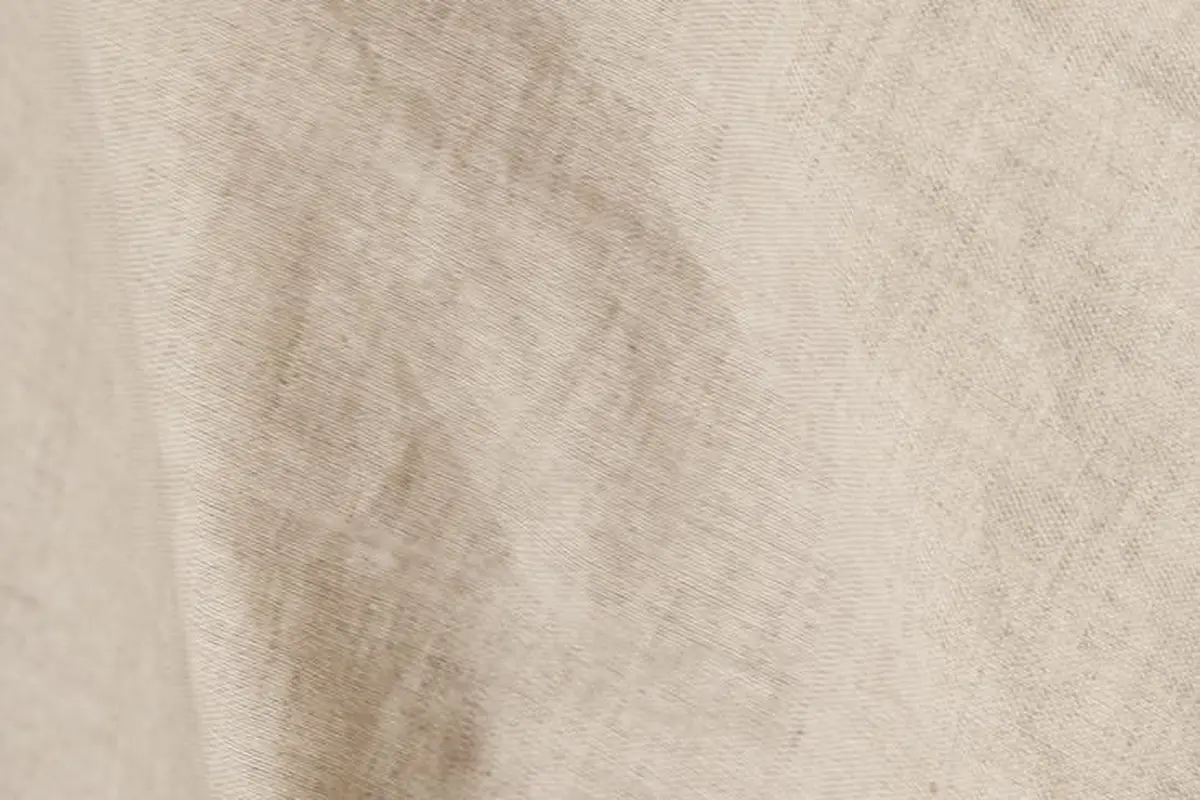
Glue doesn’t just dry on fabric. It interacts with it. The fibers you’re bonding change everything. Think of it like water on different surfaces: it soaks into a sponge, beads up on wax paper, and gets lost in a thick towel. Your fabric is that surface. Let’s break it down by fiber category, especially when trying to glue nylon fabric.
Thirsty Natural Fibers: Cotton, Linen, Rayon
These plant-based fibers are hydrophilic. They love water. When you apply a common water-based fabric glue, it gets pulled into the fiber structure almost immediately. This gives you a false sense of security.
You can often achieve a tack-free surface in just 15 to 30 minutes. The piece might feel dry to the touch.
The catch is that the glue has now migrated inside the fibers, and a full, wash-resistant cure requires the water to evaporate from deep within. For a standard cotton tee or linen napkin, plan on a full 24 hours before you consider it machine-washable. For heavyweights like canvas or denim, which hold more moisture, add several more hours to that estimate—especially when using fabric glue instead of hot glue.
Sleek & Resistant: Silk, Polyester, Nylon
These smooth fibers are hydrophobic. They repel water. Your glue won’t soak in. Instead, it will sit on top, trying to dry solely through evaporation into the air.
This means the initial set feels slower. Expect to wait 30 to 60 minutes before the bond feels stable. Because the glue forms a film on the surface, it’s more prone to peeling if flexed too early.
Silks require extra caution. Always perform a spot test on a hidden seam allowance or scrap. Some adhesives can cause permanent water-spot staining or even degrade the delicate protein fibers. For silk fabric care washing, use a gentle detergent with cold water and avoid harsh cycles. Let the fabric air dry away from direct heat.
A common question I get is, how long does B7000 take to dry on fabric like polyester? B7000 is a solvent-based, flexible adhesive favored for synthetics. Its clear-drying formula typically skins over in 10-20 minutes but needs 24-48 hours to reach full flexibility and strength, especially on non-porous materials.
Lofty & Absorbent: Wool, Fleece, Felt
This category is all about structure. Wool and its cousins have complex, scaled fibers that create lofty, air-trapping fabrics. They can absorb a lot of moisture, but that moisture gets trapped in the pockets between fibers, unlike moisture-wicking fabrics designed to pull moisture away from the skin.
Initial set here is slow-often over an hour. The glue seems to disappear into the depths. A full, durable cure can easily require 48 hours of patience. Rushing it leads to a weak bond that fails under stress.
From an animal welfare perspective, I always consider alternatives for repairing cherished wool items. A fusible interfacing patch, applied with a press cloth and a medium-hot iron, can often create a durable, invisible mend without introducing adhesives directly to the animal fiber. It’s a cleaner, often more reversible method.
The Middle Ground: Blends (e.g., Cotton-Polyester)
A 50/50 cotton-polyester blend won’t behave like pure cotton or pure polyester. It’s a compromise. The polyester threads resist absorption, slowing down the glue’s penetration, while the cotton threads try to wick it in. This makes it tricky to use hot glue on fabrics such as cotton, wool, or polyester blends.
Your drying times will be a hybrid. For a typical blend, expect tack-free times closer to 30-45 minutes and a full cure time of about 24 hours. The more synthetic content in the blend, the more it will lean toward the “sleek and resistant” timeline.
Your Four Environmental Knobs: Humidity, Heat, Air, and Application
The fabric sets the rules, but you control the environment. Think of these as four dials you can adjust to manage your drying time.
Humidity
This is the biggest factor after the fabric itself. High humidity means the air is already saturated with water vapor. Your glue’s water has nowhere to go. Drying slows to a crawl, like laundry on a rainy day. Low humidity (think a dry, air-conditioned room) pulls moisture out rapidly and speeds up the process. That’s especially important when considering how adhesives interact with fabric over time.
Temperature
Warmth provides energy that speeds up molecular movement and evaporation. A warm room (around 70-75°F or 21-24°C) is ideal. A cool room extends drying time significantly.
Never use a hair dryer, heat gun, or iron directly on the glued area. Intense, focused heat can cause the adhesive to bubble, melt, degrade, or set incorrectly, creating a brittle, weak spot.
Airflow
Gentle, overall air circulation in the room is your friend. It carries the evaporating water molecules away from the fabric’s surface. Place a fan across the room, not pointed directly at your project. A direct blast can distort the glue line or push delicate fabrics out of alignment.
Application Thickness
This is the factor you have the most control over. A thin, even layer cures faster and forms a stronger bond. A thick, globby application traps solvent or water inside, leading to a gummy, weak joint that takes forever to harden.
Use a toothpick or a small glue applicator tip for precision. Press the bonded pieces together firmly to squeeze out excess adhesive, then wipe away the squeeze-out with a damp cotton swab immediately.
If you’re searching for a fast drying fabric glue, know that many “fast-dry” formulas achieve speed by using stronger solvents or different polymers. This often trades off some final flexibility for that initial speed, so choose based on the project’s need for durability versus haste.
Step-by-Step: How to Glue Fabric Correctly and Test the Bond
Knowing the dry time is just the first step. A strong, lasting bond depends entirely on your technique. Here is my lab-tested, foolproof protocol.
- Clean the fabric. This step is non-negotiable. Any oil, detergent residue, or fabric softener creates a barrier. I wipe the area with a cotton ball dampened with rubbing alcohol (test for colorfastness first) and let it fully evaporate.
- Apply pressure. This is where most projects fail. The surface may feel dry, but the glue underneath is still setting. Use a weight, clamps, or even heavy books. Apply firm, even pressure for a full 30 minutes. Proper pressure forces the adhesive into the fibers, creating a mechanical bond that is far stronger than a surface skim.
- The patience test. Do not touch it. Respect the full 24-hour cure time I outlined in the previous section. Walk away.
- Test for cure. Never yank or pull the bond apart. Instead, gently flex the fabric back on itself near the glue line. Look closely. If you see any whitening, peeling, or hear a crackling sound, the glue is not fully cured. Give it more time.
Post-Glue Care: Washing, Drying, and Making it Last
Textile Expert’s Note: A glued bond is a designed point of weakness in your garment’s structure. Care for it with kid gloves to extend its useful life.
Washing a Glued Item
Washing is the ultimate test. Follow these rules to pass it.
- Always wait a minimum of 48 hours after gluing before the first wash. This ensures a full cure.
- Always turn the garment inside out. This protects the glue line from abrasion.
- Hand washing in cool water with a mild, non-bleach detergent is the gold standard. If you must machine wash, use a cold, gentle cycle and place the item in a zippered mesh laundry bag.
- Never use chlorine bleach, oxygen bleach, or strong direct-application stain removers on the glued area. These chemicals break down the adhesive polymers.
Drying a Glued Item
Heat is the enemy of fabric glue.
- Air drying flat is the only safe method. The heat and mechanical action of a tumble dryer will soften and ultimately destroy the bond. I’ve seen it happen in minutes.
When Glue Isn’t the Answer
In my workshop, glue has its place, but thread is forever. Be realistic about your repair.
- For high-stress, high-flex areas like knees, elbows, or crotch seams, stitching is the only durable solution. Glue will crack and fail.
- For items you wash weekly, like socks or underwear, a glued fix is temporary at best.
- Fabric glue excels for non-stress applications: securing an embellishment, tacking a hem in place for basting, or making a temporary costume piece. Match the method to the fabric’s life.
Bonding with Your Fabrics
The most reliable glue job starts with patience and a test swatch. I always test on a fabric scrap first, matching the glue’s setting time to my material’s specific fiber content and weave.
Treating repairs with this level of care makes you a better steward of your textiles, from choosing high-welfare fibers to understanding how each fabric wants to be cleaned. Keep learning how fibers behave, and your favorite pieces will last for seasons to come.
Deep Dive: Further Reading
- r/howto on Reddit: How Long Does It Take Fabric Glue to Dry
- Fabric Glue – Guide
- How Long Does Tacky Glue Take to Dry?
- Aleene’s – Aleene’s
- The best fabric glue for any material
Written by Florian Ventura. Florian is a high fashion blog writer, fashion and fabric expert and a keen expert in fabric, clothing and materials. She has worked in large textile and fashion houses for over 10+ years, engineering and working with various fabric types and blends. She is an expert when it comes to questions on any and all kinds of fabrics like linen, cotton, silk, jute and many more. She has also traveled around the world studying traditional fabrics and aims to bring them into the modern fashion use.