
What Are the Rules for Blending Fabrics Like Cotton, Wool, and Polyester?
If you’ve ever been puzzled by a shrunken wool blend or a polyester-cotton shirt that pills, you’re not alone. I handle these questions daily in my textile lab, and the solutions start with understanding a few fundamental principles.
Let’s get straight to the practical science. We will cover how fiber properties combine, managing different shrinkage rates, choosing the right wash temperature, dyeing for even color, and simple care to extend a blend’s life.
Executive Summary: Blending Fabrics at a Glance
Think of this as your cheat sheet for the care tag. Here’s what you really need to know about three common blends.
| Blend | Common Ratios | Main Benefit | Biggest Care Quirk | Best Use Case |
| Cotton/Polyester | 60/40, 50/50, 65/35 | Wrinkle resistance and durability | Heat damage from high dryer temps | Everyday shirts, bed linens, work uniforms |
| Wool/Synthetic (e.g., Nylon, Acrylic) | 80/20, 70/30, 60/40 | Shape retention and reduced pilling | Wool’s felting tendency dictates gentle care | Sweaters, socks, tailored suit fabrics |
| Cotton/Linen | 55/45, 50/50, 60/40 | Softer drape and less severe wrinkling | Significant initial shrinkage from both fibers | Summer dresses, relaxed shirts, tablecloths |
Why Bother Blending? The Science of Compromise
You blend fabrics for the same reason you might blend ingredients in a kitchen. Alone, each fiber has a standout trait, but also a weakness. Combining them creates a material that performs better for a specific job.
Imagine polyester as the skeleton of a garment. It provides strength, structure, and resists wrinkles. Cotton acts like the skin. It’s soft, breathable, and absorbs moisture. A cotton/polyester blend gives you a shirt that holds its shape through the day but still feels comfortable against your body. Blending is engineering, not magic; you’re trading one set of pure properties for a balanced, practical middle ground.
Natural fibers like cotton, wool, and linen are breathable and absorbent, but they can shrink, wrinkle easily, or wear out quicker. Synthetics like polyester and nylon are incredibly strong, quick-drying, and resist wrinkles, but they can feel clammy, trap odors, and are sensitive to high heat. A blend tries to get the best of both worlds. The catch? You rarely get a 50/50 upgrade in every category. Adding polyester to cotton reduces breathability. Adding wool to nylon reduces easy-care washing. Wool-nylon fabric blends illustrate that balance, marrying wool’s warmth and breathability with nylon’s durability. They can deliver easier care and better shape retention without a heavy synthetic feel. The art is in choosing the right ratio for the right purpose.
The Core Principles of Any Fabric Blend
When you care for a blend, you are not caring for an average. You are caring for the most demanding fiber in the mix. These three rules will save you from most laundry disasters.
The fiber with the highest care need always sets the rules. This is the golden rule. If a sweater is 80% acrylic and 20% wool, you treat it like 100% wool. Why? The wool can felt and shrink dramatically in warm, agitated water. The acrylic’s durability doesn’t matter if the wool is ruined. Always default to the gentlest instructions required by any component fiber.
Shrinkage is controlled by the most shrink-prone fiber. In most blends, that’s the natural fiber. A 50/50 cotton-poly tee will still shrink, but less than a 100% cotton one. The polyester threads act like a grid, limiting how much the cotton can contract. I pre-wash all my cotton-containing blend fabrics on a warm cycle before sewing. Pre-washing is a simple, proactive step to help prevent shrinkage in the finished garment. It stabilizes the fibers before construction, helping the final fit stay true. I expect about 3-5% shrinkage. For wool blends, always expect some relaxation shrinkage (where the fabric just settles) and plan for it.
Dyeing results depend on the fiber with the most specific dye requirements. You cannot dye a cotton/wool blend with one pot of a single dye type. Cotton (a plant fiber) requires fiber-reactive or direct dyes. Wool (an animal protein fiber) requires acid dyes. They work at different pH levels and temperatures. To dye a blend evenly, you need a “union” dye formulated for both, like a fiber-reactive dye for cellulose and a compatible dye for protein, or you accept a tonal, heathered effect. For home dyers, testing a swatch first is non-negotiable with blends.
Cotton & Polyester: The Everyday Workhorse Blend
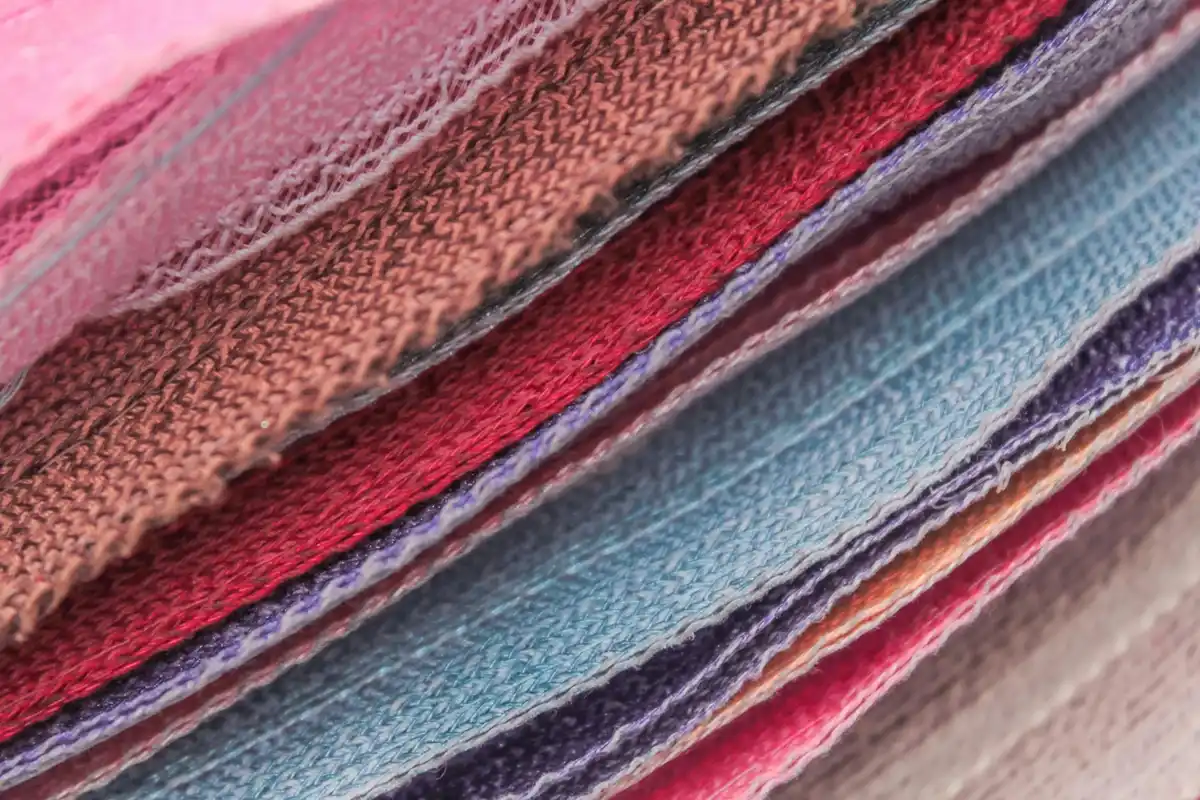
What are the main benefits of blending cotton with polyester? It’s a partnership where each fiber covers the other’s weaknesses. Polyester brings strength and stability to the blend. It dramatically reduces the wrinkles and shrinkage you get with 100% cotton. In return, cotton lends its natural breathability and moisture-wicking feel. It also cuts down on the static cling and that slightly plastic-like hand you can get with pure polyester. You end up with a fabric that’s easier to care for than pure cotton, but feels more comfortable against your skin than pure polyester. These cotton blends offer clear quality benefits—durability and color retention among them. They balance comfort and practicality, making cotton blends a trusted choice for everyday wear.
Choosing Your Ratio: 65/35 vs. 50/50 vs. 80/20
What is the typical blend ratio for a cotton-polyester fabric and why? The numbers on the tag tell you the percentage of each fiber, usually listed in order of dominance. This ratio is the recipe that changes the fabric’s character.
- 65% Polyester / 35% Cotton: This is the tough one. I see it in work uniforms, chef jackets, and heavy-duty aprons. The high polyester content makes it very resistant to wrinkles, shrinking, and stains. The feel is more slick and durable than soft.
- 50% Cotton / 50% Polyester: This is the classic balance for everyday t-shirts and bed linens. You get a soft, familiar cotton hand with much better shape retention after washing. It’s the safe, reliable choice for most casual wear.
- 80% Cotton / 20% Polyester: This blend is for when you love the feel of cotton but hate how it shrinks. That small shot of polyester acts as a scaffolding, limiting shrinkage to just 3-5% instead of cotton’s potential 10% or more. The fabric keeps a nearly-natural, breathable feel.
Spotting this on a label is simple. Look for the phrase “Fiber Content” or “Material.” It will read something like “60% Cotton, 40% Polyester.” The first fiber listed is the primary one.
Care Protocol for Cotton-Polyester Blends
For most cotton-polyester blends, a warm machine wash and a tumble dry on low heat is perfectly safe. The polyester does most of the heavy lifting here. But you must remember one key fact: while the polyester fibers won’t shrink, the cotton fibers in the blend still can.
If you use high heat in the dryer, those cotton fibers tighten up. This can cause the fabric to pucker or feel oddly stiff because the polyester fibers are holding their original length. Always opt for low heat to keep everything smooth.
Oil-based stains are another consideration. Grease, butter, or makeup can bind strongly to polyester. For these, I pre-treat the spot directly with a bit of liquid dish soap or a dedicated stain remover before washing. The soap helps break the oil’s grip on the synthetic fiber.
- Check the label for any specific instructions.
- Wash on a warm (40°C/104°F) cycle with regular detergent.
- Transfer to the dryer and select a Low or Permanent Press heat setting.
- Remove promptly to minimize wrinkles.
Wool & Synthetics: Warmth Meets Practicality
What are the main benefits of blending wool with synthetic fibers? We add synthetics like nylon or polyester to wool for one main reason: armor. Wool is a fantastic insulator and regulator, but it can be delicate. In a high-friction area like a sock heel or a coat elbow, a 15-25% nylon blend creates a reinforcement grid. The nylon takes the abrasive wear, drastically extending the garment’s life and preventing holes. It also reduces the severe felting shrinkage wool can suffer from heat and agitation, especially when compared to care for pure wool garments.
Wool-acrylic blends are common in affordable sweaters. Acrylic makes the garment machine-washable and less expensive. But you trade some of wool’s magic. Acrylic doesn’t wick moisture or regulate temperature like wool does. The blend will be warmer than pure acrylic but often less breathable and insulating than pure wool.
From an animal welfare perspective, a well-made wool blend that lasts for decades is more respectful than a fragile pure wool item that wears out quickly. Durability is a form of sustainability, reducing overall waste and demand.
Care Protocol for Wool-Blend Knits and Wovens
How does blending wool with polyester affect the fabric’s care requirements? The golden rule for wool-gentle handling, cool water, no heat-still forms the foundation. The synthetic fibers add a margin of error. They won’t felt, so they help the garment hold its shape better through careful cleaning. Delving into wool fabric production techniques—fiber preparation and blending—helps explain why these care details matter. These production choices influence how blends respond to washing and shaping.
Think of the synthetic fibers as a supportive net holding the wool fibers in place. But that net can’t protect the wool from the twin enemies of heat and harsh agitation. Always use a mild detergent, never regular soap or enzyme-heavy cleaners, especially when washing wool blends.
Here is your clear guide based on the care label:
- If the label says “Hand Wash”: Fill a basin with cool water and a wool-specific detergent. Submerge the garment, gently press it to soak, then rinse in cool water. Never wring or twist. Roll it in a towel to press out water, then lay it flat on a drying rack, reshaping it to its original dimensions.
- If the label says “Machine Washable” or shows a wool-wash cycle: Use that dedicated wool cycle with cold water. It’s a very slow, gentle agitation with minimal spinning. Still use a mild detergent. After washing, lay flat to dry. I never machine-dry wool blends, not even on air fluff. The residual heat can still be enough to cause problems.
Can You Mix Cotton and Linen? The Natural Fiber Dilemma
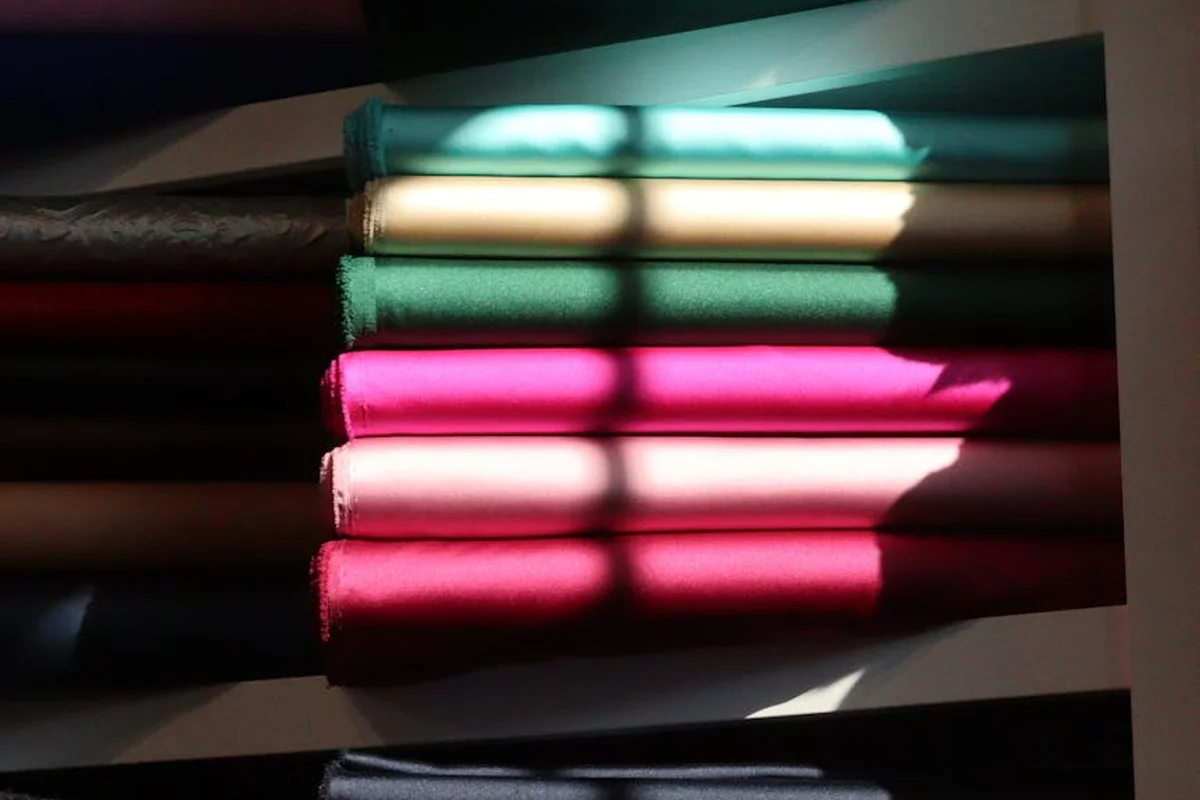
Yes, you absolutely can mix cotton and linen. This is one of the oldest and most beloved fabric blends, often sold under names like “linen union” or simply “cotton-linen.” If you’re wondering, “can you mix cotton and linen bedding,” the answer is a definitive yes-it’s a popular choice for sheets and duvet covers.
The magic of this blend is in the balance. Linen, made from flax, has a naturally crisp, cool feel and a textured, rustic drape. Cotton is softer and more pliable from the first wear. By blending them, you get linen’s breathable, temperature-regulating properties softened by cotton’s gentle hand, and you significantly reduce the severe wrinkling of pure linen. You gain a fabric that is durable, breathable, and gets better with age.
The Shrinkage Mismatch and How to Manage It
Here’s where fabric science meets real life. These two natural fibers shrink differently. Cotton fibers tend to swell and contract lengthwise more dramatically. Think of it like a sponge tightening up. Linen shrinks less, behaving more like a sturdy spring that compresses just a bit.
When woven together and then washed, this difference can create internal tension. The cotton yarns want to pull in more than the linen yarns, which can lead to puckering or a slightly wavy texture in the fabric if not managed.
If you are sewing with this blend, always pre-wash your fabric in the same way you plan to wash the finished item. I wash mine in warm water and tumble dry low. This lets the fibers do their initial shrinking before you cut and sew, saving you from a finished garment that changes size.
For your cotton-linen bedding or clothes, care is straightforward: use cold or lukewarm water and either air dry flat or use a low-heat tumble. High heat exaggerates the differential shrinkage. Over many washes, this blend develops a beautifully soft, lived-in texture that I personally love. For more on preventing shrinkage in blends, see the fabric shrinkage care guide.
The Dyeing Challenge: Why Blends Can Be Tricky to Color
The core question, “what are the key considerations for dyeing blended fabrics,” boils down to one fact: different fibers have different chemical personalities. Throwing a blend into a single dye pot and expecting one solid color is often a recipe for disappointment.
Cellulose fibers (cotton, linen, rayon) bond best with fiber-reactive dyes or direct dyes. Protein fibers (wool, silk, cashmere) need acid dyes. Synthetic fibers like polyester require disperse dyes and near-boiling water to open up the polymer chains for color. It’s important to understand the differences when dyeing natural versus synthetic fabrics.
In industry, they use two main approaches. “Union dyeing” uses a careful cocktail of dyes and chemicals to try and color all fiber types in the blend to the same shade. “Cross-dyeing” is the opposite-it deliberately uses dyes that only affect one fiber type, creating heathered or two-tone effects from a single dye bath.
For you at home, be realistic. Dyeing a 50/50 cotton-polyester t-shirt with all-purpose dye? That dye is formulated for cellulose and protein. It will color the cotton nicely but will only lightly stain the polyester, if at all. You will typically get a lighter, muted version of your intended color, with the polyester threads staying white or taking a faint tint, creating a heathery look. To truly dye a poly-blend solidly, you need specialized disperse dyes and the ability to sustain a very hot dye bath safely.
The End-of-Life Rule: Recycling Blended Fabrics
What challenges arise when recycling blended fabrics compared to single-fiber fabrics? In short, a blended fabric is a puzzle that recycling systems struggle to solve.
Mechanically, fibers are harder to separate. A cotton/polyester shirt isn’t two distinct layers you can peel apart. The fibers are spun into a single yarn, making clean separation nearly impossible with current sorting technology. It’s like trying to unbake a cake to get the eggs and flour back.
Chemically, different polymers complicate processing. Natural fibers like cotton and wool are broken down with different chemicals and processes than synthetic polymers like polyester. When you mix them, you often need harsh chemical cocktails to dissolve one fiber without damaging the other, which is inefficient and creates problematic waste.
Most curbside textile recycling cannot handle complex blends. What often happens is “downcycling.” The mixed material gets shredded and turned into low-value products like insulation, carpet padding, or industrial wiping cloths. This is a downgrade from the original fabric’s quality and purpose.
For better recyclability, I look for natural-natural blends like cotton/linen or wool/silk, which can sometimes be processed together more easily. The most straightforward choice is to buy garments with very high content of one primary fiber, like a 95% cotton tee, which streamlines its next life. This thinking at the point of purchase is one of the most practical steps you can take.
Handling Pro-Tip: Sewing, Pressing, and Living with Blends
If you’re a maker or a mender, working with blends requires a bit of a hybrid approach. You must cater to the needs of each fiber in the mix.
Let’s start with pressing. You must use a lower heat setting to protect any synthetic fibers (polyester, nylon) from melting or developing a shiny glaze. I set my iron to the synthetic or “low” setting. Then, I use the steam function generously to relax and shape the natural fibers like cotton or wool. The steam does the work the heat cannot.
Seam finishing is crucial because different fibers fray at different rates. A cotton/polyester poplin, for instance, can be quite stable, but a looser weave will benefit from finished seams. For most blend wovens, I use a simple French seam or a serged (overlocked) edge, which neatly encases all the fiber types at once. For knits, a stretch stitch or a narrow zigzag is your best friend to accommodate the fabric’s give.
When making a care label for a homemade blended item, follow this golden rule: Care for the most delicate fiber in the blend. If your fabric is 70% cotton and 30% silk, you wash and dry it as if it were 100% silk. That mindset will preserve your garment for years.
Finally, let the fabric guide you. Close your eyes and feel it. Does it have the crisp drape of cotton with a hint of polyester spring? Does it have the warmth of wool smoothed by a bit of silk? That unique character is the whole point of the blend. Your care and handling should aim to protect that specific, wonderful combination of qualities, especially in silk blends known for their durability and softness.
Final Blending Wisdom
The single most important rule is to treat every blended fabric according to the care needs of its most delicate fiber. This simple principle protects the wool from felting, the silk from degrading, and the cotton from shrinking, letting the blend’s engineered performance shine through for its full lifespan.
Your most sustainable choice is to care for the clothes you already own with knowledge, extending their life through gentle washing and mindful repair. Let the unique character of each fabric in your closet spark your curiosity about the textile science that makes it all possible.
Research and Related Sources
- Blend (textile) – Wikipedia
- Unraveling the Top 18 Fabric Blends: A Mood Guide
- Blended Fabrics
- Fiber Types | Textiles
- Blended Fabrics: 10 Essential Types for Modern Textiles
- 7 things you need to know about blended fabrics
Florian Ventura
Florian is a high fashion blog writer, fashion and fabric expert and a keen expert in fabric, clothing and materials. She has worked in large textile and fashion houses for over 10+ years, engineering and working with various fabric types and blends. She is an expert when it comes to questions on any and all kinds of fabrics like linen, cotton, silk, jute and many more. She has also traveled around the world studying traditional fabrics and aims to bring them into the modern fashion use.