
Where Can You Buy Fabric Dye and Supplies for Home Projects?
Staring at a faded shirt or plain fabric and wondering where to find good dye? I’ve tested dyes in labs for years, and sourcing the right materials is your first, manageable step.
I’ll break down your choices clearly, covering online retailers versus local craft stores, the key types of dye for cotton, wool, silk, and synthetics, and the must-have tools beyond the dye pot.
Quick Local Finds: Checking the Aisle at Common Stores
You likely have a few of these stores nearby. Here’s what you can usually find.
Yes, you can buy basic fabric dye at most Walmart and Target locations. You might also find it at some CVS or Walgreens stores, especially those with a larger home goods section. Your chances are slimmer at Dollar General, Family Dollar, and Dollar Tree, but I have spotted single-use dye packets there occasionally. If you’re dyeing fabric black at home, you’ll want to choose a dye labeled for black or dark colors and follow the package directions closely. For more tips on dyeing fabric black at home, see our step-by-step guide.
Walk into any of these places, and you will almost always see one of two brands: Rit Dye or Tulip One-Step. These are the workhorses of the home dyeing world. They are all-purpose dyes, meaning they are formulated to work on a wide range of fibers like cotton, wool, silk, and nylon with a single product. The Tulip kits often include a dye fixative in the bottle, which is convenient for quick tie-dye projects.
Manage your expectations here. These stores are perfect for refreshing faded jeans, dyeing a cotton t-shirt a solid color, or a simple tie-dye afternoon with kids. You will not find professional-grade acid dyes for silk, fiber-reactive dyes for vibrant cottons, or disperse dyes for polyester on these shelves. Those require more specific chemicals and processes, especially when working with specialty fabrics.
Here’s my pro-tip from countless store checks: look in two places. First, check the craft aisle, often near the paints and kids’ activity kits. Second, head to the laundry aisle. Many grocery and general merchandise stores stock Rit Dye next to laundry boosters and stain removers. It’s considered a household utility item there, not a craft supply.
Beyond the Basics: Shopping at Dedicated Craft & Fabric Stores
When your project needs more than a basic refresh, this is where you go. National chains like Michaels, Joann, and Hobby Lobby, along with your local independent fabric shop, are your next stop.
The selection expands dramatically. You’ll still see Rit and Tulip, but now you’ll find them in a much wider array of colors and formats, including powders. The real advantage is the presence of dye types classified by the fiber they bond with best. You might find:
- Fiber Reactive Dyes (like Procion MX): These form a permanent covalent bond with cellulose fibers (cotton, linen, rayon). They create the brightest, most washfast colors on cotton and are what serious tie-dye artists use.
- Acid Dyes: These are necessary for protein fibers. You need them to dye wool yarn or silk scarves properly. They require an acidic environment (vinegar or citric acid) to work.
- Disperse Dyes: These are the only type that will effectively color polyester or nylon. They require high heat, often near boiling, to work.
Critically, these stores also stock the essential chemicals and tools that big-box stores don’t carry. Look for soda ash (a fixative for fiber-reactive dyes), citric acid (for acid dyes), sodium hydrosulfite (for dye removal), dedicated stainless steel dye pots, plastic measuring spoons, and reliable rubber gloves.
Nothing beats seeing a color in person before you buy it. A swatch card or bottle can look very different on a screen. The other major benefit is the staff; many are makers themselves and can offer foundational advice on which dye matches your fabric type. They can point you to the right fixative or remind you that dyeing polyester is a different beast than dyeing a cotton tee.
Your Global Workshop: Sourcing from Online Specialty Suppliers
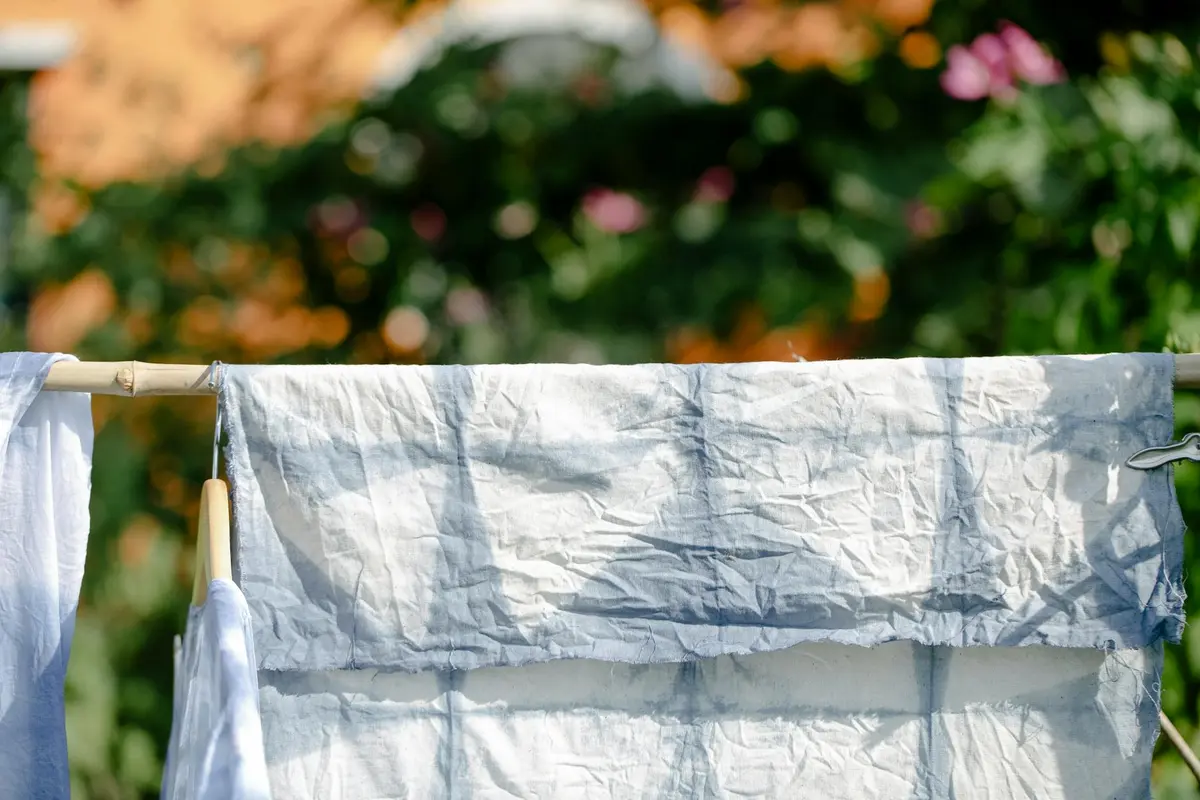
For results that go beyond basic color changes, online specialty suppliers are your laboratory. I turn to these suppliers when I need a specific shade of ochre for linen or a dye that bonds permanently to cotton. They are the source for professional-grade color and control.
The benefits of shopping with these specialists are immense, starting with access to vast, nuanced color palettes you simply cannot find in a big-box store. You can find dyes that produce clear, bright hues and deep, saturated tones that all-purpose dyes often muddy.
These suppliers provide the detailed technical data sheets I rely on. You get precise instructions on dye amounts, water temperature, pH levels, and chemical assistants like salt or soda ash. This information is the difference between a color that washes out and one that lasts for years. They also offer bulk purchasing, which is perfect for dyeing a set of curtains or multiple yards of fabric for a sewing project.
Great suppliers exist globally. Whether you are sourcing from a specialist in Australia, a supplier in South Africa, or a dye house in a city like Redlands, they typically offer the same core inventory of quality dyes and mordants tailored to their region’s needs.
My non-negotiable pro-tip for online dye shopping? Always order swatches or the smallest sample size first. Screen colors vary wildly. Testing a swatch lets you see the true color and how it behaves on your specific fabric before you commit to a large, expensive jar.
The First Decision: Matching Dye Chemistry to Your Fabric
Choosing a dye is not about your favorite color first. It is a science project where the fiber type dictates the chemical rules. Using the wrong dye is like trying to dissolve oil in water. It just will not work.
Think of it this way: each fiber family has a specific chemical “handshake” it uses to grab and hold onto dye molecules. You need to offer the right hand.
For Cotton, Linen, Rayon (Cellulose Fibers)
You have two main paths. For the absolute best, most colorfast results, you want fiber reactive dyes. These dyes form a permanent covalent bond with the cellulose fiber. The color becomes part of the fabric itself. They require a fixative, usually soda ash, and the process is a bit more involved. That lasting integration is what we mean by dye permanence—the color stays true through washes. In the next steps, you’ll find tips and tests to assess and maintain this permanence.
The easier route is an all-purpose or direct dye. These dyes sit on the fiber surface and are held by weaker forces. They are simpler to use but will fade faster with washing and light exposure. I use them for projects where ease is the priority over archival longevity.
For Wool and Silk (Protein Fibers)
Animal fibers require acid dyes. The dye bonds to the basic (amino) sites in the protein structure, and this bond requires a mildly acidic environment, often created with white vinegar or citric acid. The colors can be brilliantly clear and vibrant on these fibers.
When working with wool or silk, I always consider the source. I advocate for knowing where your materials come from, choosing ethically sourced fibers from suppliers who prioritize animal welfare, or exploring excellent high-performance plant-based alternatives. For silk, I also consider how silk fiber is produced into fabric—from cocoon to loom. This helps ensure the final material aligns with ethical sourcing and responsible processing.
For Polyester and Nylon (Synthetic Fibers)
These are the tough cases. Disperse dyes are the only option for 100% polyester. They work by dissolving into the fiber polymer under high, sustained heat, which usually means a stovetop simmer or a dedicated dyeing vessel. It is a more demanding process.
Nylon is more versatile. It can be dyed with either disperse dyes or acid dyes. Acid dyes often yield brighter colors on nylon, but note: nylon typically dyes to a lighter shade than wool would with the same amount of dye. To optimize results, explore nylon fabric dyeing techniques that balance shade, coverage, and colorfastness. A deeper look at these techniques will inform your dye selection and application steps.
For Blended Fabrics (Like Poly-Cotton)
Blends are the puzzle. A 50/50 cotton-polyester shirt will only accept dye on the cotton half with a cotton dye, and on the polyester half with a disperse dye. You often must choose which fiber to color, leading to muted, heathered, or tonal results rather than a solid hue. Your best bet is to use the dye type for the dominant fiber, or use a blended dye type like “all-purpose,” understanding the final color will be complex and less vivid.
When NOT to Use Certain Dyes
This is where checking your fabric content label is non-negotiable. A mistake here wastes time, money, and your project.
Never use a standard all-purpose dye on 100% polyester. It will rinse straight out, leaving your fabric unchanged. The dye molecules are physically incompatible with the polyester polymer, unlike those specifically designed for water-resistant fabrics.
Exercise extreme caution with acetate and acrylic. Acetate requires special disperse dyes used at very specific temperatures. Most acrylics are extremely dye-resistant with common home dyes. I generally advise against attempting to dye these fabrics unless you are using products specifically formulated for them and are prepared for subtle results.
Your first and most important step is always to read the fiber content label on your garment or fabric bolt. That label tells you which chemical rules you need to follow.
Gathering Your Toolkit: Essential Non-Dye Supplies
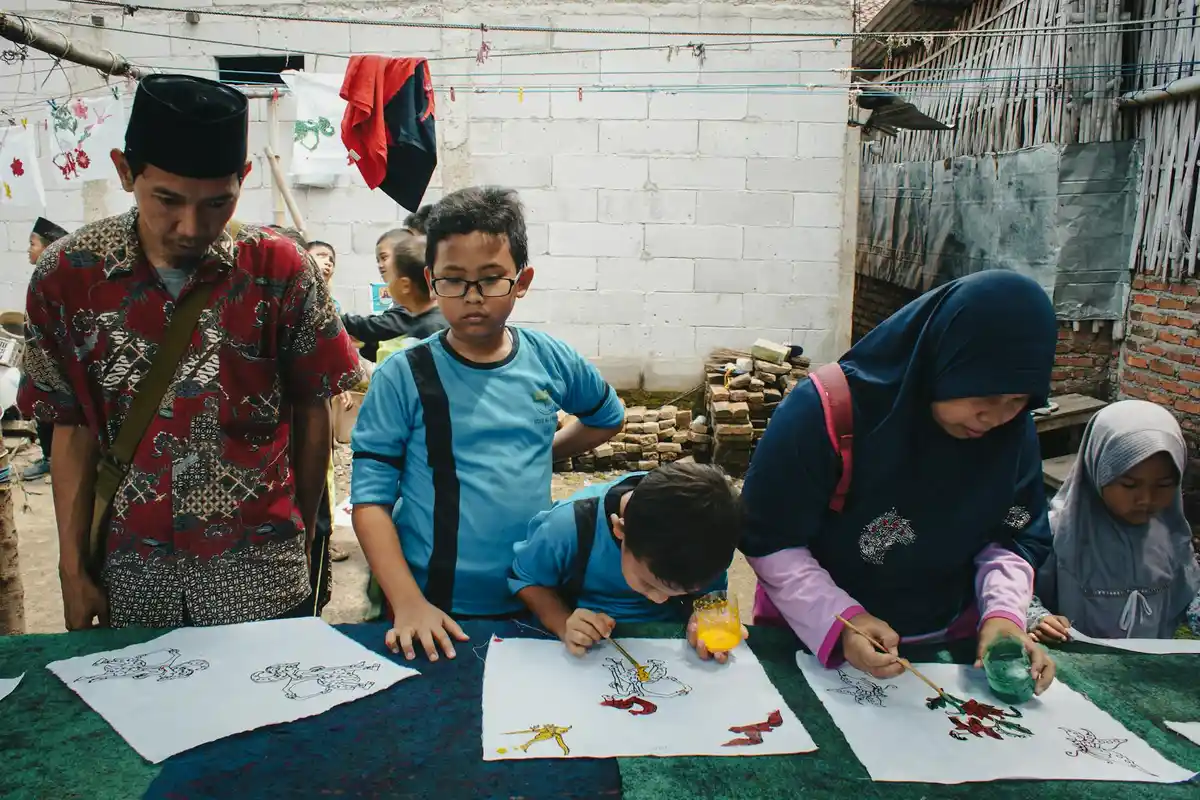
Before you even open a dye jar, you need the right gear. Think of this like setting up a mini lab in your kitchen or workspace. Getting these items first makes the whole process safer and cleaner.
Safety Gear is Non-Negotiable
I treat all dye powders with the same respect I give fine flour or plaster dust. They can be airborne irritants. Your first purchases should be thick rubber gloves, a basic particle mask (N95 is perfect), and simple plastic safety glasses. This protects your skin, lungs, and eyes from splashes and fine particles. It’s not overkill; it’s standard practice.
Your Dedicated Dyeing Equipment
You need a vessel for the dye bath. You must use a large stainless steel or enamel pot that you will never, ever use for food again. Reactive and acid dyes can bond to the metal, and you don’t want any residue in your cooking pots. A 5-gallon stainless stockpot is my workhorse. Pair it with long, reliable metal or glass stirring utensils and a candy thermometer. Temperature control is key for even dyeing on protein fibers like wool and silk.
The Supporting Chemicals
Dyes need helpers to bond permanently to fibers. These are not the dye itself, but they are just as important.
- Soda Ash (sodium carbonate): This is the fixative for fiber-reactive dyes used on cotton, linen, and rayon. It raises the pH, creating the chemical reaction that permanently bonds the dye molecule to the cellulose fiber.
- Citric Acid or White Vinegar: These create the acidic environment needed for acid dyes to bond to protein fibers like wool, silk, and nylon. I prefer citric acid powder for more precise control.
- Synthrapol or a similar textile detergent: This is a special, non-foaming detergent used after dyeing. It suspends loose dye molecules in the wash water so they don’t redeposit on your fabric, preventing dull colors and bleed.
Prepping Your Workspace
Cover every nearby surface with plastic sheeting or a disposable plastic tablecloth. Have a roll of paper towels and a trash bag within arm’s reach. Assume there will be drips and spills, because in my experience, there always are. A prepped space turns a potential mess into a simple clean-up.
After the Dye Bath: Care and Washing for Colorfastness
The dyeing isn’t finished when you pull the fabric from the pot. How you handle the fabric next determines if your color stays vibrant or bleeds away. This post-dye care is what makes your work professional and lasting.
The Universal Rinse-and-Wash Protocol
Follow these steps in order for almost every dye type. I use this method in my own studio.
- Rinse in cool water until the water runs completely clear. This can take a while. You are flushing out the exhausted dye salts and chemicals that did not bond.
- Wash the item alone in your washing machine (or a clean sink) with warm water and a tablespoon of a mild textile detergent like Synthrapol. This wash removes the last of the unfixed, surface-level dye molecules.
- Air dry the item completely before you even think about wearing or sewing with it.
The science here is simple: any dye molecule not chemically bonded to the fiber is just sitting on the surface, waiting to bleed onto your skin or other laundry. This two-step removal process gets rid of those hitchhikers.
Smart Drying for Different Fibers
Heat and tension can ruin your freshly dyed piece. Here’s how to dry safely based on fiber content.
- Wool and Silk: Always lay these flat on a drying rack or towel. The fibers are stretchy and vulnerable when wet. Hanging them can cause permanent distortion and stretching.
- Cotton, Linen, Rayon: You can tumble dry these on low if you have pre-washed and pre-shrunk the fabric before dyeing. If you didn’t pre-shrink, air dry to avoid surprise shrinkage. The heat can also help set the dye further.
- Polyester and Nylon: Always air dry. The dyes for these synthetics are usually heat-set, and the dryer’s intense heat can actually cause the dye to migrate or bleed before it fully cools and stabilizes.
The Final Colorfastness Check
Before you wash your dyed item with other clothes, do this quick test. Wet a clean, white cotton cloth with warm water. Wring it out slightly, then press it firmly onto a damp area of your dyed fabric for 30 seconds. If you see any color transfer onto the white cloth, the fabric needs another wash with textile detergent before it’s safe for mixed laundry. This simple check saves you from a laundry disaster. It’s a quick fabric colorfastness check that can help prevent dye transfer in future washes.
Troubleshooting Common Dyeing Results
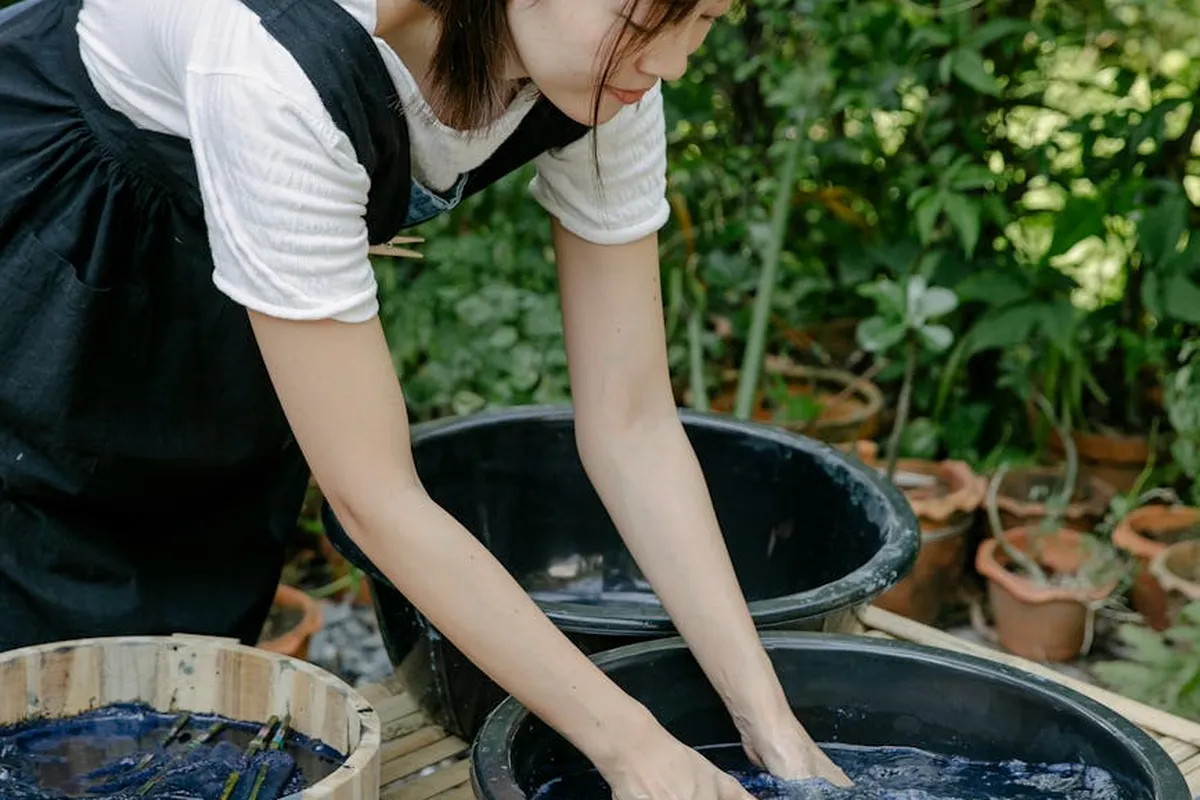
Even with the best supplies, results can be unpredictable. The good news is that most dyeing problems have a clear, scientific cause. Let’s fix them.
Addressing Splotchy Color
You pull your fabric from the dyebath, and instead of a rich, even color, you see cloudy patches and uneven streaks. This almost always starts before the dye even touches the fabric. Modern fabrics are treated with oils, waxes, and chemical finishes from the mill to make them easier to sew or ship. These act like a raincoat, repelling dye. Even when dyeing delicate fabrics, it’s crucial to ensure they are clean and free of such residues.
The solution is thorough scouring, which is just a technical term for a very good pre-wash. For plant-based fibers like cotton or linen, I wash them in hot water with a generous scoop of washing soda. For protein fibers like silk or wool, a gentle wash in warm water with a pH-neutral soap works best. You know it’s clean when water beads evenly on the surface instead of sheeting off.
Fixing Faded Color After Washing
Nothing is more disappointing than a vibrant color that washes down the drain. This is a bond failure. The dye molecule did not form a permanent link with the fiber molecule. Three main things break that bond.
- Wrong Dye for the Fiber: Using an all-purpose dye on polyester gives you pastel, washed-out results. Polyester requires disperse dyes and high heat to open its tightly packed fibers.
- Insufficient Time or Heat: Dyeing is a chemical reaction, not just a color dip. Fiber-reactive dyes on cotton need a full hour in the dyebath. Acid dyes on wool need sustained, gentle heat.
- Missing Fixative: This is the most common home dyer’s error. For cotton with fiber-reactive dyes, you must use soda ash to create the high-pH environment for the bond. For wool or silk with acid dyes, you need an acid like white vinegar or citric acid. Without it, the dye just sits on the surface and rinses away.
Stopping Dye Bleeding
If your dyed project turns the wash water pink, the dyeing process isn’t finished. Bleeding means loose, unbonded dye is still trapped in the fabric’s fibers. Your final rinsing step was rushed.
After the dye time is complete, you must rinse the fabric in progressively cooler water until it runs completely clear. This can take many, many rinses. I keep going until I see no hint of color in the water. Then, wash the item alone in your machine with a dye-trapping product like a Synthrapol detergent or a commercial dye catcher sheet. These products suspend loose dye in the water so it can’t redeposit. To help with future dye sessions, you might want to review a quick prep and troubleshooting guide for fabric dyeing before your next run. A linked resource will appear in the next steps to assist with preparation.
Softening Stiff Fabric
Your project is the right color but feels like cardboard. With reactive dyes, this is almost always a salt problem. Table salt is used in large quantities as a dye activator for cotton. If it isn’t thoroughly rinsed out, it crystallizes inside the fibers.
The fix is simple. Give the stiff fabric several more warm rinse cycles. For a final step, I run it through a machine wash with a small amount of fabric softener or a half-cup of white vinegar. This helps dissolve any remaining mineral residue and restores a softer hand. For wool, a proper final rinse with a wool-specific conditioner works wonders.
Final Swatch: Your Key to Dyeing Success
Your single best practice is to always test your dye on a fabric scrap first. A simple swatch test reveals exactly how a color will look and how the fabric will behave, saving you from costly, disappointing projects. Treat this small step as a non-negotiable part of your process, just like pre-washing to manage shrinkage and soaking your fabric for the right amount of time before dyeing.
Handle leftover dyes and chemicals with care, following local disposal guidelines to protect our water. Every project deepens your practical knowledge of fabric properties and care, turning you into a more resourceful and responsible maker.
Deep Dive: Further Reading
- Fabric Dye and Tie-Dye Supplies | BLICK Art Materials
- Rit Dye – Fabric Dye For Clothing, Home Décor, Crafts and More
- Fabric Dyes From Dharma Trading Co.
Florian Ventura
Florian is a high fashion blog writer, fashion and fabric expert and a keen expert in fabric, clothing and materials. She has worked in large textile and fashion houses for over 10+ years, engineering and working with various fabric types and blends. She is an expert when it comes to questions on any and all kinds of fabrics like linen, cotton, silk, jute and many more. She has also traveled around the world studying traditional fabrics and aims to bring them into the modern fashion use.