
Where Should You Buy Cotton Fabric: Online or From a Local Store?
I’ve tested hundreds of cotton swatches, and I know the sinking feeling when a “pre-washed” fabric shrinks another five percent. Sourcing good cotton isn’t just about price or color-it’s about finding material that will hold up through washing and wear.
This article will help you shop with a textile scientist’s eye, covering how to read a fabric listing for hidden specs, perform simple burn tests to verify fiber content, predict shrinkage behavior before you buy, and evaluate both major online retailers and local store inventories.
Executive Summary: Cotton Fabric at a Glance
Cotton is a natural plant fiber spun from the fluffy bolls of the cotton plant, prized for its breathability and comfort against the skin.
Its strengths are well known to anyone who has worn a soft t shirt on a hot day. Cotton is highly absorbent, pulling moisture away from your body to evaporate, which is why it feels cool and comfortable. It’s also surprisingly durable, becoming stronger when wet, and it accepts dye beautifully for vibrant colors. At the end of its life, untreated cotton will biodegrade.
No fiber is perfect. Cotton has a few traits you must plan for. It will shrink significantly on its first wash if it hasn’t been pre treated, and it wrinkles easily because the fibers lack natural spring. If you store it damp, it can develop mildew, so always make sure it’s completely dry before putting it away.
You’ll find cotton everywhere. It’s the go to choice for everyday clothing like shirts and dresses, cozy bed linens, stable quilting squares, and durable home decor like curtains and slipcovers.
My most repeated piece of advice is this. Pre washing your cotton fabric before you cut and sew is non negotiable; it’s the only way to manage shrinkage and ensure your final project keeps its fit.
What Makes Cotton Fabric Unique? A Textile Science View
Under a microscope, a cotton fiber looks like a twisted, flattened ribbon. This hollow, spiraled structure is the secret to its magic. The twists create tiny air pockets, and the hollow core wicks moisture, working together to make cotton exceptionally breathable.
Think of absorbency. A cotton fiber acts like a microscopic sponge, readily soaking up water and swelling. Polyester, in contrast, is like a plastic sheet water beads up and rolls right off. This is why a cotton towel dries you off, while a polyester shell jacket keeps rain out.
The way threads are interlaced, called the weave, dramatically changes the fabric’s character. A plain weave (like poplin) is crisp and strong. A twill weave (like denim) is diagonal, dense, and drapes well. A sateen weave floats threads for a silky, smooth surface that’s prone to snagging.
Weight tells you how substantial the fabric is. Lightweight voile is sheer and floaty, perfect for breezy blouses. Mid weight poplin is the workhorse for shirts and dresses. Heavyweight canvas is stiff and tough, ideal for bags and upholstery. Always match the fabric weight to the structure your project needs.
For those seeking more sustainable options, organic cotton is grown without synthetic pesticides, and recycled cotton gives textile waste a new life. These choices can have a lower environmental impact, though they share the same core properties as conventional cotton.
The Shrinkage Reality: Why Cotton Contracts
That brand new cotton shirt coming out of the dryer smaller is almost always due to relaxation shrinkage. During spinning and weaving, the fibers are under tension. Heat, moisture, and agitation in the wash relax the fibers, allowing them to contract to their natural, shorter state. It’s not a flaw, it’s physics.
Fabrics labeled “pre shrunk” or “sanforized” have gone through a controlled mechanical or chemical process to force this contraction at the mill. Non pre shrunk fabric, sometimes called “loom state,” will shrink the most. The label or product description should tell you the expected shrinkage percentage, often 3 10%.
Don’t guess. Test it yourself. Cut a 10 inch by 10 inch square from your new fabric. Mark the measurements clearly with a permanent pen. Wash and dry this swatch exactly how you plan to care for the finished item. Measure it again. If your square is now 9.5 inches, you’ve experienced 5% shrinkage, and you must pre wash all your yardage.
Color and Dye: How Cotton Holds Hue
Cotton’s cellulose structure has a chemical attraction to certain dyes. It loves fiber reactive dyes (the standard for vibrant cottons) and direct dyes. The process usually needs heat and salt to help the dye molecules bond permanently to the fibers.
Rich darks and bright reds can be prone to bleeding color in the first few washes. Always perform a colorfastness test on a hidden edge or scrap: dampen it with cold water, press it between two layers of white paper towel, and check for any color transfer. If you see dye, continue washing the fabric alone in cold water until the bleeding stops.
If you are a home dyer, this is critical. A cotton polyester blend will dye unevenly; the cotton will absorb the dye, while the polyester remains mostly white, resulting in a heathered, pastel look. To dye blends a solid color, you need a different, more complex dye type that works on both fibers.
How to Choose the Right Cotton Fabric for Your Project
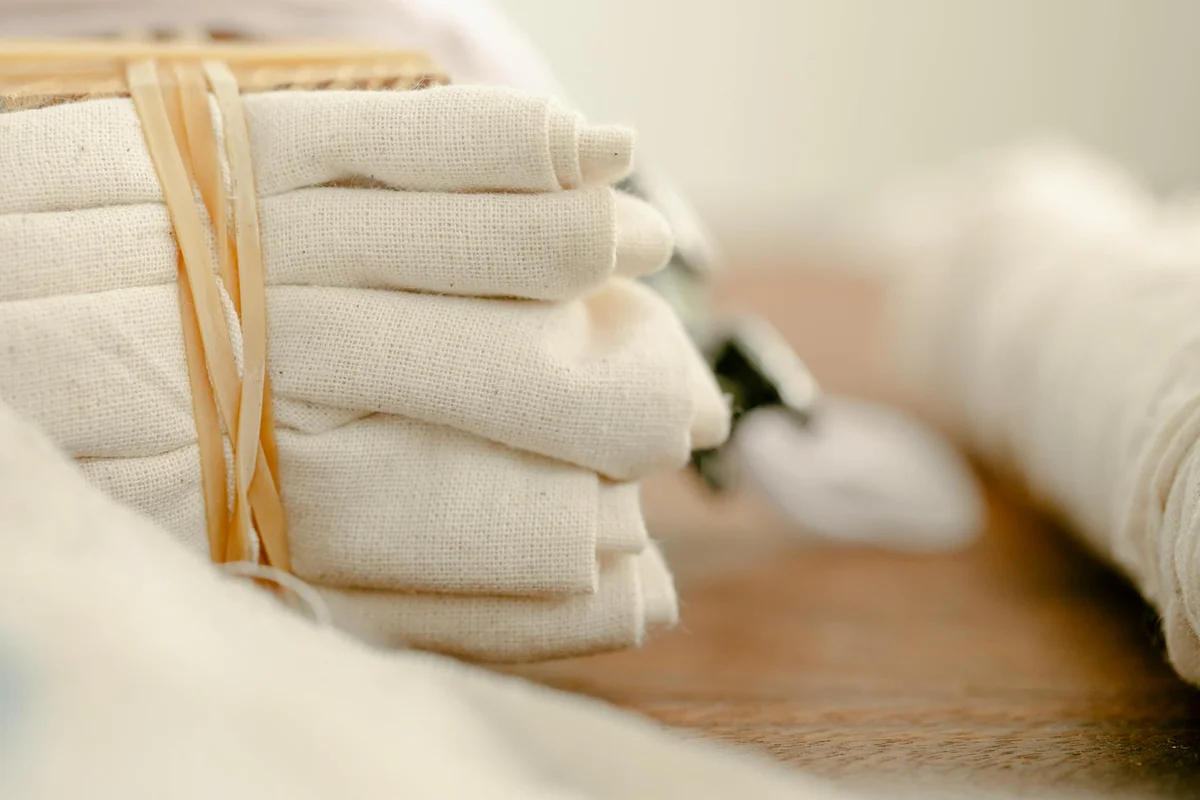
Choosing cotton isn’t just about grabbing the first bolt you see. Think of weight as its job description. A lightweight fabric has a different purpose than a heavyweight one.
For flowing curtains or delicate blouses, I look for airy fabrics like voile or lawn, often around 90-100 GSM (grams per square meter). A classic button-down shirt needs the body of a mid-weight fabric like poplin or broadcloth, typically 110-150 GSM. For something that needs to hold its shape, like a structured tote bag or durable pants, heavyweight options like denim or canvas, starting around 300 GSM, are your friends. Matching the fabric weight to your project’s demands is the simplest way to guarantee a successful result.
Before you get drawn in by a beautiful print, check the fabric’s care label or online description for its blend percentage. That “cotton” fabric might be 60% cotton and 40% polyester. I always do this. A blend with polyester will be more wrinkle-resistant but less breathable. The care instructions will also give you a vital clue about pre-shrinking. If it says “machine wash warm, tumble dry low,” you can expect some shrinkage, usually 3-5%, on a true 100% cotton.
Your hands are your best tools. Feel the fabric. A crisp, tightly woven hand is perfect for a shirt collar that needs to stand up. A soft, brushed flannel feels cozy for loungewear. A fluid, drapey jersey is ideal for a comfortable tee. Trust how the fabric feels in your hand; it will behave the same way in your finished project.
Many makers seek out 100% cotton for good reason. It’s naturally breathable, pulling moisture away from your skin. It’s also the ideal canvas for natural dyeing projects, as plant-based dyes like madder or indigo bond best to cellulose fibers. While cotton-polyester blends offer easy care, pure cotton offers a connection to traditional textile qualities that I often prefer.
Decoding Fabric Descriptions Online
Online shopping requires you to become a label detective. Key terms tell a specific story. “Pre-washed” or “pre-shrunk” means the manufacturer has washed the fabric, so residual shrinkage will be minimal, often less than 2%. “Percale” refers to a tight, one-over-one-under weave that feels cool and crisp. “Thread count” is useful for bedding, but for apparel fabrics, focus on “GSM” for a more accurate measure of weight and density.
I never skip ordering a swatch if it’s an option. Screen colors are unreliable, and a photo can’t tell you if a fabric is stiff or fluid. For a few dollars, you can feel the hand, check the true color in daylight, and even do a quick wash test. Swatching saves you from costly disappointments and helps you build a personal physical library of fabrics you love.
Estimating yardage is a simple math check. Your sewing pattern will state the required yards based on a standard fabric width, usually 44/45″ or 58/60″. If your chosen fabric is a different width, you’ll need to adjust. For example, if a pattern calls for 2 yards of 45″ wide fabric and you buy 60″ wide fabric, you will likely need less. Always buy a little extra, about a quarter to a half yard, to account for pattern matching or mistakes.
Where to Buy Cotton Fabric Online: A Practical Guide
Your online shopping strategy depends on your project’s scale and your need for precision. I break sources into three main categories.
- Large Retailers & Big-Box Stores: These are your go-to for affordable, staple cottons like broadcloth, quilting cotton, and basic denim. They’re fantastic for practice runs and high-volume needs where exact color matching is less critical.
- Niche Marketplaces & Specialty Shops: Here is where you find quality. Look for shops specializing in organic cotton, deadstock fabrics, specific weaves like Japanese selvedge denim, or designer prints. The descriptions are often richer, and the fiber provenance is clearer.
- Wholesale Suppliers & Mills: This is for bulk purchases, often starting at 10-50 yards per style. Ideal for small businesses or a very large project. Terms vary, and you may need to set up a business account.
You cannot touch the fabric before it arrives, so you must become a detective. A listing is only as good as the evidence it provides about the fabric’s true hand and character. High-resolution photos that you can zoom into are non-negotiable. Look closely at the weave structure. Do you see slubs or a crisp, even finish?
Customer reviews with photos are pure gold. They show you how the color looks in natural light, how the fabric drapes on a form, and often report on shrinkage or bleeding after washing. I always sort reviews by “most recent” to see if quality has been consistent.
Use every search filter the website offers. Start by locking in “100% Cotton” under fiber content to avoid surprise blends. Filter by weight (often listed as GSM-grams per square meter). A 140 GSM cotton is light and airy, perfect for a blouse, while 300+ GSM is a sturdy canvas. Filtering by color and price narrows your world efficiently.
If you need a specific amount, search for “cotton fabric online by the yard” to find retailers selling cut lengths. For business inquiries, searching “cotton fabric online wholesale” will direct you to suppliers with bulk pricing and minimums.
Navigating Online Marketplaces and Retailers
Before you click “buy,” read the fine print on returns and shipping. A generous return policy for cut fabric is rare but valuable. Calculate the total cost: a low fabric price plus high shipping may not be a deal.
For international makers, say in India, New Zealand, or Malaysia, this is vital. Check if the retailer has a local warehouse to avoid customs delays and fees. Some global platforms now offer consolidated shipping which can save money.
Be specific in your searches on these platforms. Don’t just search “cotton fabric.” Search for the exact weave you need, like “cotton corduroy online” or “black cotton fabric” to filter out irrelevant prints and blends. This precision saves hours. Understanding specialized cotton fabrics properties—types like corduroy, twill, sateen, and chambray, and how weave, weight, and finish affect texture and durability—will guide your selections. This makes future searches even more targeted.
The single best practice I recommend is to source from retailers that offer swatches. A small fee for a set of samples is the wisest investment you can make. You can feel the hand, test for shrinkage, and see the true color on your worktable.
Even better, look for suppliers that provide detailed technical data sheets listing the fabric’s weight, thread count, finish, and recommended care. This level of detail, common with mills and higher-end wholesalers, eliminates guesswork and is the hallmark of a professional source.
Finding Cotton Fabric Locally: Your Neighborhood Options
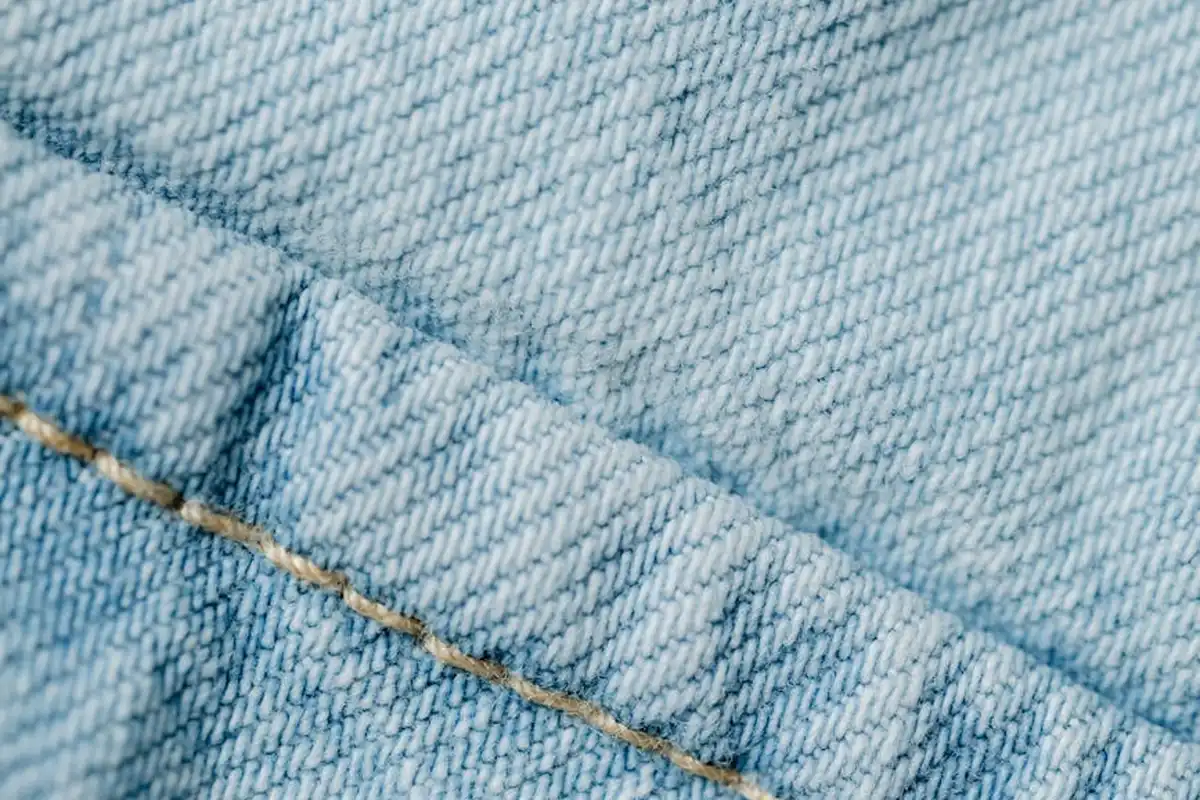
Nothing replaces the feel of fabric between your fingers. You can assess the “hand”-the way it drapes, its weight, and its true color-instantly. This is the unbeatable advantage of shopping locally.
Your hunt should start with these places:
- Independent Fabric Stores: These are often gems run by passionate owners. They may carry higher-quality apparel cottons, linens, and unique prints you won’t find elsewhere.
- Craft Chain Stores: Stores like Joann or Hobby Lobby are reliable for basics. They stock a wide range of quilting cottons, broadcloth, and flannel. I find their selection for garment-making can be limited, but it’s perfect for crafts and beginner projects.
- Specialty Quilting Shops: A top-tier source for premium 100% cotton. The fabrics here are often densely woven with a high thread count, resulting in less shrinkage and better color retention. The prints are vibrant and designed to last.
- Thrift Stores & Secondhand Shops: This is sourcing reclaimed fabric. Look for old cotton bedsheets, tablecloths, or large garments. You get to test a fabric’s longevity, and it’s a sustainable choice. Always wash and sanitize these finds thoroughly before use.
Before you go, a quick phone call can save a trip. If you need a specific type like cheap cotton for muslin or a guaranteed 100% cotton twill, ask about their inventory. Small local businesses especially appreciate this, and the staff often has deep, practical knowledge you won’t get from a dropdown menu online.
What to Ask When You’re in the Store
You’re in the aisle, bolt in hand. Now what? Move beyond just loving the print. Your first question should always be about its life ahead.
Ask the clerk: “Has this been pre-shrunk?” or “Is this fabric sanforized?” Pre-shrunk cotton has been mechanically compressed and will still shrink, but typically only 2-3%. Unsanforized fabric can shrink up to 10% or more. Your project’s fit depends on this answer.
Next, use your hands. Run your fingers along the cut edge of the fabric roll (the selvage is often stiff; avoid it for this test). Does it feel crisp, soft, or flimsy? Crumple a bit in your fist. A good quality cotton will spring back with some resilience, while a poorer one may hold wrinkles tightly.
Finally, check the end of the bolt. Manufacturers print vital information there: fiber content, care instructions, and sometimes the fabric name. If it says “Easy Care” or “Permanent Press,” it has likely been treated with a resin, which changes how it accepts dye and may feel slightly different over time. This tiny label is your first scientific data point.
Step-by-Step: How to Care for Cotton Fabric After Purchase
Before you cut a single thread, you must wash your new cotton fabric. I treat this as a non-negotiable step in my studio. Skipping it risks a finished project that shrinks or distorts after its first real wash, undoing all your careful work.
This isn’t just a old habit; it’s fiber physics. Cotton fibers are like tiny, hollow spirals. When they get wet and hot, those spirals relax and contract. Mechanical agitation in the washer helps push them closer together. Pre-washing simulates the lifetime care the finished item will get, allowing the fibers to shrink and settle now so they stay stable later.
Washing and Drying Protocol
-
Check the label: If it says “pre-shrunk,” you can often use warm water. If not, start with cold. “Pre-shrunk” means the mill has mechanically or chemically compacted the fabric, but some residual shrinkage (typically 2-4%) often remains. For unlabeled or standard quilting cotton, I always begin with a cold wash. Heat is the primary driver of shrinkage.
-
Use a mild, color-safe detergent. Avoid bleach on dark or bright colors. Harsh detergents and chlorine bleach can degrade cotton fibers over time, making them brittle. For deep colors like reds or navies, I use a detergent formulated for darks to help preserve the dye.
-
Wash on a gentle cycle with similar colors to prevent dye transfer. The gentle cycle reduces abrasion. Always wash reds, blacks, and indigos alone or with like colors for the first few washes. If you’re unsure about colorfastness, a quick test is to soak a swatch in warm water with a bit of soap for 30 minutes-if the water tints, the dye will run.
-
To dry, tumble dry on low heat or line dry. High heat maximizes shrinkage and wrinkles. Tumble drying on low gives you a soft, relaxed hand (the feel of the fabric). Line drying yields a crisper finish but can increase wrinkling. High heat not only maximizes shrinkage but can also set wrinkles permanently into the cotton fibers, making ironing much harder.
-
Iron while slightly damp on the appropriate heat setting (usually cotton setting) for a crisp finish. Steam is your friend here. Ironing damp cotton lets the heat and moisture relax the fibers perfectly smooth. If the fabric dried completely, mist it lightly with a spray bottle before ironing.
After this cycle, measure your fabric again. You’ll know its true post-care dimensions and can cut your pattern with total confidence. I’ve seen fabrics shrink up to 10% in length on that first wash-that’s a whole size difference in a garment if you skip this step.
Handling Pro-Tip: Cutting, Sewing, and Working with Cotton
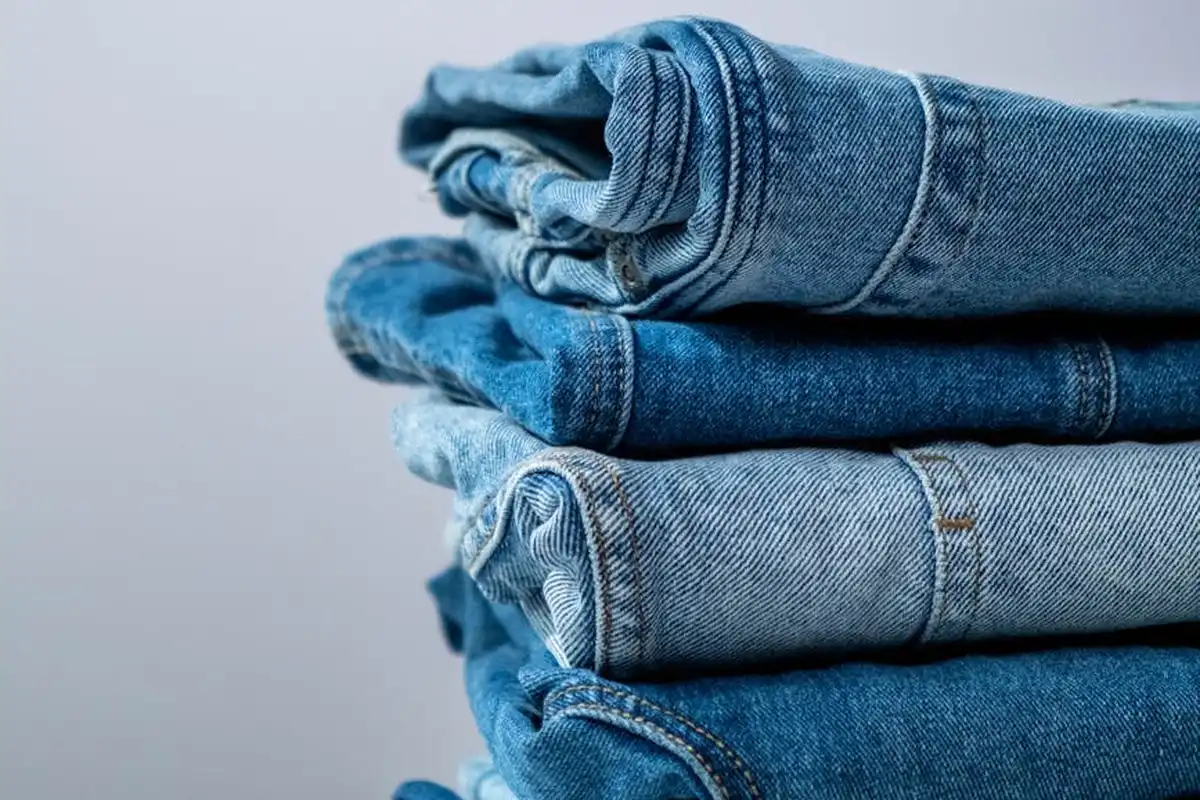
Let’s move from shopping to sewing. Cotton is a joy to work with, but its structure demands a few key considerations. We’ll explore sewing techniques for cotton fabrics, from preshrinking to stitch choices. Small adjustments like needle type and tension can make a big difference.
Pre-Washing: Your Non-Negotiable First Step
That crisp new fabric you just bought is often coated in a temporary finish called sizing, which makes it look and feel stiffer. More importantly, all cottons have a “relaxation shrinkage” potential. Washing removes the sizing and allows the fibers to relax into their permanent state.If you skip this, your finished garment will shrink unpredictably after its first wash, throwing off your perfect fit. I treat every new cotton yardage exactly as I plan to treat the final item: machine wash warm, tumble dry medium. For delicate fabrics like voile, I’ll use a cool wash and air dry.
- Shrinkage can range from 2% to 10%, depending on the weave tightness. A dense canvas shrinks less than a loose flannel.
- After pre-washing, re-measure and re-cut if your pattern requires exact dimensions.
Cutting with Precision
Cotton’s cellulose fibers are strong but can be abrasive. A dull blade will push and tear at the yarns instead of slicing cleanly.Sharp scissors or a fresh rotary blade are essential; they cut the fibers cleanly and minimize fraying along the raw edges. I always test-cut a small scrap first. If I see lots of little threads pulling away, I know my blade needs changing.
Choosing the Right Thread
Thread is a small but critical structural component. While 100% cotton thread is available, I almost never recommend it for garment sewing. Why? Polyester thread is stronger and has minimal shrinkage.Using all-purpose polyester or cotton-wrapped polyester core thread prevents the seam from puckering when the cotton fabric shrinks slightly in the wash. The thread remains stable, holding the seam together without distortion.
Selecting Your Machine Needle
A universal needle (size 80/12) is a fantastic starting point for standard quilting cotton, poplin, or chambray. The needle size should match your fabric weight.
- Lightweight (lawn, voile): Use a smaller 70/10 needle.
- Mid-weight (denim, canvas): Move up to a 90/14.
- Dull needles cause skipped stitches and snags. Change your needle after every 8 hours of sewing, or at the start of every major project.
The Power of Pressing
Pressing is not the same as ironing. Ironing involves sliding the iron back and forth, which can stretch the bias grain of your fabric. Pressing means lifting the iron up and down, setting the seam with heat and steam.Pressing each seam open or to the side as you sew molds the flat fabric into a three-dimensional, professional-looking garment. For most cottons, I use a cotton setting with steam. Test on a scrap first to ensure the heat doesn’t affect any dyes or finishes.
Troubleshooting Common Cotton Fabric Issues
Even the best cotton can present a few challenges. Here’s how to handle the most frequent problems, based on my time testing fabrics in the lab and at home.
How Do I Stop My New Cotton from Shrinking Too Much?
Cotton fibers swell with water and relax, which causes the yarns to contract. Think of it like a loosely coiled spring tightening up. This shrinkage is often permanent because the fibers have rearranged themselves.
The single best thing you can do is pre-wash your fabric before you start sewing. Wash and dry it exactly how you plan to care for the finished item. Most quality cotton will experience its major shrinkage-typically 3% to 5%-in that first cycle.
If you’ve already made something and it shrunk, severe shrinkage is usually irreversible. For minor puckering or tightness, you can try this while the fabric is still damp from washing. To prevent future shrinkage, pre-wash the fabric before cutting and sewing. This simple step helps set the fabric and reduces surprises later.
- Lay the garment flat on a clean towel.
- Gently but firmly stretch it back toward its original shape and dimensions.
- Let it air-dry completely in this position. The heat from a dryer will just set the shrunken state again.
Why is the Color Bleeding, and How Do I Fix It?
Color bleeding happens when excess, unfixed dye rinses out of the fabric. I see this most often with deep reds, navies, and blacks, especially on lower-cost items where the dye process was rushed.
If you see dye in the wash water, act fast to prevent staining other clothes. Immediately remove the bleeding item and rewash everything else alone.
- For future washes, always use cold water and a color-catcher sheet, which traps loose dye particles.
- Wash the problematic item by itself until the water runs clear.
To prevent bleeding on new, vibrant cotton, set the dye before the first wash. Soak the item for 30 minutes in a cold water solution with one cup of white vinegar per gallon of water. The mild acidity helps lock the dye onto the cotton fibers. Rinse in cool water, then wash as usual.
Can I Dye This Cotton Fabric at Home?
Absolutely. Plain, 100% cotton is one of the easiest and most rewarding fabrics to dye. The cellulose fibers grab color beautifully.
For permanent, vibrant results that withstand washing, use fiber-reactive dyes, like those made for tie-dye or batik. These dyes form a chemical bond with the cotton. All-purpose dyes, like Rit, simply coat the fiber and will fade faster.
Blends are trickier. A 50/50 cotton-polyester blend will dye, but the polyester threads stay white, giving you a muted, heather look. If a fabric is more than about 60% polyester, the cotton content is too low to take color well.
Always work in a well-ventilated area, wear gloves and old clothes, and follow the dye manufacturer’s instructions for mixing, temperature, and fixing. Patience here gives you color that lasts.
Beyond Basic Cotton: Understanding Blends and Special Types
Plain cotton is wonderful, but its performance can be transformed when combined with other fibers. I treat fabric blends like a recipe. You start with a good base-cotton-and add other ingredients to improve specific qualities, especially in cotton blend fabrics.
Common Cotton Blends and Their Superpowers
Each blend solves a common problem you might face with 100% cotton.
Cotton-polyester blends are the workhorses of the fabric world, adding wrinkle resistance and boosting durability where plain cotton might wear out. Think of the polyester fibers as a flexible plastic skeleton woven in. They hold the cotton’s shape, reduce creasing, and help the fabric dry faster. A common 60% cotton/40% polyester tee will shrink far less than its all-cotton cousin. There’s growing interest in plant-fiber blends that pair cotton with linen for a cooler, lighter feel. These linen-containing blends—cotton-linen-polyester—show how natural fibers can be mixed to tune texture, breathability, and durability.
Cotton-lycra (or spandex) blends are all about controlled movement, offering just enough stretch for comfort without losing cotton’s breathable feel. The lycra fibers are like tiny springs. They let the fabric expand and then snap back. This is perfect for fitted garments, leggings, or any project where you want ease of movement. The care key here is avoiding high heat, which can degrade the elastic fibers over time.
Cotton-linen blends marry cotton’s softness with linen’s iconic texture and coolness, creating a fabric that is both forgiving and full of character. Linen is stiff and wrinkly on its own. Cotton softens that hand and makes the fabric more drapable right away. The blend will still develop those desirable, casual linen wrinkles, but they’ll be less severe. It’s a great gateway to linen’s look and feel.
Specialty Cottons: Not Your Average Yardage
Sometimes the magic isn’t in a blend, but in how the cotton fiber itself is treated or sourced.
Organic cotton is grown without synthetic pesticides or fertilizers, a choice that benefits soil health and farm ecosystems. From a fabric science perspective, the fiber properties are identical to conventional cotton. You won’t feel a difference in softness or see a change in shrinkage. You’re supporting a different agricultural system. This emphasis on sustainable farming translates into cotton fabric sustainability and eco-friendly options for your wardrobe. It’s a practical choice for eco-conscious fashion.
Mercerized cotton undergoes a chemical bath under tension, which permanently smooths and plumps the fibers for a lustrous sheen and greater strength. This process also makes the fiber more receptive to dye, resulting in richer, more vibrant colors that resist fading. You’ll often see it labeled as “pearl cotton” or in high-quality sewing threads.
Cotton flannel achieves its signature softness through a mechanical brushing process that raises a fuzzy nap on one or both sides of the fabric. This airy nap traps heat, making flannel wonderfully warm. That same nap can shrink and mat if washed in hot water or dried with high heat, so gentle cycles are a must to preserve its loft.
How Blends Change the Care Rules
You cannot care for a blend the same way you would care for each fiber alone. The blend creates a new material with its own rules.
A 50/50 cotton-polyester blend shirt can often handle a medium-heat dryer where 100% cotton would shrink dramatically. The polyester fibers resist contraction. For any blend, always let the most delicate fiber in the mix dictate your care routine. With cotton-lycra, the lycra is the weak link against heat. With a delicate cotton-silk blend, the silk demands gentle detergent and cool water.
Dyeing blends requires extra thought. A cotton-polyester blend needs a two-step process or a special blended-fabric dye to color both fibers evenly. Using all-purpose dye will often result in a heather effect, coloring the cotton but leaving the polyester untouched.
Choosing Your Cotton: A Project-Based Guide
Let your project’s needs lead you to the right type of cotton. I ask myself three questions.
- Is breathability and natural feel the top priority? Choose 100% cotton, linen-cotton, or organic cotton.
- Do you need durability and easy care with minimal ironing? A cotton-polyester blend is the practical choice.
- Does the design require stretch and recovery for comfort? Seek out a cotton-lycra (spandex) jersey or knit.
The right fabric isn’t about what’s “best,” but what’s best for the life you plan for the finished piece. A crisp, mercerized cotton for a structured shirt, a cozy brushed flannel for pajamas, a resilient blend for kids’ play clothes-each specialty or blend exists to solve a real problem for makers and wearers.
Final Stitches: Building Your Fabric Knowledge
The most reliable step you can take is always to pre-wash your cotton yardage. Submerge it in the same water temperature and use the same drying method you plan for the final project. This simple act accounts for the fabric’s finish and inherent properties, locking your dimensions in place before you ever make a cut.
Treating your fabrics with care based on their fiber science is the most direct path to a sustainable wardrobe. A well-cared-for garment lasts for years. Let every care label and washing mishap teach you more about the unique language of wool, silk, polyester, and their blends.
Industry References
- Cotton Fabric Online By The Yard | Fabric Wholesale Direct
- Cotton Fabric – Fabric Mart
- YourCotton – Cotton and Flannel Fabric by the Yard
Written by Florian Ventura. Florian is a high fashion blog writer, fashion and fabric expert and a keen expert in fabric, clothing and materials. She has worked in large textile and fashion houses for over 10+ years, engineering and working with various fabric types and blends. She is an expert when it comes to questions on any and all kinds of fabrics like linen, cotton, silk, jute and many more. She has also traveled around the world studying traditional fabrics and aims to bring them into the modern fashion use.