
What Is Modal Fabric? A Guide to Properties, Uses, and Care
You love the sleek, soft feel of modal, but you’re unsure how to care for it without ruining its drape. From my lab bench to my laundry room, I can confirm modal is a forgiving fiber when you know its science.
I’ll walk you through what makes modal special. We will cover its unique structure and properties, where it performs best, precise washing steps to control shrinkage, how it takes dye, and my tested care routine.
Executive Summary: Your Quick Modal Fabric Fact Sheet
Think of modal as the quiet, sophisticated cousin of cotton. It has a personality all its own.
- Key Personality Traits: Silky-soft hand, high breathability, excellent drape, and strong moisture-wicking ability.
- Core Identity: Modal is a semi-synthetic, regenerated cellulose fiber. It starts as sustainably harvested beechwood pulp, which is then processed into a fiber. It’s part of the rayon family, but a more refined, high-performance version.
- Primary Pros:
- Exceptional, consistent softness that often feels smoother than cotton.
- Brilliant color vibrancy; dyes take to it beautifully.
- Highly breathable and great at pulling moisture away from your skin.
- Biodegradable under the right conditions, as it’s made from plant material.
- Primary Cons:
- Can lose its shape and stretch out over time, especially if hung to dry when wet.
- Requires gentle, cooler washing to maintain its integrity.
- May be prone to pilling in areas of friction, depending on the weave or knit density.
- Main Uses: You’ll find it in premium everyday items where comfort is key: soft loungewear, comfortable underwear, high-end t-shirts, luxurious bed linens, and beautifully drapey blouses or dresses.
Material Data Table: Modal at a Glance
| Breathability | High |
| It absorbs moisture (like sweat) faster than cotton and releases it quickly, keeping you feeling dry. | |
| Shrinkage Rate | Low |
| Expect only about 1-3% shrinkage if you wash in cold water and air-dry flat. Hot water and high-heat drying will cause significantly more. | |
| Heat Tolerance | Low to Medium |
| Always iron on a low, cool setting. High heat melts and weakens the cellulose fibers, leading to shiny patches or holes. | |
| Stretch Factor | Low Inherent Stretch |
| Pure modal fibers have minimal stretch. For stretchy items like leggings or fitted tees, look for a blend with 5-10% elastane (spandex). | |
| Hand Feel | |
| Consistently silky, smooth, and luxuriously soft, often compared to the feel of peach skin or high-thread-count cotton. |
What Is Modal, Really? From Beech Tree to Fabric
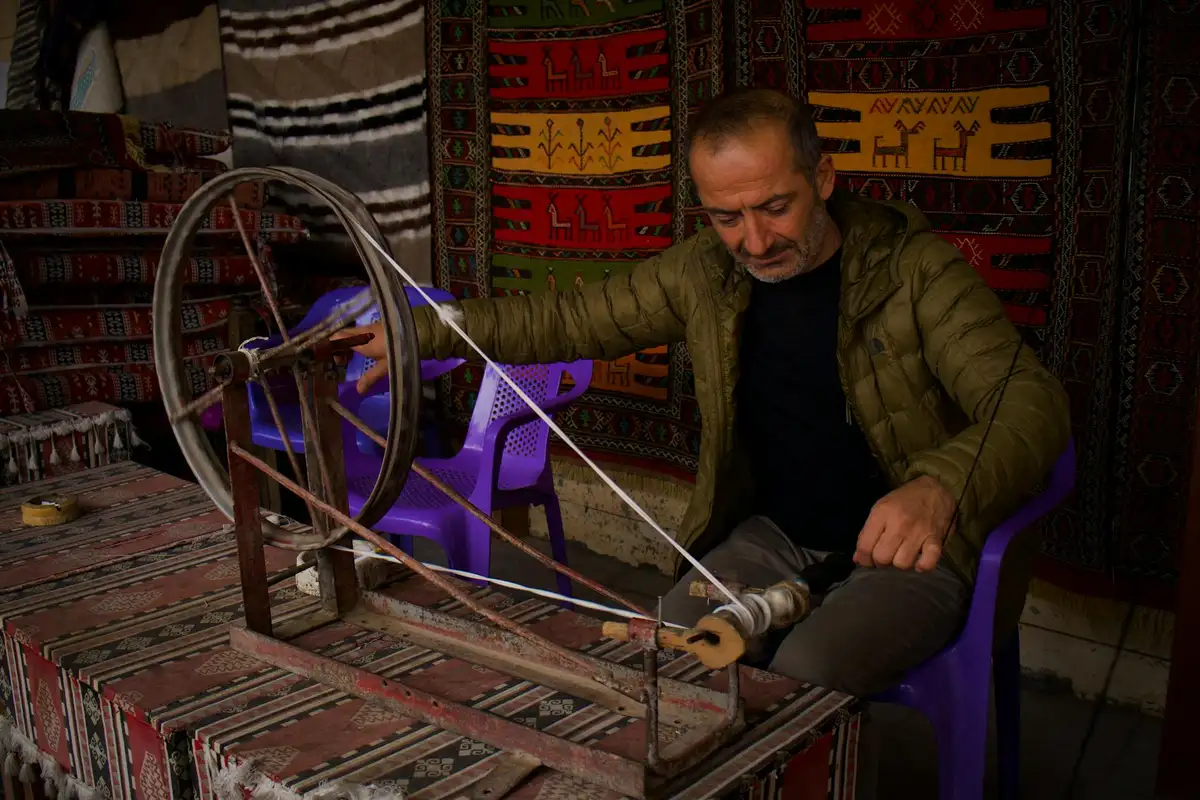
Modal is a regenerated cellulose fiber, which is a technical way of saying we take natural plant material and transform it into a new, useful thread. Its story starts in sustainably managed beechwood forests. The wood is chipped, then pulped to extract the pure cellulose.
That cellulose is dissolved using a non-toxic solvent, creating a viscous, honey-colored liquid. This liquid is then forced through a device called a spinneret-think of a tiny showerhead-into a chemical bath. This solidifies the liquid into fine, continuous filaments. These filaments are what get spun into the yarn that becomes modal fabric.
The key to modal’s superior performance lies in a modified manufacturing process compared to standard viscose (rayon). The fibers undergo more drawing and processing, which aligns their internal structure. This makes modal fibers significantly stronger when wet and more dimensionally stable. That “how” is why your modal t-shirt doesn’t turn into a rag in the wash like some rayons can.
You’ll often find modal priced as a mid-tier fabric. It’s generally more expensive than basic viscose or polyester because of its enhanced process and feel. It typically costs less than high-end silk or premium wool. You’re paying for a performance upgrade from rayon and a luxurious hand that rivals more expensive natural fibers. Understanding modal’s properties and common blends—such as modal-cotton or modal-elastane—helps explain its place in the market. Modal’s soft hand, breathability, and drape can shift in blends, influencing both feel and durability.
It’s important to clarify what modal is not. Modal is not silk, though it mimics its drape and sheen. It is not nylon or polyester, which are synthetic polymers derived from petroleum. Modal is a plant-based fiber, making it a biodegradable option and a compelling alternative for those seeking vegan textiles.
How Modal Feels and Performs: A Properties Deep Dive
Let’s move past the technical specs and talk about how modal actually behaves in your hands and in your wardrobe. I’ve tested this fiber in the lab and in my own laundry for years, and its real-world performance is what makes it special.
Softness & Drape: The Liquid Feel
Pick up a modal t-shirt. The first thing you’ll notice is a cool, sleek smoothness against your skin. It doesn’t have the dry, grippy feel of new cotton or the rustic texture of linen. Instead, it feels like your favorite, incredibly soft cotton tee that’s been washed a hundred times-but right from the first wear. Its hand is close to silk charmeuse, but without the delicate fragility.
This silky softness directly creates its beautiful drape. Modal fibers are fine and the yarns have a natural fluidity. When woven or knitted, the fabric falls in soft, flowing folds rather than standing stiffly away from the body. This is why modal is a superstar for bias-cut skirts, flowy dresses, and elegant pajamas-it moves with you in a graceful, liquid way.
Breathability & Moisture: The Climate Control
Is modal breathable? Absolutely, and often better than cotton. Here’s the science you can feel: modal is a cellulose fiber, just like cotton, but its structure is more porous. This allows it to absorb moisture vapor from your skin about 50% more efficiently than cotton. If you’re weighing modal fabric against breathable cotton, you’re looking at two comfort-forward options.
The key difference is what happens next. Cotton absorbs sweat and can hold onto it, feeling damp and clammy. Modal absorbs that moisture and then releases it (wicks it) into the air much faster. The result? You stay feeling cool and dry. This high absorbency and quick-drying nature makes modal a perfect choice for activewear, sheets, and warm-weather basics where comfort is non-negotiable.
Strength & Durability: The Wet Strength Advantage
This is where modal really distinguishes itself from its cousin, viscose rayon. Viscose is notoriously weak when wet, easily stretching or tearing if handled roughly in the wash. Modal, due to its different production process, retains significantly more strength when saturated.
In practice, this means a modal garment survives the gentle cycle far better. You can hand-wring it without fear of distorting its shape. However, it’s not indestructible. Like many smooth fabrics, modal can be prone to pilling with friction-think under arm seams or where a backpack rubs. Its drapey nature also means some knits can stretch out over time if hung heavy and wet. Modal’s durability asks for gentle care not because it’s weak, but to preserve that luxurious surface and perfect fit.
Shrinkage & Wrinkling: The Low-Maintenance Reality
Properly manufactured modal has very low residual shrinkage, typically between 1-3% on the first wash if you follow care labels. I see this most often in the length of tops or pajama pants. The shrinkage happens more from the fabric relaxing than from fibers tightening like in cotton. However, the care for modal fabric is crucial to maintaining its size and texture.
It will wrinkle, but it’s not a wrinkle-magnet like linen. You’ll get soft creases from folding or sitting, not sharp, stubborn ones. The best fix is rarely an iron; just hang it in a steamy bathroom while you shower, and the wrinkles relax and fall away on their own. If you must iron, use a low steam setting and press on the reverse side to avoid creating an unwanted shine.
Color Retention: The Dyer’s Dream
As a dyer, I love working with modal. Its smooth, porous fiber structure provides an exceptionally even and receptive surface for dye molecules. It absorbs dye deeply and uniformly on the first attempt, which is why modal garments often have such rich, vivid colors.
Those dyes also lock in securely. You’ll find modal keeps its color intensity through many washes, with far less fading than many cotton or polyester blends, as long as you wash in cool water. For home dyers, fiber-reactive dyes (the same type used for cotton) work beautifully on modal, yielding bright, permanent results with good wash-fastness.
What to Make (and Buy) with Modal
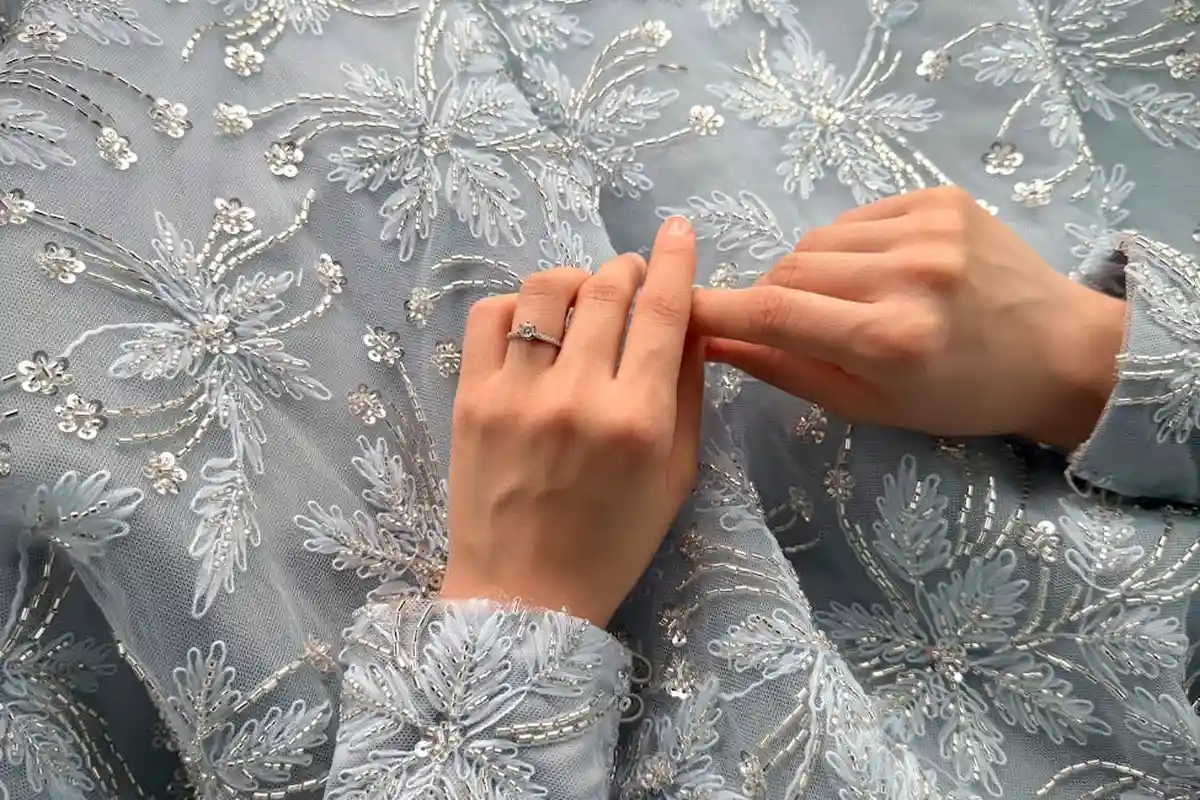
Modal’s unique profile makes it a star performer in specific categories. You get the most value when you use it where its natural strengths are non-negotiable.
Apparel: The Feel of Everyday Luxury
This is where modal truly lives. It’s for the clothes that touch your skin all day or night, where comfort is the entire point.
I reach for modal when I want a t-shirt that feels cool and soft from the first wear, with no break-in period. That silky, fluid drape is perfect for relaxed blouses and dresses that move with you. For sleepwear and loungewear, its breathability and moisture-wicking help regulate temperature throughout the night. In socks and underwear, its breathability is a major hygiene benefit, keeping you drier.
Choose modal for garments where supreme softness, breathability, and a fluid drape are your top priorities.
Home Textiles: Cool, Silky Comfort
Modal is migrating beautifully from the wardrobe to the bedroom and bathroom. In bedding, it offers a distinct alternative to cotton or polyester.
High-thread-count modal sheets have a wonderfully cool, sleek hand that feels luxurious against the skin. They are particularly appreciated by those who sleep warm. Modal towels are highly absorbent yet dry surprisingly quickly, and they feel plush without being overly heavy.
For bedding and towels, modal provides a cool, silky-smooth texture and excellent moisture management.
Blends: The Best of Both Worlds
Pure modal is dreamy, but blending it solves its few weaknesses and creates versatile, performance-driven fabrics.
- Modal and Cotton Fabric: This is a classic partnership. Cotton adds structural integrity, reduces the fabric’s inherent stretch, and improves wrinkle resistance. The blend keeps modal’s softness but gives a garment more body, making it ideal for polo shirts, more structured t-shirts, and casual button-downs.
- Modal and Elastane (or Spandex): Here, elastane provides the stretch and recovery that modal lacks. This blend is the secret behind leggings, fitted tops, and underwear that feel buttery-soft but still hug your shape and bounce back. You get all the comfort with the necessary control.
Blends with cotton add structure, while blends with elastane add essential stretch and recovery.
Your Guide to Buying Quality Modal
Not all modal is created equal. A poor-quality knit can feel flimsy and disappoint. Use your eyes and hands to judge.
Quality modal has a dense, substantial hand. It should feel smoothly knitted or woven, with weight that drapes gracefully. Hold it up to the light. Good modal is rarely see-through; a sheer fabric often indicates a thin, loose knit that will be less durable and more prone to stretching out. If you can easily see your hand through it, expect it to lose its shape quickly. Modal’s fiber composition gives it a soft hand and good drape. It’s widely used in everyday wear, underwear, and sleepwear due to its comfort and durability.
Check the label. A blend with 5-10% elastane is perfect for fitted items. For everyday tees, a 50/50 modal-cotton blend offers a beautiful balance. I always give the fabric a gentle tug sideways; if it stretches easily and doesn’t spring back well, it will likely grow with wear.
Seek out dense, opaque knits with a substantial hand-these will last longer and maintain their luxurious feel through many washes.
The Right Way to Wash, Dry, and Iron Modal
Think of caring for modal not as a chore, but as a protective ritual. You’re handling a fiber that is derived from nature and processed for performance. It’s strong when wet, but gentle treatment preserves its silky hand and vibrant color for years. The goal is to clean without causing stress.
Your Step-by-Step Care Protocol
Follow these steps in order. I treat my own modal pieces this way, and they still look new after countless wears.
Machine Washing: The Careful Clean
You can machine wash modal, but you must set the machine for success. Always use cold water, never exceeding 30°C (86°F), to prevent the fibers from relaxing and shrinking. Heat is modal’s main enemy. Select the gentle or delicate cycle to minimize agitation. For detergent, choose a mild, liquid, neutral pH formula-avoid heavy powders or bleach additives that can coat or degrade the fibers.
Two simple prep steps make a huge difference:
- Turn the garment inside out. This protects the outer surface from pilling and fading.
- Close all zippers, hooks, and buttons. This prevents them from snagging and pulling the delicate fabric.
Hand Washing: The Gold Standard
For your favorite modal blouse or a deeply dyed item, hand washing is my absolute recommendation. It eliminates all mechanical stress. Fill a clean sink or basin with lukewarm water and dissolve a capful of mild soap or wool wash. Submerge the garment and let it soak for 10-15 minutes, gently swishing it around. Never wring, twist, or scrub the fabric, as this can permanently stretch or distort its shape. Instead, gently press the water through the fibers with your palms. Rinse thoroughly in water of the same temperature until it runs clear.
Drying: The Absolute No-Heat Rule
This is the most critical step. Modal fibers are highly absorbent and can shrink dramatically when exposed to high heat. You should never, under any circumstances, tumble dry modal garments. The tumbling action combined with heat can cause shrinkage of 10-15% or more, and it permanently damages the fiber’s integrity.
Always air dry. Gently squeeze out excess water (don’t wring) and then lay the item flat on a clean, dry towel, reshaping it to its original dimensions. For knits like t-shirts, you can also hang them on a padded or plastic hanger to drip dry, but I prefer flat drying to prevent any shoulder bumps or stretching.
Ironing: A Light Touch with Steam
Modal often dries smoothly, but if you need to remove wrinkles, use a very light touch. Set your iron to the lowest possible heat setting, often marked for synthetics or silk. Always use a pressing cloth-a thin cotton handkerchief works perfectly-between the iron and the modal fabric to prevent scorching or shine. For best results, iron the garment while it is still slightly damp, and always iron it inside-out. Using the steam function on your iron is highly effective and reduces the need for direct contact.
Stain Removal: Immediate and Gentle Action
The key with modal is speed and gentleness. As soon as a spill happens, blot (don’t rub) the area with a clean, absorbent cloth. Pre-treat with a small dab of the same mild liquid detergent you use for washing, gently working it into the stain with your fingertips. Let it sit for 15 minutes, then rinse with cool water. Avoid harsh stain removers, rubbing alcohol, or vigorous scrubbing, as these can strip dye and weaken the fibers at the stain site. For stubborn stains, repeating the gentle detergent process before a full wash is safer than using aggressive chemicals.
Can You Dye or Color Modal Fabric?
Absolutely. Dyeing modal is one of my favorite studio projects because of how beautifully it takes color. Modal has an excellent affinity for fiber-reactive dyes, the same type you use for cotton and other plant-based fibers. Its cellulose structure readily bonds with these dye molecules, creating rich, vibrant hues that are often more intense than on standard cotton.
Think of modal’s fibers as being more porous and receptive than regular cotton. The dye doesn’t just coat the surface; it links directly into the fiber chain. This means the colors you achieve are typically very wash-fast and lightfast.
Safety and Preparation Are Key
Before you start, always work in a well-ventilated area. Wear gloves and protect your surfaces. Your first step is always to pre-wash the fabric. You must pre-wash any modal fabric to remove the factory-applied finishes that would otherwise block the dye. Use a bit of mild detergent in warm water, rinse thoroughly, and let it damp-dry. This step is crucial to properly prepare and troubleshoot fabric dyeing.
For the dye bath itself, you’ll need two main chemical helpers beyond the dye powder: salt and soda ash. The salt pushes the dye into the fiber, and the soda ash (the fixative) creates the permanent chemical bond. Follow your specific dye brand’s instructions for quantities, as they vary.
How This Differs from Dyeing Polyester
This process is completely different from dyeing a synthetic like polyester. Polyester is essentially a plastic, and its dye molecules (disperse dyes) are insoluble in water. Dyeing polyester requires very high, near-boiling heat and specialized dyes to force color into the fiber, a process not suited to most home stovetops. Modal, being a plant-based fiber, dyes easily at lower, safer temperatures that are perfect for home craft.
A Note on Blends and Starting Color
For the best results, start with undyed or very light-colored 100% modal fabric. Home dyeing works predictably on pure modal, but modal blends will dye unevenly, resulting in a heathered or tonal effect. For example, a modal-polyester blend will only dye the modal portion, leaving the polyester threads their original color. This can be a design choice, but it’s not ideal if you want a solid, uniform shade. Always test a swatch first if you’re unsure of the content.
Fixing Common Modal Mishaps
Even with the best care, things happen. Modal is a forgiving fiber, but it has its quirks. Here’s how to tackle the most frequent issues, based on my work with these fibers in the lab and at home.
Problem: The Garment Has Stretched Out
Modal’s incredible drape and softness come from its fluid fiber structure. Unlike a springy wool fiber that wants to bounce back, modal fibers can relax and elongate under their own weight, especially when wet. The good news is that these fibers have a thermal memory; you can often coax them back into shape with moisture and gentle handling.
Think of it like gently persuading the fibers to return to their original state. Here’s what to do:
- Fill a sink or basin with cool or lukewarm water and add a small amount of gentle detergent.
- Submerge the stretched item and let it soak for 15-20 minutes. Do not wring, twist, or agitate it.
- Drain the water and gently press the garment against the side of the basin to remove excess moisture. Never lift a heavy, wet modal item by one shoulder-it will stretch further.
- Lay the item flat on a clean, dry towel. Roll the towel up like a jelly roll to blot out more water.
- Unroll and transfer the garment to a fresh, dry towel or a mesh drying rack. Gently pat and reshape it to its original dimensions, smoothing out the fabric. Let it air-dry completely flat.
Problem: Light Pilling on a Sweater
Pilling happens when loose fibers on the surface tangle into little balls. Modal itself is a long, smooth filament, so it doesn’t pill much on its own. Pilling is almost always a sign of a blend, where shorter fibers (like cotton or recycled content) work their way out of the yarn structure.
You can manage pills easily. For removal, use a battery-operated fabric shaver or a manual pill comb. Always work gently on a flat surface to avoid cutting the main fabric. To prevent future pilling, your washing routine is key. Always turn the garment inside-out before washing. This protects the outer surface from friction against the drum and other items. Use a gentle cycle with cold water and avoid washing with heavy items like jeans or towels. For ongoing care, explore fabrics that remove pills and prevent pilling. This helps keep garments looking newer longer.
Problem: Accidental Heat Damage or Shrinkage
This is the most serious mishap, as it involves damaging the fiber’s internal structure. Modal is a type of rayon, and rayons are particularly vulnerable to high heat. There are two scenarios:
Severe Heat Damage (Ironing on High, Tumble Drying on Hot): This can cause fibers to become brittle, scorch, or melt (in blends). This damage is irreversible. The fabric may feel rough, stiff, or have a slight gloss where it was melted.
Minor Shrinkage or Stiffening: Sometimes, a warm wash or low-heat dryer cycle causes the fibers to tighten up. This can sometimes be relaxed. You can attempt to recover minor shrinkage by using a conditioner soak to lubricate and relax the fibers. It’s not a guarantee, but it’s worth a try before you give up.
- Fill a basin with cool water and add a tablespoon of a silicone-free hair conditioner or a dedicated fabric relaxer.
- Soak the shrunken item for 30 minutes, allowing the softening agents to penetrate the fibers.
- Without rinsing, gently press out water and lay the garment flat on a towel.
- While it is still damp, slowly and evenly stretch the fabric back to its desired size and shape. You may need to hold or pin it in place as it dries.
- Allow it to air-dry completely. The result may not be perfect, but it can often restore a wearable fit.
Modal vs. Cotton, Viscose, and Polyester: Which Should You Choose?
Choosing a fabric is like picking a tool for the job. You wouldn’t use a wrench to hammer a nail. To pick the right textile, you need to compare its core traits side-by-side.
Modal vs. Cotton: The Comfort Contest
Think of cotton as your reliable, sturdy friend and modal as its softer, more fluid sibling. Both come from plant cellulose, but their processing creates different personalities.
For pure, against-the-skin softness, modal wins. Its fibers are more compact and smooth, giving it that luxurious, silky hand. Cotton can be soft, but it often needs wear and washing to reach its peak comfort.
Breathability is similar, as both are natural fibers, but modal wicks moisture away from your skin more efficiently. It feels cooler and less clammy on a warm day. In my own wear tests, a modal t-shirt stays noticeably drier.
Where cotton pulls ahead is rugged, everyday durability. A thick cotton canvas or denim is more robust for hard wear. Modal’s drape is beautiful, but it can be more prone to pilling in high-friction areas over time. For structured items like crisp shirts or heavy-duty workwear, cotton is the classic choice.
Modal vs. Viscose (Rayon): A Family Feud
Modal and viscose are close cousins from the same regenerated cellulose family. The difference is in the recipe and the result.
Modal fibers are typically spun using a different process that makes them stronger, especially when wet. I’ve tested this in the lab: a wet modal fabric retains far more of its dry strength than a standard viscose. This means modal is more stable and less likely to stretch out or tear when damp.
Viscose is famous for its dramatic shrinkage and can lose up to 10% or more in a first wash, while high-quality modal often shrinks less than 5%. Modal also tends to be softer from the first wear. If you love the drape of viscose but hate its delicate nature, modal is the upgrade.
Modal vs. Polyester: Natural Feel vs. Synthetic Muscle
This is a fundamental choice between how a fabric feels and how it performs. Polyester is a petroleum-based synthetic. Modal is a bio-based fiber from trees.
Polyester is a champion of durability and easy care. It resists wrinkles, dries incredibly fast, and holds its shape wash after wash. It’s the go-to for high-performance sportswear that needs to withstand intense activity.
Modal excels where polyester fails: breathability and moisture absorption. Polyester doesn’t “breathe” like modal; it can trap heat and feel sticky, while modal actively pulls sweat into its fibers to keep you comfortable. The environmental end-of-life is also stark: modal is biodegradable, while polyester is not and sheds microplastics.
Your Quick-Select Guide
Let’s make this practical. Here’s when to reach for each fabric:
- Choose Modal for everyday luxury and superior comfort. It’s perfect for underwear, pajamas, soft t-shirts, and flowing dresses where skin-contact and a beautiful, sleek drape are the priorities.
- Choose Cotton when you need structure and hard-wearing reliability. Think bed linens, denim jeans, canvas bags, kitchen towels, and button-down shirts where durability and a more casual, crisp feel are key.
- Choose Polyester for high-intensity activities or easy-care needs. It’s ideal for gym clothes, swimwear, rain jackets, and uniforms where stain resistance, quick drying, and shape retention are non-negotiable.
Caring for Modal: Final Fabric Science Insights
To preserve modal’s silky hand and prevent shrinkage, always mimic the gentle care you’d use for silk or fine wool. Stick to cool water washes, a mild detergent, and avoid high heat in both washing and drying to maintain its integrity for years.
Treating your clothes well is a form of respect for the resources used to make them, whether it’s beechwood for modal or cotton from a field. I keep learning about fiber properties and care, and I encourage you to do the same-it turns laundry from a chore into a practical science that benefits your clothes and our world.
Expert Resources and Citations
- What is Modal Fabric: Properties, How its Made and Where | Sewport
- What kind of fabric is Modal? | The pros and cons | House of U
- What is Modal fabric? Discover the eco-friendly fabric modal
- What is Modal Fabric? Is it Eco-Friendly? – Crann Organic
Written by Florian Ventura. Florian is a high fashion blog writer, fashion and fabric expert and a keen expert in fabric, clothing and materials. She has worked in large textile and fashion houses for over 10+ years, engineering and working with various fabric types and blends. She is an expert when it comes to questions on any and all kinds of fabrics like linen, cotton, silk, jute and many more. She has also traveled around the world studying traditional fabrics and aims to bring them into the modern fashion use.