
Can You Dye Corduroy, Chiffon, Knits, and Specialty Fabrics at Home?
Worried about dyeing corduroy’s ridges or chiffon’s sheer weave without causing damage? I test dyes in my lab weekly, and the secret is treating each fabric’s unique structure with respect from the start.
We will cover identifying fiber content, pre-washing to control shrinkage, selecting dyes for cellulose, protein, or synthetic fibers, and adapting methods for texture and weight.
What Makes a Fabric Easy or Hard to Dye?
Think of a fabric’s fiber as its personality. That personality decides what kind of dye it will be friends with. It all comes down to chemistry at a level you can’t see.
Natural fibers like cotton and linen (from plants) and silk and wool (from animals) have molecular structures that are open and willing to bond. Plant fibers are like thirsty plants, ready to soak up and chemically lock in dyes made for them, called fiber-reactive or all-purpose dyes. Protein fibers from animals have a different chemical charge; they form a perfect bond with acid dyes, which require a mild acidic environment like vinegar to set.
Synthetic fibers like polyester and nylon are a different story. They are essentially spun plastic, with a smooth, closed-off molecular structure. You cannot dye polyester with the same dyes you use for cotton; it requires specialized disperse dyes that work under high heat to force dye particles into the fiber. This answers a common question: yes, you can dye synthetic fabric, but you must use the correct dye and method, often involving simmering water.
And yes, you can dye silk fabric beautifully. It takes acid dyes exceptionally well, resulting in luminous, rich colors. Always use gentle heat and handle wet silk with care to avoid damage.
Fabric construction changes the game too. Imagine a tightly woven cotton canvas and a gauzy cotton chiffon. They are the same fiber, but they dye differently. The dense canvas will drink up dye slowly and can look darker. The sheer chiffon dyes quickly and can appear more vibrant initially, but it might not hold the dye as deeply. Knits and textured weaves like corduroy can trap dye unevenly in their ribs or loops, requiring more agitation for an even result.
The Non-Negotiable Prep: Washing, Testing, and Setting Expectations
If you skip this stage, your dye job will fail. This is where I see most home dyers get frustrated. Let’s get it right from the start.
First, you must pre-wash your fabric. This removes factory sizing, oils, and finishes that act as a dye-repellent barrier.
- Use the hottest water the fabric care label allows.
- Wash with a plain detergent. Do not use fabric softener or dryer sheets.
- Agitate it well in the machine or by hand. For delicate chiffon or silk, use a gentle cycle or hand-wash.
- Dry the fabric completely. You need it bone-dry for the next steps.
Next, confirm what you’re working with. If there’s no label, do a burn test.
- Snip a small swatch from a hidden area (like a seam allowance).
- Hold it with tweezers over a sink and light it with a match.
- Cotton/Linen burns quickly with a yellow flame, smells like burning paper, and leaves soft gray ash.
- Wool/Silk burns slowly, may sputter, smells like burning hair, and leaves a crushable black bead.
- Polyester/Nylon melts and burns, smells acrid or sweet, and leaves a hard, dark plastic bead.
Now, test for colorfastness. This prevents your original color from bleeding and ruining your new dye.
Take a white cotton swab, dampen it with hot water, and press it firmly on a hidden seam or inside hem for 30 seconds. If any color transfers to the swab, the fabric is not colorfast. Dyeing over it will lead to muddy, unpredictable colors.
Weigh your dry, clean fabric on a kitchen scale. Every commercial dye recipe is based on the weight of the dry fabric, so this step is non-negotiable for matching color. Write this number down.
Finally, integrate pre-shrinking. That pre-wash you did? That was step one. For cottons, linens, and especially knits, you must expect and allow for shrinkage before you cut or dye. A cotton knit can shrink 5-8% lengthwise in its first hot wash. By washing and drying it first, you get that shrinkage out of the way, so your beautifully dyed garment keeps its shape.
Your Home Dyeing Toolkit and Safety Setup
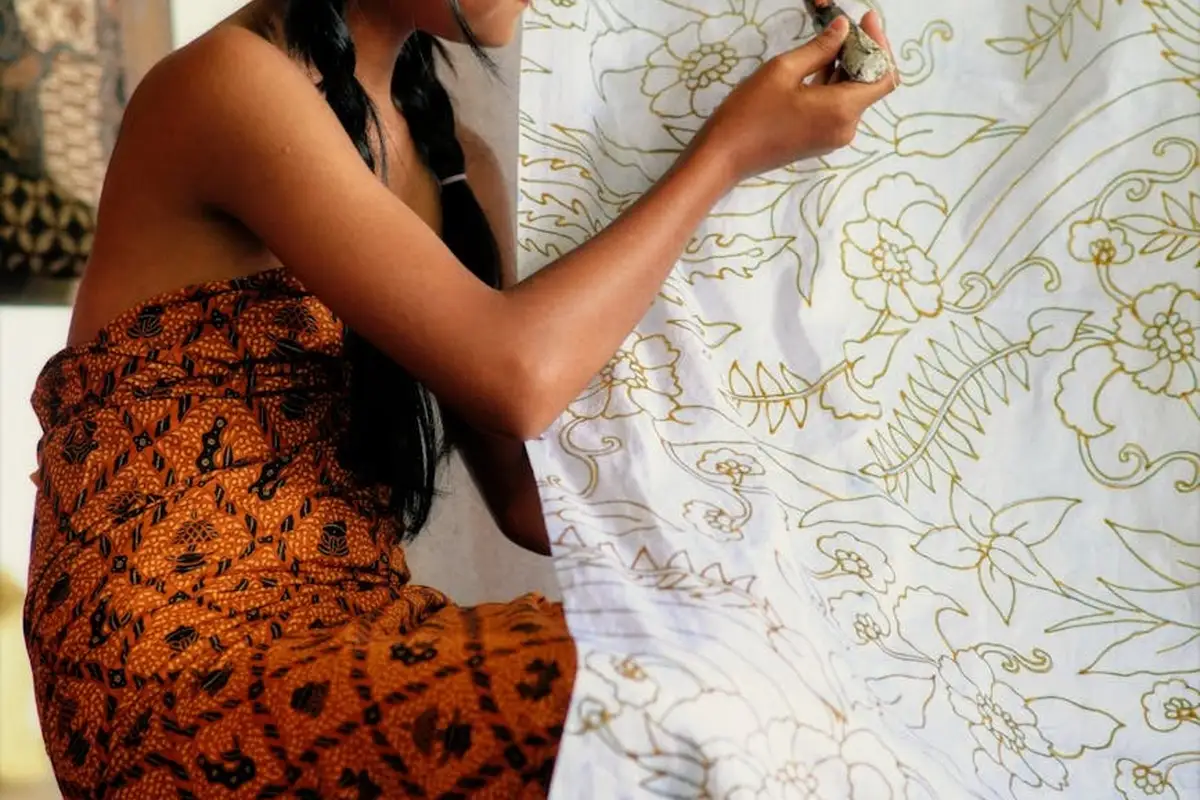
Before you touch any dye, get your workspace ready. A good setup prevents messes and keeps you safe.
Essential Equipment You’ll Need
You don’t need a professional lab, but you do need dedicated tools. Here is your non-negotiable list:
- A dedicated stainless steel pot: I reserve one large pot solely for dyeing natural fibers like cotton and silk. Once you use a pot for dye, never cook food in it again.
- A separate vessel for synthetics: For dyeing polyester or nylon with disperse dyes, you must use a pot you can throw away or a large disposable aluminum turkey pan. These dyes can leave a permanent residue.
- Long tongs or a stainless steel spoon: For moving fabric in the hot dye bath. Wooden spoons absorb dye and are ruined.
- Rubber gloves: The thick kind for washing dishes. They protect your skin from hot water and dye stains.
- A reliable thermometer: Temperature control is critical. Acid dyes for wool need a steady simmer, while fiber-reactive dyes for cotton work best warm.
- Workspace protection: Cover your counter or table with a plastic drop cloth or several layers of old newspaper. Have rags or paper towels ready for spills.
Having the right tools for the job is the first step to predictable, successful dyeing.
Choosing the Right Dye for the Fiber
Dyes are like keys, and fibers are like locks. You need the right match for the color to stick. Here’s how home dyes break down:
- All-Purpose Dyes (like Rit DyeMore): These are a chemical cocktail designed to work on many fibers at once, including blends. They are convenient but often produce less vibrant, less wash-fast colors on natural fibers compared to specialized dyes.
- Fiber-Reactive Dyes (like Procion MX): These are my go-to for plant fibers like cotton, linen, and rayon (including corduroy). They form a permanent chemical bond with the fiber. You get brilliant, colorfast hues that stand up to repeated washing. They require a fixative like soda ash.
- Acid Dyes: These are for protein fibers. Use them on wool, silk, and nylon. The dye bonds to the fiber in a warm, acidic environment (using vinegar or citric acid). They yield stunning, rich colors on these materials.
- Disperse Dyes: This is the only dye that works on synthetic polyester. It requires sustained high heat (near boiling) to work. Chiffon made from polyester must be dyed with this type. You cannot dye polyester with all-purpose, fiber-reactive, or acid dyes.
Non-Negotiable Safety Practices
Respect the chemicals, even the mild ones. Safety is not optional.
Always work in a well-ventilated area. Open windows or turn on an exhaust fan. Dye particles and steam are not for breathing.
Wear those rubber gloves and an old apron or shirt. I keep a box of gloves right with my dye supplies so I never skip them.
The rule for pots is absolute: your dye pots are for dye only. Mark them clearly with permanent marker. For disperse dyes on polyester, I strongly recommend cheap, disposable pans you can recycle after. The risk of contaminating your kitchen is too high.
When NOT to Dye: A Simple Risk Assessment
Some fabrics will ruin your project or create hazards. If your garment falls into these categories, put the dye bottle down and avoid using fabric dyes that could be harmful.
- Fabrics with coatings or finishes: Waterproof jackets, stain-resistant trousers, or anything with a plasticky feel. The dye cannot penetrate the coating.
- Garments of unknown or complex blends: If the care tag is missing or says “mystery fiber,” skip it. Different fibers in a blend dye at different rates, often resulting in a murky, uneven color.
- Leather, suede, or fur trims: These require specialized leather dyes and processes. A water-based dye bath will damage them.
- Items with acetate linings: Acetate is a delicate fiber that can melt or distort in hot dye baths. It also dyes poorly with home kits.
- Dry-clean only items (unless you know the fiber): The “dry clean only” label often signals a fabric that shrinks dramatically or distorts in water. Proceed only if you’ve identified a safe fiber like silk and accept the risk.
Starting with a suitable, well-understood fabric is more important than any dye technique. It saves you time, money, and frustration. Understanding dye permanence early helps you predict how long the color will last. That guides your fabric choice.
Dyeing Delicate Sheers: Chiffon, Organza, and Mesh
Yes, you can dye chiffon, organza, and mesh. The success hinges entirely on their fiber content and your handling technique. These fabrics are beautiful tests of patience.
Chiffon, organza, and fine mesh share a family of challenging traits. They are incredibly lightweight and woven with a very open, loose structure. This makes them prone to snagging on anything rough, like a fingernail or a pot’s rim. When wet, they lose all body and become a tangled, limp noodle that’s easy to tear. Silk versions of these fabrics dye brilliantly with fiber-reactive or acid dyes, while polyester types require disperse dyes and sustained high heat, which can damage their delicate hand.
Your goal is a gentle, even soak with zero agitation. Here is my lab-tested protocol for silk sheers.
- Test a swatch first. Always.
- Fill a large, spotless stockpot with enough hot water (about 105°F / 40°C) for the fabric to move freely.
- Pre-dissolve your acid dye or fiber-reactive dye in a cup of hot water, then stir it into the pot.
- Wet your fabric thoroughly in plain warm water first. Gently lower it into the dye bath, supporting its full weight with your hands.
- Use a smooth, stainless steel spoon to push the fabric down, ensuring it’s fully submerged. Then, walk away. Do not stir, poke, or agitate for the full 30-45 minute dye time. Heat is not needed for silk with acid dyes; it sets the color.
- To rinse, carefully lift the fabric and transfer it to a basin of cool water. Let the dye water flow out; don’t wring or swirl.
Managing the wet drape is the real secret. I treat the wet fabric like a valuable watercolor painting. I transfer it from bath to rinse basin by draping it over my open hand and forearm, letting it flow without pulling. To hang dry, I use a plastic hanger and drape the fabric evenly over it, smoothing out major folds by hand. Supporting the full, wet weight prevents the fabric from stretching and tearing under its own soggy mass.
A critical warning: do not attempt to dye any sheer fabric with metallic threads, glued-on sequins, or plastic-based embellishments. The metallic coating will not take dye and often corrodes, while the adhesive melts in hot dye baths, creating a gummy, ruined mess. The dye process is for the textile fibers alone.
Dyeing Pile and Plush Fabrics: Corduroy, Velvet, and Faux Fur
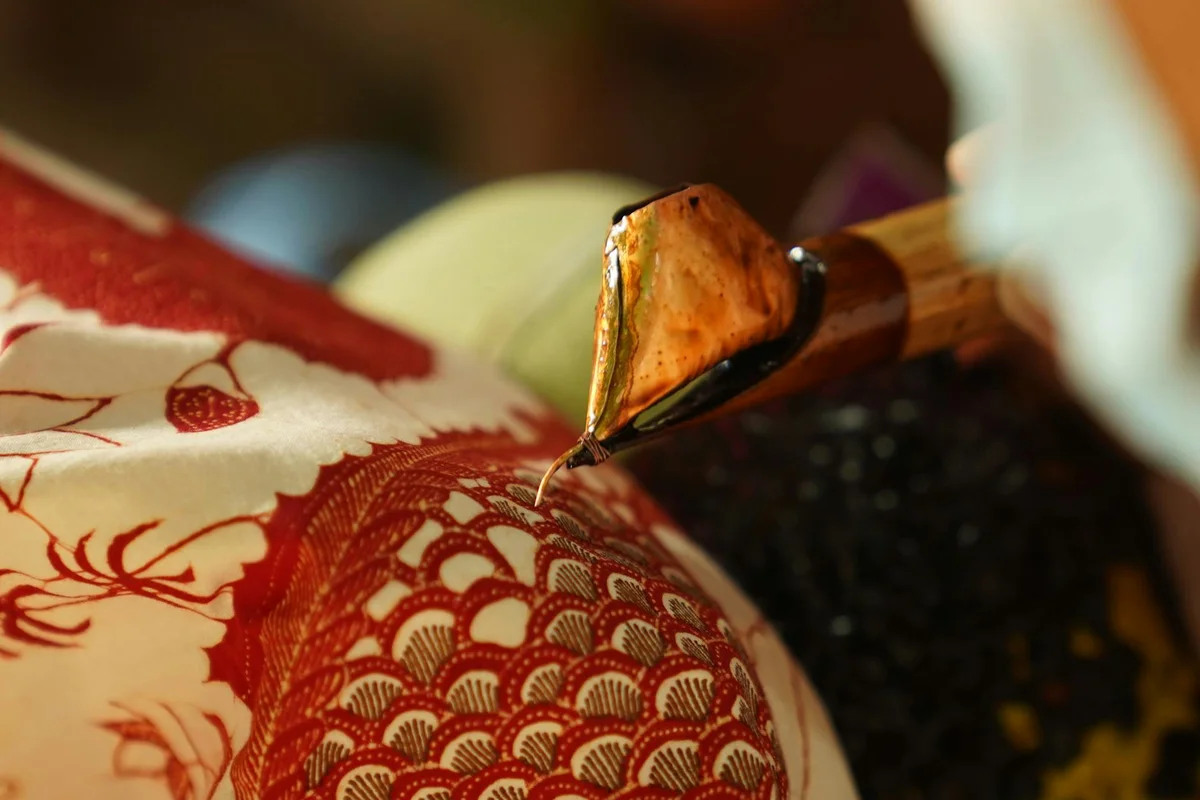
Can you dye corduroy or velvet? Yes, absolutely. The success hinges entirely on the fiber content of the base fabric, not the plush texture on top.
These fabrics have a two-part construction. Think of a woven base cloth, like a sturdy canvas. Onto this, extra yarns are woven and then cut, creating a dense, upright surface called the pile. For corduroy, this pile is grouped into raised ridges called wales. For velvet, it’s a uniform, dense nap. This structure is why they feel so luxurious, but it also makes them tricky to dye evenly without crushing that lovely texture.
Step-by-Step Guide for Dyeing Pile Fabrics
This method works for natural fiber corduroy and velvet (like cotton, rayon, or silk). Your goal is to get color into the fibers without matting the pile. I always do a burn test on a scrap first to check fiber content.
- Pre-wash. Wash the item in warm water with a mild detergent, no fabric softener. Softener coats fibers and blocks dye.
- Prepare the dye bath. Use a dye pot large enough for the fabric to move freely. For cotton or rayon, use fiber-reactive or all-purpose dye. For silk or wool, use an acid dye. Dissolve the dye completely in hot water first.
- Submerge fabric face-down. This is the key step. Gently place the fabric into the dye bath with the plush pile facing downward. Do not agitate or stir vigorously.
- Apply heat and time. Slowly bring the bath to the required temperature for your dye type. Maintain a bare simmer, never a rolling boil. Gently push the fabric down with a spoon every few minutes to ensure even exposure, but don’t swirl it.
- Rinse with care. After dyeing, let the bath cool to room temperature. Lift the fabric out gently. Rinse it in cool water, again with the pile facing down, until the water runs clear. Do not wring or twist.
- Air dry properly. Lay the fabric flat on a drying rack or clean towel, pile-side up. Reshape it gently. Let it air dry completely away from direct heat or sunlight.
Gentle handling while the fabric is wet prevents the pile from being permanently bent or crushed.
Restoring the Loft and Avoiding Matting
Even with careful dyeing, pile can mat down. You can fix this. Once the fabric is just damp-not soaking wet-use a soft bristle brush (a clean clothes brush or even a new toothbrush works).
Brush lightly in the direction of the nap. For corduroy, brush along the wales. For velvet, brush in one consistent direction. This coaxes the fibers to stand back up. Let it finish drying flat. I often do this brushing step twice: once when damp and once more after it’s fully dry, just to fluff it up.
A Special Note on Synthetics: Velvet and Faux Fur
Many modern velvets and most faux furs are made from polyester or nylon. This changes everything. Regular all-purpose dyes will not work.
You must use disperse dyes, which require sustained high heat to bind to synthetic fibers. This is typically done in a washing machine with very hot water or in a pot on the stove kept at a near-boil. The high heat presents a real risk of melting or distorting the plastic-based pile.
My advice? Dyeing synthetic plush fabrics is a high-risk project. The heat needed can permanently flatten the pile or cause it to felt together. If you attempt it, use a dedicated dye pot you don’t use for food, maintain a steady temperature just below boiling, and test on a hidden section first. Be prepared for the texture to change.
Dyeing Knit Fabrics: Sweaters, T-Shirts, and Fleece
Knit fabrics are built from interlocking loops, which gives them that comfortable stretch. That same structure is their weakness when wet. A soaked knit is heavy, and the loops can stretch permanently under their own weight if not supported. Many modern knits are fiber blends, which complicates dyeing because different fibers accept dye differently.
Your goal is to color the fabric without distorting it. The single best tip I can give you is to treat a wet knit like a delicate sponge, not a rag to be wrung out.
Dyeing Cotton and Blended Knits
Think of your favorite cotton t-shirt or a heavyweight sweatshirt fleece. These are typically made from cellulose fibers, so they need a fiber reactive dye (like Procion MX) for a permanent, wash-fast color. The challenge with dense knits and fleece is getting the dye solution to penetrate all the layers of fiber evenly.
For an even color on a thick cotton knit, you must presoak it thoroughly in plain water for at least 30 minutes before it ever touches dye. This pushes out the air trapped in the fabric so the dye can flow in. Use a vessel large enough for the fabric to move freely-I use a clean, 5-gallon bucket for a sweater. Gently submerge and press the fabric to release air bubbles. Never lift a soaking wet knit by one end; always support its full weight with both hands.
Blends, like a 50/50 cotton-polyester sweatshirt, will dye unevenly with most home dyes. The cotton will take the color, but the polyester will remain mostly its original shade, creating a heathered or lighter result. If you want a solid color on a blend, you need a specialized dye formulated for both fibers, which often requires very hot, near-boiling water that can damage the knit’s elasticity.
Dyeing Wool and Animal Fiber Knits
Protein fibers like wool, cashmere, and alpaca require a different approach and a different dye: acid dyes. These dyes bond to the fiber in a warm, acidic environment. The primary enemy here is felting, which is caused by a combination of heat, agitation, and rapid temperature changes. Felting shrinks the fabric dramatically and makes it dense and stiff.
To dye animal fiber knits successfully, you must control the temperature with extreme care and avoid any rough handling. I start with the knit and dye bath at room temperature, then raise the heat to a bare simmer (around 180°F or 82°C) over 20-30 minutes. I keep it there for 30 minutes to set the color, then let the pot cool completely to room temperature before I even think about rinsing. Agitation means a slow, gentle push with a stainless steel spoon every few minutes, never stirring.
When we work with animal fibers, how we source and care for them matters. I advocate for choosing garments from transparent brands that prioritize animal welfare and sustainable farming. Properly dyeing and caring for a wool sweater-washing it gently by hand in cool water and laying it flat to dry-honors the material and extends the garment’s life for years.
After dyeing any knit, the care protocol is critical. Never wring it out. Gently press water out while the fabric is fully supported. Roll it in a clean towel to absorb excess moisture. Then, reshape it to its original dimensions on a flat drying rack or a mesh screen. For wool, this blocking step is essential to prevent misshaping. Let it dry completely away from direct heat or sunlight.
Finally, synthetic knits like acrylic fleece or polyester performance gear are very difficult to dye at home. These fibers are essentially plastic and require disperse dyes and sustained high heat (often above 200°F) that can melt or distort the fabric. The results are often spotty and not wash-fast. I usually recommend avoiding dyeing these items altogether.
After the Dye Bath: Setting, Washing, and Caring for Your New Color
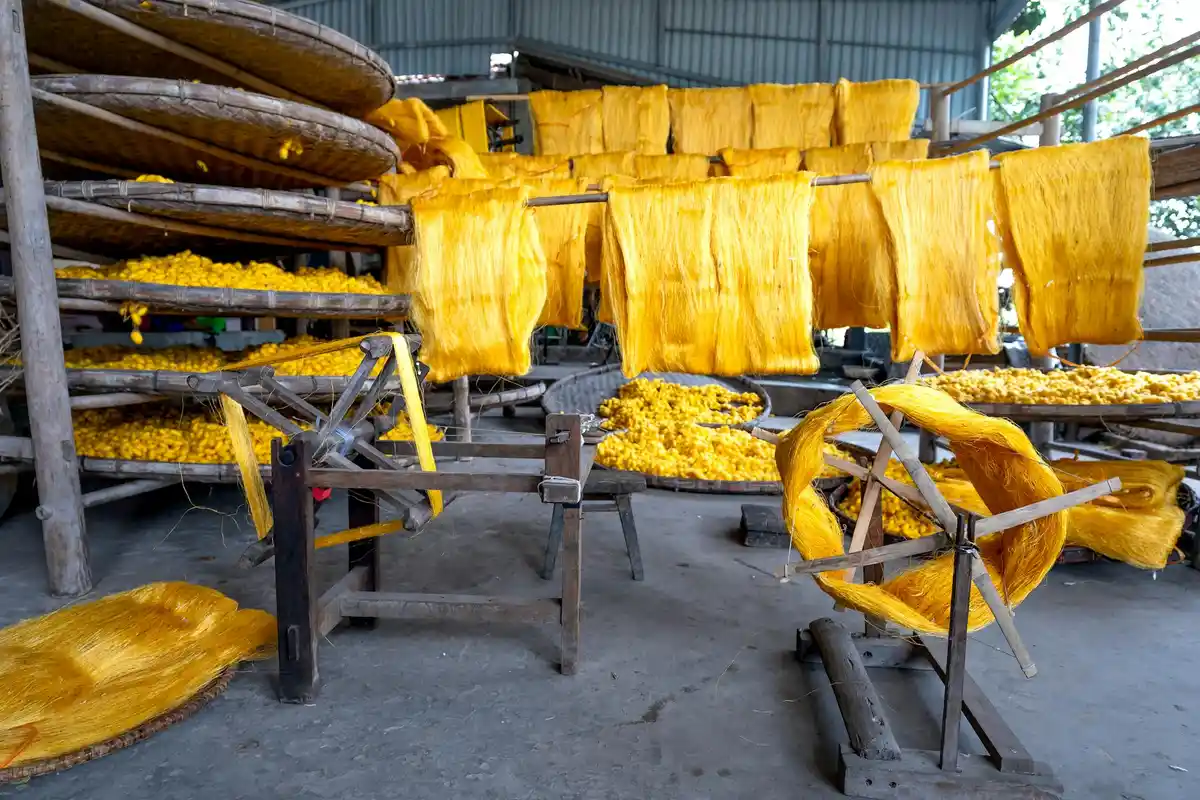
The dye bath is just the first step. What you do next locks in the color and protects your fabric. This stage is non-negotiable for a long-lasting, beautiful result.
Rinsing: The First Critical Step
Once your dye time is up, you must remove all the excess, un-bonded dye. I move the fabric to a clean sink or basin. Start with a lukewarm water rinse-hot water can set stains if any dye bleeds. This becomes particularly important when trying to remove stains from the dyed fabric.
Rinse gently under running water, squeezing and swishing the fabric, until the water runs completely clear. For corduroy or thick knits, this takes patience; you need to work the water through all the layers to flush out hidden dye. With delicate chiffon, support the full weight of the fabric in your hands to avoid stretching it under the water’s flow.
Fixing the Color: It’s All About Fiber Chemistry
Rinsing removes loose dye. “Fixing” makes the remaining dye permanent within the fiber. The method is entirely dictated by your fabric’s content.
- For Cotton, Linen, Rayon (Plant Fibers): Fiber-reactive dyes (like Procion MX) require salt and soda ash to form a covalent bond during the dye bath. After rinsing, no further fixative is needed. All-purpose dyes (like Rit DyeMore for synthetics, used on cotton) often use salt as a fixative in the bath itself.
- For Silk, Wool, Nylon (Protein/PA Fibers): Acid dyes need an acidic environment to bond. After rinsing, I give the fabric a final soak in a cool water bath with a cup of white vinegar for 15-20 minutes. This sets the color beautifully.
- For Polyester, Acrylic (Synthetic Fibers): Disperse dyes require heat. The dyeing process itself is the fixation. After dyeing in nearly boiling water, the color is heat-set. Rinse in warm water to remove any surface dye.
Always follow your specific dye manufacturer’s instructions, as formulas vary. Getting the fixation step wrong is the most common reason for dye fading or bleeding later.
The First Wash: Be Extra Gentle
Treat the first wash like a continuation of the rinsing process. Even with perfect fixation, a tiny amount of dye may release.
- Wash the garment alone in your machine on the gentlest cycle (like “Hand Wash” or “Delicate”).
- Use cold water. Heat can still shock the newly set dye molecules.
- Choose a mild, pH-neutral detergent. Harsh detergents or bleach can strip color.
I often add a commercial dye-trapping sheet to the wash as a safety net. If you see color on the sheet, you know you need to wash the item alone a few more times.
Long-Term Care for Lasting Vibrancy
Your dyed fabric now has special needs. How you care for it determines how long the color stays true and the fabric stays healthy.
For all hand-dyed items, wash in cold water on a gentle cycle and line dry away from direct sunlight. The heat from a dryer and the UV rays from the sun are the two biggest causes of color fading and fabric stress.
- Corduroy: Turn the item inside out before washing to protect the wales (the ridges). Tumble dry on low only until barely damp, then hang to finish. This prevents the pile from being crushed while bone-dry.
- Chiffon & Delicate Knits: Hand washing is always safest. Never wring. Roll the item in a clean towel to press out water, then lay flat to dry on a mesh rack to maintain its shape.
- Wool & Silk: Continue to use a mild detergent and cool water. Agitation causes felting (wool) and wear (silk), so gentle handling is forever.
- Synthetics (Polyester/Nylon): They are durable but prone to static and oil stains. Wash with similar colors. Use lower heat if machine drying to prevent heat-set wrinkles.
With this careful aftercare, your hand-dyed creations will keep their custom color and beautiful hand for years. The extra time you invest here pays off every time you wear it.
Troubleshooting Common Home Dyeing Problems
Even with careful preparation, home dyeing can present challenges. I see these issues often in my lab work and teaching. Here’s how to diagnose and fix the most common ones.
Problem: Uneven or Splotchy Color
You pull your fabric from the dye bath, and instead of a smooth, solid color, you see streaks, spots, or lighter patches. This is almost always a prep or process issue.
The main culprit is a dry fabric meeting dye. Think of a dry sponge-it absorbs liquid unevenly, creating dark, saturated spots where the dye first touches. Always submerge your pre-washed, thoroughly wet fabric into the dye bath for completely even color uptake.
Another cause is an overcrowded pot. The fabric needs room to move freely so the dye can circulate. If pieces are tangled or pressed against the side, those areas won’t dye properly. Proper preparation and troubleshooting are key to achieving even and vibrant results in fabric dyeing.
Key Fabric Insights for Home Dyeing
Always test a hidden swatch for fiber content and colorfastness before you dye anything. I use this step in my own workshop to avoid wasting materials and ensure vibrant, lasting results on fabrics from corduroy to chiffon.
Treat your fabrics with the same respect you give the dye process, choosing gentle washes and proper disposal for a smaller footprint. Building your knowledge of textile science-how cotton shrinks, silk accepts dye, or polyester blends behave-makes every project more intentional and skilled.
Related Guides and Information
- Rit Dye – Fabric Dye For Clothing, Home Décor, Crafts and More
- How To Dye Clothes | Young House Love
- How to Dye Fabrics – Easy Guide for Clothes Dyeing | Lowe’s
- Natural Fabric Dye | How to Utilize Food Scraps-Sweet Potato Soul
- How to dye fabric: simple techniques and step-by-step guide – Tonello Inspiring
Written by Florian Ventura. Florian is a high fashion blog writer, fashion and fabric expert and a keen expert in fabric, clothing and materials. She has worked in large textile and fashion houses for over 10+ years, engineering and working with various fabric types and blends. She is an expert when it comes to questions on any and all kinds of fabrics like linen, cotton, silk, jute and many more. She has also traveled around the world studying traditional fabrics and aims to bring them into the modern fashion use.