
Is Econyl Just Recycled Nylon, or Is It Something More?
You’ve seen the ‘Econyl’ tag on swimwear and activewear, but you wonder if it performs as well as the regular nylon you trust.
We will look at the core polymer science, compare how they handle wear and washing, and give you clear care instructions. This article will cover durability and strength, shrinkage and care, and the practical differences you’ll feel as a wearer.
Executive Summary: The Nylon You Know and the Nylon That’s New
Let’s get straight to what you need to know. In your hands, a jacket made from virgin nylon and one made from Econyl will feel nearly identical. They perform the same in most everyday uses. The real story is in where they come from and a few subtle technical quirks.
Material Data Table: Econyl vs. Virgin Nylon
| Property | Econyl (Regenerated) | Virgin Nylon |
| Breathability | Low | Low |
| Shrinkage Rate | Minimal to None | Minimal to None |
| Heat Tolerance | Moderate (Melt ~428°F/220°C) | Moderate (Melt ~428°F/220°C) |
| Stretch & Recovery | High | High |
| Moisture Wicking | High | High |
| Hand Feel | Can vary; sometimes less uniformly slick | Consistently slick and smooth |
Econyl is nylon made from regenerated waste like fishing nets and fabric scraps. Its chemical molecule is identical to virgin nylon, but the recycling process can lead to shorter or less uniform polymer chains. This is why it’s fantastic for swimwear, activewear, and bags, but can be slightly less predictable when taking on dye. You care for it exactly as you would any nylon.
Virgin nylon is synthesized from new petroleum feedstock. It has a highly consistent polymer structure, making it the reliable industry standard. For applications where failure is not an option-like a climbing rope or ultra-sheer hosiery-manufacturers often prefer this predictable purity.
For most of your wardrobe and gear, they will feel and perform the same. The most significant differences are hidden in the supply chain and inside the industrial dye vat.
The Polymer Science: Same Blueprint, Different Construction Site
On a molecular level, both fibers are polyamide 6,6. The chemical blueprint is exactly the same. I often explain it like this: imagine two brick walls. Virgin nylon is built with all new, perfectly uniform bricks laid in long, uninterrupted rows. Econyl is made by carefully dismantling old walls, cleaning each brick, and using them to build a new one.
The new wall is solid and does the same job, but you might find more variation in the bricks. Some might be slightly worn. This is the polymer chain length and consistency. In the lab, we see that recycled feedstock can contain shorter or slightly degraded chains from previous use and exposure to sunlight and saltwater.
This variation directly impacts dyeing, which is the most common question I get from manufacturers switching to recycled content. Acid dyes, common for nylon, bond to specific sites on the polymer chain. Fewer consistent sites, or chains of different lengths, can lead to less vibrant color or a subtle, heathered look compared to the deep, even shades possible with virgin material. It’s not a defect, it’s a characteristic of the source.
From Oil Well or Ocean: How They’re Made Changes Everything
The journey of these two fibers diverges completely at the very start.
Virgin Nylon’s Path:
- Start: Crude oil extraction.
- Process: Refined into chemical intermediates (like adipic acid and hexamethylenediamine).
- Polymerization: These are combined to form long, new polyamide 6,6 chains, which are then melted and extruded into filaments.
Econyl’s Path:
- Start: Collection of nylon waste (ghost fishing nets, fabric scraps, industrial plastic).
- Depolymerization: This is the magic step. The waste is chemically broken down all the way to its base monomer molecules.
- Purification: These monomers are rigorously cleaned.
- Repolymerization: The cleaned monomers are rebuilt into new polyamide 6,6 filaments.
We must talk about energy. The depolymerization and purification steps for Econyl are energy-intensive. The key advantage is that this process avoids new petroleum extraction and gives waste a new, high-quality life, which the manufacturer’s lifecycle assessment shows reduces global warming potential compared to virgin nylon. It’s a trade-off, moving the environmental impact from the wellhead to the recycling plant.
Environmental Impact: Microplastics, Chemicals, and End of Life
Let’s be clear on microplastics. Both virgin and regenerated nylon shed microfibers when washed and worn. Because the polymer type is identical, their shedding behavior is fundamentally the same. Using a washing bag helps with both. That shedding tendency isn’t limited to nylon; many synthetic fabrics shed microplastics too. It’s part of the broader issue of synthetic fabrics’ environmental impact.
Both fibers also undergo chemical processing for dyeing and finishing. Econyl’s source material may need more aggressive cleaning agents initially to remove oceanic contaminants, but the dyeing stage uses similar chemistry.
Biodegradability is not a feature of either. Neither will break down in a landfill or the ocean in any meaningful human timeframe. But organic fabrics degrade much faster than synthetic materials in landfills.
The critical difference is in the end-of-life vision. A virgin nylon garment typically has one life, then landfill. An Econyl garment is designed to re-enter the system. It can, in theory, be depolymerized again and again, closing the technical loop. This circular potential is its most significant ecological promise, moving us away from a one-way, extractive model.
In Your Hands: Durability, Feel, and Real-World Use
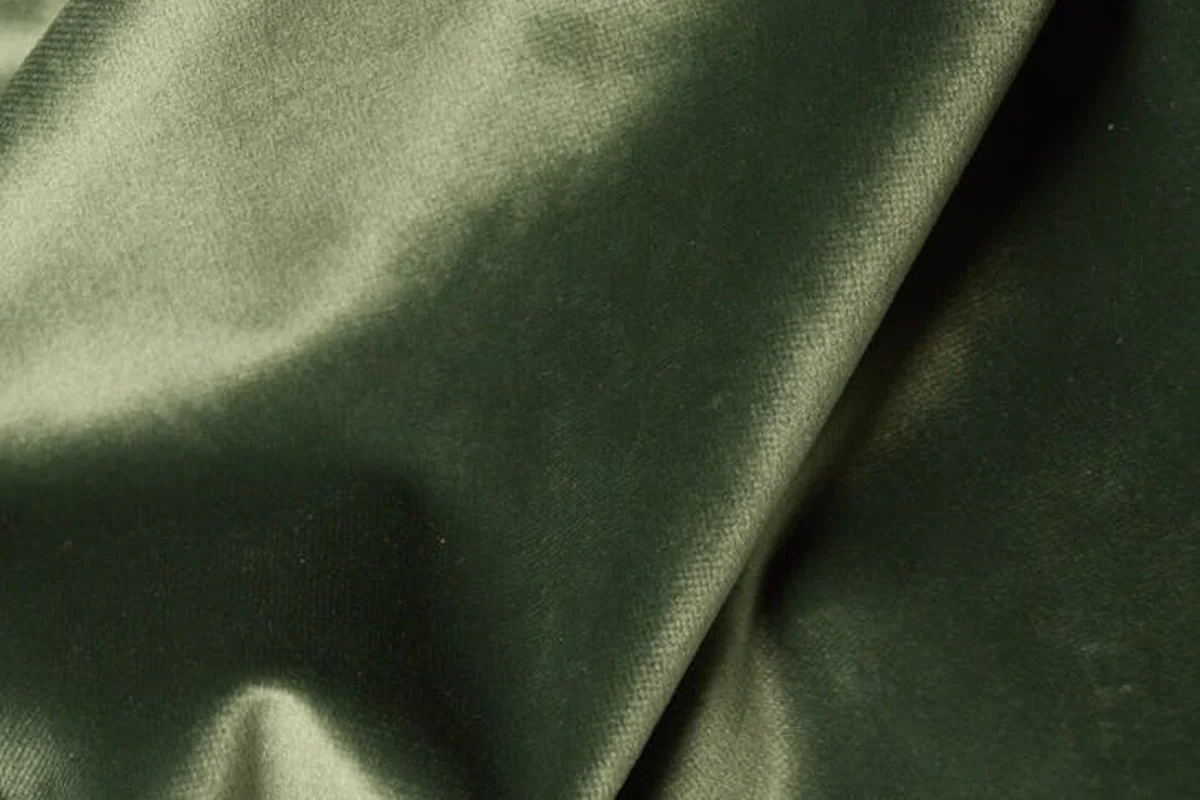
Let’s get straight to the big question: which one is stronger? In standardized lab tests for tensile strength (pulling) and abrasion resistance (rubbing), they are equivalent. The regeneration process for Econyl rebuilds the nylon polymer to virgin-quality specifications.
So why do some small-batch makers mention slight differences? The answer is in the source material. Variability in the recycled feedstock-like different colored fishing nets or fabric scraps-can lead to minor inconsistencies in a batch’s dye affinity or melt flow. A large brand has the resources to test every batch and adjust their production. A smaller operation might notice these tiny variations more.
For you, the user, a jacket or swimsuit made from either will last just as long under the same conditions. The performance you feel is identical.
Where You’ll Find Them: Swimwear, Bags, and Blends
You’ll encounter both fibers in the same places. Typical applications include swimwear, activewear (like leggings), windbreakers, lightweight backpacks, bridal tulle, sheer hosiery, and carpeting.
Both are often blended with elastane (Lycra) for essential stretch in sportswear and swimsuits. Remember, care is always dictated by the most delicate fiber in the blend. That means treating these blends gently to preserve the elastane.
For most uses, there’s no practical difference. For a technical swimsuit, there is no performance deficit with Econyl. In a highly specialized case, like producing extremely sheer, consistent tights, a manufacturer might prefer the absolute predictability of virgin nylon. This addresses the common question about typical applications and performance. For over 95% of end uses, they are interchangeable.
Cost Analysis: Why Does Recycled Sometimes Cost More?
It seems counterintuitive. If it’s made from waste, shouldn’t it be cheaper? The cost drivers are very different. Virgin nylon’s price is tied directly to crude oil prices, which fluctuate.
Econyl’s cost is built on a whole new system. It includes the complex logistics of collecting ocean plastics and fishing nets, sorting them, cleaning off salt and biofouling, and then the extra chemical step of depolymerization-breaking the waste down to its core molecules before rebuilding it.
Economies of scale currently favor century-old virgin production. When you purchase Econyl, part of the cost supports building and maintaining this recycling infrastructure. This premium is an investment in the material cycle.
Your Care Guide: Washing, Dyeing, and Repairing Nylon Fabrics
The most important rule is simple: care is identical for both Econyl and virgin nylon. Your first guide is always the garment’s care label.
Follow these universal care steps for nylon items:
- Machine wash in cold water on a gentle cycle.
- Use a mild, gentle detergent.
- Avoid fabric softener. It leaves a coating that reduces the fabric’s ability to wick moisture and breathe.
- Tumble dry on a low heat setting or, better yet, air dry.
- If ironing is needed, use a low heat setting.
Heat is the real enemy. High heat from dryers or irons can melt or glaze the fibers. This risk increases in blends with elastane, which is even more heat-sensitive.
Air drying is the single best practice to extend the life of any nylon garment, period. It eliminates heat stress and reduces general wear and tear.
Can You Dye or Color-Correct Nylon at Home?
Both fibers have a similar affinity for dye, but dyeing synthetics at home is tricky. They require acid dyes or special all-purpose dyes formulated for synthetics and nylon. For hand dyeing synthetic fabrics, techniques emphasize careful prep and controlled heat to achieve an even color. Later steps will guide you through dye selection and application for nylon and other synthetics.
There’s a known challenge: Econyl, due to those potential polymer chain variations from its source, can sometimes dye less evenly than virgin nylon in an industrial setting. This is a production issue for manufacturers, not something you can easily control at home, especially when compared to traditional dyeing methods for nylon.
A crucial safety note: home dyeing synthetic fibers usually requires maintaining near-boiling water temperatures and specific chemical assistants. With polyester, dyeing often involves carrier chemicals and heat to improve pigment uptake. This makes safety and proper handling even more important. It’s a difficult process with inconsistent results and is not recommended for beginners.
For color bleed or stains, act fast. Treat the area with a stain remover designed for synthetics. Never use chlorine bleach on nylon, as it can permanently damage the fibers and cause yellowing in polyester, spandex, and nylon fabrics.
Long-Term Maintenance and Repair
Pilling can happen, especially in nylon blends that experience friction. Understanding the causes helps with prevention. If pills do appear, gentle removal keeps fabrics looking fresh. Use a fabric shaver or a sweater stone to gently remove the pills.
Repairing a snag depends on the fabric. For tightly woven nylons (like in a backpack), a tiny dot of clear nail polish on the back of the snag can secure it. For knits (like activewear), use a needle to carefully pull the snag through to the inside of the garment.
To restore water repellency on shells or swimwear, a wash-in or spray-on DWR (durable water repellent) renewer works on both fibers.
Always store nylon items clean, as stains can set over time. Keep them away from direct sunlight, as UV degradation weakens both Econyl and virgin nylon equally over many years. Regular nylon bag fabric cleaning care helps prevent stains from becoming permanent and keeps colors vibrant. For best results, use gentle cleaning methods and avoid harsh chemicals.
Putting Regenerated Nylon to Work
When you choose between these nylons, let your project guide you. For items where color brilliance and dye consistency are non-negotiable, such as a vibrant swimsuit or bold activewear, virgin nylon’s predictable polymer structure is your most reliable bet. If you prioritize a lower environmental footprint for a durable item like a backpack or outdoor fabric, Econyl performs identically in strength and care.
Your role continues long after the fabric is chosen. Treat all nylon, regenerated or virgin, with cool washes, gentle detergents, and away from high heat to preserve its strength and keep colors vivid for years, reducing the need for replacement. This same diligence translates to nylon fabric durability applications in real-world uses—from outdoor gear to industrial textiles. Every informed decision you make, from fiber selection to long-term care, deepens your practical textile science knowledge and its positive impact.
References & External Links
- Regenerated nylon ECONYL® and its Endless Possibilities
- Econyl Shop – Live & Repeat
- Sustainability in Business: ECONYL® regenerated nylon
- What is Econyl Fabric: Properties, How its Made and Where | Sewport
- Econyl ® Nylon | Fabrics by Meter from 6.36€ | Recovo
Florian is a high fashion blog writer, fashion and fabric expert and a keen expert in fabric, clothing and materials. She has worked in large textile and fashion houses for over 10+ years, engineering and working with various fabric types and blends. She is an expert when it comes to questions on any and all kinds of fabrics like linen, cotton, silk, jute and many more. She has also traveled around the world studying traditional fabrics and aims to bring them into the modern fashion use.