
How Do You Shrink Polyester, Cotton, and Spandex Blended Fabrics?
Finding that perfect polyester-cotton-spandex tee or legging now feels baggy is a common frustration. From my work in the dye lab, I can tell you that reclaiming the fit is possible, but it demands a precise approach to heat and moisture.
I’ll walk you through the science of how these fibers interact and the practical steps you can take at home. We will cover how polyester, cotton, and spandex each react to shrinkage methods, the safest step-by-step process using your washer and dryer, and the aftercare needed to lock in the new size.
Executive Summary: Your Quick Fabric Guide
A polyester-cotton-spandex blend combines three fibers for a specific purpose. You find it in everyday items like t-shirts, polo shirts, casual dresses, and activewear. The goal is to balance comfort, function, and longevity.
The blend gives you the best traits of each fiber. Polyester brings wrinkle resistance and durability. Cotton adds breathability and a soft, absorbent hand feel. Spandex, usually making up just 2-5% of the mix, provides that essential recovery stretch.
The core challenge with shrinking this blend is that the fibers fundamentally oppose each other. Cotton wants to contract with heat and moisture. Polyester is designed to resist that change. Spandex, the most delicate of the three, can be permanently damaged by the very heat you might use.
My bottom-line advice from the lab is this: achieving significant, even, and intentional shrinkage with this blend is difficult and often minimal. Your focus should be on controlled methods to tweak fit while vigilantly avoiding damage to the spandex and the garment’s shape.
The Fiber Cast: How Polyester, Cotton, and Spandex Behave
To master the blend, you need to know the players. Think of them as three roommates with very different habits.
Cotton is a natural, plant-based fiber. Under a microscope, it looks like a twisted ribbon. It loves water, absorbing it readily, which causes the fibers to swell. When you add heat-from washing or drying-these swollen fibers relax and then contract as they dry, tightening the fabric’s structure. I compare it to a damp sponge left on a counter; it shrinks and stiffens as it dries out.
Polyester is a synthetic polymer, a type of plastic. Its smooth, rod-like fibers are created and heat-set during manufacturing. This process “locks” them into a stable shape. Crucially, polyester is hydrophobic-it repels water. Without water absorption to swell the fibers, and with its heat-set memory, it has little reason to shrink. It acts as a stabilizing force in the blend.
Spandex (also called Lycra or elastane) is a synthetic elastic. It’s not a fiber you weave alone; it’s a bare, rubber-like filament wrapped with another fiber (like cotton or polyester) to make a yarn. Spandex is extremely vulnerable to high heat, which can melt it, cause it to lose its snap, or become brittle and break. Imagine over-stretching a rubber band repeatedly near a heat source; it eventually loses its spring and snaps.
In a blend, this creates a constant tug-of-war. During a hot wash, the cotton tries to shrink and pull everything inward. The polyester resists, holding its ground. The spandex stretches with movement but fears the heat. The final shrinkage you see is the net result of this physical struggle, which is why results can be uneven or disappointing.
Reading Your Fabric’s Mind: The Care Label
Your first and most reliable tool isn’t a machine, it’s the label. The care instructions are a direct message from the manufacturer’s textile scientists.
The care label tells you how to *maintain* the garment’s size and finish; therefore, deliberately deviating from it is your primary method for attempted shrinkage. A label recommending a cold wash and tumble dry low is telling you the garment is heat-sensitive. To try for shrinkage, you would move to a warm wash and a medium or high dryer heat.
Start by learning a few key symbols:
If the label is missing, you can perform a simple burn test on a hidden seam allowance. Always do this with extreme caution: use tweezers, have water nearby, and work over a non-flammable surface. Hold the fabric threads to a flame. Cotton burns quickly with a yellow flame and smells like burning paper. Polyester melts and burns with a black smoke and a sweet, chemical smell, leaving a hard bead. Spandex also melts and burns but may give off a more acrid smell. This test helps you confirm the fabric content before you choose a method.
Shrinkage Potential: What Can You Realistically Expect?
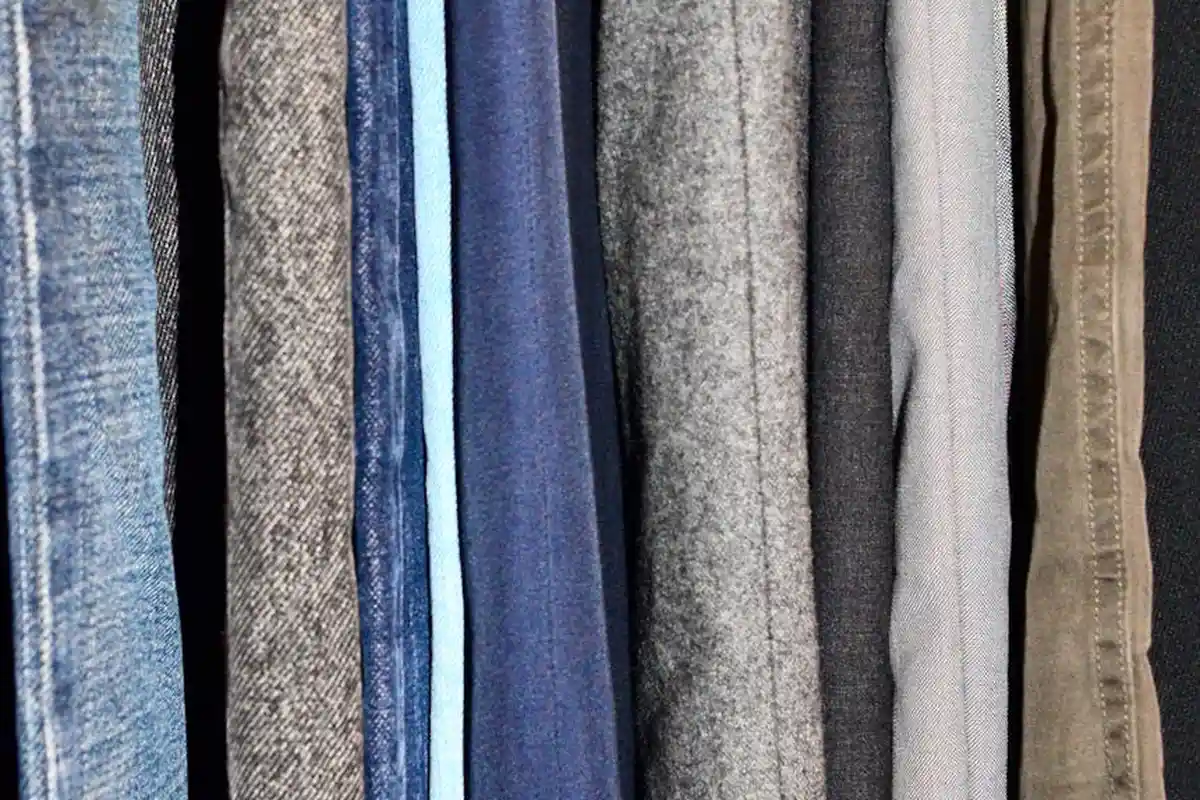
You ask how much a cotton-polyester-spandex blend will shrink. The honest answer is not a lot, but a little. If the cotton percentage is high, you might see a typical shrinkage range of 3-5% after a warm wash and a hot dryer cycle. I measure this in my lab by marking a 10-inch square on the fabric before and after treatment. It’s still more than some synthetic fabrics that barely shrink at all.
The real story is a battle between fibers with different agendas. Cotton fibers are like tiny, twisted ropes that swell with water and relax their natural crimp, causing the fabric to contract. Polyester is a synthetic plastic that is heat-set during manufacturing; it wants to stay exactly as it was formed. Spandex is a super-stretchy rubber thread woven in for recovery.
This means the blend’s behavior depends entirely on the recipe. A 60% cotton, 35% polyester, 5% spandex shirt has a strong cotton majority. The cotton will drive the shrinkage, pulling the more stable polyester and spandex with it as it contracts. You’ll notice it mostly in length.
A 50% cotton, 48% polyester, 2% spandex blend has a nearly even split between the shrinker (cotton) and the resister (polyester). Here, the polyester dramatically fights the cotton’s urge to shrink, resulting in minimal overall size change, often less than 2%. This is quite interesting when compared to the more traditional characteristics of cotton fabric, which tends to shrink more significantly on its own.
It’s critical to address a common misconception about spandex and its cousin, nylon. You cannot truly “shrink” spandex itself. It is an elastomer. Applying excessive heat can melt, scorch, or degrade its elasticity, but it won’t systematically contract like cotton. What you’re doing is allowing the cotton around it to shrink, which gathers the spandex threads closer together.
The same principle applies to pure nylon or nylon-spandex blends like in athletic wear; they shrink very little with heat, but you can permanently damage their structure and fit. High heat can cause nylon to become brittle or develop shiny, melted patches, while it melts the spandex entirely. For these fabrics, heat isn’t a tool for sizing, it’s a hazard. There are heat press guidelines for synthetic blended fabrics that outline safe temperatures and durations. Following them minimizes damage and preserves fit.
The Step-by-Step Shrinking Protocol
You want to know the best method. Here is the most reliable, controlled way I use in my studio to shrink cotton-polyester-spandex blends.
Pre-Shrinking Prep: Your Safety Net
Never skip this step. It is the difference between a successful alteration and a ruined garment.
First, check the seams and fabric integrity. Look for any loose threads, weak spots, or stretched-out hems. A weak seam will likely fail under the stress of hot water and agitation.
Next, test for colorfastness. Dye bleeding can ruin everything. Dampen a white cloth or cotton swab with warm water. Rub it firmly on an inside seam or hem for 10 seconds. If any color transfers, your dye is unstable. You can still proceed, but wash the garment alone.
Finally, take measurements. Use a fabric tape measure and record the chest width (armpit to armpit), length (shoulder to hem), and sleeve length. Write these down. This is your only way to know exactly how much shrinkage you achieved.
The Washer Method: Heat and Agitation
This step relaxes the cotton fibers and begins the shrinking process.
Set your washer to the hottest water temperature the cotton in your blend can tolerate. For a blend with over 50% cotton, that is typically 60°C (140°F). Use a regular or heavy-duty cycle. These cycles have longer, more vigorous agitation, which helps cotton fibers constrict.
Add a small amount of gentle, standard detergent. Avoid heavy liquids or softeners, as they can coat fibers and interfere with the process.
The washer prepares the fibers, but the real transformation happens next.
The Dryer Method: Where the Magic Happens
Transfer the garment directly to the dryer. Do not let it air dry, as this will halt the process.
Set the dryer to the highest heat setting. For cotton-rich blends, this is “Cotton” or “High Heat.” Start the dryer.
Here is the critical part: you must monitor it. Set a timer for 10 minutes.
When it goes off, stop the dryer and check the garment’s size. Feel the fabric. Is it approaching the size you want? Is the spandex still elastic, or does it feel harsh and brittle? The spandex is your limiting factor.
Most of the cotton’s shrinkage will occur in these first 10-20 minutes of high heat. You can use a dryer to shrink this shirt, but you become its guardian, checking every cycle to prevent the spandex from melting or losing all elasticity.
What About Ironing?
Can an iron help? Sometimes, but in a very limited way.
A steam iron can coax a bit more shrinkage from the cotton fibers in a specific area, like a too-long sleeve or a baggy panel. Use a high-steam setting and hover the iron over the damp fabric.
Direct, dry heat from an iron plate is a major risk to spandex, which can scorch, glaze, or melt on contact. I only use direct ironing on these blends if the garment is inside-out and I am absolutely certain of the fabric content.
Temperature Guide: The Heat Settings You Need
Heat is your primary tool and your primary risk. This guide is based on the cotton percentage, as cotton is the only fiber in this blend that will permanently shrink.
High heat can cause spandex to oxidize, turning it yellow and brittle, and can also set dyes from darker colors into lighter areas of the same garment. Always weigh the need for shrinkage against the long-term health of the fabric. Sometimes, a visit to a tailor is the wiser choice.
Care & Handling: How to Wash and Dry Without Surprises
Now that you’ve shaped your garment to fit just right, the goal completely changes. Your mission is no longer to shrink, but to stabilize. Think of it as setting the memory of the fabric. Once you’ve used heat and agitation to get the fit you want, the next step is to avoid giving the fibers any new, conflicting instructions.
Your New Routine for a Lasting Fit
This simple, gentle cycle is designed to clean your clothes without resetting their dimensions. It’s the care ritual that locks in your hard work.
- Use cold or warm water. I keep my machine set to 30°C (86°F) for almost all my cotton-blend basics. This temperature is effective for cleaning but mild on fibers.
- Choose a mild, liquid detergent. Powdered detergents can sometimes not fully dissolve in cooler water, leaving residues that feel stiff.
- Turn the garment inside out. This protects the outer surface from friction against other items in the wash, reducing pilling and fading.
- For drying, you have two great choices. Tumble dry on a low heat setting and remove the item while it’s still slightly damp to air-dry the rest of the way. Or, skip the dryer entirely and air dry flat or on a line.
This consistent, low-heat routine is what prevents your perfectly shrunken item from becoming a doll’s garment after a few washes.
Why This Routine Works: A Fiber-Level View
Let’s break down what’s happening to each component in your blend when you follow these steps:
Cotton: The initial high-heat shrinking works by breaking and reforming the hydrogen bonds in the cellulose fibers. After that process, you want the cotton to stay in its new, relaxed state. Washing in cool water and avoiding high heat prevents those bonds from getting overly agitated and re-tightening further.
Spandex (Lycra): This is the most heat-sensitive fiber in the blend. High dryer heat is like a reset button for its elasticity. It damages the long-chain polymers that give it stretch, causing them to lose their “snap back.” Low heat or air drying preserves the spandex’s recovery power, so your clothes keep their shape instead of becoming baggy.
Polyester: It’s tough and mostly unaffected by water temperature, but high dryer heat can cause it to slowly become brittle over time or, in some weaves, lead to unwanted wrinkling. Gentle drying keeps it smooth, especially when combined with proper care for polyester-spandex blends.
The Risks: What Can Go Wrong When You Apply Heat

Thinking you can shrink a polyester-cotton-spandex blend like you would a 100% cotton tee is a common mistake. With pure cotton, you’re mainly manipulating the fiber’s structure with heat and moisture. With a blend, you’re negotiating with three different materials that react to heat in wildly different ways. The risks aren’t just about size; they’re about the fabric’s very integrity.
Let’s break down what can happen, so you know exactly what you’re dealing with.
Permanent Loss of Stretch (Spandex Melting)
This is the biggest and most common disaster. Spandex, also called elastane or Lycra, is a synthetic rubber-based fiber. Its amazing stretch comes with a low melting point-around 300°F (150°C). Your dryer easily reaches this temperature. If the spandex melts, even partially, it loses all elasticity forever, leaving a stiff, brittle band in the fabric that can crack. You might not see full melting, but enough heat damage permanently “cooks” the stretch out, leaving your activewear or jeans baggy and lifeless.
Puckered Seams and Distortion
Different fibers shrink at different rates. The cotton in the blend may want to contract while the polyester resists. This internal tug-of-war happens right at the seams, where multiple fabric layers and thread meet. The result is often puckered, wavy seams that look professionally ruined, as the fabrics pull against each other and the stitching. The garment can twist on itself, making it unwearable.
Color Fading and Transfer
High heat accelerates color loss, especially for dyes on synthetic fibers like polyester. That vibrant hue can quickly become dull and washed-out. Furthermore, the stress of excessive heat and agitation can cause unstable dyes to bleed, particularly from darker colors onto lighter ones within the same garment. A high-heat cycle might not just shrink your item; it might permanently fade or stain it.
Uneven and Misshapen Shrinkage
You rarely get uniform shrinkage. Sleeves might tighten more than the body, or the waistband could warp. This is because tension during manufacturing isn’t even, and heat exposure in a dryer isn’t perfectly consistent. Instead of a smaller version of your garment, you often end up with a weirdly proportioned, lumpy version that fits poorly everywhere.
So, when should you pull the plug? Your senses are the best tools. If you smell a distinct hot rubber or plastic odor from the dryer, that’s the spandex warning you-stop immediately. Visually, if you see any new, unusual glossiness or shiny patches on the fabric, that’s likely melted synthetic fiber. At that point, the damage is done, but you can prevent it from getting worse.
Troubleshooting: Fixing Oops Moments
What do you do about accidental over-shrinking? I’ve been there, pulling a favorite shirt from the dryer only to find it fit for a doll. Don’t panic. You can try to coax the fibers back.
The goal is to relax the fabric’s structure. Here is my lab-tested method to attempt at home.
- Fill a clean sink or basin with lukewarm water-not hot. Hot water can set the shrinkage further.
- Add a generous capful of hair conditioner or liquid fabric softener. These contain lubricating agents that can help fibers slide.
- Submerge the shrunken garment and let it soak for 25-30 minutes, gently agitating it a few times.
- Drain the water. Without rinsing, gently press out excess moisture. Do not wring or twist.
- Lay the garment flat on a clean towel. Now, slowly and patiently begin to stretch it back to its original dimensions, working section by section.
- Let it air-dry completely flat. As it dries, you may need to re-stretch it slightly as the fibers can contract again.
This relaxation technique works best on cotton-dominant blends where the plant fibers can swell and be reshaped. The results are often promising for a 60% cotton, 40% polyester tee, for instance, as it allows them to maintain the balanced qualities that cotton blends are known for.
For blends with spandex, manage your expectations. Spandex is a synthetic rubber. Once its elastic polymers are damaged by high heat, they rarely recover their spring. You might restore the garment’s size, but not its original snug, springy fit. The fabric can become baggy and limp.
If your careful stretching doesn’t bring back the fit you need, consider a professional alteration. A good tailor can often recut seams, add fabric panels, or creatively reconstruct an item. For a cherished or expensive piece, their skill is usually a safer and more reliable investment than repeated, stressful home experiments.
Textile Expert’s Note: Handling Pro-Tips
Working with a polyester, cotton, and spandex blend can feel like a balancing act. I’ve found its drape and stability make it a forgiving choice for beginner sewists. The cotton and polyester provide body, while the spandex adds just enough give. For knits in this blend, a ballpoint or stretch needle is non-negotiable to slide between spandex threads instead of piercing and snagging them.
Cutting this fabric requires foresight. The spandex can contract and recover, so the grain you cut today might shift after the first wash. I always pre-wash my fabric in the exact way I’ll wash the finished garment; this step settles the fibers and prevents surprising shrinkage later in your project. Think of it as letting the fabric find its final shape before you commit to yours.
My most crucial piece of advice is about heat management. Spandex is sensitive to high temperatures, which can break its molecular chains and permanently destroy its elasticity. When in doubt, start with less heat-you can always apply more gradually, but you can’t repair melted or damaged spandex. This applies to washing, drying, and especially ironing. Use a low-heat setting and a press cloth.
If you’re exploring fabrics with stretch but prefer to avoid synthetics, consider plant-based alternatives. For a similar comfort and recovery, organic cotton jersey blended with natural rubber (latex) threads is a fantastic, animal-free option that behaves in a wonderfully familiar way. It requires gentle, cool care, but offers breathability and a soft hand that’s hard to beat. Cotton-wool blends are another natural option that bring stretch with a soft, breathable feel. They can offer comfortable give without relying on synthetic fibers.
Final Insights on Blend Shrinkage
From my workbench, the most critical advice is this: always pre-test shrinkage on a hidden seam or fabric scrap using your exact planned method. This hands-on test reveals the true behavior of your specific blend, preventing damage and giving you control over the outcome.
Owning clothes responsibly means caring for them to last, which conserves resources and honors the materials. I invite you to stay curious about how fibers like cotton absorb dye or polyester repels water-each wash cycle is a chance to learn more about textile science.
Sources and Additional Information
- r/Fabrics on Reddit: Have a 90% polyester / 10% Spandex Workout Shirt, will it shrink the dryer?
- How to Shrink Polyester and Spandex Clothing
- How to Shrink Polyester and Spandex Safely (5 Ways)
Written by Florian Ventura. Florian is a high fashion blog writer, fashion and fabric expert and a keen expert in fabric, clothing and materials. She has worked in large textile and fashion houses for over 10+ years, engineering and working with various fabric types and blends. She is an expert when it comes to questions on any and all kinds of fabrics like linen, cotton, silk, jute and many more. She has also traveled around the world studying traditional fabrics and aims to bring them into the modern fashion use.