
What Is Tencel Lyocell? The Truth About This Sustainable Fabric
You’ve seen Tencel labels everywhere, from breezy dresses to crisp bed sheets, and you might be wondering if it’s just another marketing term. Let me clear that up-Tencel Lyocell is a specific, man-made cellulosic fiber with remarkable benefits that have earned its place in our wardrobes.
In this guide, I’ll break down exactly what Tencel Lyocell is, straight from my years in textile labs. We’ll look at its unique properties, how its sustainable production works, how it compares to cotton and viscose, and the right way to wash, dye, and care for it.
Your Quick Tencel Lyocell Cheat Sheet
Think of Tencel Lyocell as the smart, cool fabric in your closet. I use it for pieces where comfort and a sleek look are non-negotiable.
- It’s highly breathable and wicks moisture away from your skin better than cotton. This makes it feel cool and dry, a perfect choice for hot weather or active layers.
- The fibers naturally help regulate your temperature. They absorb and release moisture efficiently, preventing that clammy feeling.
- It has a beautiful, fluid drape that feels luxuriously soft, but it is prone to wrinkles. The smooth fibers love to flow, not stand stiff.
- You can expect some shrinkage, typically 3-5%, if you expose it to high heat in the washer or dryer. Treat it gently with temperature.
You’ll find Tencel Lyocell shining in specific types of clothing and home goods.
- Flowy dresses, skirts, and elegant blouses that move with you.
- Bedding, especially sheets, for a cool and moisture-wicking sleep.
- Activewear and base layers that need to manage sweat.
- Denim blends, where it adds softness and reduces the break-in time for stiff jeans.
The single most important care rule is this: wash in cool water, skip the dryer, and let it air dry. If you need to iron it, do so while the fabric is still slightly damp for the best, easiest results.
How does it stack up? It’s more eco-friendly than traditional viscose due to its closed-loop process. It feels cooler and more breathable than polyester. And while it’s soft, it doesn’t have the crisp, matte hand of a premium cotton poplin.
Tencel Lyocell Material Data: The Lab Sheet
Here’s a breakdown of its performance from a textile science perspective. I refer to specs like these when advising brands or planning my own projects.
| Property | Rating & Notes |
| Breathability | Very High. The fiber structure pulls moisture (like sweat) along its surface and releases it into the air quickly. This efficient wicking is its superpower. |
| Shrinkage Rate | Low to Moderate (3-5%). This occurs primarily through heat and mechanical agitation. A hot wash followed by a high-heat dryer cycle will activate it. Cold wash and air dry minimizes it. |
| Heat Tolerance | Low to Moderate. Avoid hot water and high-heat drying. Stick to cold or warm washes (30°C/86°F is ideal) and always opt for air drying to preserve its integrity and size. |
| Stretch Factor | Minimal. In its pure form, it has almost no inherent stretch. Its magic is in its fluid drape, not its elasticity. For stretch, it’s almost always blended with a small percentage of elastane (like Lycra). |
A special note on dye affinity: Tencel Lyocell accepts dye beautifully and deeply. The fibers absorb dye readily, resulting in rich, vibrant colors that have good colorfastness when cared for properly. This is why you see such intense hues in Tencel garments. Iron-dye techniques on Tencel Lyocell fabrics can yield deep, earthy tones that complement the fabric’s smooth texture.
What Tencel Lyocell Actually Feels and Acts Like
Slip your hand over a piece of Tencel Lyocell. You’ll notice a smooth, cool, silky hand that feels inherently luxurious. It has a beautiful fluidity and a slight, weighty drape that makes garments flow rather than cling. This isn’t the stiff crispness of new cotton or the plastic-like slip of polyester; it’s a soft, substantial smoothness.
That feeling is tied directly to how it manages moisture. Under a microscope, the fiber’s structure is full of nano-fibrils-think of it as being covered in tiny channels. These channels actively pull sweat away from your skin and release it into the air. This wicking action is why the fabric feels so cool and dry against your skin, even when you’re warm.
This directly answers a common question: are Tencel sheets cool? Absolutely. That same moisture-pulling mechanism works while you sleep, making it a fantastic choice for temperature-regulating bedding that feels sleek, not slippery.
Its main weakness? It creases. The fibers are so smooth and fluid that they love to settle into folds. The wrinkle isn’t a sharp, pressed crease like you get with polyester. It’s a softer, more relaxed rumple, similar to a fine linen. A light steam usually releases it instantly.
As for pilling, Tencel Lyocell is generally quite resistant due to its long, strong fiber chains. You might see some minor pilling in areas of constant, high friction, like under the arms or on shirt cuffs, but it’s far less prone to it than cotton or wool. A fabric shaver easily manages any occasional pills.
How Does Tencel Lyocell Handle Water and Heat?
This is where its unique properties really dictate how you care for it. Unlike cotton, which weakens when wet, Tencel Lyocell fibers actually become stronger when damp. This means it’s less likely to tear during washing, but it also means the fibers are very responsive to heat and mechanical action.
The shrinkage mechanism is about fiber relaxation and tightening. Imagine the long, smooth fibers loosening up during manufacturing and then snapping back tight when you apply heat and agitation in the wash. It’s a permanent tightening, not a felting process like with wool where fibers bind together.
Your washing machine is the test lab. For minimal shrinkage, always opt for a gentle cycle with cold or lukewarm water, ideally at 30°C (86°F). A hot 60°C (140°F) wash with a high spin will absolutely trigger noticeable shrinkage, often between 3-5%. I always air dry flat or on a line; the high heat of a tumble dryer guarantees shrinkage and can create harsh wrinkles.
The Most Common Ways You’ll Find This Fabric
You’ll love Tencel Lyocell in fluid, drapey apparel. It’s a favorite for:
- Dresses and skirts that flow with movement.
- Wide-leg pants and tunics that feel breezy.
- Soft, breathable t-shirts and blouses.
- Premium denim, where it’s blended with cotton to add softness, reduce weight, and improve dye absorption.
In home textiles, it shines. Are Tencel Lyocell sheets good? They are exceptional for anyone who sleeps hot. They offer that cool, silky-soft feel night after night and are naturally resistant to dust mites.
Its breathability and moisture control also make it perfect for lightweight activewear and supremely comfortable loungewear. You’ll rarely see it used at 100% for heavy-duty workouts, but for yoga or a jog on a mild day, it’s ideal.
Blends are where designers get creative. Tencel is often blended with cotton for added structure, with linen for a textured yet softened hand, or with wool to reduce itchiness and add drape. Each blend combines the best properties of both fibers.
Tencel vs. Lyocell: Untangling the Name Game
Let’s clear this up first. Lyocell is the generic name for the type of fiber, like “cotton” or “polyester.” Tencel is a specific brand of lyocell made by the Austrian company Lenzing AG. I tell my students to think of it like this: all bourbon is whiskey, but not all whiskey is bourbon. In the same way, all Tencel is lyocell, but not all lyocell is Tencel.
The Tencel brand tag is your signal for a rigorously controlled, eco-friendly process. Lenzing’s Tencel lyocell is famous for its closed-loop system where over 99% of the solvent and water is recycled. Other manufacturers can make lyocell, but their environmental controls might not be as stringent. If a brand’s commitment to a verified sustainable process matters to you, looking for the Tencel label is a smart move.
From a care perspective, whether it’s branded Tencel or generic lyocell, the fiber properties are essentially the same. You can expect similar behavior when washing, drying, and dyeing. I treat them identically in my studio. Both share that wonderful smooth hand, great drape, and moisture-wicking ability. The core difference lies in the story of how it was made, not in how you should care for it at home.
How Tencel Lyocell Stacks Up Against Other Fabrics
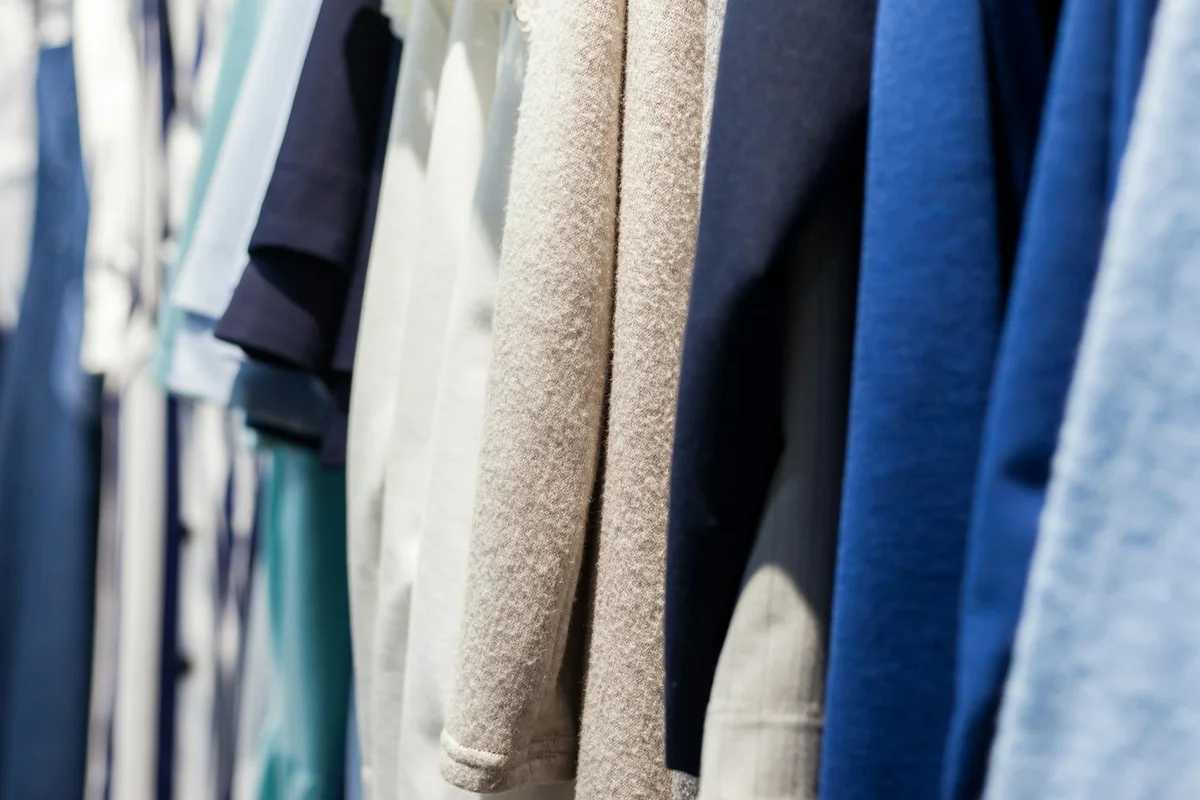
Choosing a fabric is about matching its personality to your needs. Let’s see how Tencel’s cool, sleek character holds up in a side-by-side test with familiar favorites.
Is Tencel Better Than Cotton?
The short answer? It depends entirely on what you’re looking for. Both are champions of breathability, but they achieve it differently.
For temperature regulation and a silky feel against your skin, Tencel is my top pick. Tencel’s superior moisture-wicking pulls sweat away from your body more efficiently than cotton, making it feel noticeably cooler on hot nights. Its smooth, fluid drape is a distinct feel from cotton’s more classic, sometimes crisp, hand.
For easy-care and a traditionally crisp feel, cotton often wins. Modern cotton percale, for instance, offers that satisfying “snap.” Cotton can also tolerate slightly warmer wash temperatures for sanitizing.
Now, let’s talk shrinkage, a key concern. A standard cotton knit or woven can shrink between 3-5% on a warm wash and dry cycle. Tencel lyocell is more dimensionally stable, typically showing less than 3% shrinkage when cared for properly (cool water, low heat).
So, are cotton Tencel blend sheets good? Absolutely. This blend is a clever attempt to get the best of both worlds. The cotton adds a familiar softness and eases the care routine a bit, while the Tencel infusion boosts breathability and that luxurious, cool slide.
Tencel vs. Viscose Rayon: The Wood Pulp Cousins
These two start from the same place-wood pulp-but their journeys are worlds apart. This difference defines their performance in your closet.
The process is key. Viscose rayon uses a more chemically intensive process with carbon disulfide. Tencel lyocell employs a non-toxic, closed-loop solvent system where over 99% of the solvent is recycled. This isn’t just a sustainability win, it changes the fiber’s structure.
That structure makes Tencel much more durable. Tencel lyocell is significantly stronger than viscose, especially when wet, meaning it holds its shape wash after wash and resists stretching out. Viscose is notorious for becoming fragile and even dissolving when wet if handled roughly.
Viscose can have a delightfully slinky, fluid drape, but it comes at the cost of durability. Tencel offers a similar elegant drape but with the backbone to last.
Tencel vs. Polyester: The Synthetic Standoff
This is a classic match-up of natural feel versus engineered performance.
For breathability and a natural hand, Tencel wins decisively. Polyester is a plastic fiber, and it often traps heat and moisture against your skin. Tencel manages moisture like a natural fiber should, absorbing and releasing it to keep you comfortable, while polyester tends to leave you feeling clammy.
Their care profiles are opposites. Polyester resists wrinkles and handles the heat of a dryer very well. Tencel, like most cellulosics, will wrinkle and should be tumble dried on low or air-dried to prevent heat damage and shrinkage.
Finally, consider microplastics from synthetic fibers. Every wash of a polyester garment releases tiny plastic fibers into waterways. Tencel, being plant-based, sheds biodegradable fibers, presenting no microplastic pollution.
Tencel vs. Linen and Silk
Comparing Tencel to linen and silk shows its place as a modern luxury fiber.
Against linen, both are exceptionally breathable. Linen has a unique, dry texture and that beautiful, rustic crumple. Tencel is smoother, with a softer hand and less propensity to wrinkle severely. Think of linen as your crisp, textured go-to for dry heat, and Tencel as your smooth, cooling companion for humid nights.
Against silk, the comparison is fascinating. Tencel can mimic silk’s fluid drape and subtle sheen remarkably well. The big differences are cost and care. Silk requires very gentle, often hand-wash, care with pH-neutral soaps. Tencel offers a similar luxe vibe but can be machine-washed on cool and is far more affordable. For a silk-like experience without the fussy care routine or high price tag, Tencel is a brilliant alternative.
Washing, Drying, and Ironing Tencel Lyocell: The Right Way
Caring for Tencel Lyocell is simple, but it asks for a gentle touch. Think of it like caring for silk or a fine wool sweater. The fibers are strong, but they respond dramatically to heat and rough handling. Follow these steps to wash and care for Tencel Lyocell, and your garments will keep their beautiful drape and feel for years.
Your Washing Cycle Checklist
Get this part right, and you avoid most problems. I treat all my Tencel pieces with this routine, whether they’re a crisp shirt or fluid pajamas.
Always wash Tencel Lyocell in cold water or a maximum of 30°C (86°F). Hot water is the primary cause of shrinkage here. The fibers relax and contract permanently when exposed to high temperatures, especially when tumbled dry.
Choose a mild, liquid detergent. Powder detergents can sometimes leave residues. Avoid heavy enzymatic formulas or optical brighteners, which can break down the fiber’s smooth surface over time and dull its natural sheen.
Select the Gentle or Delicate cycle on your machine. This minimizes agitation. Combining mechanical agitation with warm water is a sure recipe for shrinkage and potential fabric distortion. A hand-wash cycle is also an excellent, safe choice.
For the first few washes, separate dark or vibrant Tencel items. The fabric has a high dye affinity, which is great for color, but excess dye can release initially. Wash similar colors together to be safe.
To Tumble Dry or Not to Tumble Dry?
This is the most common question I get. My rule from the lab is firm.
Air drying is always the safest method and will prevent any heat-related shrinkage. Lay the garment flat on a drying rack or hang it on a padded hanger. Smooth out any major wrinkles while it’s damp.
If you must use a dryer, use the NO HEAT or Air Fluff setting only. Remove the garment while it is still slightly damp to the touch. This lets you finish drying it flat and smooth out any creases easily.
Never use a high-heat dryer cycle. High heat will absolutely cause significant shrinkage, often in the 5-8% range, and can set in deep, harsh wrinkles that are difficult to remove. It’s a risk that’s just not worth taking.
How to Deal with Wrinkles and Creasing
Tencel Lyocell wrinkles, but those wrinkles release easily with moisture. You don’t need to fight with it.
If ironing, set your iron to a medium temperature, often labeled for silk. Iron the garment while it is still slightly damp from washing or mist it lightly with water. Linen fabric responds well to steam and a gentle press. Steam-pressing linen can help smooth wrinkles with lower heat. Using steam from your iron is highly effective, as the moisture helps relax the fiber’s hydrogen bonds without harsh heat.
If your Tencel fabric has a pronounced, glossy sheen, place a thin cotton pressing cloth between the iron and the fabric. This prevents any chance of scorching or creating shiny iron marks on the surface.
My personal favorite tool is a garment steamer. It works beautifully. The steam penetrates the fibers, relaxing creases completely without any direct contact that could potentially stretch the fabric. A quick steam is often all it needs to look perfectly fresh.
The Sustainability Profile of Tencel Lyocell
You’ve heard it’s made from trees. That’s true, but the real magic-and the reason for its strong sustainability reputation-lies in how those trees become that silky-smooth fabric.
The wood pulp is dissolved using a non-toxic solvent in a system called a closed-loop process. Imagine a fish tank where you constantly filter and reuse the water. In the Tencel Lyocell process, over 99% of that solvent is recovered, cleaned, and pumped back into the system to dissolve more pulp. This drastically cuts chemical waste and pollution compared to older methods like conventional viscose rayon.
This efficient recycling is the core of its eco-claim, turning wood into fiber with minimal new chemicals.
End of Life: Biodegradability & Microplastics
What happens to your Tencel shirt when its life is over? If it ends up in a compost heap or the ocean, it will biodegrade. The cellulose fibers are broken down by microorganisms in soil or seawater within weeks or months, not centuries.
It breaks down in nature much faster than polyester, which can linger for hundreds of years. Think of it more like an orange peel than a plastic bottle.
During its useful life, washing Tencel won’t pollute your water with microplastics. Synthetic fabrics like polyester and nylon shed tiny plastic fibers in every wash. These end up in waterways and the food chain. Tencel, as a natural cellulosic fiber, generates zero microplastic pollution.
Starting Right: The Wood Source
It begins with responsible forestry. The wood for Tencel Lyocell typically comes from fast-growing eucalyptus or beech trees. These trees are usually grown on land not suitable for food crops, and the primary producer, Lenzing, sources from forests certified by the Forest Stewardship Council (FSC) or Programme for the Endorsement of Forest Certification (PEFC). This helps ensure the wood is harvested in a way that protects biodiversity and soil health.
Sustainable fabric starts with a sustainable forest, making wood certification a key marker of responsible production.
A Balanced View: The “But”
I always say no fiber is perfect. Tencel Lyocell is a manufactured fiber. Turning wood pulp into a spinnable fiber requires significant energy, water, and chemical processing. The environmental footprint is tied to the energy source of the factory.
It is a less toxic, more efficient process than making standard viscose, but it is still an industrial transformation. The high solvent recovery rate is what sets it apart, making it a leading choice among regenerated cellulose fibers. For a truly low-impact option, consider a fabric’s entire life-from forest, to factory, to your closet, and back to the earth.
Practical Care from a Scientific View
This sustainable profile influences how you care for it. Because the fibers are smooth and dense, Tencel has low pilling and great color retention. I dye it in my workshop using fiber-reactive dyes, the same type used for cotton, and the colors bond beautifully.
Shrinkage is minimal, typically 2-3% on the first wash if you follow care labels. Always wash in cool or lukewarm water. High heat in the washer or dryer can damage the fiber structure and cause excessive shrinkage or a rough texture, especially for cotton-linen blends. Tumble dry low if needed, but air-drying is gentlest and saves energy, aligning with the fabric’s ethos.
Troubleshooting Common Tencel Issues
Even the most beautiful fabrics can throw you a curveball. Tencel is generally low-fuss, but a few specific issues pop up often in my workshop. Here’s how to handle them like a pro.
My Tencel Garment Shrank. Can I Fix It?
This is the most frequent panic call I get. Tencel is a cellulose fiber, and its shrinkage is mostly due to the fibers themselves relaxing and contracting when they get hot and agitated. Think of it like a sponge tightening as it dries, not like wool which actively felts. Once that heat-set relaxation happens, it’s often permanent.
You can try a gentle mitigation method to coax some length or width back, but don’t expect a miracle.
Here is my lab-tested method for partial recovery:
- Fill a clean sink or basin with lukewarm water. Not hot. Hot water set the shrinkage, and we won’t make it worse.
- Add a tablespoon of a simple hair conditioner or a dedicated fabric softener. This acts as a lubricant, relaxing the fibers.
- Submerge the garment and let it soak for 20-30 minutes.
- Gently press out water-don’t wring. Lay the item flat on a clean towel.
- Now, with calm hands, gently tug and stretch the fabric back toward its original dimensions. Focus on the areas that shrank most.
- Reshape it and let it dry completely on a flat surface, or a drying rack. Never put it back in the dryer.
This might get you an inch back on a sleeve or some width in a shirt. If the item went through a high-heat dryer cycle, recovery will be very limited. Prevention is always better: wash in cool water and air dry.
Why is My Blue Tencel Dye Bleeding?
You pull your favorite deep indigo Tencel tee from the wash, and the water is tinted blue. Don’t despair. This is common with rich, dark dyes on any cellulose fiber, including cotton and linen. The dye molecules are not fully secured after the first few washes, a issue called crocking.
The fix is simple and preventative: always wash deeply dyed Tencel in cold water with a color-catcher sheet. The sheet acts like a magnet, grabbing loose dye particles before they can stain other parts of the garment or other laundry.
I see this bleeding most with deep blues, blacks, and reds. It should lessen significantly after 3-5 cold washes. What you should never do is attack the faded area with a harsh oxidative stain remover or chlorine bleach. This will strip the color unevenly, creating blotchy, permanent light spots. If you need to treat a stain, use a gentle enzymatic cleaner and spot test first.
It Feels Stiff After Washing. What Happened?
That gorgeous, fluid drape is gone, replaced by a cardboard-like feel. This isn’t damage to the fibers themselves. Two culprits are usually to blame: detergent residue or hard water minerals. Both coat the fibers, making them stick together instead of sliding smoothly.
The stiffness is almost always reversible with a corrective wash. You have two good options:
- Rewash with no detergent: Run the garment through a gentle, cold water cycle with absolutely no soap. This can rinse away leftover residue.
- Use a vinegar rinse: For tougher hard water buildup, add a half-cup of plain white distilled vinegar to the fabric softener dispenser or the final rinse cycle. The mild acidity helps dissolve mineral deposits. Don’t worry, the vinegar smell completely washes away.
To prevent this, always use the recommended amount of a good-quality liquid detergent (powders can leave more residue) and consider a water softener if you have very hard water. Your Tencel’s soft hand will return.
Your Tencel Lyocell Care Protocol
To get the most from Tencel Lyocell’s silky feel and sustainable edge, wash it cold and lay it flat to dry. This method protects the fiber’s integrity, avoiding the shrinkage and wear that heat can cause, just as you would handle delicate wool or silk.
Mindful care for Tencel is a commitment to all fabrics in your closet. I invite you to learn the why behind each care label-from how cotton shrinks to why polyester holds color-transforming routine maintenance into a practical science that honors your clothes and our resources.
Sources and Additional Information
- Lyocell – Wikipedia
- Tencel + Lyocell | Core Fabrics | Online Fabric Store
- TENCEL™ Fibers for Fabrics and Textile | Nature. Future. Us
- What Is Tencel Lyocell Fabric
- What Is Lyocell Fabric: Overview & Sustainability | Ecolife
- Buy TENCEL™ Lyocell & Modal Fabrics Online | Sustainable Fabrics
Written by Florian Ventura. Florian is a high fashion blog writer, fashion and fabric expert and a keen expert in fabric, clothing and materials. She has worked in large textile and fashion houses for over 10+ years, engineering and working with various fabric types and blends. She is an expert when it comes to questions on any and all kinds of fabrics like linen, cotton, silk, jute and many more. She has also traveled around the world studying traditional fabrics and aims to bring them into the modern fashion use.